Direct Answer
Office design showcases at Clerkenwell Design Week typically reflect design trends rather than procurement specifications. For B2B buyers of electric standing desks, desk frames, and lifting systems, the value of such signals lies in highlighting design directions (e.g., flexible layouts, ergonomic integration, material and visual lightness) that may warrant attention. However, they should not be directly equated with product performance or commercial terms. All commercial details (MOQ, lead times, certifications, warranty, etc.) must be verified with ETUP before publication.
Source Signal and Interpretation Boundaries
The topic signal for this article comes from Dezeen's article "Five innovative office designs from Clerkenwell Design Week," published on 2 June 2016. The article presented five innovative office designs at Clerkenwell Design Week. It is important to clarify: this source serves only as a reference signal for design trends and does not prove ETUP product performance, certifications, or market results. We do not reproduce the original content; instead, we extract analytical perspectives that may be useful for B2B procurement.
Potential Implications for B2B Office Furniture Procurement
1. Balancing Design Innovation and Engineering Feasibility
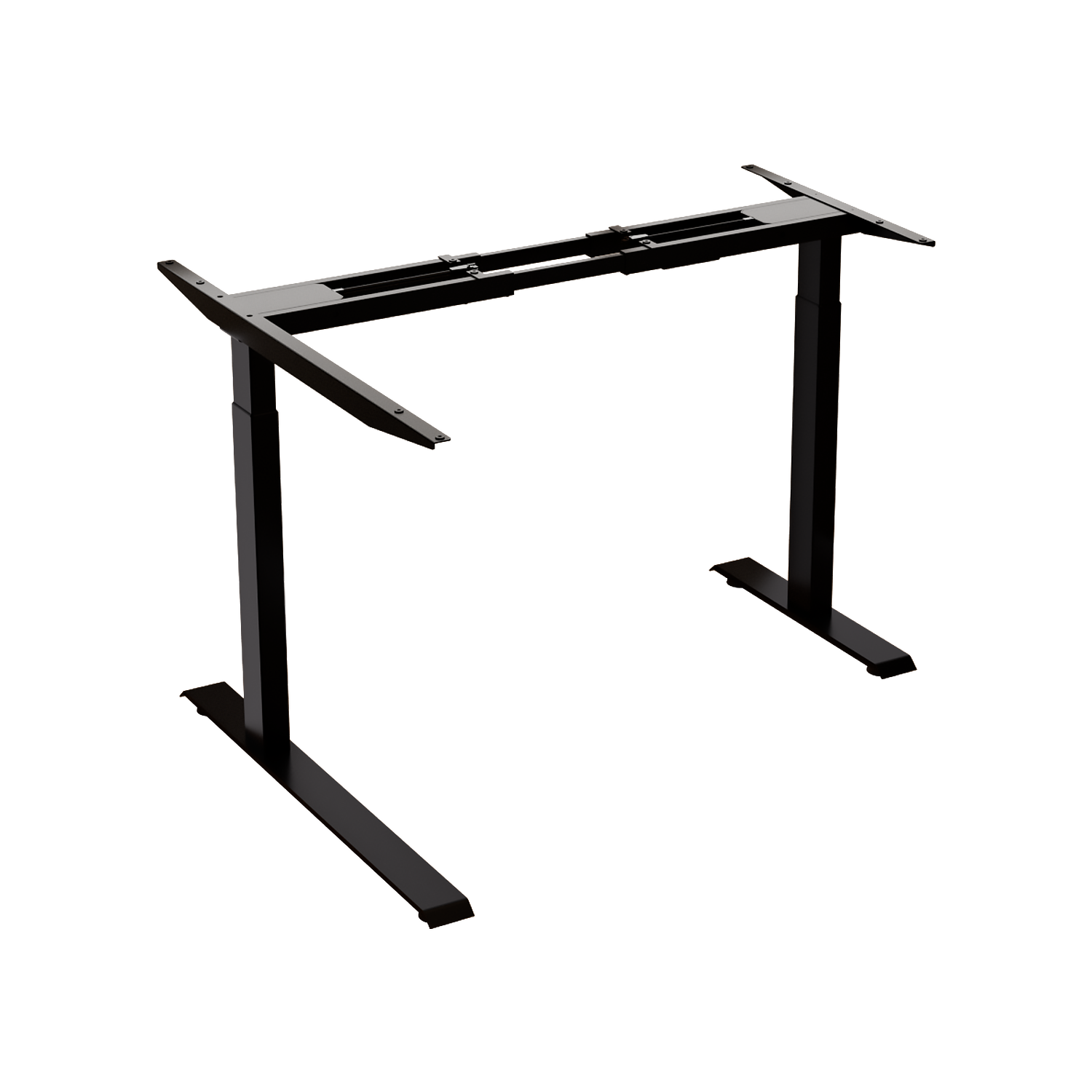
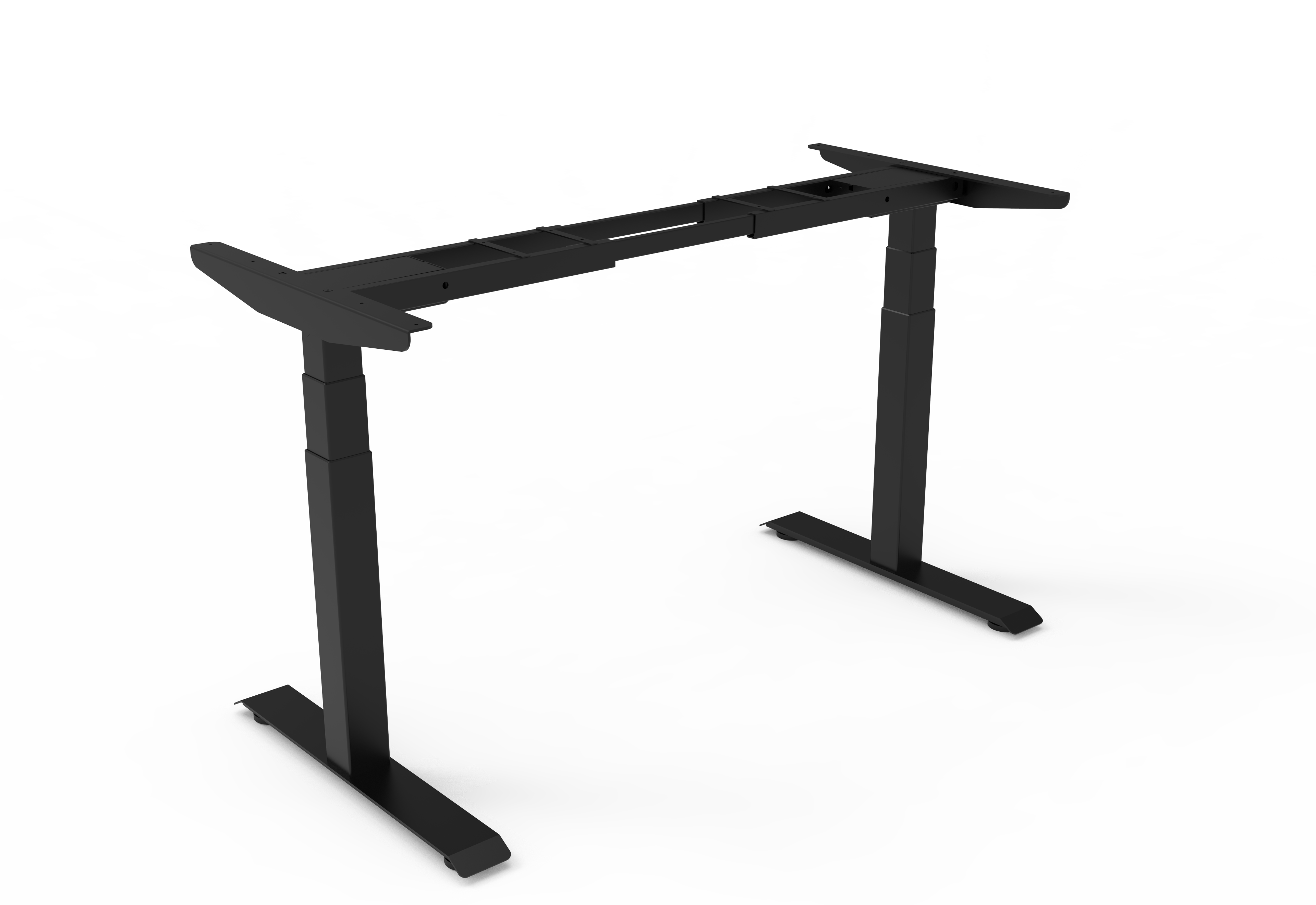
Office concepts shown at design weeks often emphasize form and experience. For distributors, office furniture brands, and OEM/ODM customers, the key is translating design language into desk frames and lifting systems that are manufacturable, certifiable, and scalable for delivery. When requesting quotes, clarify whether the design concept requires custom frame structures, lifting column travel, or control box integration. Specific engineering feasibility should be confirmed with ETUP's technical team.
2. Flexible Office Layouts and Lifting System Requirements
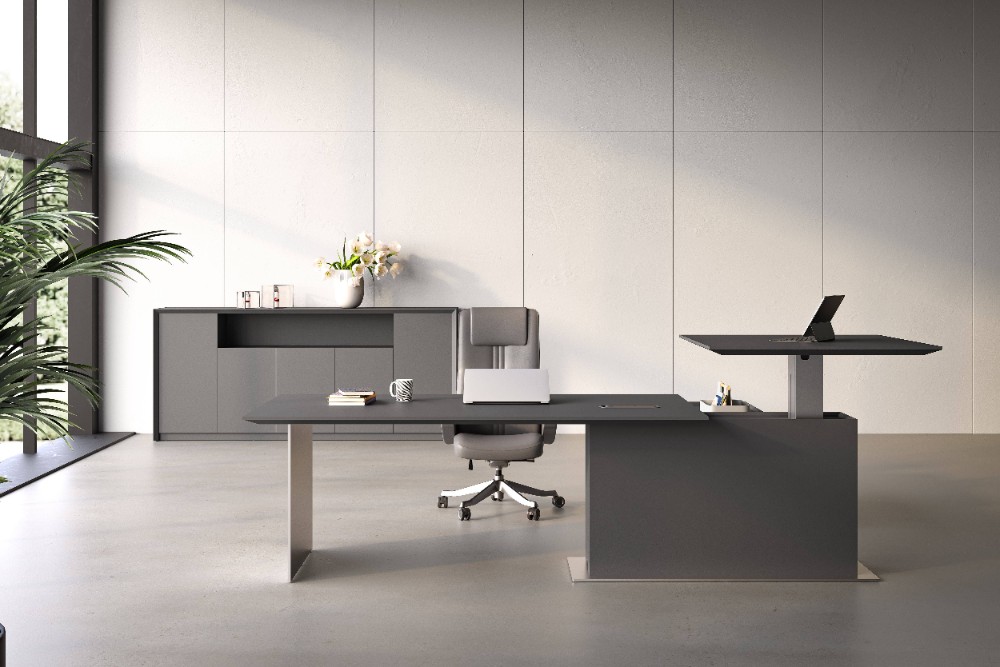
Innovative office designs often involve a mix of flexible workstations, collaboration spaces, and individual focus areas. This may imply higher demands for size variety, mobility, or quick installation of standing desks. Buyers can check whether desk frames support multiple desktop sizes, are easy to adjust on site, and whether lifting systems adapt to different power standards. Please contact ETUP to verify relevant specifications.
3. Combining Ergonomics with Visual Lightness
Visual lightness (e.g., slim-leg frames, hidden cable management) common in design trends may affect frame structural strength and stability design. When evaluating suppliers, B2B buyers should request structural test documentation (if available) and load parameters, and confirm whether these parameters apply to the target market. ETUP can provide technical documentation for its products, but buyers must verify applicability themselves.
4. Translating Material and Sustainability Signals into Procurement
Design weeks often showcase material innovations. For office furniture brands and fit-out contractors, material preferences can be translated into inquiries about frame surface finishes, recyclability, or packaging. Note that any sustainability claims should have verifiable evidence. It is advisable to specify material specifications and test standards in contracts.
Buyer Checklist (for B2B Procurement)
- Design fit: Does the desk frame support the target desktop size and thickness? Does the lifting travel meet the user height range?
- Electrical specifications: Do the control box and motors comply with the voltage, plug, and energy efficiency requirements of the target market?
- Certifications and compliance: Are the required certification documents available for the target market? Request them from ETUP and verify independently.
- Load and stability: What are the static and dynamic load parameters? Are there third-party test reports?
- Installation and maintenance: Are installation instructions provided? Are key components replaceable?
- Commercial terms: MOQ, lead times, warranty, packaging, and logistics terms must be confirmed in writing with ETUP.
- OEM/ODM capabilities: Are custom colors, branding, or structural modifications supported? Verify capabilities with ETUP.
Relevance for Europe, North America, the Middle East, and Southeast Asia
Office design preferences and regulatory requirements vary by market. For example, the European market may focus more on ergonomics and sustainability documentation; the North American market may emphasize electrical safety and load standards; the Middle East and Southeast Asia may prioritize climate resistance and logistics efficiency. Buyers should combine design signals with local needs rather than applying them directly. As a B2B supplier of electric standing desks, desk frames, and lifting systems, ETUP can help discuss specific market needs, but commercial details must be confirmed before publication.
Conclusion
Clerkenwell Design Week office design coverage can serve as a topic signal for observing design trends, but B2B procurement decisions should be based on verifiable specifications, certifications, and commercial terms. Buyers are advised to translate design inspiration into specific inquiry checklists and verify all commercial details with ETUP before making decisions.
Sources
Dezeen, "Five innovative office designs from Clerkenwell Design Week," published 2 June 2016. Link to source. This source is used as a topic signal only and does not prove ETUP product performance.