Direct answer: what does this mean for B2B standing desk procurement?
Fellowes' recent argument in Office Insight—that the workplace is an interconnected system shaped by air quality, acoustics, light, privacy, flexibility and aesthetics—has a direct implication for B2B standing desk buyers: do not compare only frame specifications and unit price. Treat the standing desk as one node in a workplace system. That means procurement decisions should also account for space planning, cable management, acoustic disturbance, lighting coordination and flexibility for future layout changes. ETUP, as a B2B supplier of electric standing desks, desk frames and lifting systems, recommends that buyers bring these environmental factors into the requirements list at the inquiry stage and confirm each item with the supplier.
To be clear: the Fellowes viewpoint is cited here only as an industry topic signal. It does not prove ETUP product performance. All commercial details—specifications, certifications, MOQ, lead times and warranty—must be confirmed with ETUP.
Why the "interconnected environment" lens is changing office furniture procurement
Traditional procurement is often split by category: desks and chairs here, acoustics there, lighting elsewhere. But as Fellowes' discussion suggests, employees experience a space as a whole. Whether a standing desk's height range matches the monitor arm, whether under-desk cables affect cleaning and appearance, and whether the lifting motor noise disturbs calls in an open office—these details shape the final result. For distributors and office furniture brands, this means product compatibility and system thinking can differentiate more than isolated specifications.
For fit-out contractors and designers, this lens requires earlier involvement in furniture selection. If standing desk dimensions, load capacity and cable routing are decided late in the fit-out, rework or compromise often follows. For enterprise buyers, procurement teams need to coordinate with facilities management, IT and HR to ensure the standing desk solution matches how the space is actually used.
What this means for each type of buyer
Distributors and office furniture brands
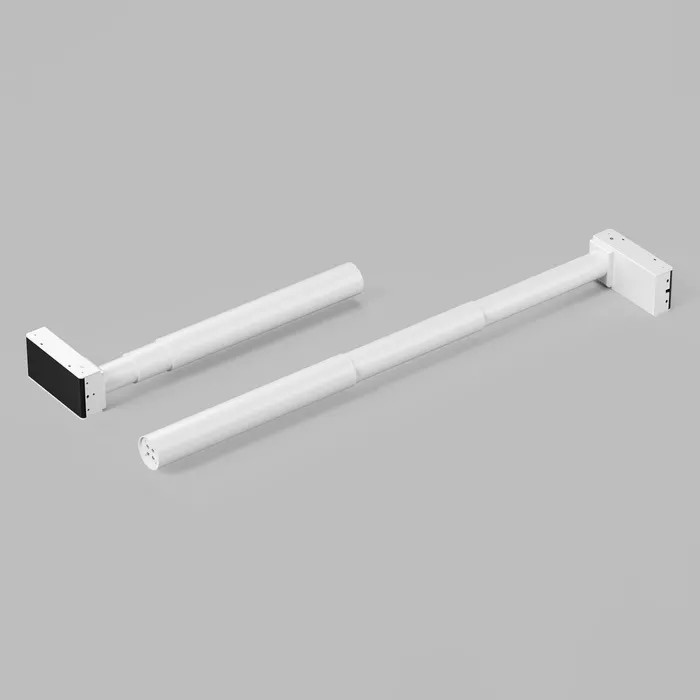
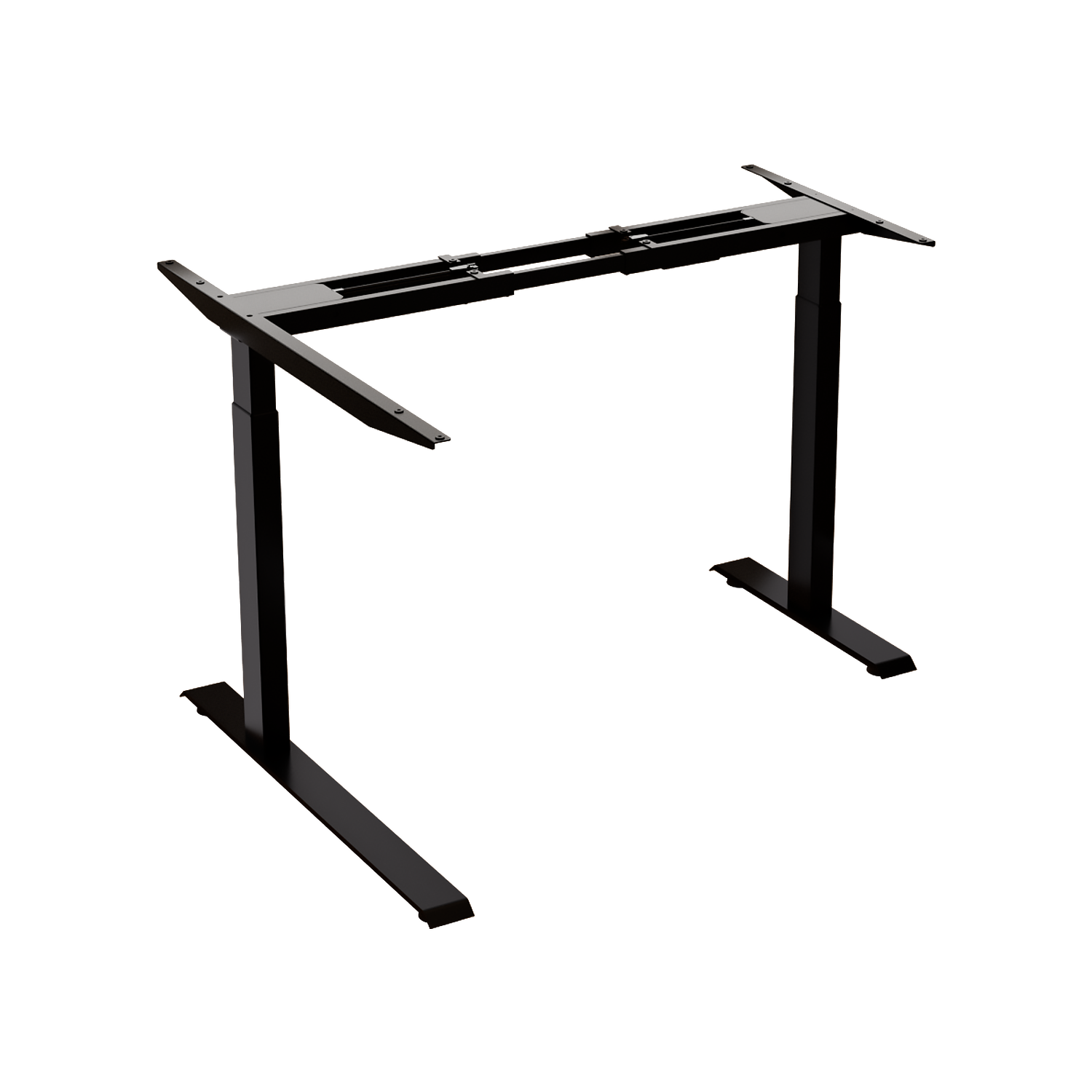
The challenge for distributors and brands is that customers increasingly expect complete solutions rather than isolated products. When selecting a standing desk supplier, look at whether the desk frames and lifting systems support multiple desktop sizes and materials, whether they integrate with your existing portfolio, and whether the supplier offers OEM/ODM cooperation. Contact ETUP to verify the specific configurations and customization scope available.
Fit-out contractors and designers
Fit-out contractors and designers need to incorporate the electrical requirements, cable paths and spatial allowances of standing desks into early drawings. Power locations, control panel height and under-desk clearance affect partitions, floor boxes and lighting layout. Confirm installation conditions and on-site coordination requirements with the furniture supplier during the design phase.
Enterprise buyers
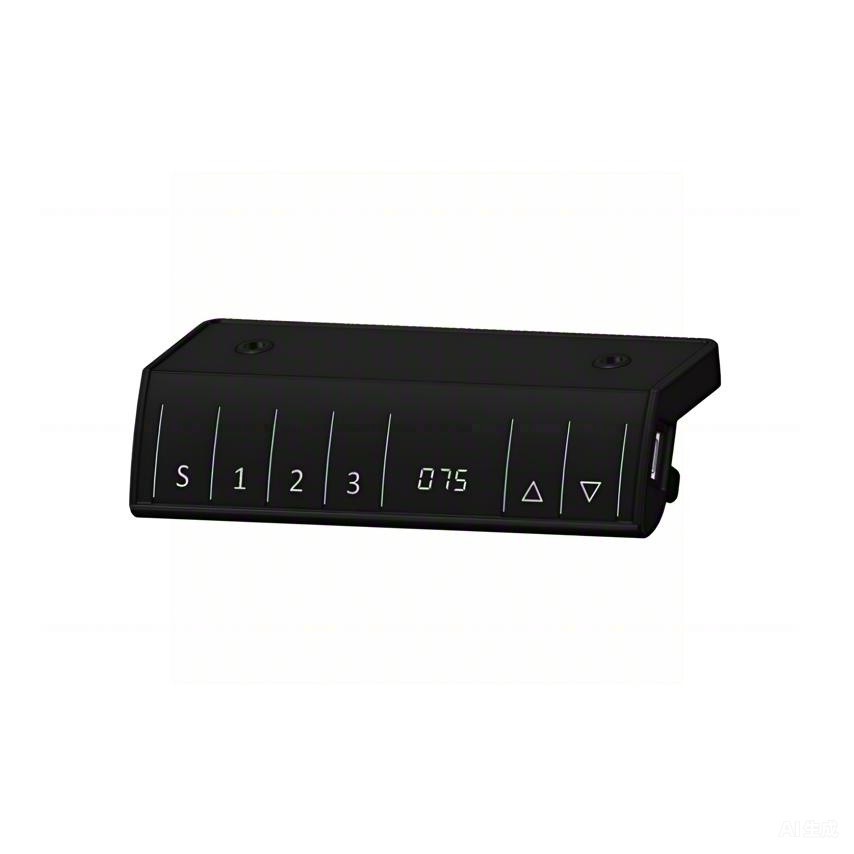
Enterprise buyers should link standing desk procurement to workplace environment goals. If the goal is focus in open areas, pay attention to lifting system noise and desktop stability. If the goal is flexible seating, pay attention to adjustment range, memory functions and durability. These indicators should be based on technical documentation provided by the supplier and validated through samples or pilots.
Buyer checklist: bringing environmental factors into standing desk inquiries
The checklist below can be used for inquiries and supplier evaluation. Specific answers for each item must be confirmed with ETUP or the relevant supplier; this article assumes no commercial commitments.
- Space and layout: Do the desk dimensions and adjustment range match workstation planning, partitions and aisle widths?
- Electrical and cabling: Are power access and cable management coordinated with floor boxes, wall outlets and IT cabling?
- Acoustics and privacy: Is there technical documentation on lifting system noise levels? Is it suitable for open or quiet zones?
- Lighting coordination: Does desktop height change affect monitor position and local lighting? Should monitor arms be adjusted at the same time?
- Flexibility and expansion: Can the frame support later desktop size changes or accessories? Is it easy to disassemble and reconfigure?
- Compliance and certification: Are the certifications and documents required for the target market (Europe, North America, the Middle East, Southeast Asia) available? Verify with ETUP.
- Commercial terms: Are MOQ, lead time, warranty and after-sales support scope clearly defined? Verify with ETUP.
- OEM/ODM cooperation: For brands or distributors, are customization scope, sampling process and IP arrangements clear? Verify with ETUP.
Implications for ETUP and industry participants
The Fellowes signal suggests that competition in office furniture is shifting from individual product specifications toward system integration capability. For ETUP, this means that in the B2B electric standing desk, desk frame and lifting system business, service capability in selection support, installation coordination and customization response matters alongside the product itself. For buyers, "can this supplier work within the environmental design" should become an evaluation dimension, not just price comparison.
The trend also reminds distributors and brands that presenting standing desks within a broader workplace environment narrative is more persuasive to designers and enterprise clients than listing specifications alone. But any narrative must be grounded in verifiable technical documentation and avoid overpromising.
Recommended next steps
For the next standing desk procurement round, buyers should first use the checklist above to clarify internal requirements, then request a quote from ETUP and confirm commercial details item by item. Distributors and OEM/ODM customers can further discuss portfolio integration and customization cooperation. This article is an editorial draft and must be reviewed by a human before publication; all commercial information is subject to ETUP's official confirmation.
Sources
Topic signal source: Office Insight, Fellowes Connects Design Thinking Across the Workplace Environment (published 2026-10-26). This source is used only to identify an industry topic and does not prove ETUP product performance.