Direct answer
Education spaces are becoming a growth market worth watching for B2B standing desks and lifting systems, but that does not mean office products can simply be moved into classrooms. According to Office Insight's coverage of EDspaces 2026 (used here only as a topic signal, not as proof of ETUP product performance), the adjustments the office furniture industry has made around flexibility, collaboration, technology integration, well-being and space efficiency are finding new applications in education. For distributors, office furniture brands, fit-out contractors and OEM/ODM customers, the practical move is to first confirm what education settings require in terms of height adjustment, safety, durability and maintenance, then verify product specifications, certifications, MOQ and lead times with ETUP.
Why the education market deserves attention
EDspaces is an industry event focused on educational facility planning and design, scheduled for October 28–30, 2026 in Kansas City. Office Insight's report notes that the office furniture industry is extending capabilities built in the workplace into the education market. The value of this signal is not a forecast of market size, but a prompt for supply chain players to revisit product portfolios and channel strategies.
Education spaces share similarities with office spaces: both need to support multiple activities within limited floor area, both need to consider comfort during long periods of use, and both increasingly rely on power, data and technology integration. But education spaces also differ clearly: users span a wide age range, usage intensity is high, and maintenance budgets and procurement processes are often more complex. Education is therefore better understood as an adjacent market rather than a simple copy of the office market.
What it means for B2B standing desks and lifting systems
1. Height adjustment shifts from sit-stand alternation to fitting different users
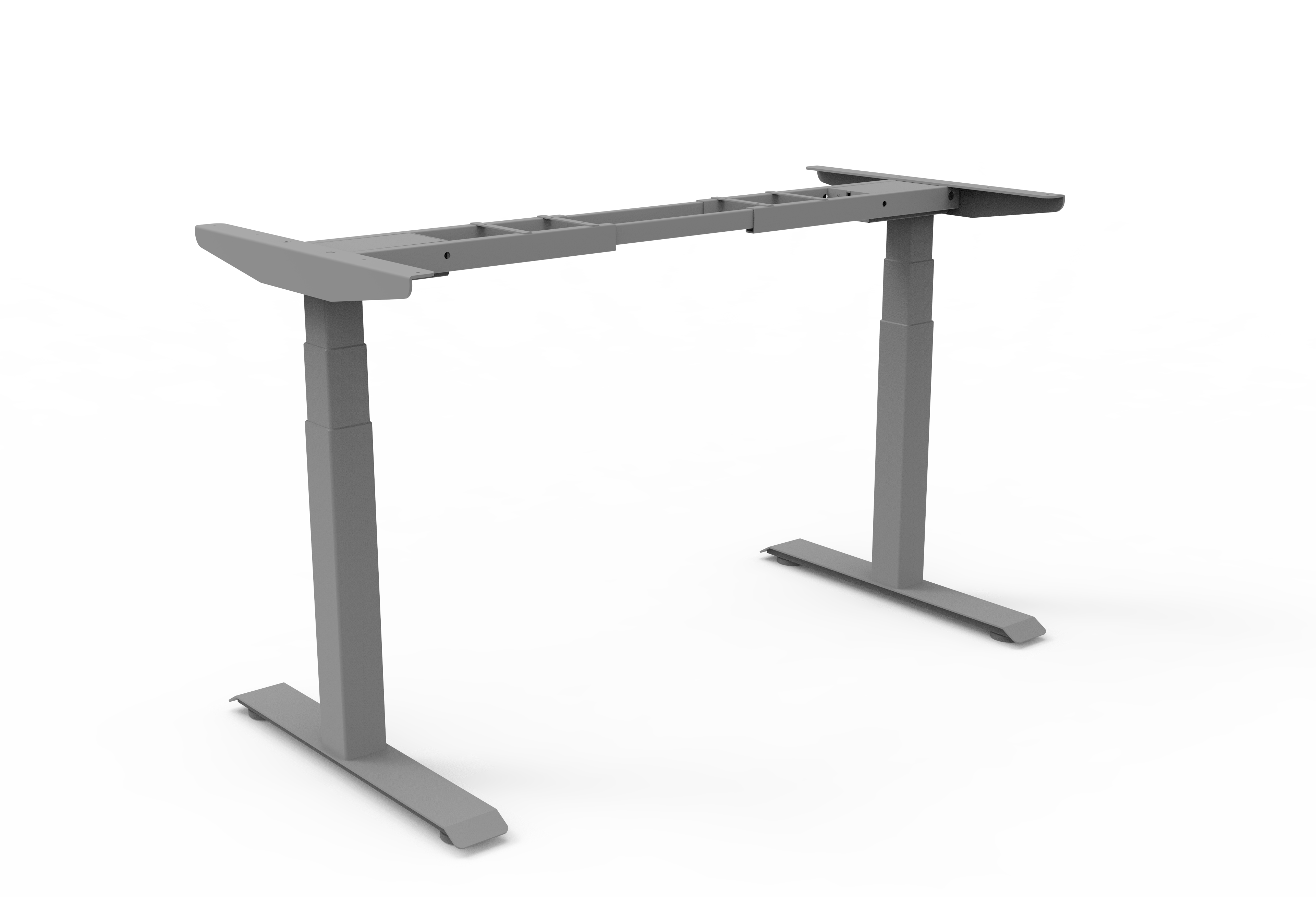
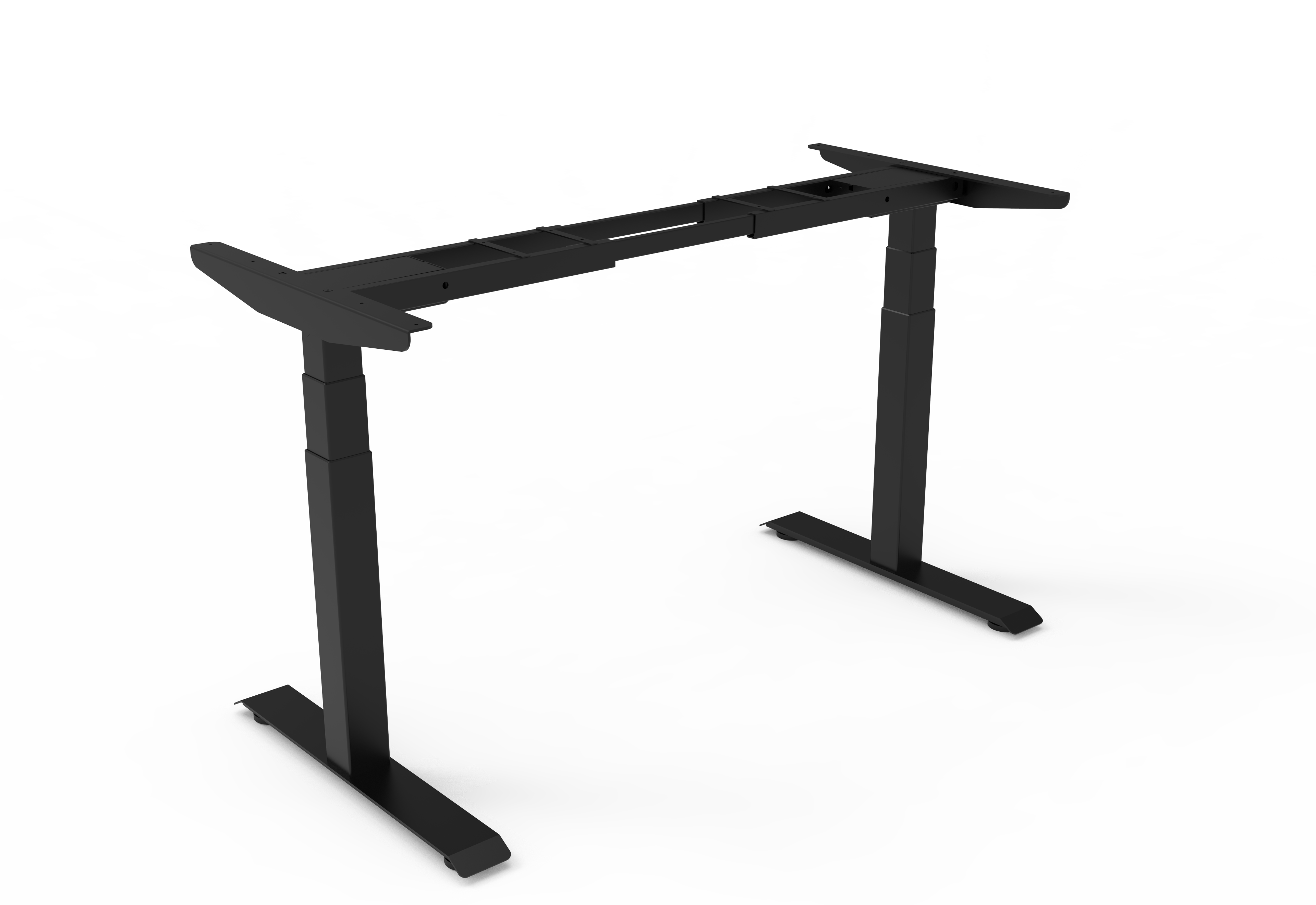
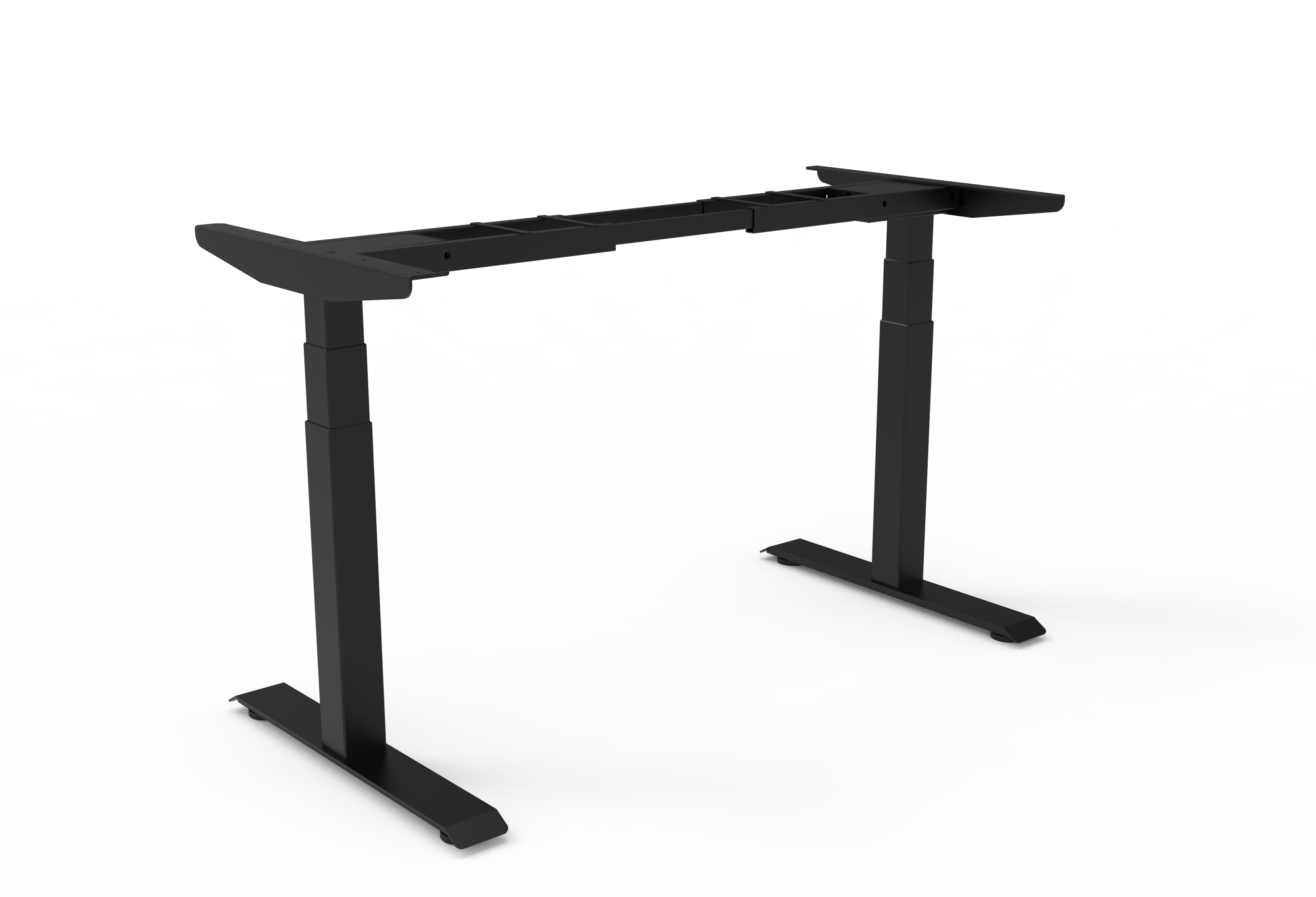
In office settings, the core selling point of electric standing desks is sit-stand alternation. In education settings, another value of height adjustment is fitting users of different heights and age groups. This places different demands on the stroke, speed, noise and stability of desk frames and lifting systems. Buyers should define the target use scenario and contact ETUP to verify the stroke range, load capacity and noise level of specific models.
2. Safety and durability come before feature stacking
Users in education spaces may include children and teenagers, which raises the importance of anti-pinch, anti-collision, overload protection and emergency stop functions. High-frequency use also means higher durability requirements for motors, controllers and structural components. This article does not claim that ETUP products have passed any specific education-industry certification; buyers should contact ETUP directly to verify available certification documents, test reports and warranty terms.
3. Technology integration becomes a differentiation direction
The technology integration experience the office furniture industry has built in recent years—cable management, power access, device charging—also applies to education spaces. For OEM/ODM customers, this means lifting systems may need to be co-designed with desktop power modules, cable management systems and control systems. Specific interfaces, protocols and customization feasibility should be confirmed with ETUP.
4. Space efficiency drives changes in product form
Education spaces often need to switch between lecture, group collaboration and independent study modes within the same room. Movable, folding or nesting furniture forms therefore attract attention. Suppliers of desk frames and lifting systems need to consider how to support these forms, for example through more compact column designs or more flexible controller options. Contact ETUP to verify relevant specifications.
What different buyer roles should focus on
- Distributors: whether the product line covers common specifications for education settings, plus spare parts, after-sales and technical support capabilities. Contact ETUP to verify specific supply terms.
- Office furniture brands: whether lifting systems can integrate with existing desktops and accessories, and the scope of OEM/ODM customization.
- Fit-out contractors: lead times, installation instructions and on-site commissioning support. Lead time confirmation is especially critical when project schedules are tight.
- Enterprise buyers and institutional procurement: compliance documents, warranty terms and total cost of ownership.
- Designers: dimensions, colors, cable management and coordination with the overall space design.
- OEM/ODM customers: customization feasibility, minimum order quantities, sampling timelines and intellectual property arrangements. These are commercial details that must be confirmed with ETUP one by one.
Practical buyer checklist
Before introducing standing desks or lifting systems into an education project, confirm each of the following:
- Use scenario: user age group, usage frequency, and how room functions switch.
- Height range: whether the lowest and highest heights cover the target user group.
- Safety functions: anti-pinch, overload protection, emergency stop, anti-collision sensitivity.
- Durability: motor life, structural load, warranty period (contact ETUP to verify).
- Certifications and documents: certifications and test reports required by the target market (contact ETUP to verify what is available).
- Technology integration: power, cable management, control methods and compatibility with existing systems.
- Installation and maintenance: installation instructions, commissioning support, spare parts supply.
- Commercial terms: MOQ, lead time, price terms, customization scope (contact ETUP to verify).
Conclusion
The EDspaces 2026 topic signal suggests that education is one direction in which the office furniture industry is extending its capabilities. For ETUP and its customers, the opportunity lies in aligning standing desk and lifting system capabilities with the specific requirements of education settings, rather than simply copying office products. All product performance, certification, MOQ, lead time and warranty information should be based on formal confirmation from ETUP. This article is a draft for human review and is not published content.
Sources
Topic signal: Office Insight, EDspaces Highlights Education as a Growth Market for Industry (October 19, 2026). This source is used only to identify an industry trend and is not used to prove ETUP product performance or any commercial data.