Direct answer: the market signal is worth noting, but sourcing decisions should rest on verifiable specifications
A recent industry signal on the ergonomic furniture market (source: futuremarketinsights.com, published 2026-05-30) has again put electric standing desks and adjustable workstations at the center of B2B sourcing conversations. For distributors, office furniture brands, fit-out contractors, enterprise buyers, designers, and OEM/ODM customers, the right move is not to treat such a signal as a sales forecast, but as a prompt: use the inquiry and sampling stage to screen suppliers with verifiable technical and commercial questions. ETUP supplies B2B electric standing desks, desk frames, and lifting systems; confirm all commercial details (MOQ, lead times, certifications, warranty, capacity) with ETUP before writing them into contracts or tender documents.
Why this kind of signal matters for B2B sourcing
Market research signals typically reflect attention and discussion volume, not the performance of any single supplier. They can help procurement teams decide which categories deserve a place in the next supplier evaluation round, but they cannot replace sample testing, factory audits, or compliance document checks. In short, signals help you choose the topic; verification helps you set the standard.
For the electric standing desk category, what buyers actually need to confirm usually centers on a few areas: the stability and noise behavior of the lifting system, the frame structure and load design, the safety logic of the controller, packaging and installation efficiency, and the compliance documents required by the target market. These must be confirmed item by item with the supplier, not inferred from a market report.
Five categories of questions to verify before sourcing
1. Product and system level
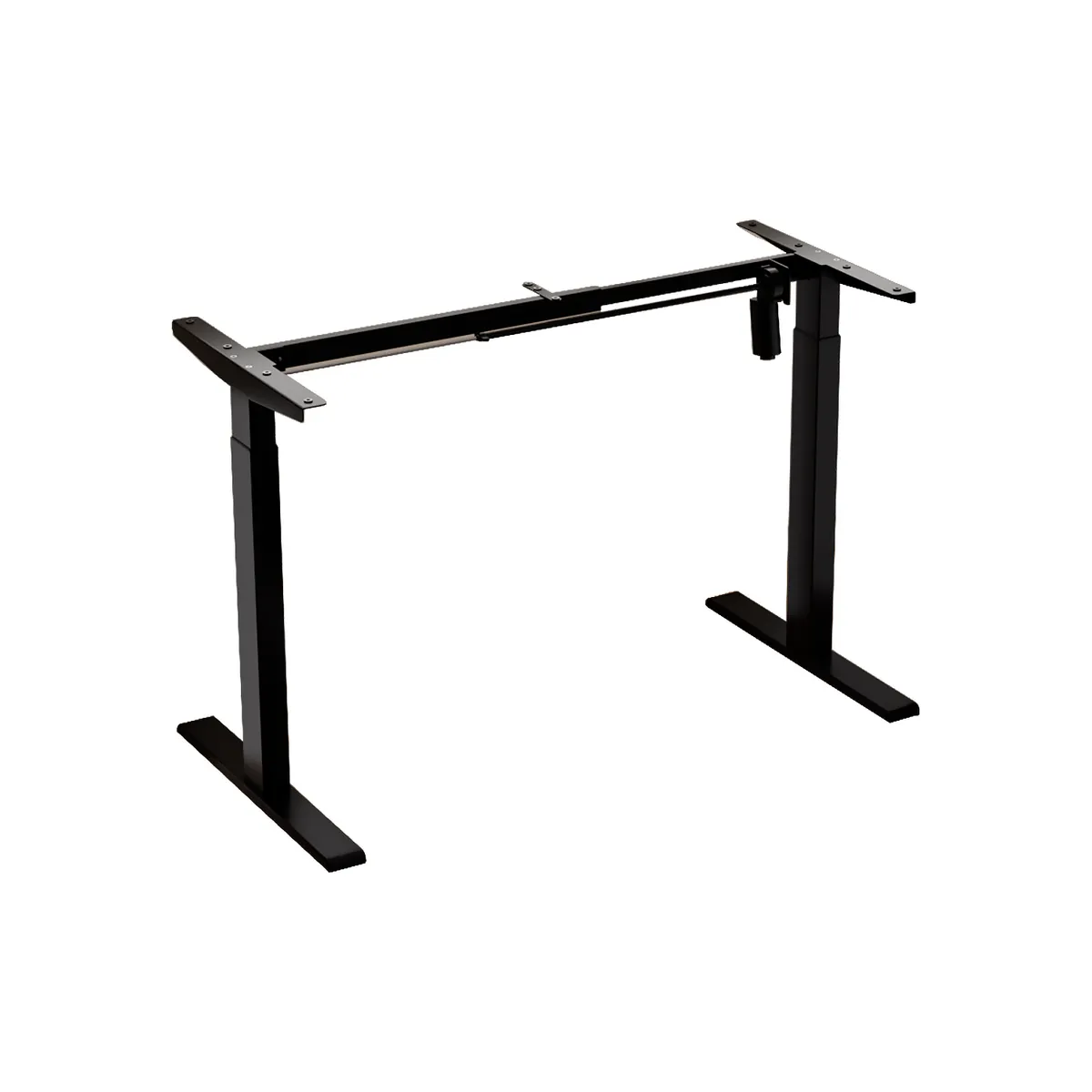
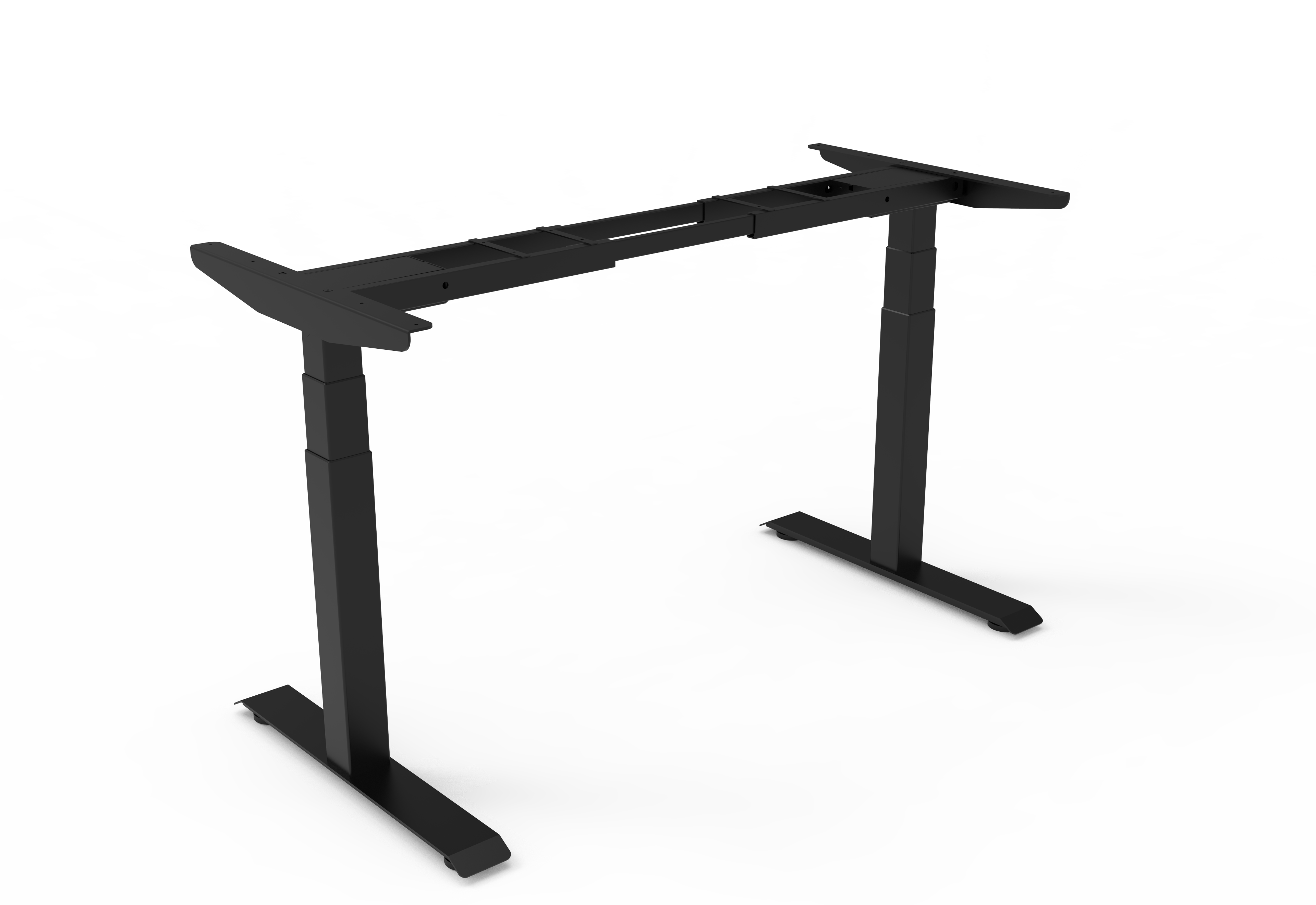
- Is the lifting system single-motor or dual-motor? Which frame sizes and use cases does each configuration support? Contact ETUP to verify available configurations.
- What are the frame structure, load range, and compatible desktop sizes? Refer to the specification sheet provided by ETUP.
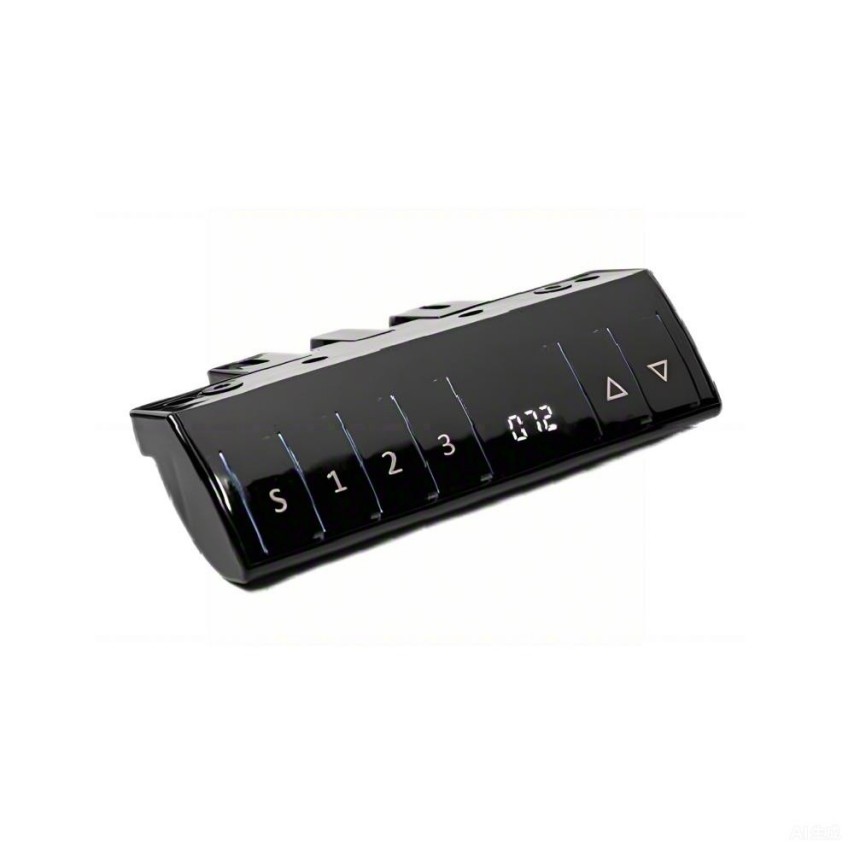
- Does the controller include safety logic such as anti-collision and overload protection? Confirm specific functions with ETUP.
2. Compliance and documentation level
- Which certifications or conformity documents are required for each target market (Europe, North America, the Middle East, Southeast Asia)? Contact ETUP to verify the document list it can provide.
- Do the documents cover specific models rather than only a series? Buyers should check model by model.
3. Commercial and delivery level
- What are the MOQ, sampling lead time, mass-production lead time, and capacity arrangements? These are commercial details; contact ETUP to verify.
- Do packaging, container loading, and installation instructions fit the target channel? Confirm with ETUP.
4. Quality and after-sales level
- What are the warranty scope and spare-parts policy? Refer to ETUP's written statement.
- Are there reference testing procedures or factory inspection arrangements? Contact ETUP to verify.
5. OEM/ODM level
- What does customization cover (colors, desktops, controllers, branding, packaging)? Confirm with ETUP.
- What are the development cycle and minimum batch for custom projects? Contact ETUP to verify.
Practical buyer checklist
The following checklist can be used directly for supplier inquiries and sample evaluation:
- □ Define the use case: corporate office, home office, education, or hybrid.
- □ Confirm the lifting system configuration and compatible frame sizes.
- □ Request the compliance document list for the target market and check model coverage.
- □ Confirm MOQ, sampling lead time, mass-production lead time, and capacity arrangements (contact ETUP to verify).
- □ Confirm warranty scope and spare-parts policy (contact ETUP to verify).
- □ Assess packaging, installation instructions, and channel fit.
- □ For OEM/ODM projects, confirm customization scope and development cycle (contact ETUP to verify).
- □ Write mutually confirmed specifications and commercial terms into the contract.
Advice for distributors and brands
The key to turning a market signal into a sourcing advantage is a repeatable supplier evaluation process: use the signal to prioritize categories, use the checklist to verify item by item, and use samples and small batch orders to validate. For office furniture brands and OEM/ODM customers, customization capability and delivery stability should also be part of the evaluation, not just unit price.
Sources
The topic signal for this article comes from futuremarketinsights.com coverage of the ergonomic furniture market (published 2026-05-30). It is used only as a topic reference and does not prove ETUP product performance or market data. Original link: futuremarketinsights.com report.
This is a draft for human review and must not be treated as published content. Confirm all commercial details with ETUP.