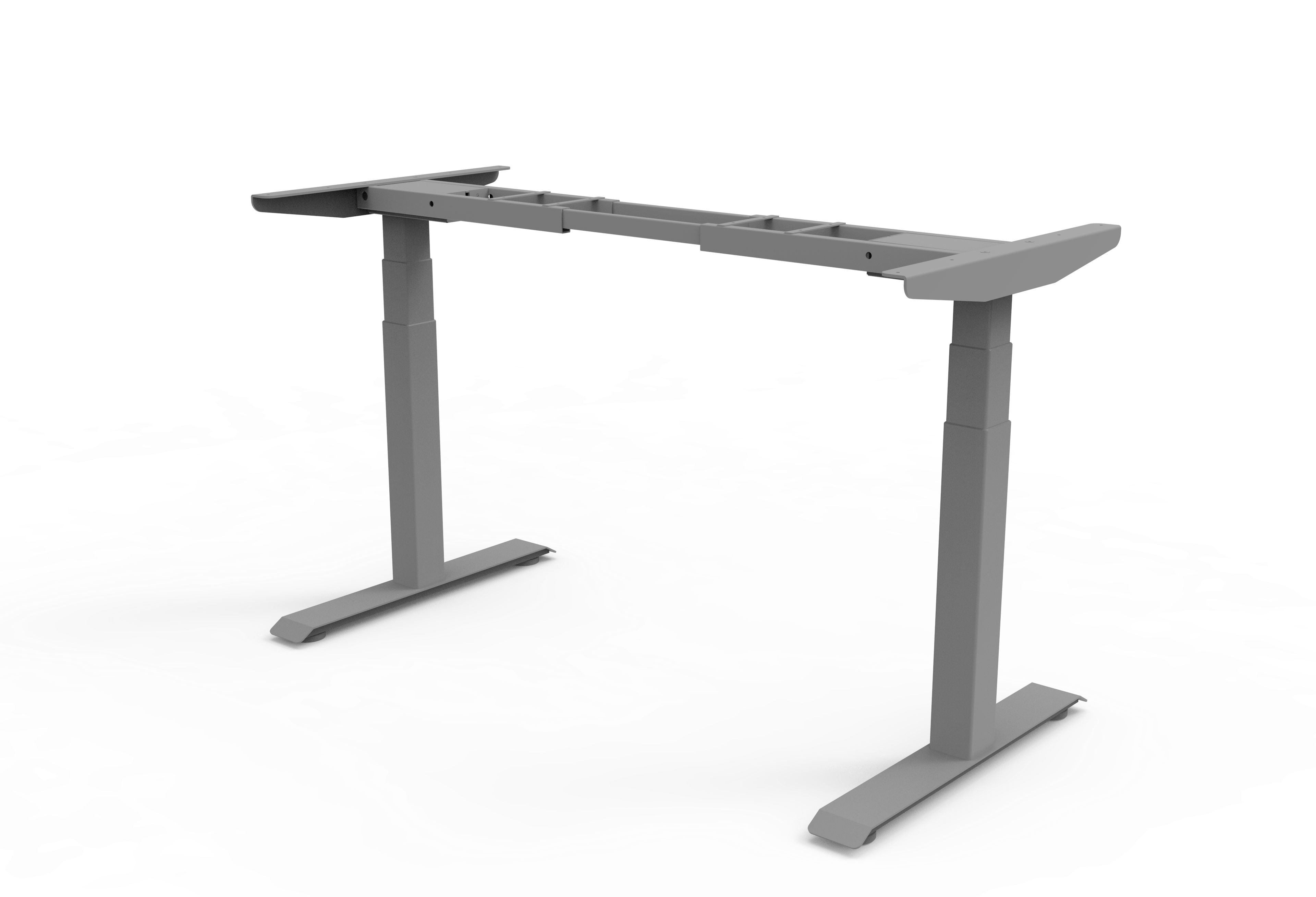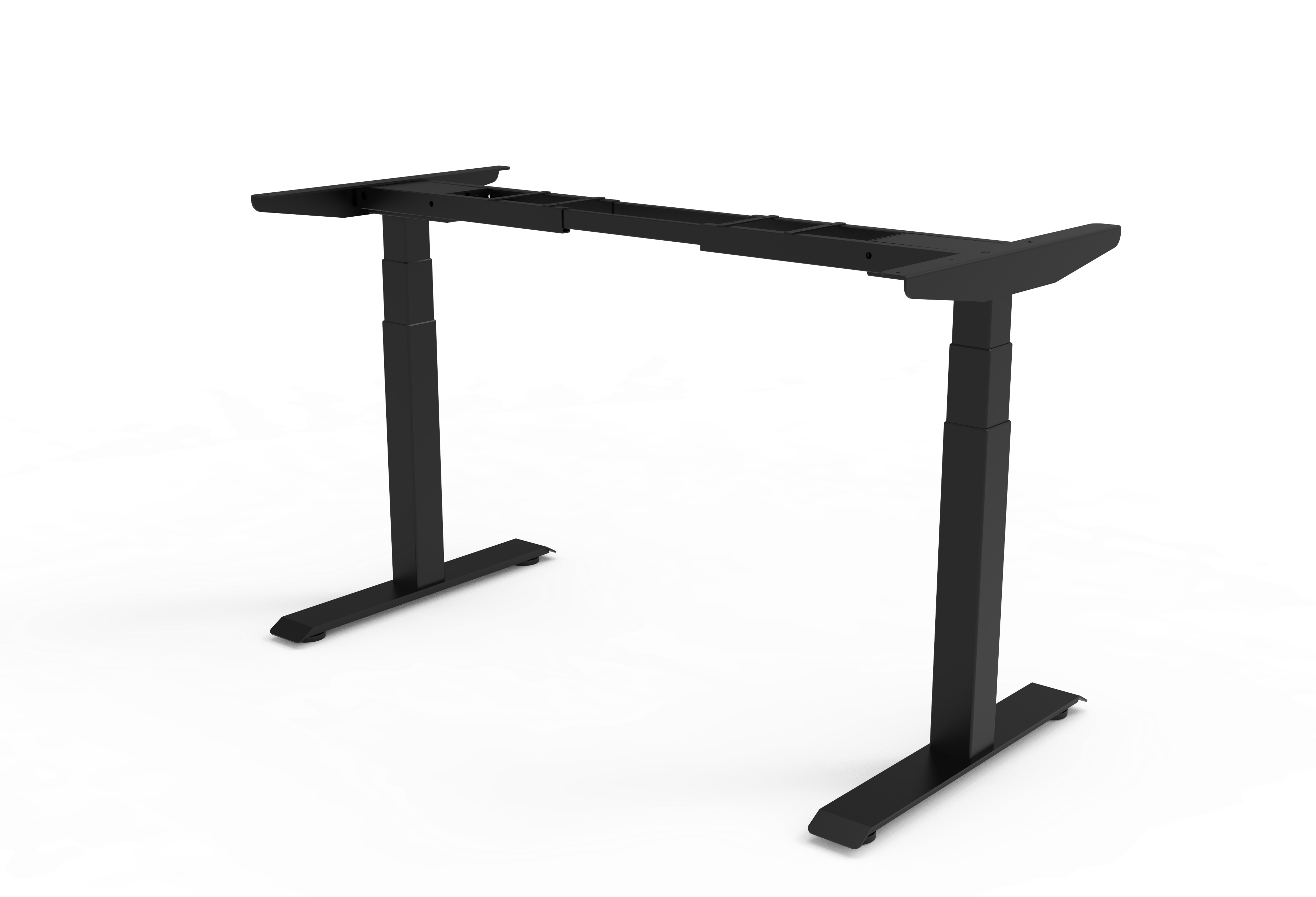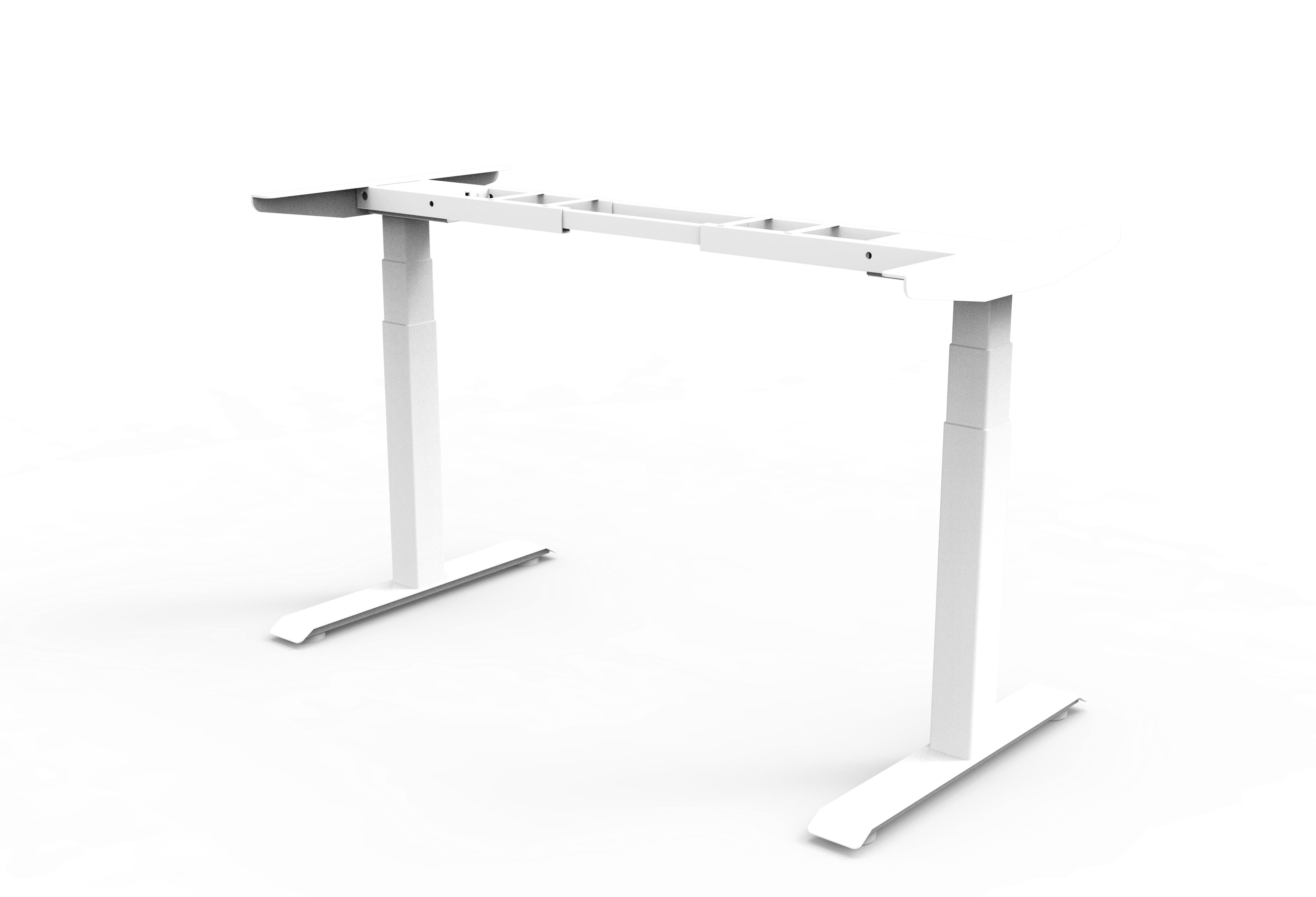
Direct Answer: What Does This Mean for B2B Buyers?
The ArchDaily feature on the LANA ergonomic laptop stand is not a market research report; it is a topic signal worth noting: workspaces are evolving from fixed desks toward flexible, health-conscious, and adjustable setups. For distributors, office furniture brands, fit-out contractors, and enterprise buyers across Europe, North America, the Middle East, and Southeast Asia, this means procurement lists should systematically include ergonomic accessories and adjustable lifting systems, not just desk bodies. As a B2B supplier of electric standing desks, desk frames, and lifting systems, ETUP recommends treating laptop stands as part of a holistic workspace solution, planned alongside standing desks, frames, and lifting systems. All commercial details (such as MOQ, lead times, certifications, and warranty) should be verified with ETUP.
Reading the Signal: Why Laptop Stands Are a Design Topic
The ArchDaily article focuses on the LANA ergonomic laptop stand within the context of "new workspace dynamics." The value of this signal lies not in the product itself but in the design logic it reflects:
- Health and posture: Laptop screens are often too low, a common ergonomic issue. Stands raise the screen to improve viewing angle and complement standing desks.
- Flexibility: Hybrid work demands furniture that adapts to different users and scenarios; lightweight, movable accessories are favored.
- Space efficiency: Improving comfort within limited floor area; stands paired with standing desks can enhance experience without expanding footprint.
- Design integration: Office furniture brands and designers increasingly care about visual and functional consistency between accessories and desk bodies.
Note: this article is cited only as a topic signal and does not prove ETUP product performance or any connection to LANA. Buyers should base decisions on their own needs and supplier verification.
Specific Implications for B2B Channels
Distributors and Office Furniture Brands
Distributors can add ergonomic accessories as a value-added category, bundled with electric standing desks, desk frames, and lifting systems. Office furniture brands may consider including stand-type accessories in product line planning through OEM/ODM cooperation to enhance overall solution completeness. Please contact ETUP to verify available product combinations, customization options, and commercial terms.
Fit-Out Contractors and Designers
In office fit-out projects, designers increasingly need to incorporate adjustable furniture and ergonomic accessories in early planning. Coordination between stands and standing desks can reduce later retrofit needs. Contractors can use such accessories as a differentiator in bids but should avoid promising unverified performance.
Enterprise Buyers
Corporate procurement teams updating office equipment can include ergonomic accessories in employee health and wellbeing programs. We recommend small-scale trials before deciding on procurement scale. For details on certifications, warranty, and lead times, please contact ETUP.
Procurement Checklist: Ergonomic Laptop Stands and Lifting Systems
The following checklist is for B2B buyers evaluating suppliers and products:
- Use scenario: Fixed workstation, shared desk, or mobile work? Requirements for weight, foldability, and durability vary.
- Compatibility: Does the stand coordinate in size and appearance with existing standing desks, frames, and lifting systems?
- Adjustment range: Do height and angle adjustments meet the needs of target user groups?
- Materials and craftsmanship: Consider material quality, surface finish, and structural stability, but request specific parameters from suppliers.
- Certifications and compliance: Requirements differ by target market (e.g., EU, North America, Middle East, Southeast Asia). Verify available certification documents with ETUP.
- MOQ and lead time: Confirm minimum order quantities and delivery cycles based on project scale; contact ETUP for the latest information.
- Warranty and after-sales: Clarify warranty scope and after-sales support; avoid verbal promises.
- OEM/ODM capability: If custom branding or specifications are needed, confirm the supplier's design and production support capabilities.
Design Integration Recommendations
For designers and office furniture brands, ergonomic laptop stands should not be treated as isolated accessories. Consider these integration points at the planning stage:
- Match with the height adjustment range of standing desks to ensure comfortable sightlines in both sitting and standing positions.
- Consider cable management to avoid conflicts between the stand and desktop wiring.
- For shared workstations, choose models that are easy to clean and quick to adjust.
- Maintain consistency with overall office furniture style to enhance spatial quality.
ETUP supplies B2B electric standing desks, desk frames, and lifting systems that can form complete solutions with ergonomic accessories. Please contact ETUP to verify specific product specifications, customization capabilities, and commercial terms.
Frequently Asked Questions
Does this article indicate that ETUP manufactures laptop stands?
No. The article is cited only as a topic signal and does not describe ETUP's product line. Please refer to official information or contact ETUP directly to confirm supply scope.
Are ergonomic laptop stands suitable for all markets?
Compliance requirements and user preferences vary by market. Buyers should confirm specific requirements in target markets before procurement and verify available certifications and documentation support with ETUP.
How should suppliers be evaluated?
Evaluate systematically across use scenario, compatibility, adjustment range, materials and craftsmanship, certification and compliance, MOQ, lead time, warranty, and OEM/ODM capability, and require verifiable information from suppliers.
Sources
Topic signal: ArchDaily feature on the LANA ergonomic laptop stand and new workspace dynamics. ArchDaily original link. Published: 2026-04-16. This is original analysis and does not represent ArchDaily's views.
This is a draft for human review only and must not be treated as published content. Verify all commercial details with ETUP.