Direct Answer: What Does This Signal Mean for B2B Buyers?
Eureka Ergonomic's launch of the Mathias Collection indicates that executive workspace design language is moving toward greater refinement and coherence. For distributors, office furniture brands, fit-out contractors, and enterprise buyers, this means requirements for electric standing desks, desk frames, and lifting systems now extend beyond function to design consistency, material quality, and spatial integration. ETUP, as a B2B supplier of electric standing desks, desk frames, and lifting systems, recommends that buyers incorporate design-language fit into formal procurement criteria and verify specific product specifications and commercial terms with ETUP.
Trend Analysis: Why Executive Spaces Need a Design Language
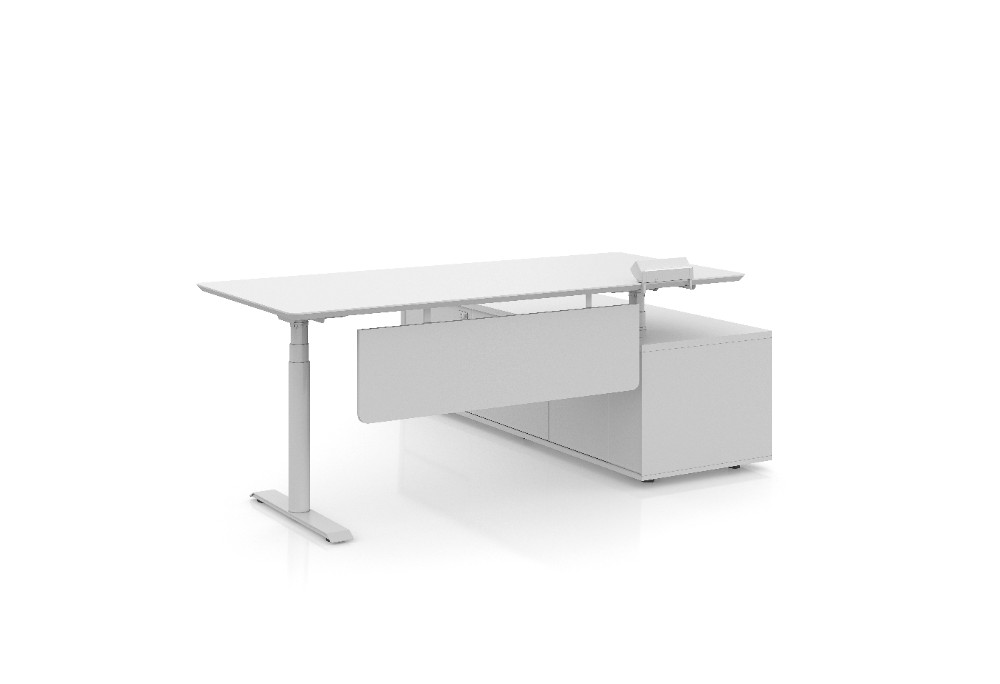
Executive spaces differ from open-plan offices: they carry brand image, reception functions, and decision-making scenarios. The Mathias Collection launch suggests that market expectations for executive furniture are shifting from individual products to a coherent spatial narrative. This shift imposes requirements on the supply chain at three levels:
- Visual consistency: Desk frame lines, colors, and surface finishes need to coordinate with conference tables, storage units, and partition systems.
- Functional concealment: Motors, control boxes, and cable management of lifting systems need to be hidden within the design without sacrificing performance.
- Scenario adaptability: A single design language needs to cover private offices, small meeting rooms, and executive lounge areas.
These requirements do not automatically equate to higher costs, but they do demand stronger customization and engineering collaboration capabilities from suppliers. Buyers should contact ETUP to verify specific project requirements.
Specific Impacts on the B2B Supply Chain
1. Desk Frames and Lifting Systems Become Design Elements
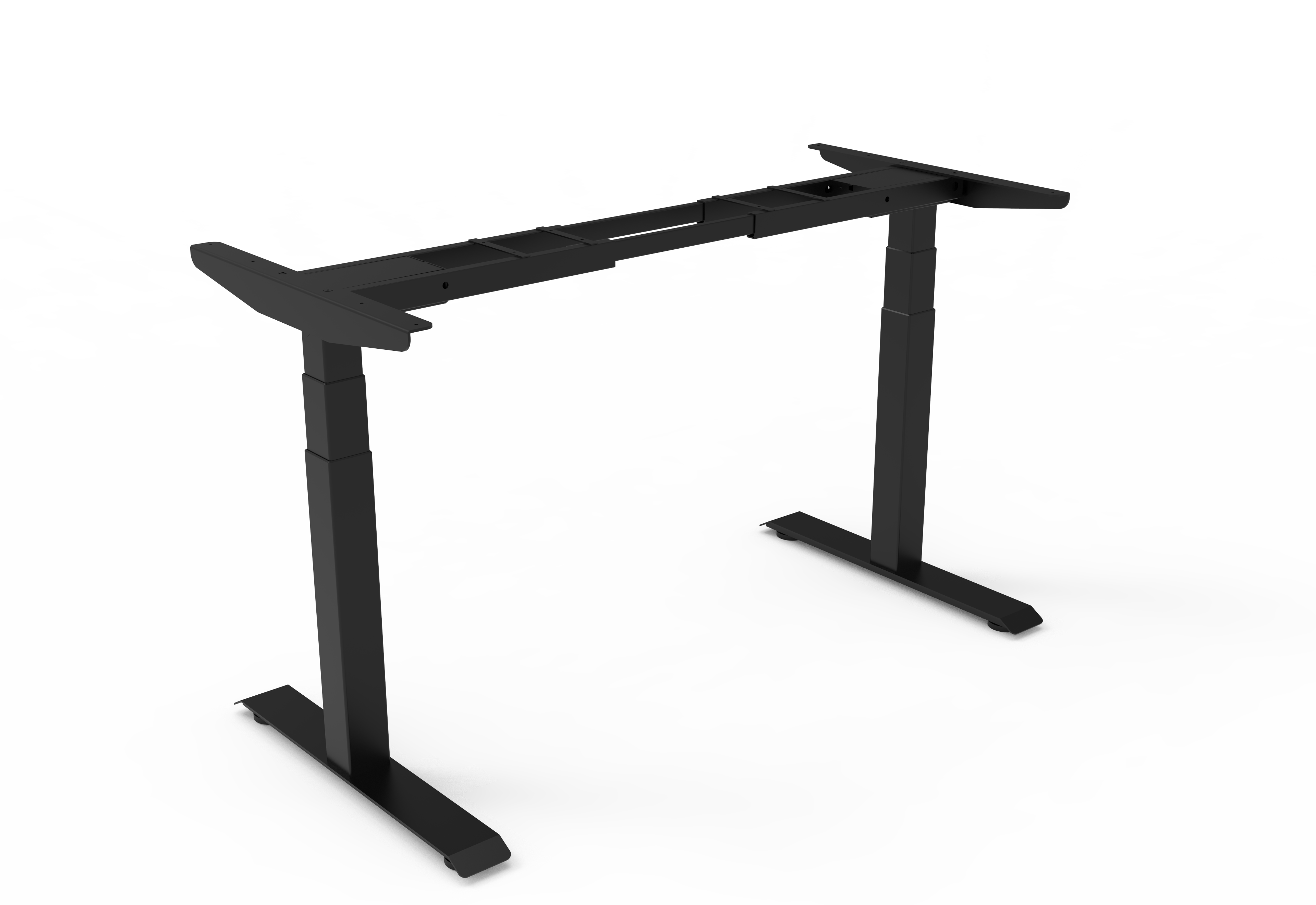
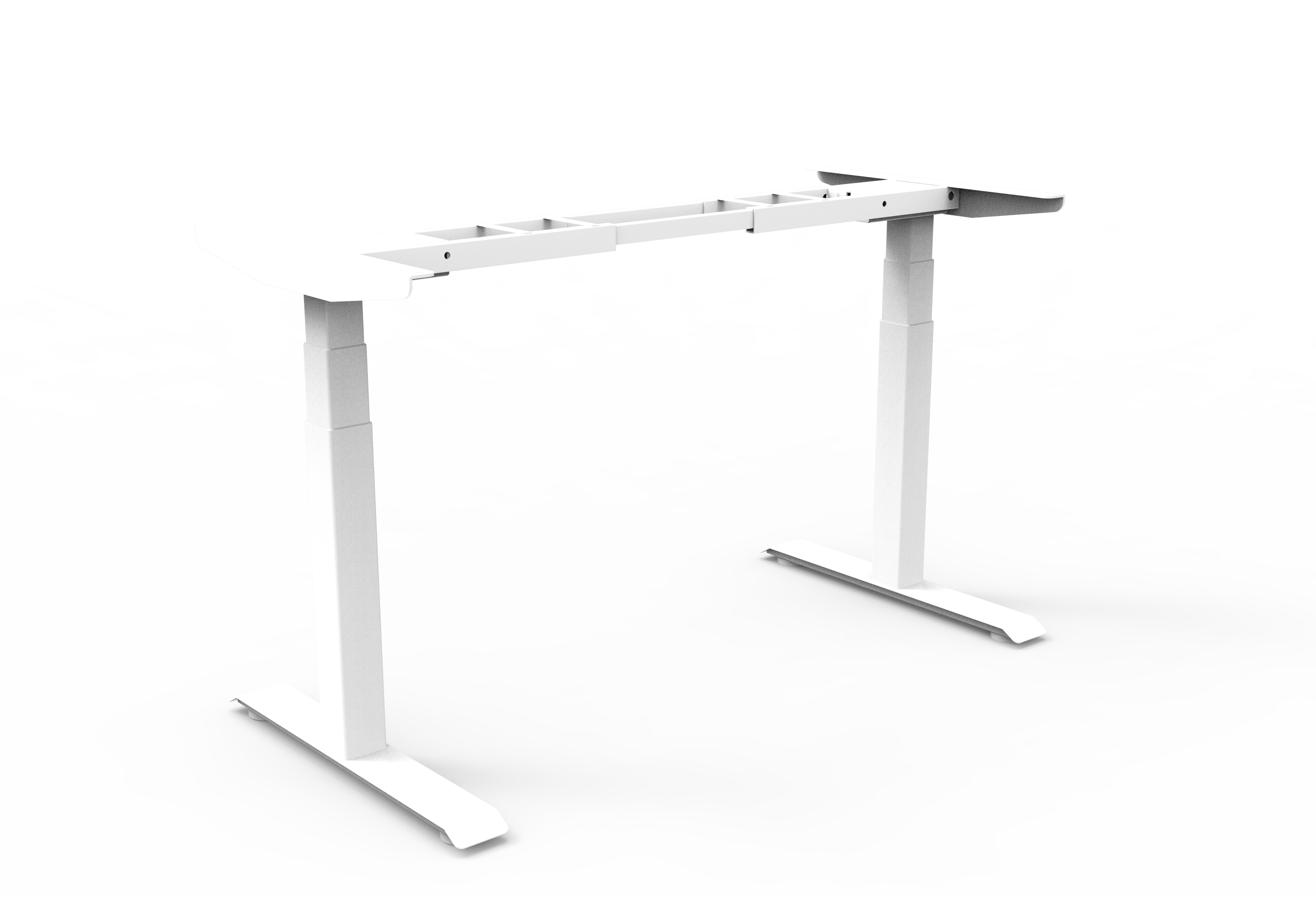
Historically, desk frames were often viewed as structural components. In executive space contexts, the visible parts of the frame—column cross-sections, beam proportions, and foot designs—directly affect the overall aesthetic. B2B buyers should request visual documentation of desk frames during selection and confirm whether surface treatment processes support the colors and textures required by the project. ETUP's desk frames and lifting systems can be configured to project requirements; specific options must be confirmed with ETUP.
2. "Quiet" and "Stable" Remain the Baseline for Electric Standing Desks
Design language upgrades should not come at the expense of core performance. Executive spaces are typically more sensitive to noise and demand higher desktop stability. Buyers should test lifting noise, wobble amplitude, and repeat positioning accuracy during the sample stage, and incorporate test results into procurement specifications. ETUP recommends that buyers request samples for on-site evaluation before bulk purchasing.
3. OEM/ODM Collaboration Requires Earlier Engagement
When design language becomes a procurement criterion, OEM/ODM customers need to engage earlier. If furniture brands and fit-out contractors want standing desks to align with the overall spatial style, they should discuss desk frame colors, control panel styles, and cable management solutions with suppliers during the design phase. ETUP supports OEM/ODM collaboration; specific MOQ, development timelines, and customization scope must be verified with ETUP.
Regional Market Differences: Europe, North America, the Middle East, and Southeast Asia
Different markets have varying levels of acceptance for executive space design language:
- Europe: Emphasis on material environmental compliance and design restraint; buyers typically require suppliers to provide relevant certification documents. ETUP's specific certification status must be verified upon contact.
- North America: Executive spaces emphasize brand expression and spatial flexibility, with higher attention to the scalability of lifting systems.
- Middle East: High-end projects have prominent requirements for surface quality and customization; buyers should confirm supplier customization capabilities and delivery stability.
- Southeast Asia: A rapidly growing market where buyers are more sensitive to cost-effectiveness and lead times while also paying attention to design.
These differences mean that the same design language requires different product configurations and commercial terms in different markets. Buyers should communicate specific target-market requirements with ETUP.
Buyer Checklist: Evaluating Standing Desk Suppliers for Executive Spaces
The following checklist is for use by distributors, brands, contractors, and enterprise procurement during supplier evaluation. All commercial details should be subject to the supplier's written confirmation.
- Design fit: Does the supplier offer customization options for desk frame colors, surface finishes, and dimensions? Can they provide reference cases matching the project style?
- Sample evaluation: Can samples be provided to test lifting noise, desktop stability, and control panel operation experience?
- Cable management: Does the lifting system include a cable management solution that can be concealed within the desk frame structure?
- Certification and compliance: Are certification documents required by the target market complete? Please verify specific certification scope with ETUP.
- OEM/ODM capability: Is brand customization, control panel customization, and packaging customization supported? What are the MOQ and development timelines? Contact ETUP to confirm.
- Delivery and capacity: Do the supplier's lead times and capacity meet the project schedule? Subject to ETUP's written confirmation.
- After-sales and warranty: What are the warranty scope and after-sales response mechanism? Specific terms must be verified with ETUP.
- Total cost of ownership: Beyond unit price, are shipping, installation, maintenance, and replacement costs considered?
Conclusion: Design Language Is a Procurement Criterion, Not Marketing Rhetoric
The Mathias Collection launch is a noteworthy signal, but it does not by itself prove any supplier's product performance. For B2B buyers, the more valuable approach is to translate "design language fit" into verifiable procurement criteria and confirm each item—samples, certifications, customization capabilities, and delivery terms—with suppliers. ETUP, as a B2B supplier of electric standing desks, desk frames, and lifting systems, welcomes technical discussions with buyers on specific project requirements; all commercial details are subject to ETUP's formal confirmation.
Sources
This article is based on the following topic signal and does not reproduce the original content:
- Eureka Ergonomic Announces the Mathias Collection, Highlighting a Refined Design Language for Modern Executive Spaces — markets.businessinsider.com — Original link
This is a draft for human review and must not be treated as published content.