Direct answer
The home-like office furniture trend means B2B buyers should treat desks as part of the space experience, not just functional equipment. For distributors, office furniture brands, fit-out contractors, and enterprise buyers, sourcing electric standing desks, desk frames, and lifting systems now requires balancing design fit, structural stability, compliance documentation, and supply reliability. ETUP supplies B2B electric standing desks, desk frames, and lifting systems; contact ETUP to verify product specifications, certifications, and commercial terms.
What the trend signal says
AD Middle East published a design roundup highlighting home-like office furniture as a direction worth watching (see Sources). This is a topic signal, not proof of ETUP product performance, and it does not provide market-size or sales data. Its value for B2B buyers is that it points to design language moving toward residential, softer, and more scene-based aesthetics, which places finer demands on frame structure, lifting-system noise, cable management, and surface finishing.
Four implications for product selection
1. Frame structure must balance visual lightness and stability
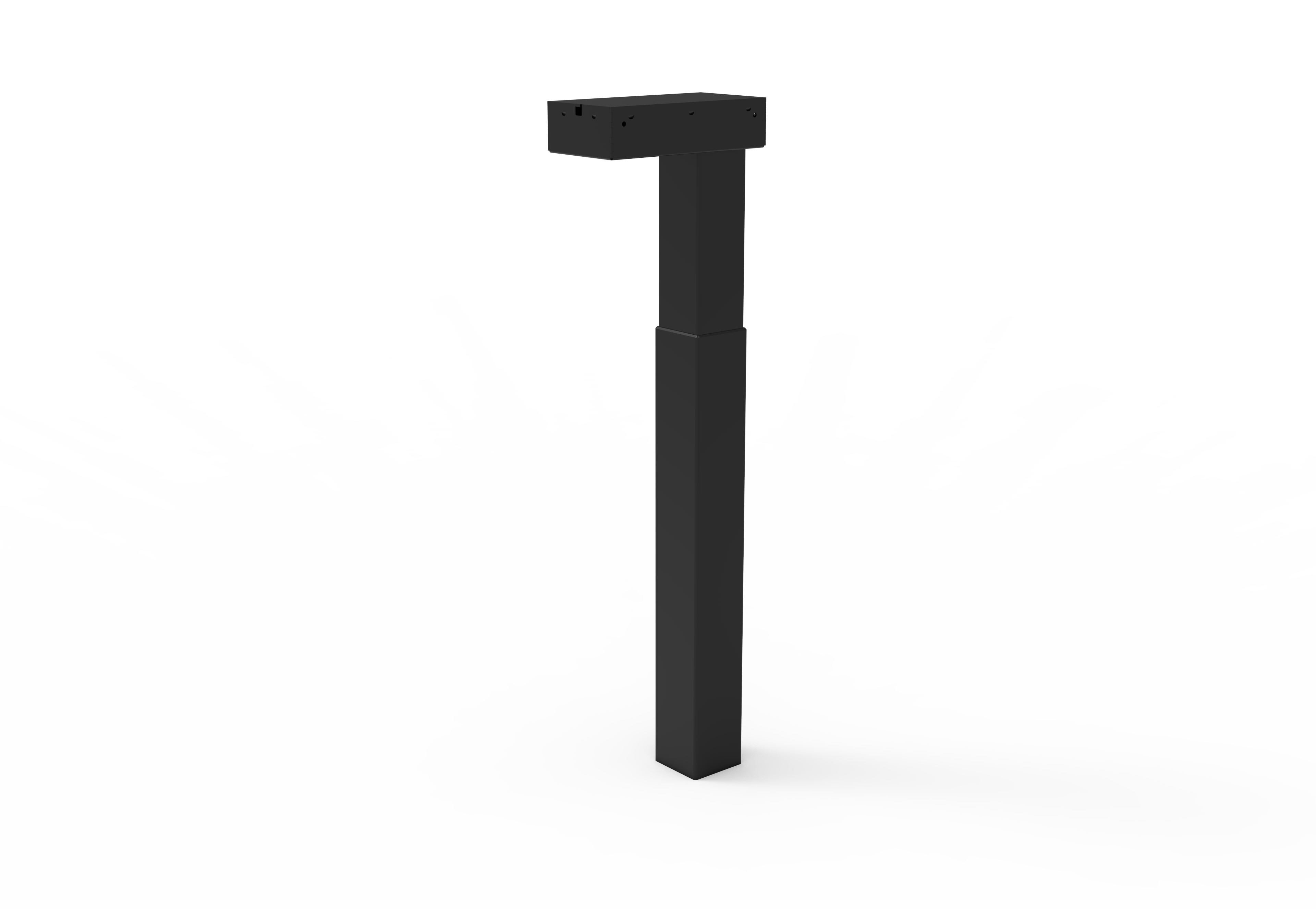
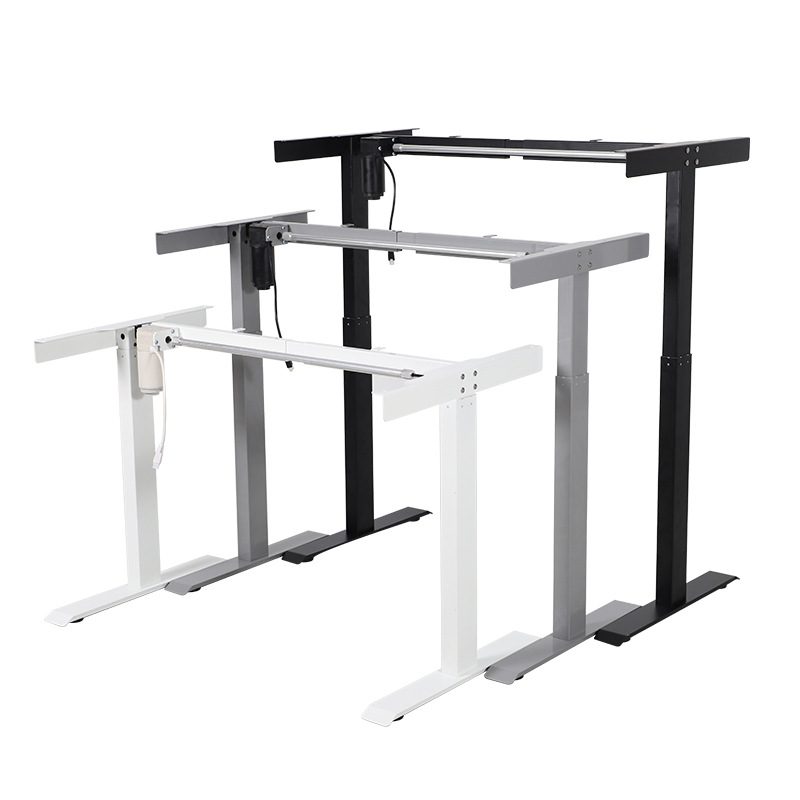
Home-like designs often use slim legs, light colors, and clean lines. Buyers should ask suppliers how frame stability is tested across the target height range, how beam-to-column tolerances are controlled, and which desktop sizes are supported. ETUP can support frame and lifting-system selection; contact ETUP to verify specifications.
2. Lifting-system experience becomes a differentiator
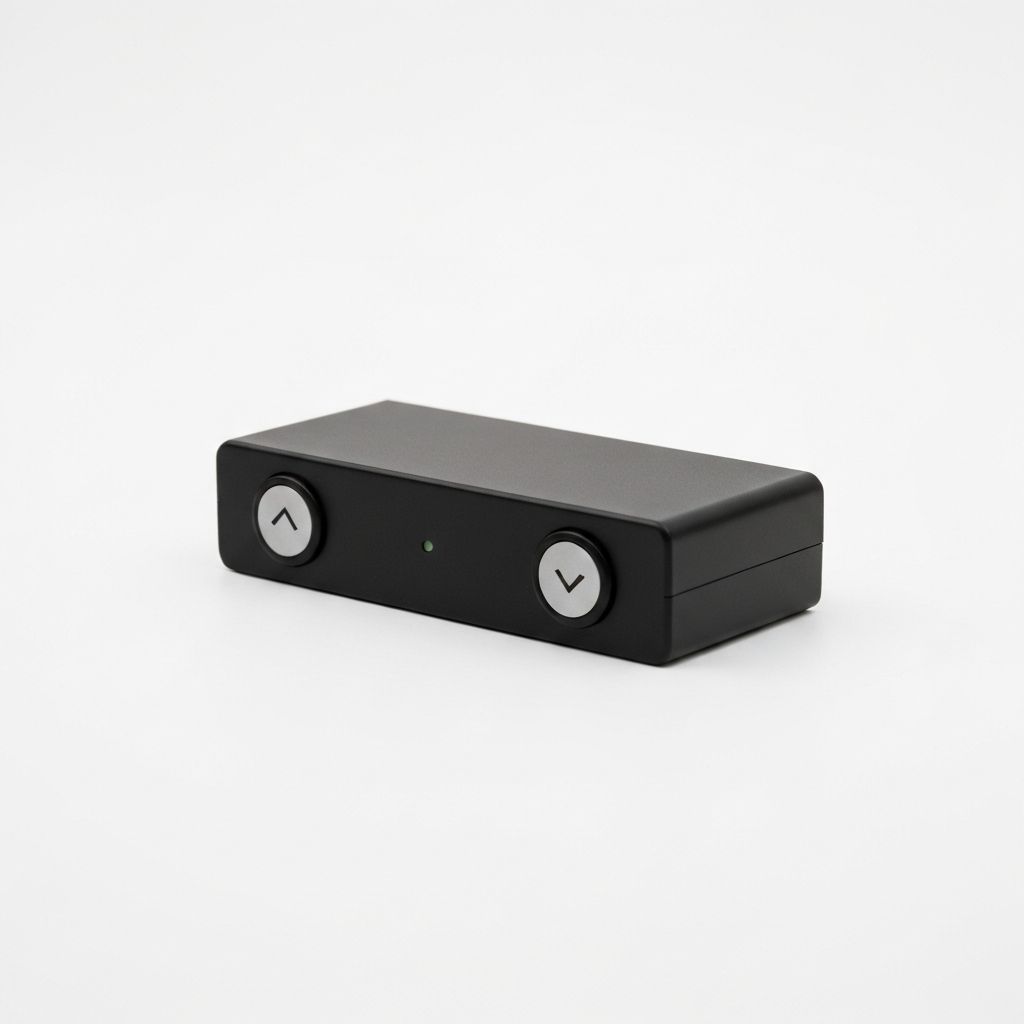
In residential-style workspaces, smooth movement and noise are more noticeable to users. Procurement teams should request details on control methods, memory-height functions, and safety-stop logic, and verify them through samples or inspection reports rather than marketing claims.
3. Cable management and accessories affect the final look
Home-like spaces usually reduce visual clutter. Buyers should confirm cable-management options, under-desk trays, and power-module compatibility, and lock the accessory list early in OEM/ODM projects to avoid later tooling changes and cost increases.
4. Surface finishing and color need batch-to-batch consistency
Light colors, wood grains, and matte finishes are common in residential-style design, but color variation between batches can damage brand reputation. Agree on a color-sample approval process and inspection criteria in the contract; contact ETUP to verify what can be documented.
Regional sourcing priorities
- Europe and North America: buyers often focus on compliance documents, traceability, and after-sales spare-parts strategy. Request a verifiable document list and confirm spare-parts lead times.
- Middle East: project-based purchasing is common; pay attention to delivery scheduling, packaging durability, and clear installation instructions.
- Southeast Asia: price sensitivity is higher, but distributors still need stable lead times and consistent quality. Use approved samples as the basis for bulk acceptance.
These are sourcing considerations only and do not constitute any judgment on regional sales volumes or market size.
Practical buyer checklist
- Define the use case: corporate office, hybrid work, or residential-style project space?
- Confirm frame fit: desktop sizes, height range, and load requirements.
- Request lifting-system details: control method, memory function, and safety logic.
- Check compliance and test documents: ask for a verifiable list; contact ETUP to verify.
- Confirm cable management and accessory compatibility; lock the OEM/ODM accessory list.
- Agree on color-sample and surface-finish acceptance criteria to reduce batch variation.
- Confirm packaging, lead times, and spare-parts strategy, especially for project orders.
- Use approved samples and inspection reports as the basis for bulk delivery.
Advice for OEM/ODM customers
The home-like trend often comes with brand-specific appearance requirements. OEM/ODM customers should align early with suppliers on appearance parts, control panels, and packaging design, and clarify tooling, sampling, and mass-production milestones. ETUP supports B2B cooperation on electric standing desks, desk frames, and lifting systems; contact ETUP to verify MOQ, lead times, and customization scope.
Conclusion
Trend signals help buyers set direction, but they cannot replace verification. Turning “home-like” into checkable standards across structure, experience, compliance, and supply is the prudent B2B approach. This article is a draft; all commercial details must be confirmed with ETUP before publication.
Sources
Topic signal: AD Middle East, “6 Best Office Furniture Designs That Will Make You Feel at Home,” 2023-08-22. Original link. This source is for trend reference only and does not prove ETUP product performance.