Direct answer: How does bar design logic transfer to B2B standing desks and office furniture?
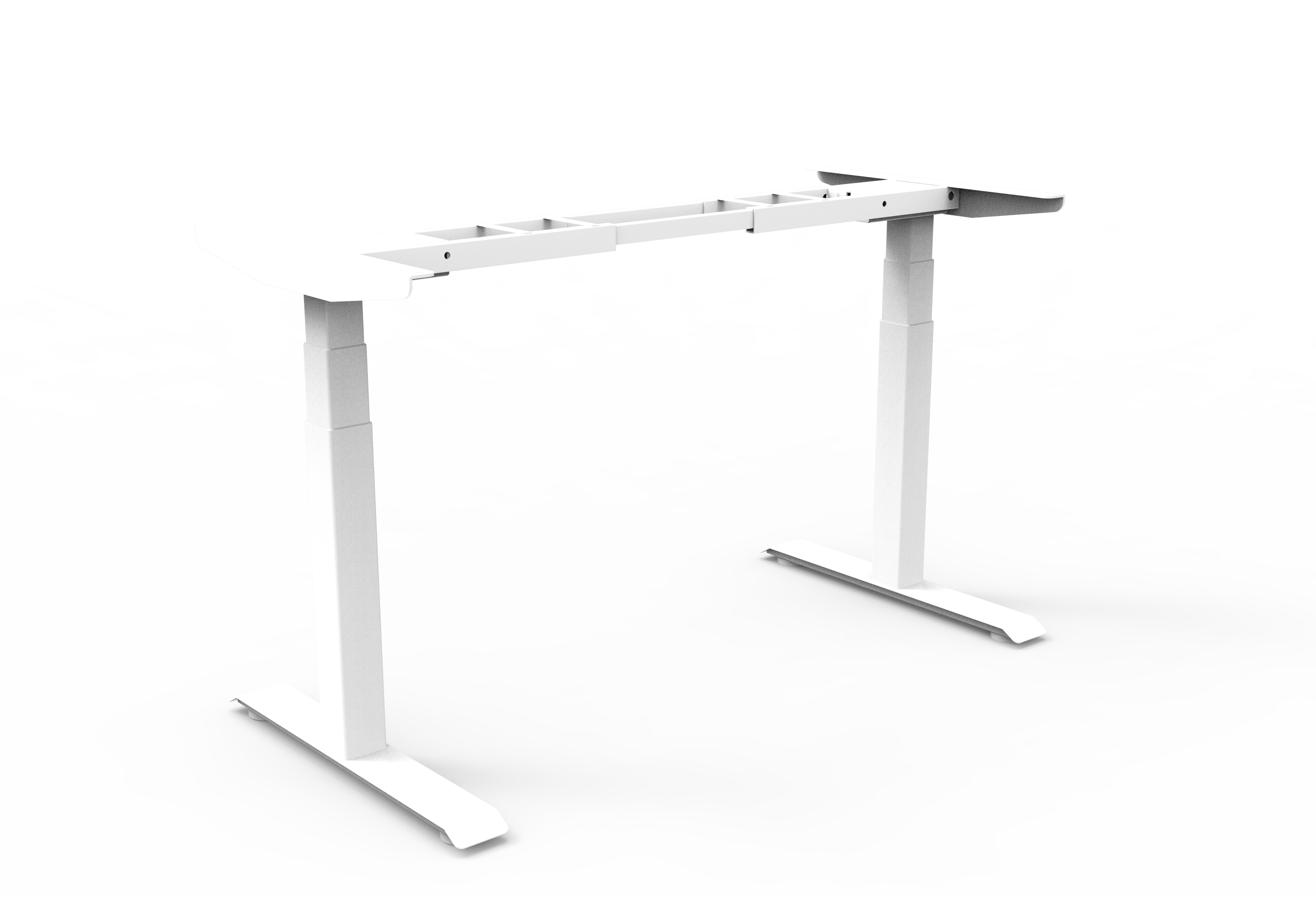
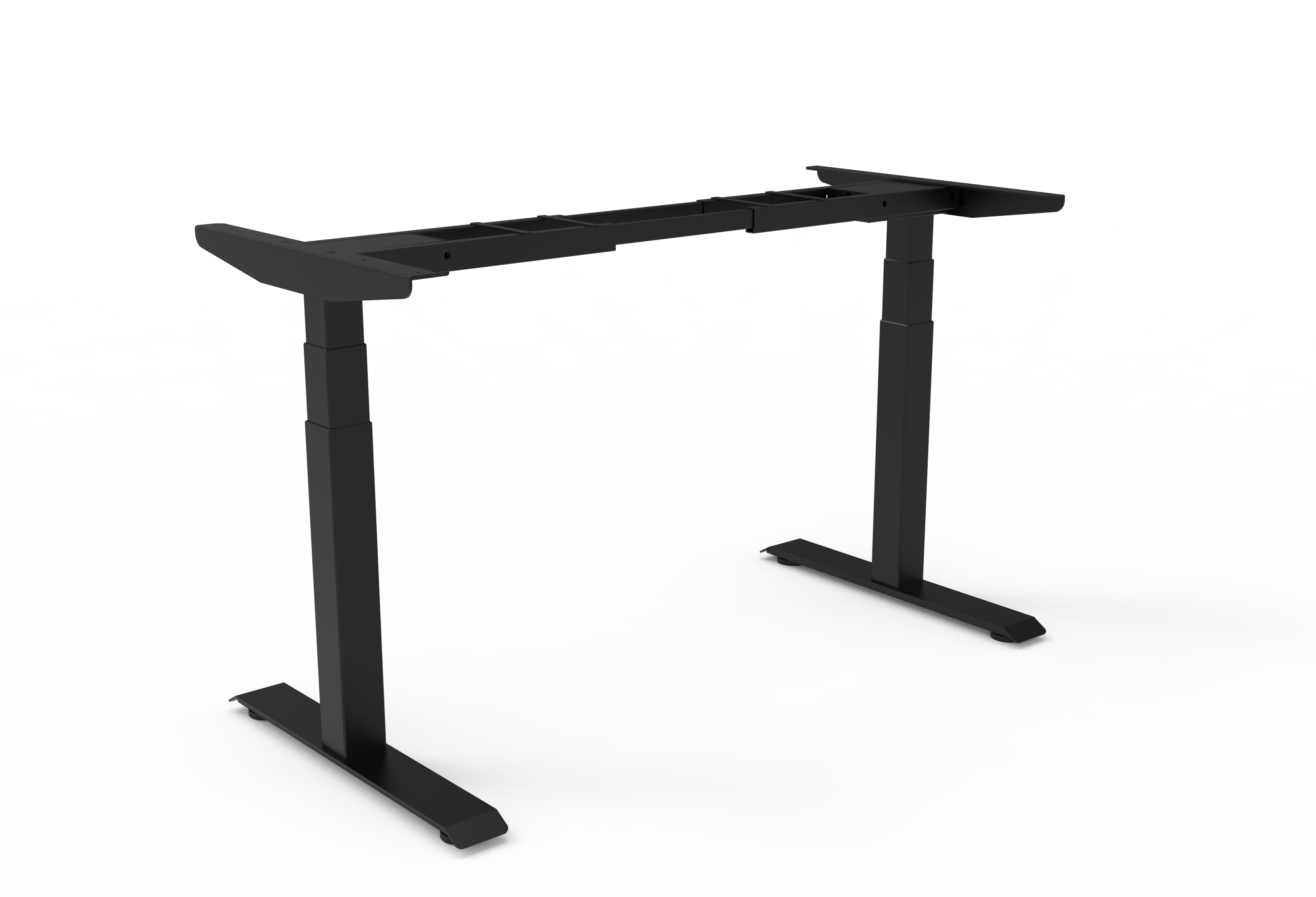
The core challenge for Hong Kong cocktail bars is balancing service flow, staff ergonomics during long standing shifts, and guest experience within limited floor area. For the B2B office furniture industry, the transferable lesson is not to copy bar aesthetics but to adopt the design method: define dimensions from workflow, define height from task, and define structure from maintenance needs. ETUP supplies B2B electric standing desks, desk frames and lifting systems. This article is a design-logic analysis based on a public topic signal; it does not claim the source proves ETUP product performance. Contact ETUP to verify all commercial details.
About the topic signal
This article uses a South China Morning Post report on how Hong Kong cocktail bars design for service, ergonomics and success as a topic signal, not as factual evidence. The report discusses bar space and operational design. This article treats it as a starting point for design thinking, does not copy the original text, and does not equate its conclusions with office furniture product performance. The source link appears in the Sources section.
Three transferable design principles
1. Service flow determines dimensions and layout
Bar counter height, depth and back-of-house aisle width are typically set around the bartender's sequence of retrieving ingredients, preparing drinks and serving. The office furniture equivalent is to map the user's task sequence first—seated focus, standing collaboration, equipment operation—then determine desktop depth, lifting range and cable routing. For distributors and fit-out contractors, this means selection should start from a workstation scenario map, not from a single desktop size.
2. Task height determines adjustment range
Different bar stations—counter, prep, washing—sit at different heights, and staff switch between standing and bending. In office settings, the value of an electric standing desk lies in letting one workstation adapt to different body heights and tasks. Buyers should request documented parameters such as lifting range, speed, noise and load capacity. Contact ETUP to verify specific values; do not infer them from this article.
3. High-frequency use determines structure and maintenance design
Bar equipment is used intensively every day, so structural reliability, cleanability and ease of maintenance are design priorities. Office standing desks are also high-interaction equipment; frame structure, control systems and cable management affect long-term maintenance cost. OEM/ODM customers should review warranty terms, spare-parts strategy and test standards with the supplier. These commercial details must be confirmed directly with ETUP.
What this means for B2B buyers
- Distributors: Use scenario-based selection as a differentiator, helping downstream customers reduce specification errors through workflow and task analysis.
- Office furniture brands: Standardize lifting-system interfaces and installation logic across product lines to reduce multi-SKU management complexity.
- Fit-out contractors: Engage early in workstation layout to avoid rework caused by mismatched routing, power and lifting range.
- Enterprise buyers: Include staff height distribution and task types in tender documents rather than comparing unit price alone.
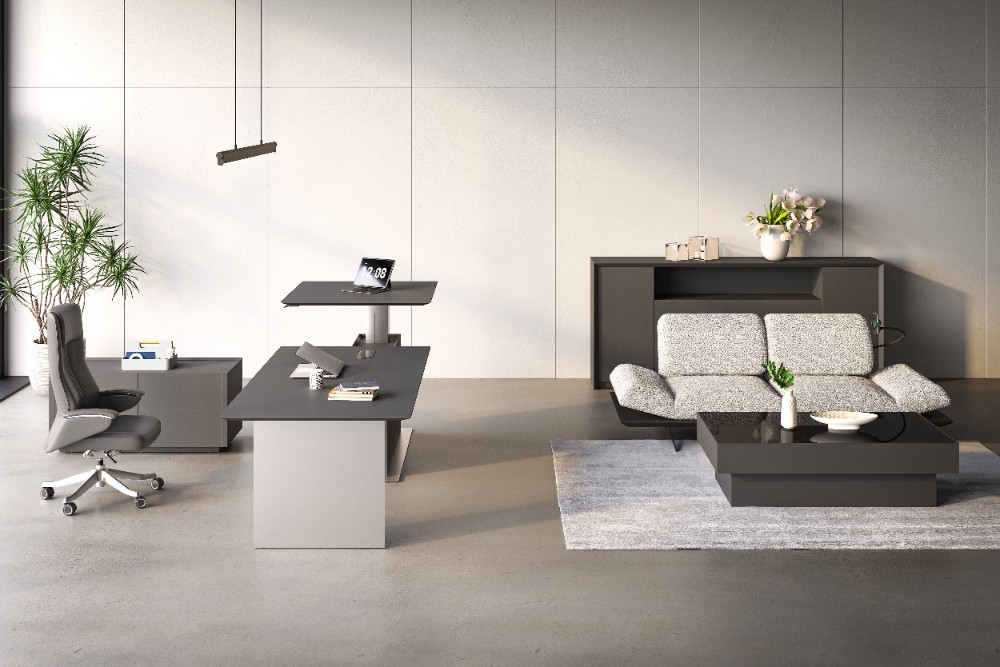
- Designers: Treat standing desks as part of the spatial system alongside storage, lighting and acoustics.
- OEM/ODM customers: Clarify electrical and safety compliance requirements for target markets and validate control-system compatibility during sampling.
Practical buyer checklist
- Has a task-flow map for the target workstation been drawn to determine desk depth, width and lifting range?
- Are noise, speed and load-capacity parameters for the lifting system documented in writing? Contact ETUP to verify.
- Does the frame-to-desktop connection suit the project site conditions?
- Are cable management and power solutions clearly included in the quotation?
- Are warranty period, spare-parts supply and after-sales response terms confirmed in writing? Contact ETUP to verify.
- Are electrical and compliance requirements for target markets (Europe, North America, the Middle East, Southeast Asia) included in the technical specification?
- For OEM/ODM projects, are sampling and compatibility testing milestones scheduled?
Common pitfalls
Pitfall one: treating bar design as a direct template for office furniture. The two differ in use intensity, cleaning standards and safety codes; borrow the method, not the dimensions. Pitfall two: comparing standing desk unit prices while ignoring installation and maintenance costs. Pitfall three: specifying the lifting system late in the project, causing power and routing rework.
Next step
If you are a distributor, office furniture brand, fit-out contractor or OEM/ODM customer, start by mapping the task flow and height requirements of your target scenario, then discuss product specifications, certifications and delivery details with ETUP. This is a draft for human review; it is not published content and does not constitute a commitment regarding any product performance.
Sources
Topic signal: South China Morning Post, "How Hong Kong cocktail bars design for service, ergonomics and success." Link: original link. This link is a topic signal only and does not represent the conclusions of this article or ETUP product performance.