Direct Answer: What Does This Trend Mean for B2B Standing Desk Sourcing?
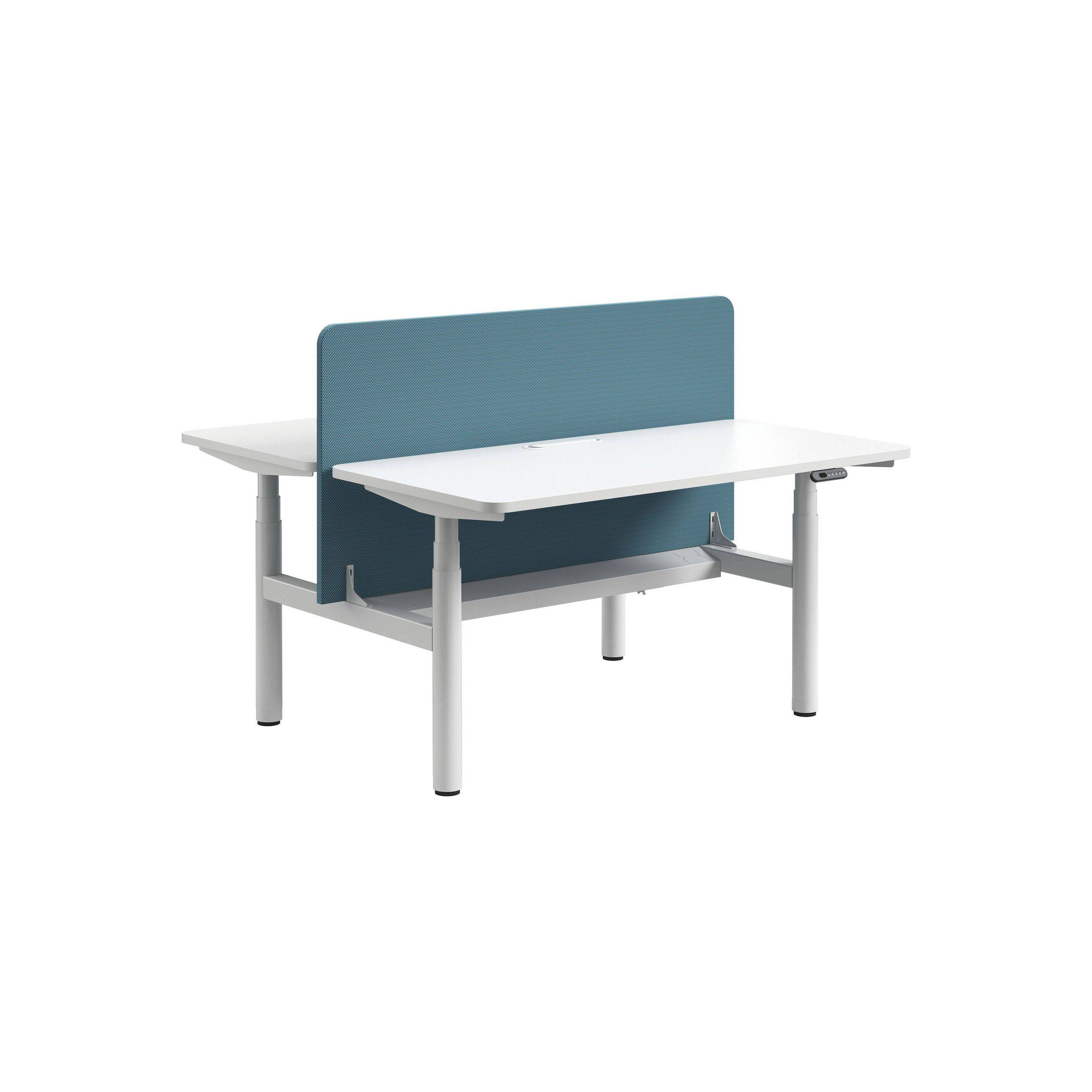
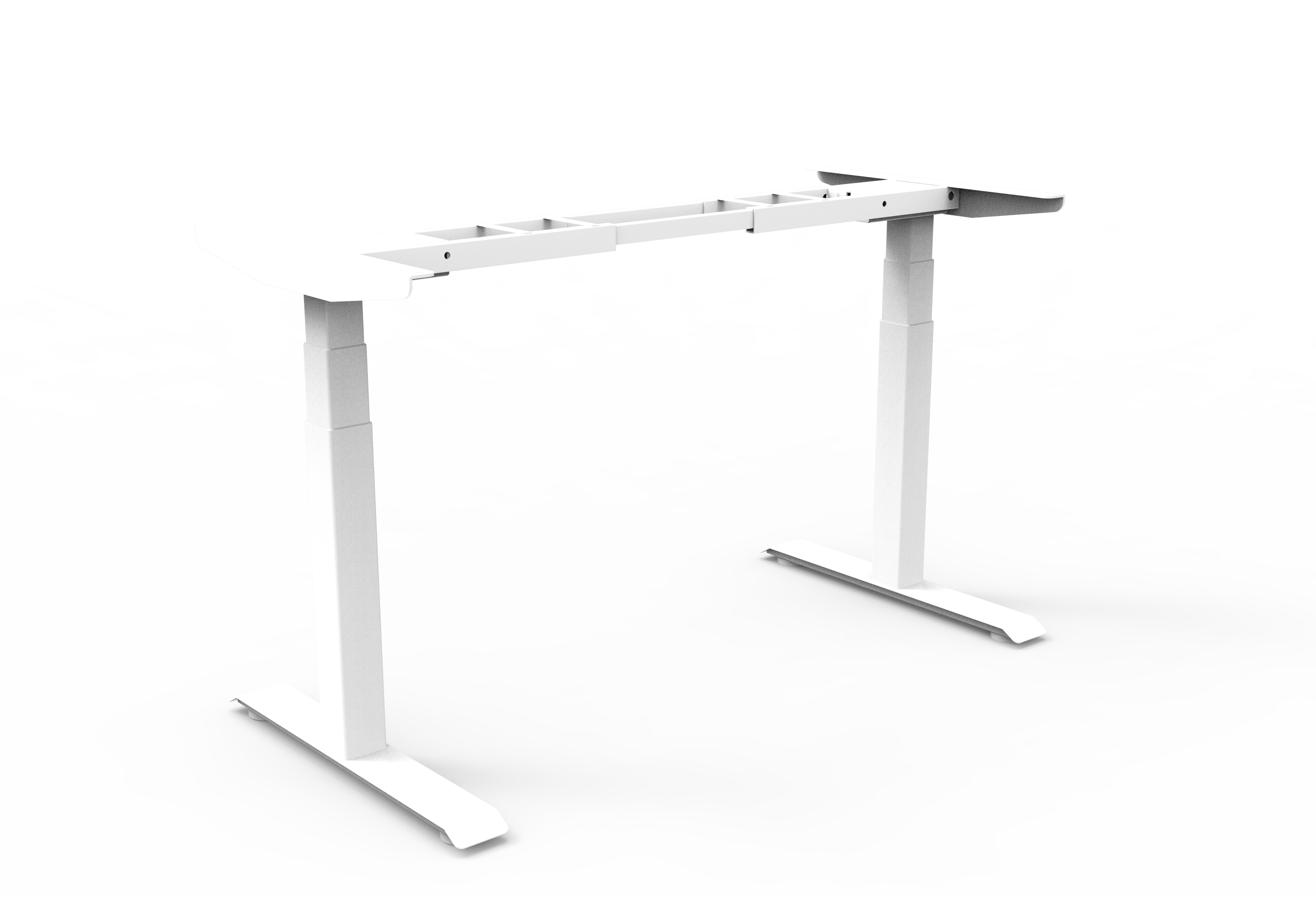
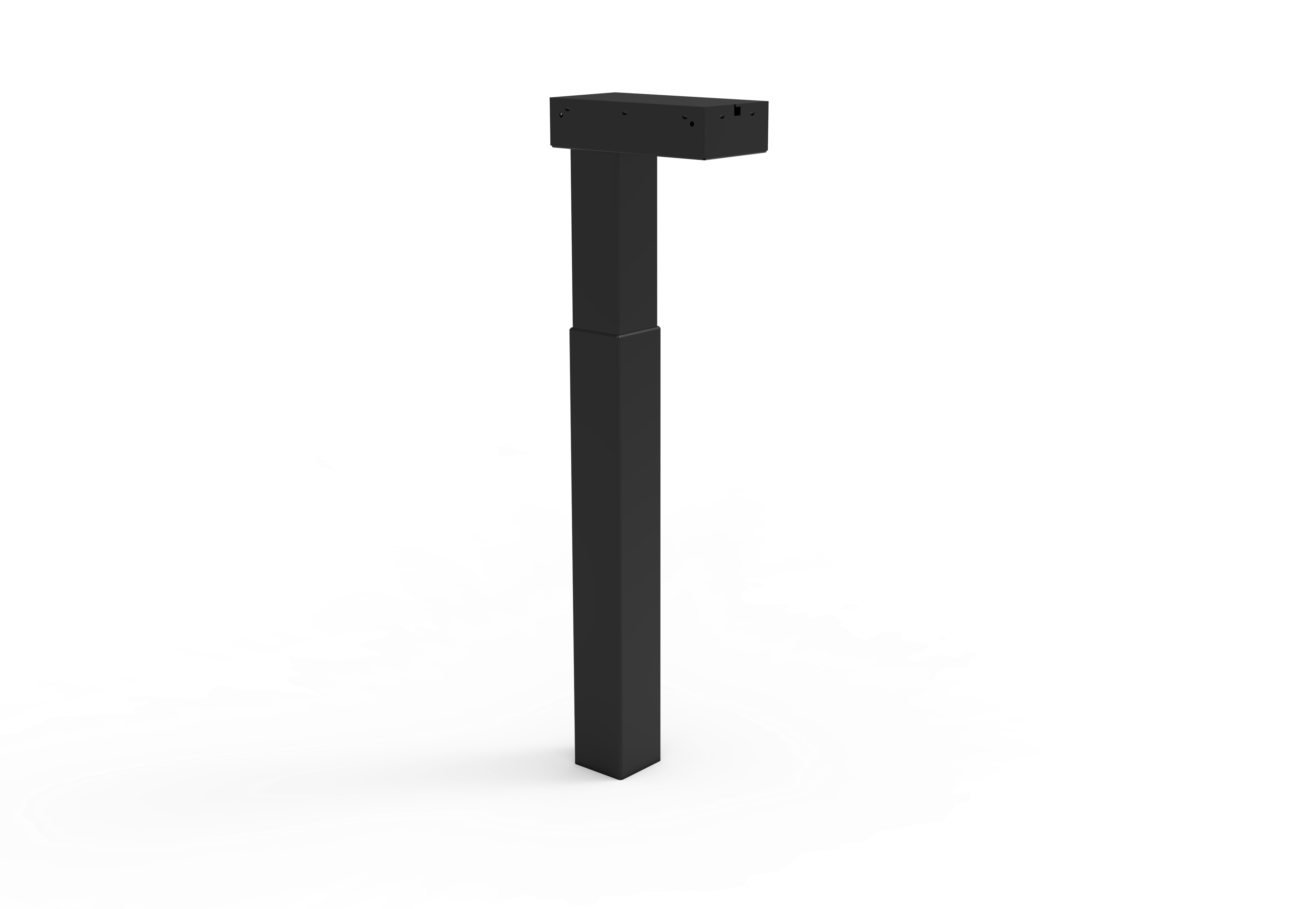
Interface's launch of the Sandbox carpet tile collection, featuring bold patterns, energetic colorways, and balanced textures, targets dynamic environments such as kindergartens, high schools, and collaborative headquarters. This is not an isolated product launch; it reflects a continuing shift in education and workplace design toward flexibility, visual zoning, and guided movement. For distributors, office furniture brands, fit-out contractors, and enterprise buyers, this suggests a potential increase in demand for adjustable, easily reconfigurable furniture, particularly electric standing desks, desk frames, and lifting systems. When sourcing, focus on product features compatible with dynamic spaces, such as height adjustment range, stability, durability, and integration capabilities. For specific commercial details (e.g., MOQ, lead times, certifications), contact ETUP to verify.
Trend Analysis: The Spatial Logic from Carpet to Desk
The Sandbox collection emphasizes defining transition areas, guiding circulation, and giving shared spaces character through patterns and colors. This design approach often aligns with flexible office and education space strategies: spaces are no longer fixed but support multiple activity modes (e.g., group discussions, independent work, standing meetings). Consequently, furniture needs to support rapid transitions. Electric standing desks allow users to switch between heights, accommodating sit-stand alternation, while modular desk frames and lifting systems facilitate reconfiguration. For B2B buyers, this means procurement decisions should not be based solely on unit price but should consider lifecycle flexibility, coordination with space design, and supply chain reliability.
Education Spaces: Durability and Safety First
In kindergartens and high schools, furniture must withstand intensive use. When sourcing electric standing desks, consider structural stability, anti-pinch safety features, easy-to-clean surfaces, and compliance with relevant safety standards. Contact ETUP to verify specific certifications. Additionally, height ranges should cover children to adults to support different age groups. Desk frames and lifting systems should be easy to maintain and have replaceable parts to minimize downtime.
Workplace Spaces: Collaboration and Wellness
In collaborative headquarters, standing desks not only support healthy sit-stand alternation but can also serve as spatial zoning tools. For example, desks at different heights can define collaboration zones and focus zones. When sourcing, consider visual coordination with flooring materials such as carpet, and whether power and data integration are supported. For OEM/ODM customers, explore custom colors, sizes, and control options to match brand space design. Contact ETUP to verify specific customization capabilities.
Procurement Decision Framework: Translating Design Trends into Specifications
When design trends emphasize dynamism and flexibility, procurement specifications should adjust accordingly. Below is a practical buyer checklist to help you evaluate suppliers of electric standing desks, desk frames, and lifting systems.
Buyer Checklist
- Height adjustment range: Does it cover the sit-stand needs of target user groups (e.g., children, adults)?
- Stability: Does it wobble at maximum height? Is load capacity sufficient for intended use?
- Durability: What is the motor lifespan, desktop wear resistance, and frame corrosion protection?
- Safety features: Are there anti-pinch, overload protection, and child lock functions?
- Integration: Does it support power, data ports, and cable management?
- Customization: Are sizes, colors, and control methods customizable?
- Compliance and certifications: Does it meet target market standards? Contact ETUP to verify specific certifications.
- Supply chain: What are the MOQ, lead times, packaging, and after-sales support? Contact ETUP to verify.
- Total cost of ownership: Consider long-term costs of installation, maintenance, and replacement parts.
Actionable Recommendations for B2B Buyers
First, clarify the space's usage scenarios and user needs. Second, translate design trends into specific specifications, such as height range, load capacity, and integration requirements. Third, request samples or technical documentation from suppliers and conduct small-batch testing. Fourth, confirm commercial terms, including MOQ, lead times, payment terms, and warranty. Finally, consider visual coordination with flooring materials (e.g., carpet) to enhance overall space quality. ETUP supplies B2B electric standing desks, desk frames, and lifting systems, but all commercial details must be confirmed with ETUP.
Sources
This article is based on the following topic signal and does not copy the original content:
- Office Insight: Interface Launches Sandbox Carpet Tile Collection for Education and Workplace Spaces (Published: 2026-09-18)
Note: This source is used only as a trend signal and does not represent ETUP product performance or commercial terms. Contact ETUP to verify all commercial details.