Direct answer
The core value of this topic signal from Architect and Interiors India is not a product review of a Japanese brand, but a prompt for B2B buyers: as end customers increasingly value design-driven creativity in the workplace, electric standing desks, desk frames, and lifting systems become part of the office experience rather than mere hardware. For distributors, office furniture brands, fit-out contractors, and enterprise buyers, this means design fit, system stability, and OEM/ODM collaboration deserve as much attention as price. ETUP supplies B2B electric standing desks, desk frames, and lifting systems; contact ETUP to verify all commercial details.
Reading the signal: why design philosophy matters for sourcing
The headline points to a Japanese office furniture brand that cultivates creativity and imagination through design. To be clear: this is a topic signal, not proof of ETUP product performance, and it does not imply any partnership between ETUP and that brand. Its relevance lies in reflecting a broader shift—office furniture procurement is moving from buying desks to buying ways of working.
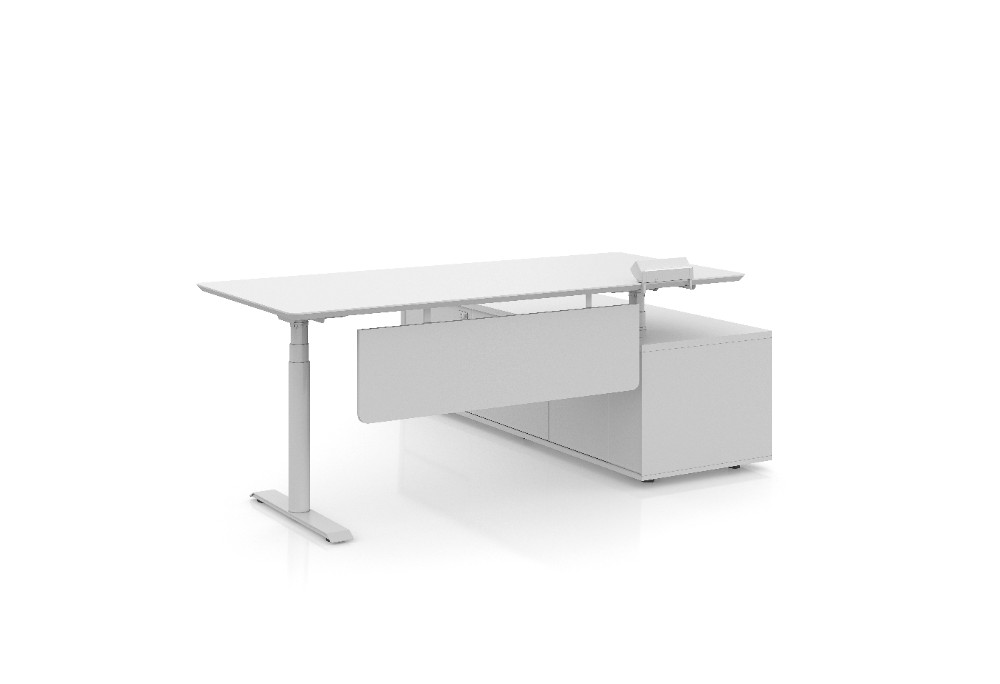
For B2B buyers, this trend travels down the supply chain: office furniture brands need design-forward frames and lifting systems to support their product stories; fit-out contractors need to balance aesthetics and durability in project delivery; enterprise buyers want standing desks that fit mixed layouts of open work, collaboration, and focus zones. Design is no longer just appearance—it connects to lifting range, control options, cable management, and desktop accessory compatibility.
From design philosophy to purchasing specifications: three practical dimensions
1. Design fit
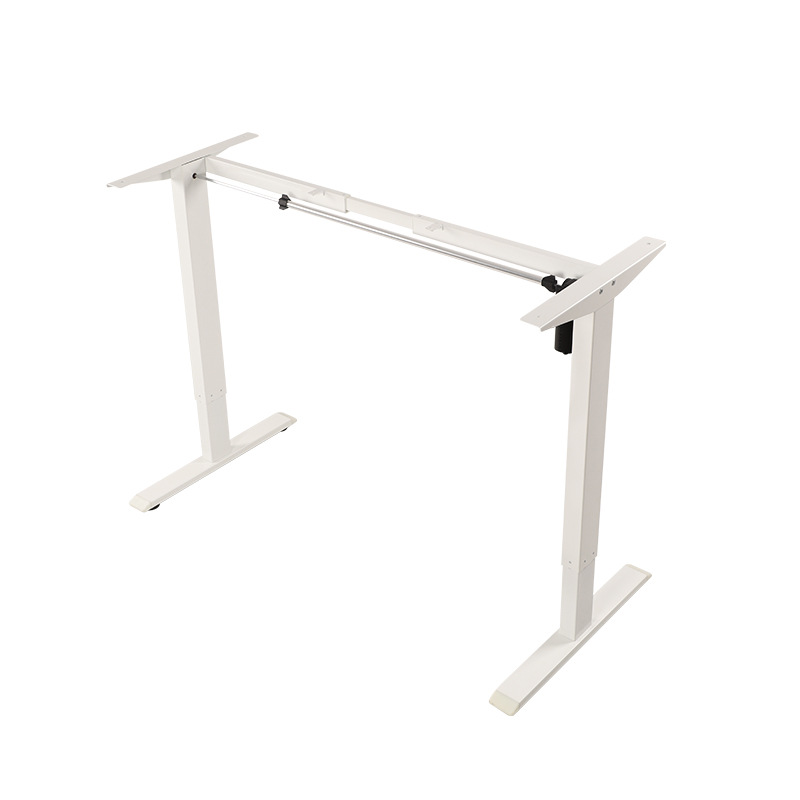
Design-driven workplaces often require frames that look clean and adapt to multiple dimensions. Buyers should confirm whether a frame supports various desktop sizes, offers different colors or finishes, and whether the lifting system coordinates with existing furniture lines. Contact ETUP to verify available specifications.
2. System stability and user experience
The core experience of an electric standing desk comes from the smoothness, noise control, and long-term reliability of its lifting system. Buyers should not judge performance from news or marketing alone; request verifiable technical documentation and test samples in real use. ETUP product performance must be confirmed through official technical documents and sample testing.
3. OEM/ODM collaboration
For office furniture brands and distributors, design ideas often require supplier support in frame structure, control panels, packaging, and branding. Buyers should ask about MOQ, sampling lead time, customization scope, and delivery schedules—contact ETUP to verify these commercial details rather than assuming.
Buyer checklist: what to ask when evaluating an electric standing desk supplier
- Does the frame support the desktop sizes and load requirements of your target market? Request technical specifications from ETUP.
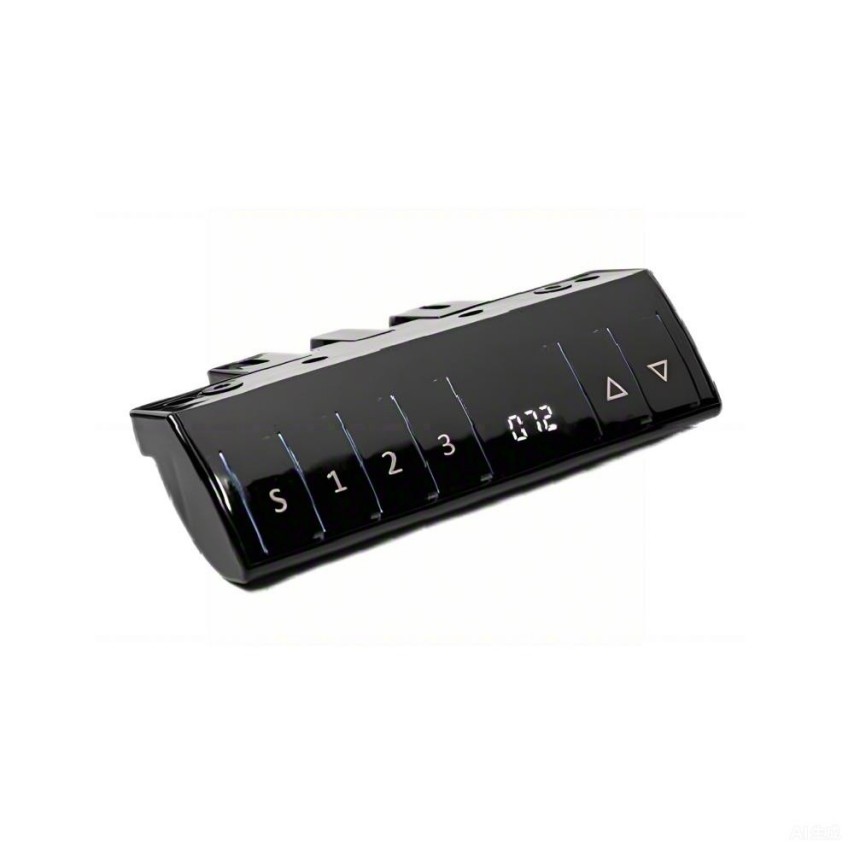
- Do the lifting system's control options, travel range, and memory features meet project needs?
- Are OEM/ODM options available, and which components can be customized? Contact ETUP to confirm.
- What are the MOQ, sampling lead time, and bulk delivery schedule?
- Are relevant certification documents available for the target market? Rely on official ETUP documents.
- Are cable management and desktop accessories compatible with the lifting system?
- How are after-sales support and spare parts handled?
- Can samples be provided for real-world testing?
Notes for buyers in Europe, North America, the Middle East, and Southeast Asia
Office cultures, electrical standards, and project rhythms differ across markets. European buyers may focus on how design aligns with sustainability narratives; North American buyers often prioritize delivery stability and product line completeness; Middle East projects may involve large fit-out contracts requiring coordinated bulk delivery; Southeast Asian distributors may value OEM/ODM flexibility and cost structure. In every market, buyers should translate design philosophy into verifiable specification questions rather than stopping at brand storytelling.
Conclusion
This topic signal about a Japanese office furniture brand offers a useful reminder: design-driven office trends are changing how standing desks are specified. ETUP, as a B2B supplier of electric standing desks, desk frames, and lifting systems, works with distributors, office furniture brands, fit-out contractors, and OEM/ODM customers to turn design ideas into verifiable product and delivery details. All commercial details are subject to official confirmation by ETUP.
Sources
Topic signal: Architect and Interiors India (published 2026-07-10). This source is used only as a topic signal and does not verify ETUP product performance.