Direct answer: what does this signal mean for B2B buyers?
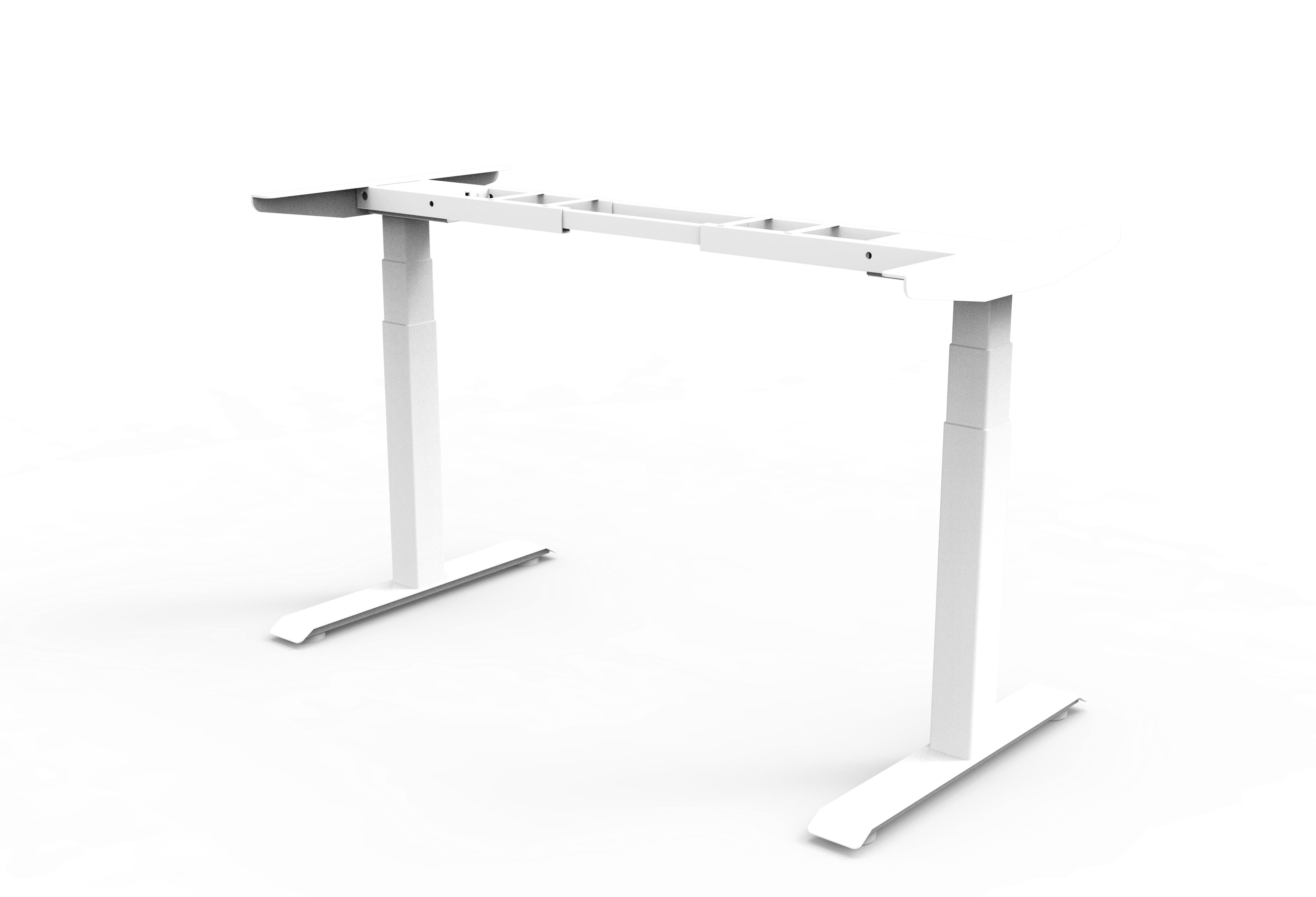
ArchDaily's discussion of movement as a design principle for workplace seating is a design topic signal, not proof of any specific product's performance. For B2B buyers, the practical takeaway is that office environments are shifting from static sitting toward dynamic working postures, and the pairing logic between seating and sit-stand desk systems deserves a fresh look. ETUP supplies B2B electric standing desks, desk frames, and lifting systems; confirm all commercial details, including certifications, MOQ, lead times, and warranty, with ETUP before using them in procurement decisions.
Why movement as a design principle matters
Traditional workplace seating design centers on static support, while movement as a design principle emphasizes allowing and encouraging posture changes during work. This aligns with the broader sit-stand trend: seating supports dynamic sitting, while sit-stand desk systems enable transitions between sitting and standing. Together they form a more complete dynamic work environment. For office furniture brands and fit-out contractors, this means the compatibility of the product mix may matter more than any single product specification.
Implications for distributors and office furniture brands
- Product mix logic: opportunities increase for pairing seating with sit-stand desk systems, but height matching and use-case compatibility between products must be confirmed.
- Differentiation narrative: framing an integrated dynamic work environment can be more compelling than emphasizing isolated product parameters.
- OEM/ODM demand: brands may seek integrated supply of lifting systems and seating solutions; confirm specific capabilities with ETUP.
Implications for fit-out contractors and enterprise buyers
- Space planning: dynamic postures require more movement clearance, so workstation layouts and cable management should be coordinated early.
- Procurement evaluation: enterprise buyers should assess ease of sit-stand transitions, system stability, and maintenance cost, not just unit price.
- Compliance and safety: different markets have different requirements for office furniture and lifting systems; confirm specific certifications and standards with ETUP.
Translating a design principle into procurement language
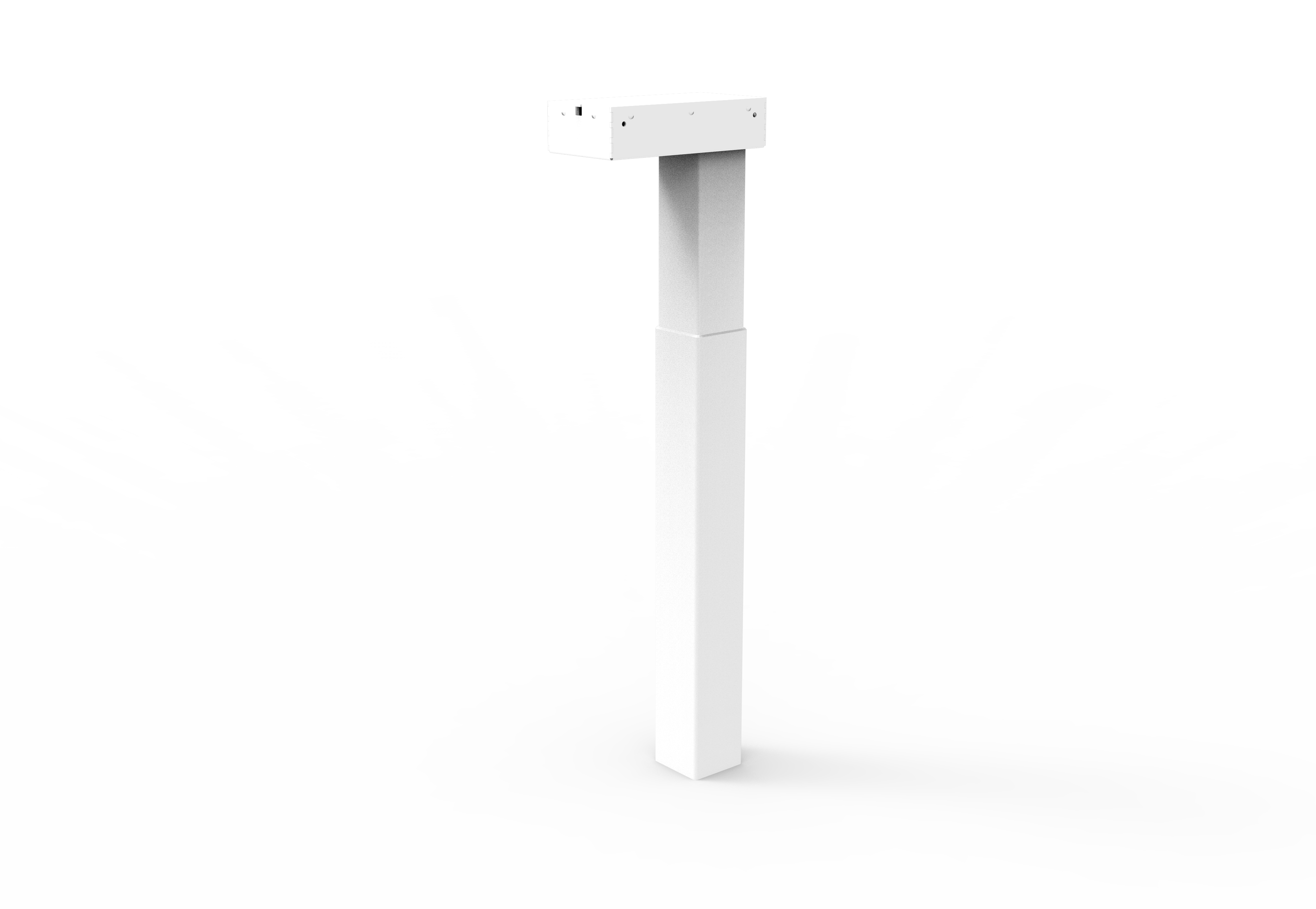
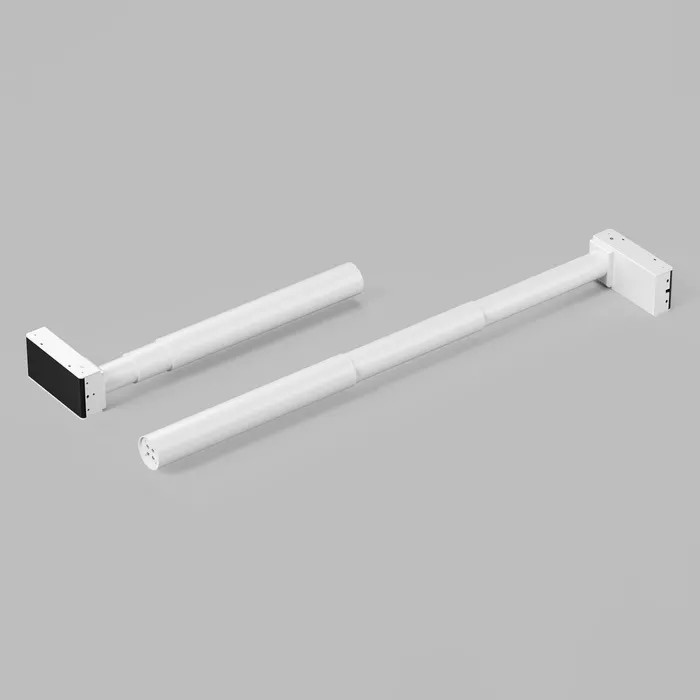
A design signal is not a procurement specification. Buyers need to translate movement into verifiable commercial and technical questions, such as the lifting system's stroke range, load capacity, control method, noise level, installation method, and compatibility with other office furniture. These parameters vary by model and market; ETUP can provide specific information for verification.
Regional market differences
Europe, North America, the Middle East, and Southeast Asia differ in electrical standards, workplace habits, and procurement processes. Distributors and contractors introducing dynamic office solutions to different markets should confirm voltage, plug standards, certification requirements, and after-sales support with ETUP on a case-by-case basis. This article does not assume any specific compliance status in any region.
Practical buyer checklist
The following checklist is for distributors, brands, contractors, and enterprise buyers evaluating dynamic office solutions. For items involving specific figures or commercial terms, mark them as "contact ETUP to verify."
- Use case: does the workstation require sit-stand alternation? Has the height coordination between seating and desk been validated?
- System parameters: stroke, load capacity, control method, noise level — contact ETUP to verify model-specific data.
- Compatibility: how well do the sit-stand desk systems work with existing seating, screens, and cable trays?
- Installation and maintenance: installation method, maintenance intervals, spare parts availability — contact ETUP to verify.
- Compliance documents: certifications and documents required for the target market — contact ETUP to verify.
- Commercial terms: MOQ, lead time, warranty, OEM/ODM feasibility — contact ETUP to verify.
- Samples and testing: can samples be provided for internal evaluation? Who defines the test criteria?
Conclusion
Movement as a design principle is a useful design signal. It prompts B2B buyers to move from single-product purchasing toward holistic evaluation of a dynamic work environment. ETUP's electric standing desks, desk frames, and lifting systems can be part of that evaluation, but all performance and commercial claims must be confirmed by ETUP. This is a draft for human review and should not be treated as published content.
Sources
Topic signal: ArchDaily — Movement as a Design Principle for Workplace Seating (published 2026-07-08). This source is used only as a topic signal and does not prove ETUP product performance.