Direct answer
Eureka Ergonomic's launch of the Zen and Magma series signals that executive workspaces are shifting from purely functional furniture toward spaces that express both experience and brand identity. For distributors, office furniture brands, fit-out contractors, and enterprise buyers, the value of this signal is not a specific product but the demand-side expectation for integrated design language, material quality, and electric height adjustment. As a B2B supplier of electric standing desks, desk frames, and lifting systems, ETUP recommends that buyers evaluate this trend by separating design fit, electrical system reliability, and project delivery capability rather than making sourcing decisions from a headline alone.
Note that the Yahoo Finance report referenced here is used only as a topic signal. It does not prove ETUP product performance. All commercial details, including certifications, MOQ, lead times, and warranty, must be confirmed with ETUP.
Reading the signal: why executive spaces are a new battleground for standing desks
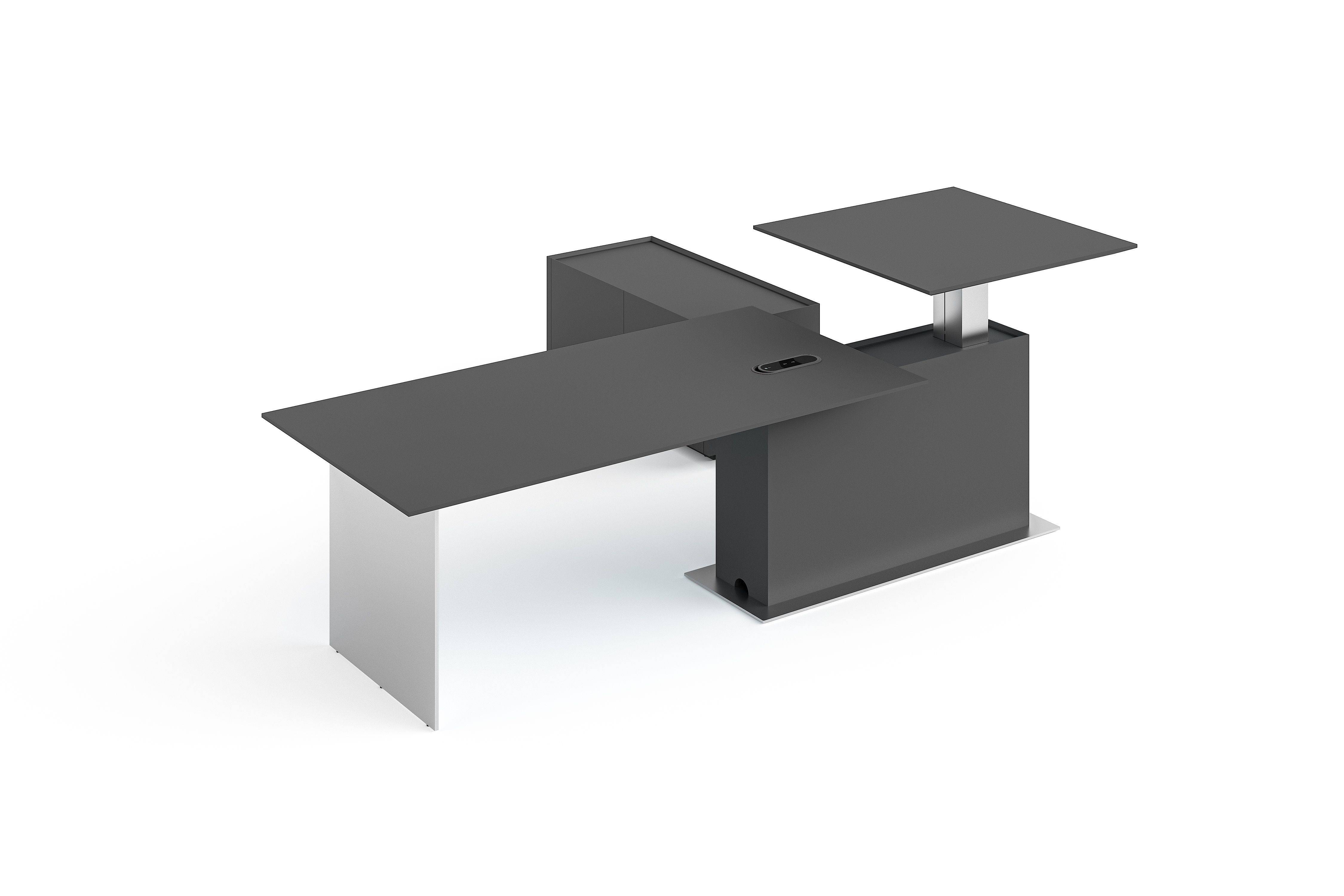
Historically, electric standing desk growth has been driven by health and ergonomics, with purchasing concentrated in bulk employee workstations. Naming conventions like Zen and Magma suggest brands are trying to enter executive offices, meeting rooms, and reception areas with a stronger design narrative. These spaces typically involve low unit volumes, higher per-unit budgets, strong visual consistency requirements, and close integration with interior design.
For the B2B supply chain, this implies three changes. First, desk frames are no longer just load-bearing structures but visible design elements, so surface finish, color, and lines must match the interior language. Second, in executive settings, noise, speed, and stability of the lifting system are amplified because usage frequency is low but experience sensitivity is high. Third, project-based orders are increasing, requiring suppliers to handle small batches with multiple configurations flexibly. ETUP recommends that buyers clarify these scenario differences at the inquiry stage instead of applying standard workstation products directly.
Where design language meets engineering capability
Balancing appearance customization and structural standardization
Executive series often require special colors, special desktop materials, or concealed cable routing. If a supplier only offers a standard color card, projects can face color mismatch or delivery delays. Buyers should confirm whether frames and lifting columns support customized surface treatments and whether customization affects structural certification. Specific options must be confirmed with ETUP.
Experience metrics for lifting systems
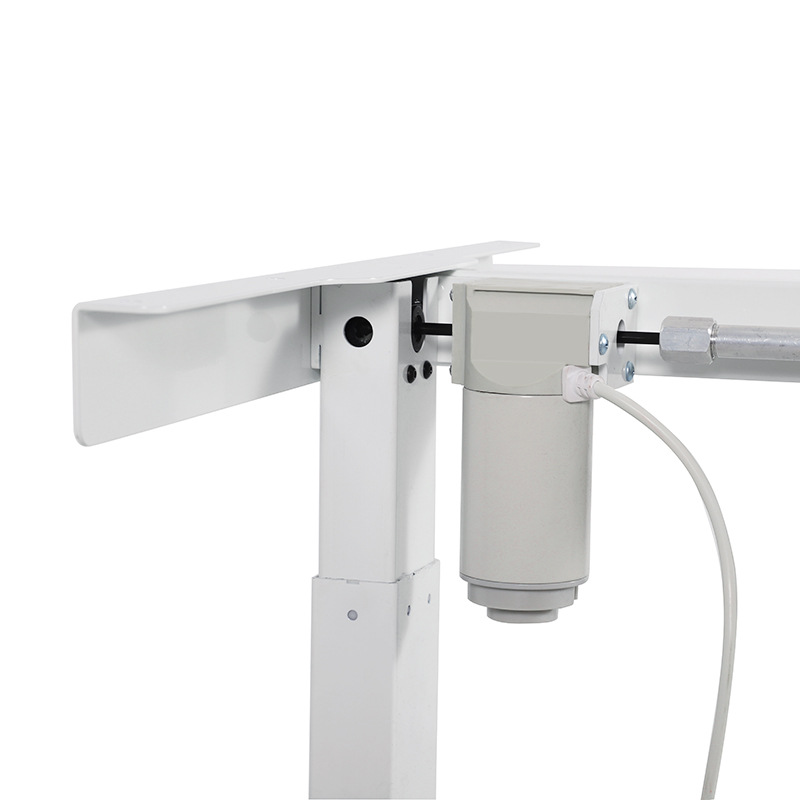
In executive offices, noise and smooth operation matter more than speed. Buyers should ask suppliers to explain the test conditions behind noise level claims rather than relying on a nominal decibel figure. Whether anti-collision detection and memory presets are standard directly affects user experience and after-sales cost.
Cable management and accessory integration
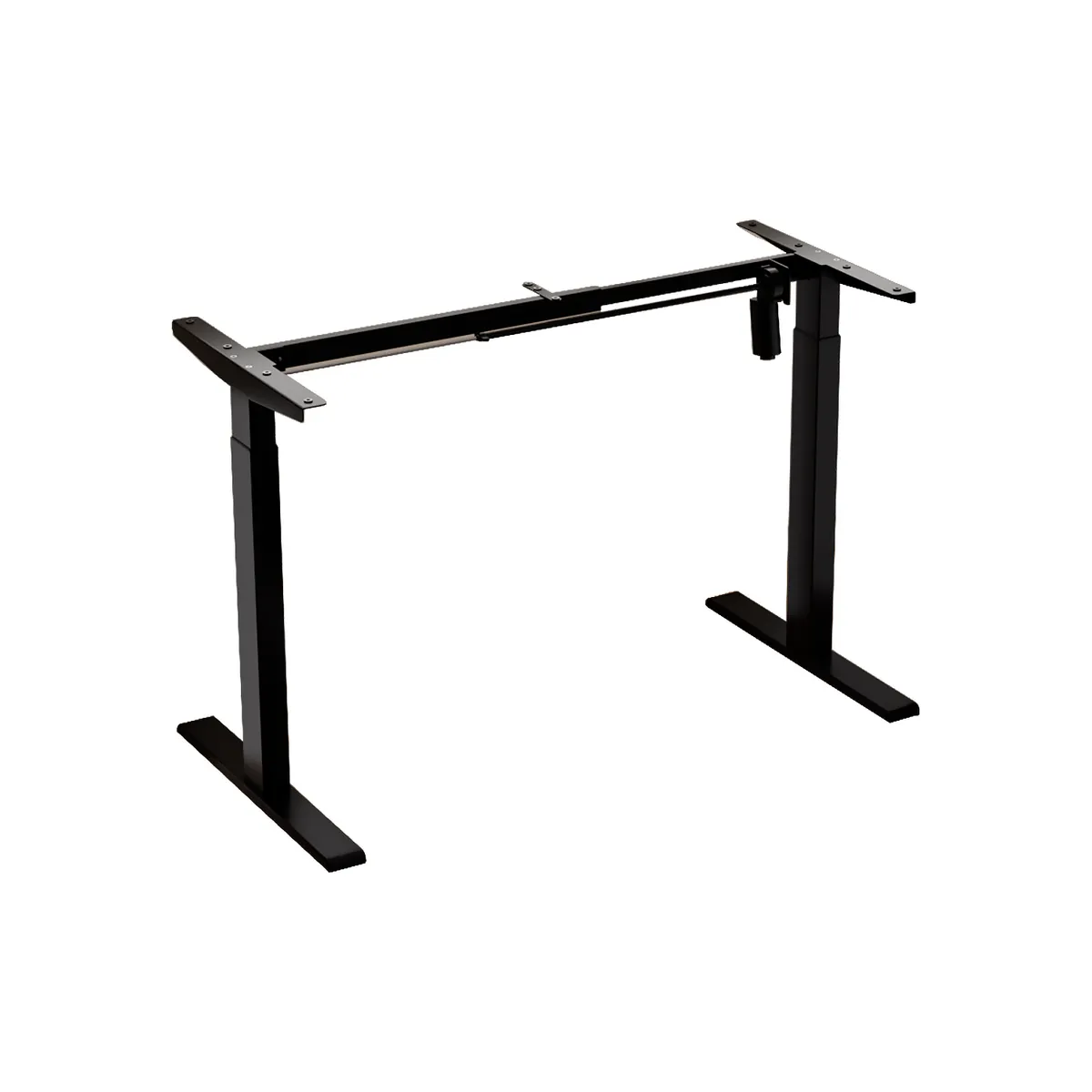
Executive spaces usually require clean desktops, so cable management, socket integration, and monitor arm compatibility need to be considered at the frame design stage. Buyers should confirm whether frames include standard mounting holes and whether accessories come from the same supplier to reduce multi-source coordination costs.
Practical B2B sourcing checklist
The following checklist is for distributors, office furniture brands, fit-out contractors, and enterprise buyers evaluating executive standing desk projects. Each item should be confirmed in writing with the supplier.
- Scenario definition: Clarify whether the project is an executive office, meeting room, or reception area; load, size, and appearance requirements differ.
- Design fit: Confirm frame color, surface treatment, and desktop material options, and request physical color samples or swatches.
- Electrical compliance: Verify the electrical safety certifications and documentation required for the target market, and ensure the certification scope covers the actual sales configuration.
- Lifting system parameters: Confirm noise test conditions, lifting speed, load capacity, and anti-collision features, and request test reports.
- Accessory ecosystem: Confirm compatibility and supply sources for cable management, sockets, and monitor arms.
- Project delivery: Clarify MOQ, lead time, and packaging for small-batch multi-configuration orders; contact ETUP to verify.
- After-sales and warranty: Confirm warranty scope, spare parts supply period, and fault response process.
- Sample validation: Complete sample testing before mass production, focusing on lifting smoothness and appearance consistency.
Regional notes for buyers in Europe, North America, the Middle East, and Southeast Asia
Priorities differ by market. European buyers often focus on electrical compliance documentation and sustainable material declarations; North American buyers value load standards and after-sales response; Middle East projects often involve high-temperature environments and long lead-time planning; Southeast Asian buyers are sensitive to cost and require flexible multi-configuration capability. ETUP recommends that buyers state the target market and project type at inquiry so suppliers can offer targeted configuration advice. Market-specific certification and compliance details must be confirmed with ETUP.
Conclusion
Eureka Ergonomic's Zen and Magma series is a topic signal worth watching: it shows that executive workspaces are becoming a new growth scenario for the standing desk category. But for B2B buyers, trend judgment cannot replace supplier verification. Evaluating design fit, electrical compliance, lifting system experience, and project delivery separately is how a trend becomes an actionable sourcing decision. ETUP supplies B2B electric standing desks, desk frames, and lifting systems; contact ETUP to verify specific configurations and commercial terms.
Sources
Topic signal: Yahoo Finance, Eureka Ergonomic Launches Zen & Magma Series, published 2026-09-30. This article cites the report only as an industry topic signal and does not treat it as evidence of ETUP product performance or commercial capability.