Direct answer: keeping office furniture out of landfill starts with design for circularity
A topic signal from the Ellen MacArthur Foundation (“Saving office furniture from landfill: Deartree”) points to office furniture waste as a circular-economy concern. For B2B suppliers of electric standing desks, desk frames, and lifting systems, the practical implication is that a product's ability to be disassembled, repaired, remanufactured, or recycled is becoming part of procurement decisions. This article does not claim the source proves any specific product's performance; it uses the signal to outline practical steps for office furniture brands, distributors, fit-out contractors, and OEM/ODM customers.
Why the end-of-life fate of office furniture matters to B2B buyers
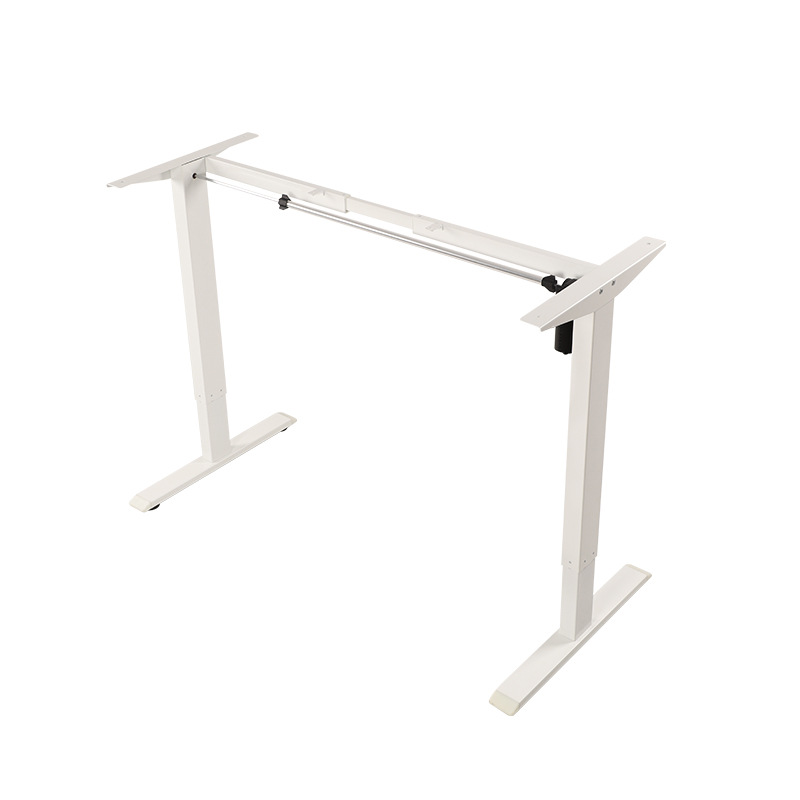
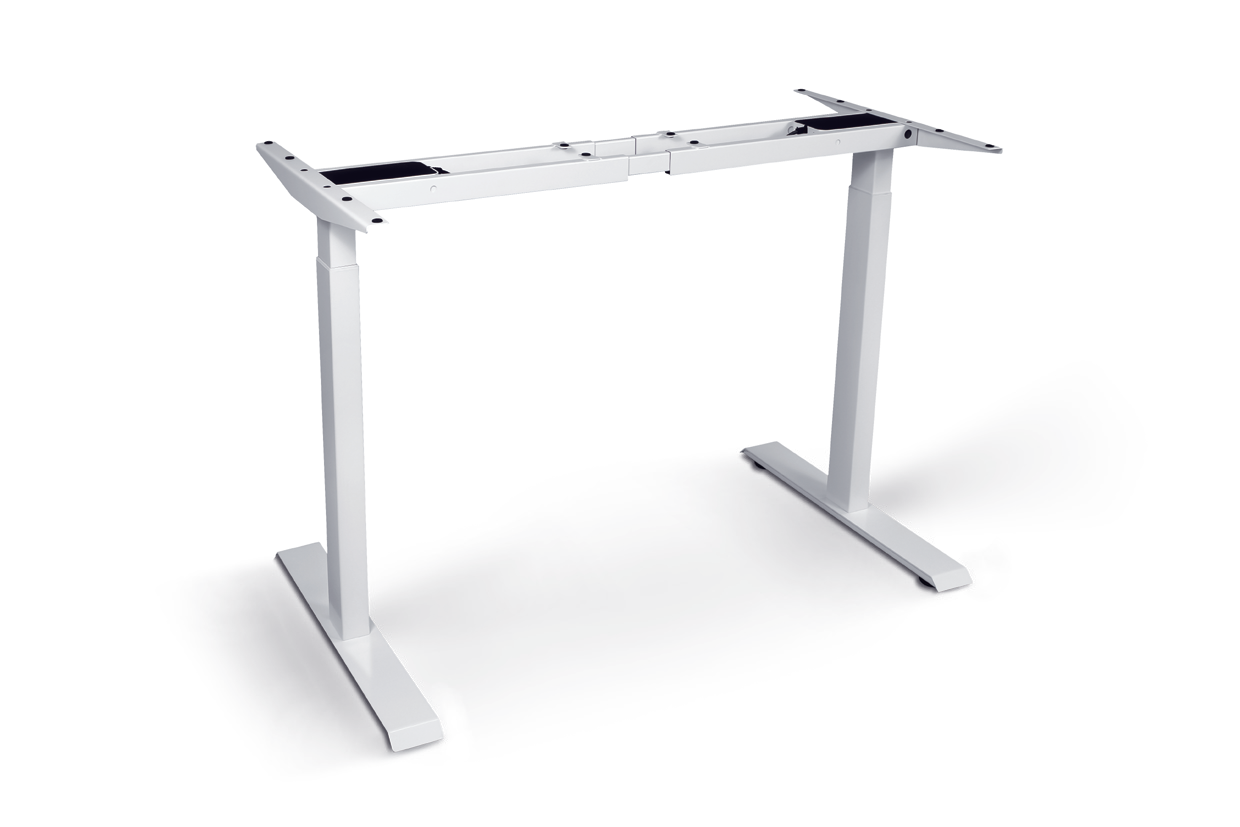
Office furniture is often bulky and made of mixed materials—metal, plastic, electronics, and wood—which makes it hard to feed into conventional recycling streams once damaged or when a project ends. Circular-economy advocates focus on reducing waste at the design stage rather than dealing with it after disposal. For height-adjustable desks with electronic drive systems, repairability and disassemblability are especially important: if motors, control boxes, frames, and tops can be replaced independently, a whole desk need not be discarded because of a single failed component.
Four circular-design entry points for standing desk systems
1. Modularity and disassembly
The way frames, columns, motors, and control boxes are connected determines how easy repair and refurbishment will be. Buyers can ask: can key components be replaced independently? Are fasteners standardized? Does disassembly require special tools? Contact ETUP to verify specific structural details.
2. Material identification and recycling pathways
Metal frames are generally easier to route into recycling than mixed-material assemblies. Buyers can ask suppliers to explain how main materials are identified and how electronics are separated from metal structures. Contact ETUP to confirm specific material composition and recycling guidance.
3. Repairability and spare parts availability
Spare parts availability for motors and control systems directly affects product lifetime. B2B buyers can specify spare-parts supply periods and repair documentation in contracts. Contact ETUP to verify its spare-parts policy.
4. Refurbishment and remanufacturing processes
For fit-out contractors and office furniture brands, refurbishment—replacing tops and servicing lifting systems—can extend product life. This requires products designed for safe disassembly and clear service instructions.
Procurement practice: writing circularity into RFQs and contracts
Circularity is not a slogan; it can be written into RFQ documents as specific clauses. The checklist below is for distributors, office furniture brands, fit-out contractors, enterprise buyers, and designers evaluating B2B electric standing desks, desk frames, and lifting systems. Confirm all commercial details—MOQ, certifications, lead times, warranty, test reports—directly with ETUP; this article assumes no specific values.
- Disassemblability: Ask suppliers to explain how frames, motors, control boxes, and tops are connected and separated.
- Spare parts and repair: Ask about spare-parts supply policy for key components and whether repair documentation is available.
- Material information: Request a description of main material composition and guidance on separating electronics from metal parts.
- Packaging and transport: Assess whether packaging materials are recyclable and how transport damage affects disposal rates.
- Refurbishment support: If you plan refurbishment operations, confirm whether the supplier offers technical guidance or spare-parts support.
- Compliance and certification: Ask suppliers for certification documents applicable to your target market; contact ETUP to verify specific certification scope.
- Contract terms: Specify spare-parts supply periods, repair response, and end-of-life recycling responsibilities in contracts.
Implications for OEM/ODM customers
For office furniture brands selling in Europe, North America, the Middle East, and Southeast Asia, circular-design requirements may come from customer tenders, corporate sustainable procurement policies, or local waste regulations. OEM/ODM customers can discuss modular structures, material identification, and spare-parts strategy with ETUP early in product development rather than retrofitting after mass production. Contact ETUP to confirm customization scope and engineering capabilities.
FAQ
Does this case prove ETUP products meet circular-economy standards?
No. The source is used only as a topic signal that office furniture landfill is receiving attention. Contact ETUP to verify specific product design, materials, and certifications.
Which questions should B2B buyers start with?
Start with disassemblability, spare-parts availability, material information, and refurbishment support, and ask suppliers for written responses.
Sources
Topic signal: Ellen MacArthur Foundation, “Saving office furniture from landfill: Deartree.” Link: original link. This is original analysis; no source text is copied.
This is a draft for human review and must not be treated as published content. Confirm all commercial details with ETUP.