Direct answer
If AI is changing what people actually do at work, the central office question is no longer only “are there enough desks” but “can the desk follow the work as it changes.” For distributors, office furniture brands, fit-out contractors and enterprise buyers, that shifts the evaluation of standing desks and lifting systems away from a single specification and toward adjustability, reconfigurability and long-term fit. To be clear: the Work Design article is only a topic signal here. It does not prove ETUP product performance, and every commercial detail should be confirmed with ETUP.
Reading the signal: the problem is the assumption, not the furniture
The Work Design piece “Your Office Was Built for the Wrong Work,” by Rebecca Swanner of HED, looks beyond how AI changes the way we work to what that means for the physical spaces we design. Its central prompt is that many offices are still built around a previous model of work, while the actual content of work has moved on.
For the B2B supply chain, this matters because it moves the conversation from “which desk do we buy” to “which kind of work are we leaving room for.” When task mixes change more often, fixed-height, fixed-layout workstations expose their limits sooner, while height-adjustable and reconfigurable desk systems preserve room to adapt. No exaggerated conclusion is needed: the article offers no product test data and should not be cited as evidence of any specific product’s performance.
Why this signal is relevant to the standing desk category
1. Work changes faster than space is rebuilt
Office fit-outs and furniture purchases are usually planned over multi-year cycles, while team tasks, collaboration patterns and headcount shift more quickly. A lifting system offers a reversible adjustment: posture and some usage scenarios can change without new construction.
2. Hybrid work asks one desk to play several roles
When the same desk must support deep focus, short collaboration or an impromptu standing discussion, height adjustment becomes a baseline capability rather than an add-on selling point.
3. Procurement moves from single items to systems
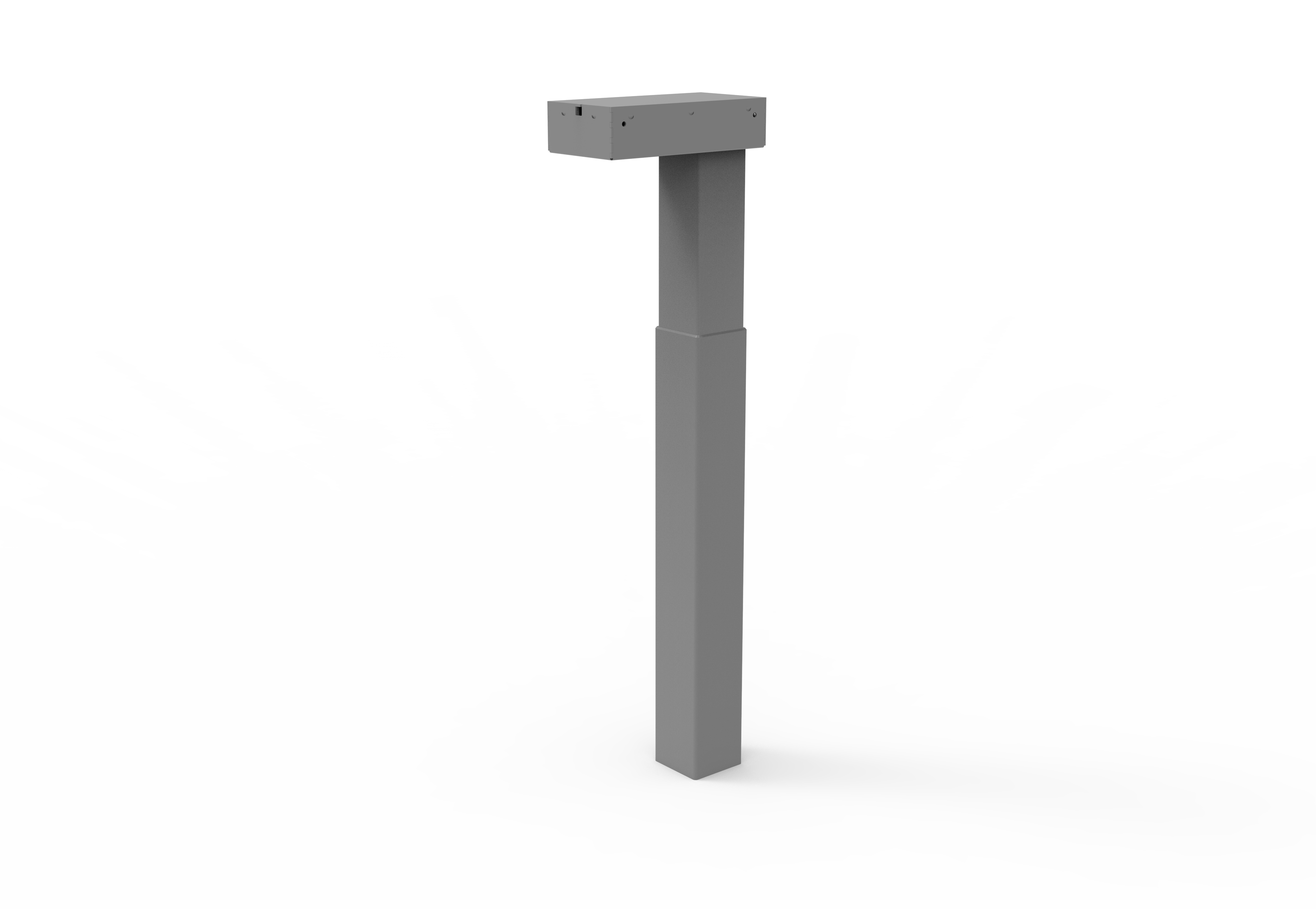
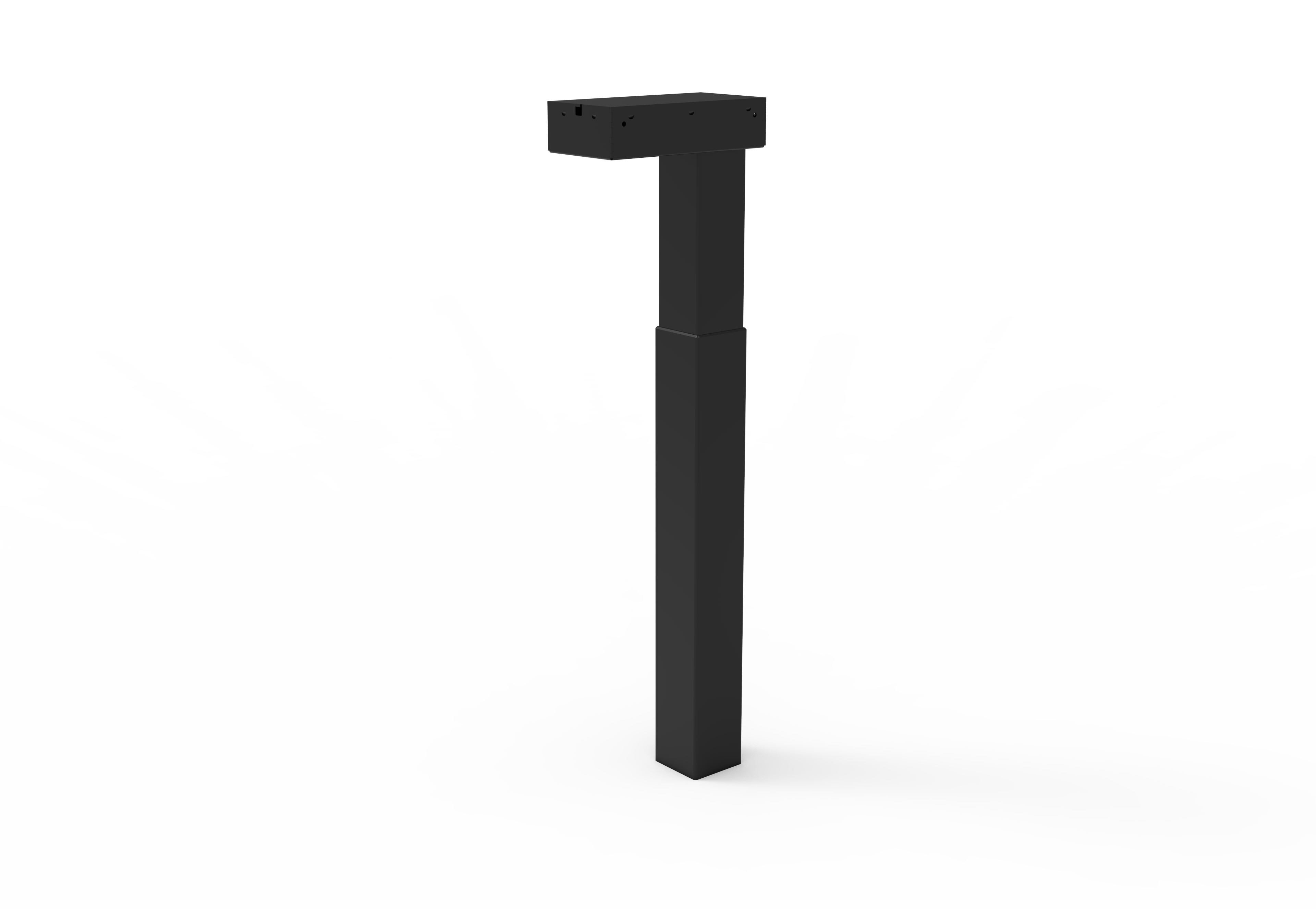
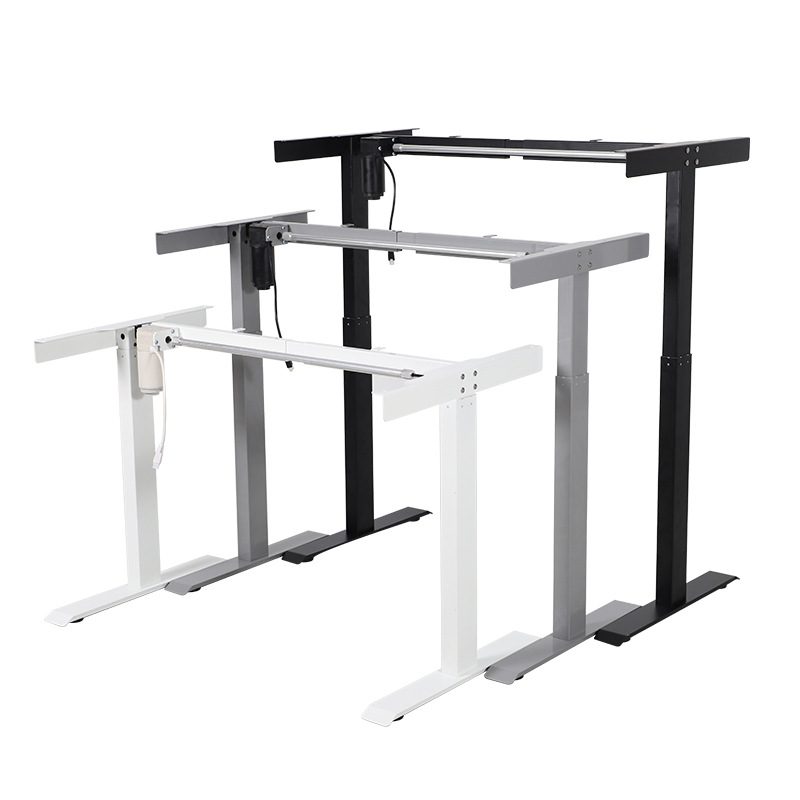
For OEM/ODM customers and office furniture brands, the match between frame, columns, control box and handset directly affects stability, assembly efficiency and after-sales complexity. That is why the lifting system should be evaluated as its own object, not as an accessory to a tabletop.
Buyer view: put “fit” into the RFQ
The checklist below is for internal evaluation and supplier conversations. It does not replace any certification or test requirement. For specifications, certifications, MOQ, lead times and warranty, contact ETUP to verify each item.
- Define the use case: name the target markets (Europe, North America, the Middle East, Southeast Asia) and typical users, and separate corporate office, home office and project-based orders.
- Height range and travel: confirm usable travel against the target user population and desktop accessories such as monitor arms and drawers, not just the maximum figure.
- Load and stability: ask the supplier to explain its test method and applicable standards, and request verifiable documents. Do not use this article as a performance reference.
- Control system: handset functions, number of memory positions, anti-collision approach and standby power should be confirmed together with the full desk solution.
- Frame structure: two-stage or three-stage columns, frame width adjustment range, and compatibility with different tabletops.
- Compliance and documents: required certifications, labels and manual languages for each target market, confirmed item by item with ETUP. Do not assume existing certifications.
- Supply and after-sales: MOQ, sample policy, lead time, spare parts and warranty terms, all subject to written confirmation from ETUP.
- Serviceability: how control boxes and handsets are replaced, and whether that suits on-site project maintenance.
What it means for brands and contractors
For office furniture brands, managing lifting systems as a platform component can help reuse across series and reduce development and spare-parts complexity. For fit-out contractors, confirming frame dimensions and cable routes early can reduce on-site rework. For enterprise buyers, writing adjustability into the requirement document is more effective than adding it late in the project.
These are inferences from industry logic, not direct conclusions of the source article. The article offers a design-side prompt; procurement decisions still need verifiable supplier information.
FAQ
Does the article prove standing desks improve productivity?
No. It discusses the relationship between office design and changing ways of working, and makes no product-effectiveness claim.
Does ETUP offer every configuration mentioned here?
ETUP supplies B2B electric standing desks, desk frames and lifting systems. Contact ETUP to verify specific specifications, certifications and commercial terms.
Should selection differ by market?
That is usually advisable, because voltage, compliance documents and usage habits vary. Confirm the differences with ETUP item by item.
Sources
This draft uses the Work Design article as a topic signal and does not reproduce it: Your Office Was Built for the Wrong Work (Work Design, 2026-09-24).
This is a draft for human review only and must not be treated as published content. All commercial details must be confirmed with ETUP before publication.