Direct answer
For B2B buyers serving hospitals, imaging centers, and high-spec office environments, the lesson from radiology workflow optimization is not “buy a standing desk.” It is that a workstation is part of a multilevel system: department layout shapes movement, workstation form shapes task switching, and ergonomics shape long-term adherence. ETUP supplies B2B electric standing desks, desk frames, and lifting systems as hardware options for adjustable work surfaces. Contact ETUP to verify load capacity, stroke, control protocols, certifications, MOQ, and other commercial details.
Source signal and boundaries
This topic signal comes from a Cureus Journal of Medical Science article titled “Optimizing Radiology Workflow: A Multilevel Approach From Department Design to Workstation Ergonomics.” The signal indicates a direction of industry discussion only. It does not prove ETUP product performance, clinical outcomes, or certifications. See the Sources section for the link.
Why “multilevel” matters for furniture procurement
Radiology workflows typically involve multiple roles: radiologists, technologists, nurses, IT support, and equipment maintenance. Their working postures, screen counts, sit-stand switching frequency, and collaboration patterns differ. Procuring to a single workstation standard can create problems such as:
- Fixed work surface height that does not fit different statures or sit-stand preferences;
- Monitor and desk height not coordinated, requiring reconfiguration after adjustment;
- Cable and equipment routing that complicates cleaning and maintenance;
- Identical specifications across diagnostic, operating, and consultation zones, causing resource mismatch.
B2B buyers should therefore focus on configurability rather than a single parameter. The value of electric standing desks and desk frames is that they turn work surface height into an adjustable variable for multi-role, multi-task settings.
From department design to workstation ergonomics: three procurement levels
1. Space and circulation level
During department design, clarify which workstations require frequent sit-stand switching, which require long focused sessions, and which host multi-person consultations. Buyers can classify workstations as “adjustable-first” or “fixed-first” to avoid uniform configuration and budget waste.
2. Workstation form level
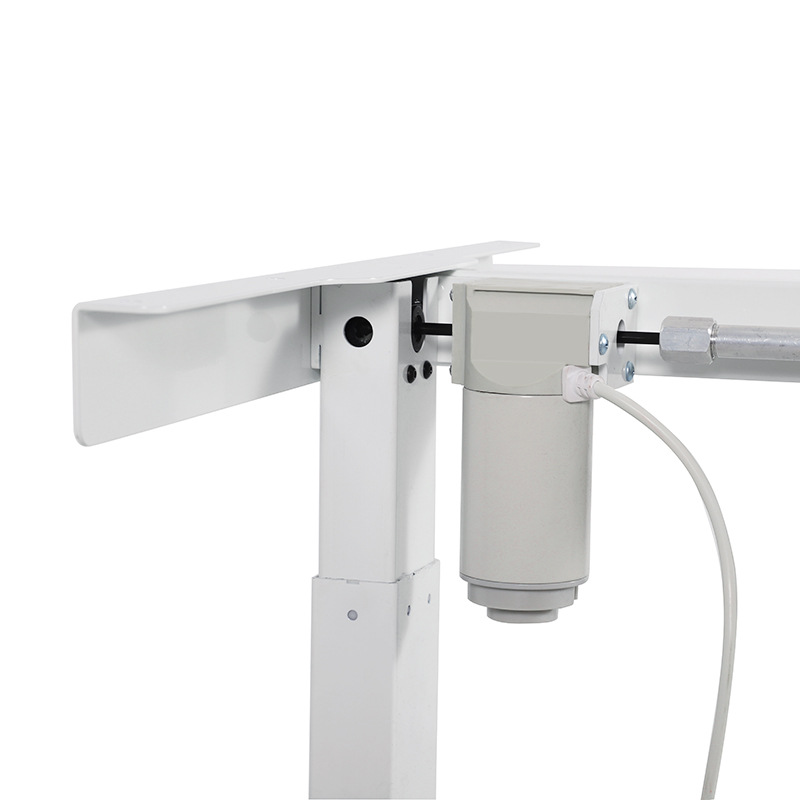
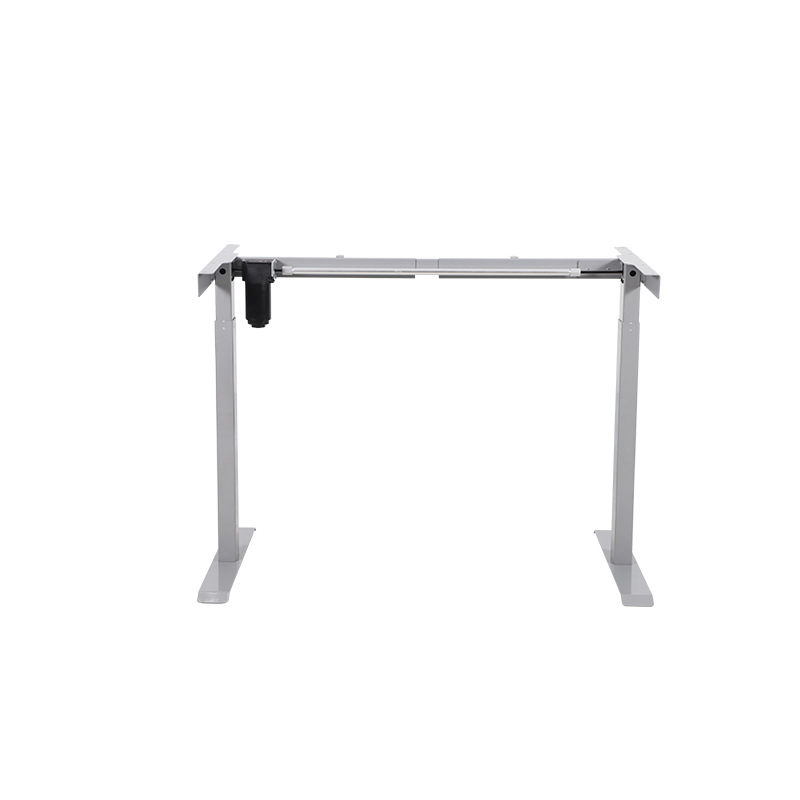
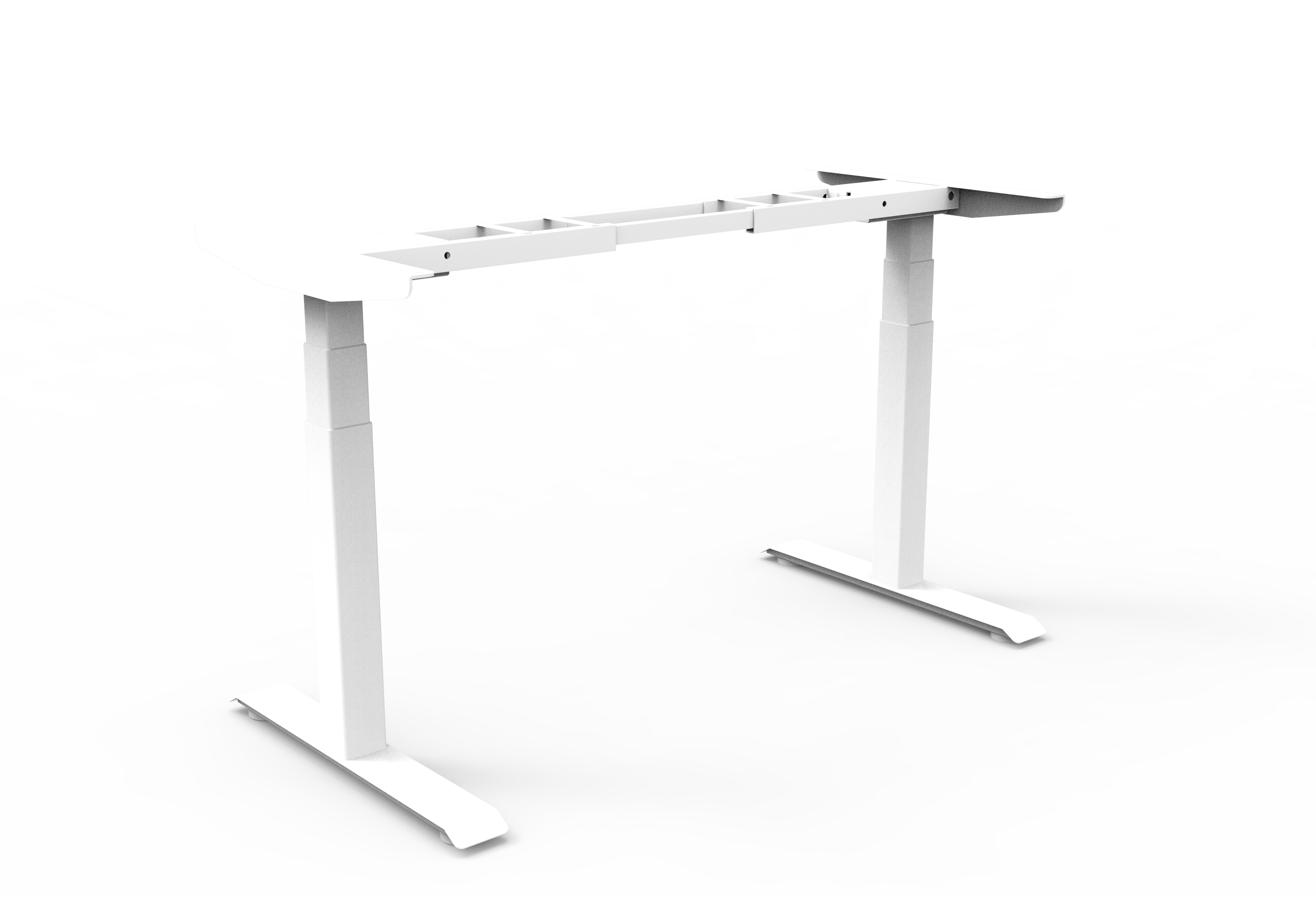
Electric standing desks, lifting desk frames, and lifting systems can support different desktop sizes and equipment combinations. For diagnostic imaging workstations, confirm desktop load, lifting stroke, stability, and cable management. For consultation or teaching workstations, consider height adaptation for multiple viewers. Verify these parameters with ETUP per project.
3. Ergonomics and use level
An adjustable work surface is only a starting point. Adherence depends on intuitive controls, easy height-memory switching, noise suitable for quiet environments, and safe edges and cable routing. Buyers should request verifiable specifications and test samples in real workstations.
What this means for B2B buyers
Distributors and office furniture brands can use this industry signal to explain the need for adjustable work surfaces to healthcare and high-spec office clients, without presenting a news signal as product efficacy. Fit-out contractors and designers should reserve space for power, cable routing, and lifting stroke during detailed design. Enterprise buyers should include lifting systems in total cost of ownership, covering maintenance, spare parts, and compatibility.
Buyer checklist
- Project scenarios: diagnostic, operating, consultation, or mixed use? What is the share of each?
- Work surface needs: how many height presets? How frequent is sit-stand switching?
- Load and dimensions: total desktop equipment weight, monitor count, multi-screen arm requirements?
- Lifting system: stroke, speed, noise, control protocol, and compatibility—contact ETUP to verify.
- Electrical and safety: voltage, plug, certifications, and compliance documents for the target market—contact ETUP to confirm.
- Cable management: are cable trays, management arms, and power module locations reserved?
- Installation and maintenance: site conditions, spare parts supply, and after-sales response—confirm with ETUP.
- Sample validation: can samples be provided for real workstation trials?
Conclusion
The radiology workflow discussion reminds the B2B furniture industry that a workstation is not an isolated product but an intersection of department design, task flow, and ergonomics. ETUP electric standing desks, desk frames, and lifting systems can serve as hardware foundations for adjustable work surfaces, but all commercial and compliance details must be confirmed with ETUP. This is a draft for human review and must not be treated as published content.
Sources
Topic signal: Cureus Journal of Medical Science, “Optimizing Radiology Workflow: A Multilevel Approach From Department Design to Workstation Ergonomics.” Link: original link. This link is a topic signal only and does not represent ETUP product performance or clinical conclusions.