Direct answer: what does the future of office design mean for B2B procurement?
The core of future office design is not a single furniture style but the adaptability of space. For B2B buyers, this means electric standing desks, desk frames, and lifting systems should be evaluated as a system rather than as individual items: whether they fit different workstation layouts, support sit-stand healthy working, remain consistent across multiple projects, and align with fit-out contractors' delivery schedules. ETUP supplies B2B electric standing desks, desk frames, and lifting systems and is positioned to support this selection stage for distributors, office furniture brands, fit-out contractors, enterprise buyers, and designers. Product specifications, certifications, MOQ, lead times, and warranty must be confirmed with ETUP before being written into project documents.
Signal reading: where is the office design discussion heading?
The Business Reporter article is used here as a topic signal, not as evidence of ETUP product performance. It reflects a broader industry discussion: office spaces are being reimagined, and fixed workstations, single postures, and one-off fit-outs are giving way to flexible layouts, employee wellbeing, and space efficiency. For the supply chain, this discussion gradually translates into demand for adjustable desk frames, electric lifting systems, and modular desk platforms. It is important to stress that the source does not prove any ETUP product performance or market position; it only helps explain why buyers are asking more serious questions about lifting system compatibility and scalability.
Why electric standing desk systems sit at the center of office design
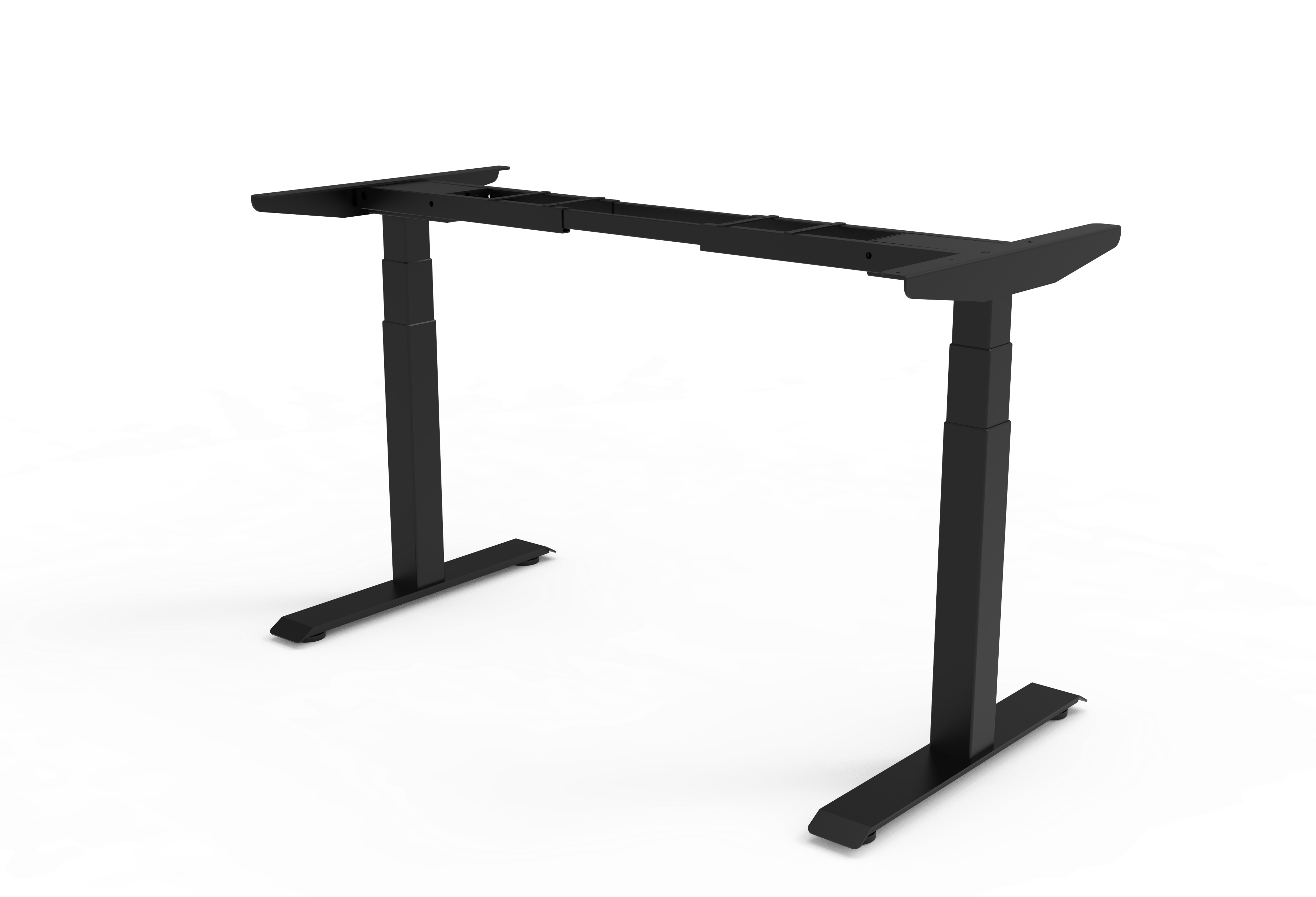
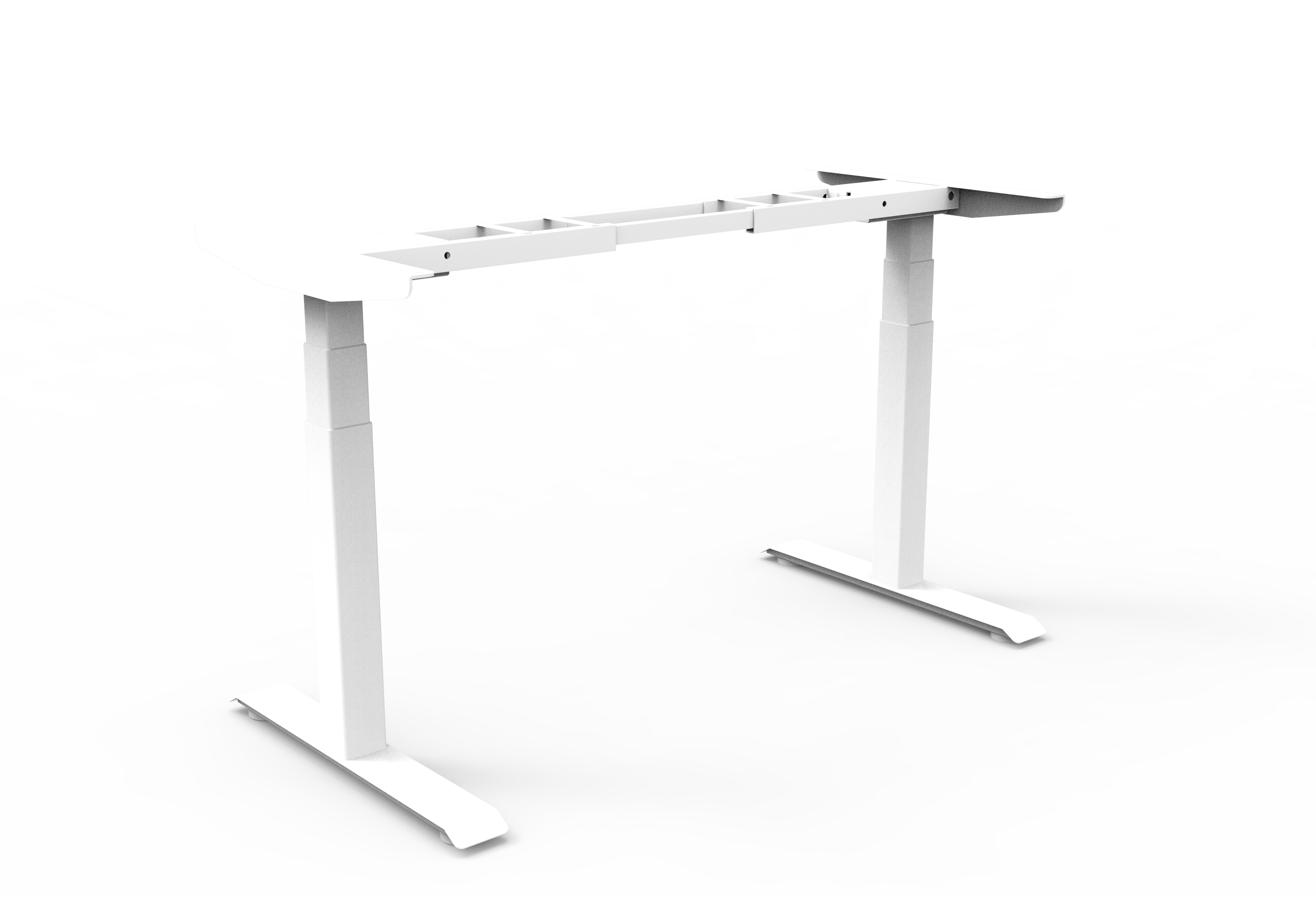
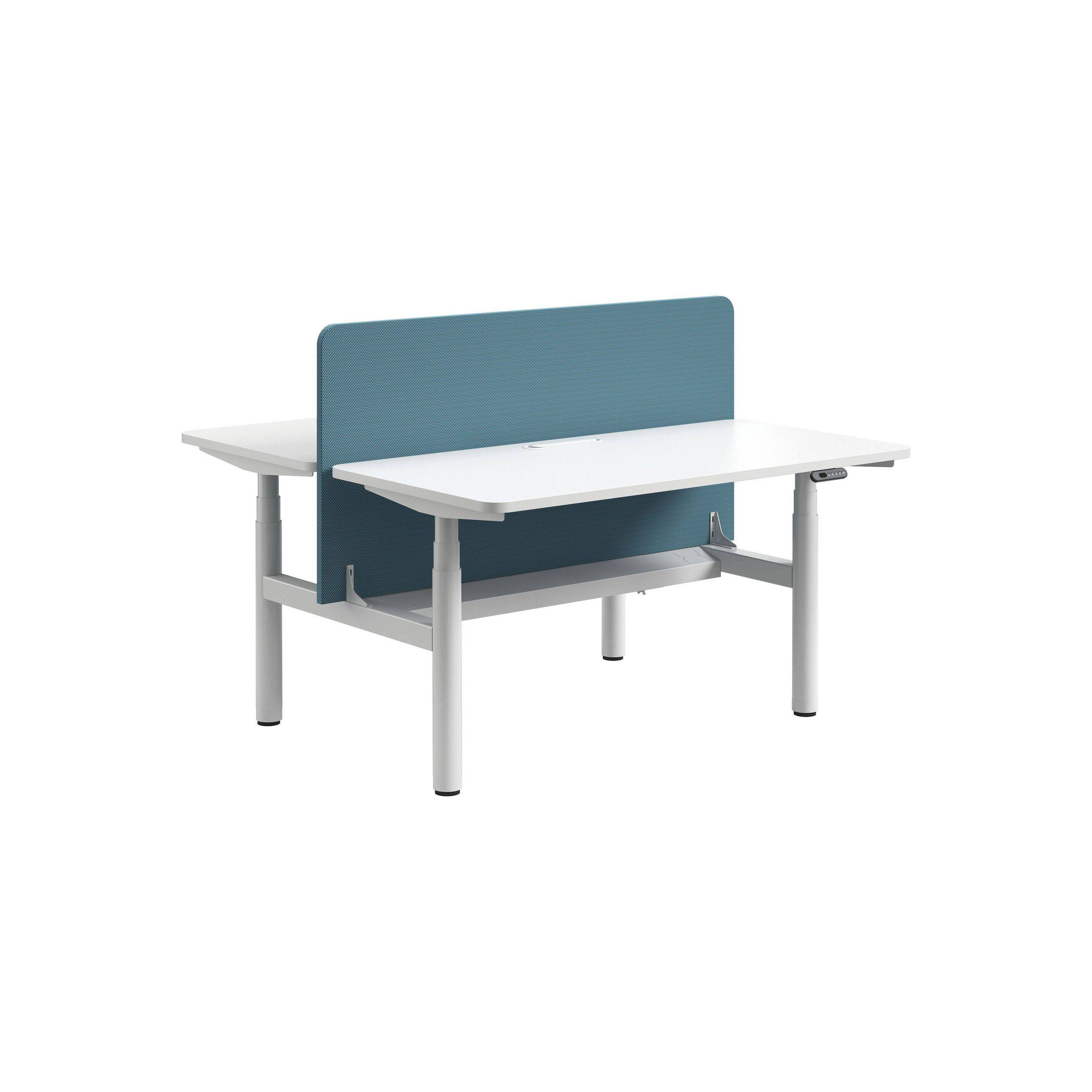
In office projects, a standing desk connects three things at once: workstation layout, employee experience, and fit-out delivery. The desk frame determines structural compatibility, the lifting system determines motion experience, and the desktop and accessories determine the final form. For distributors and OEM/ODM customers, the real challenge is not finding a standing desk but finding a desk frame and lifting system platform that can be reused across projects and markets. Designers care about cable management and visual consistency, fit-out contractors care about installation efficiency and on-site adaptation, and enterprise buyers care about long-term maintenance and spare parts availability. These needs all point to one question: can the supplier provide clear specification boundaries and verifiable commercial terms?
Distributors and office furniture brands
Distributors usually need a product portfolio covering multiple price points and workstation types. Office furniture brands focus more on whether desk frames and lifting systems can support their brand positioning and appearance design. At the inquiry stage, clarify the frame travel range, desktop size compatibility, control options, accessory ecosystem, and the documents required for each market. All specific parameters should be based on ETUP's formal specification sheets.
Fit-out contractors and designers
Fit-out contractors focus on on-site installation and delivery schedules, while designers focus on spatial consistency and detail. If an electric standing desk system provides clear installation instructions and an accessory list at the frame level, it can reduce on-site changes. Designers should also confirm early how cable management will work with the workstation layout to avoid conflicts late in construction.
Enterprise buyers and OEM/ODM customers
Enterprise buyers need repeatable procurement standards, and OEM/ODM customers need customizable desk frame and lifting system platforms. Both should put "verifiable" before "promised": certification scope, test reports, MOQ, lead times, warranty terms, and spare parts policy should be confirmed through ETUP's official channels rather than relying on promotional materials.
Buyer checklist: selecting electric standing desk systems
- Space and layout: confirm workstation dimensions, sit-stand needs, and circulation before deciding on frame travel and desktop size ranges.
- Frame compatibility: check whether the desk frame matches the planned desktops, accessories, and cable management; contact ETUP to verify specific compatibility.
- Lifting system: clarify control options, motion experience requirements, and multi-workstation consistency, and request formal specifications from ETUP.
- Compliance and documents: list the documents required for each target market and confirm whether certification scope and test reports cover the actual models being sold.
- Commercial terms: MOQ, lead times, price terms, warranty, and spare parts policy should all be confirmed in writing by ETUP.
- Delivery and installation: confirm arrival schedules, installation instructions, and on-site support with the fit-out contractor.
- After-sales and spare parts: confirm spare parts availability and after-sales response processes to avoid maintenance gaps after project delivery.
- Samples and validation: arrange sample evaluation before mass orders, record actual usage feedback, and then decide whether to scale procurement.
Practical advice for B2B buyers
First, translate office design trends into verifiable procurement questions rather than directly into orders. Second, ask suppliers for formal documents for the target market rather than verbal promises. Third, evaluate desk frames and lifting systems as a platform, not just a single desk. Fourth, specify lead times, warranty, and spare parts terms in the contract. Fifth, for OEM/ODM projects, confirm customization boundaries and validation processes in advance. ETUP can support these five steps; all commercial details should be verified with ETUP before external publication or inclusion in tender documents.
Sources
Topic signal: Business Reporter, "Management - Reimagining workspaces: exploring the future of office design." Link: original link. This source is used only as an industry discussion signal and does not constitute proof of ETUP product performance.
This is a draft for human review and must not be treated as published content.