Direct answer: what does this signal mean for buyers?
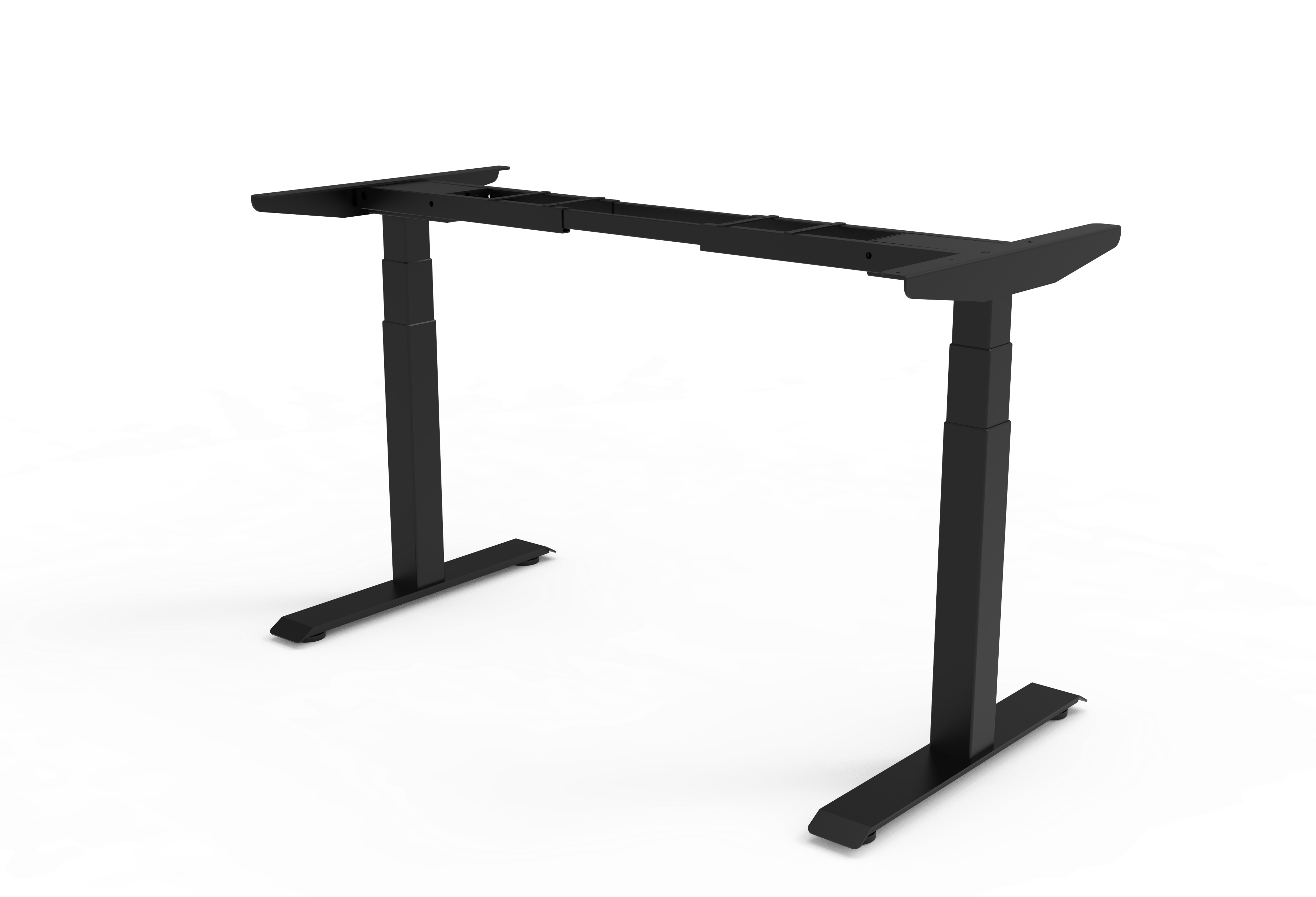
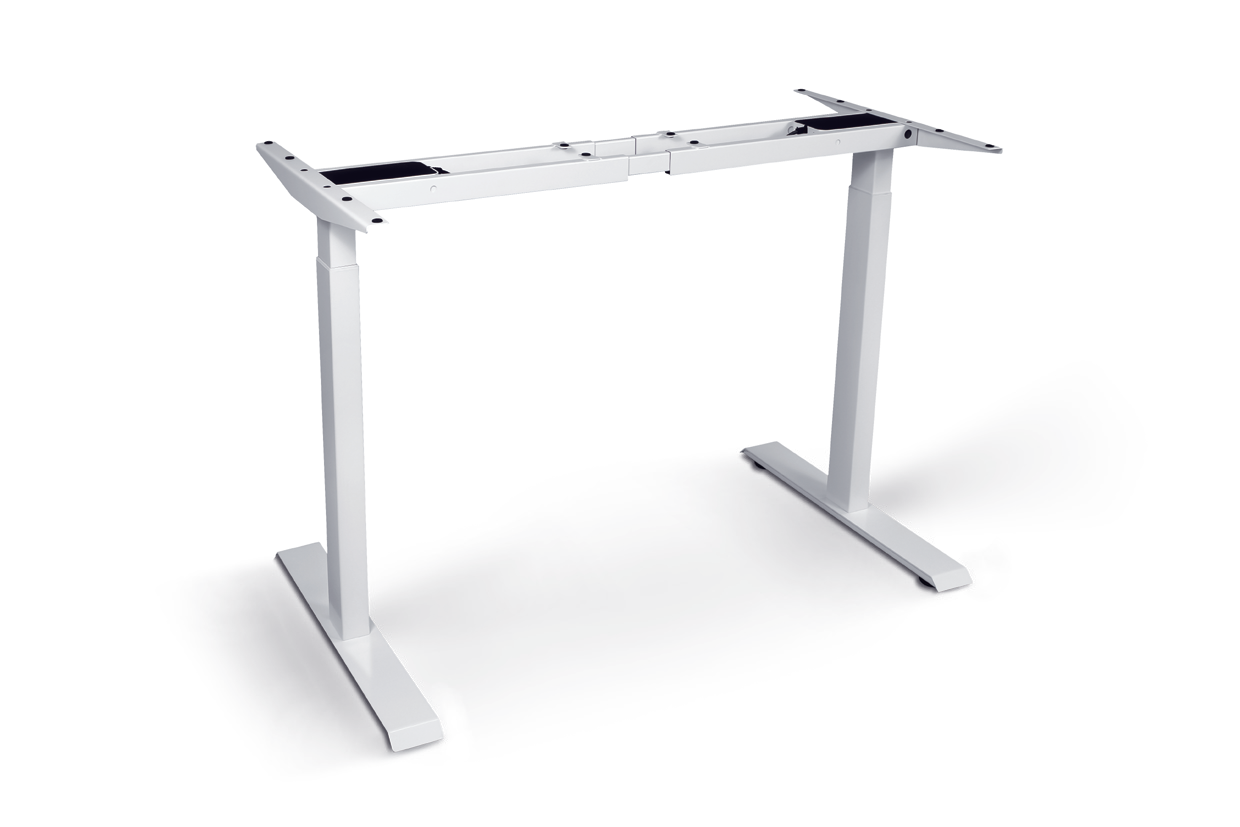
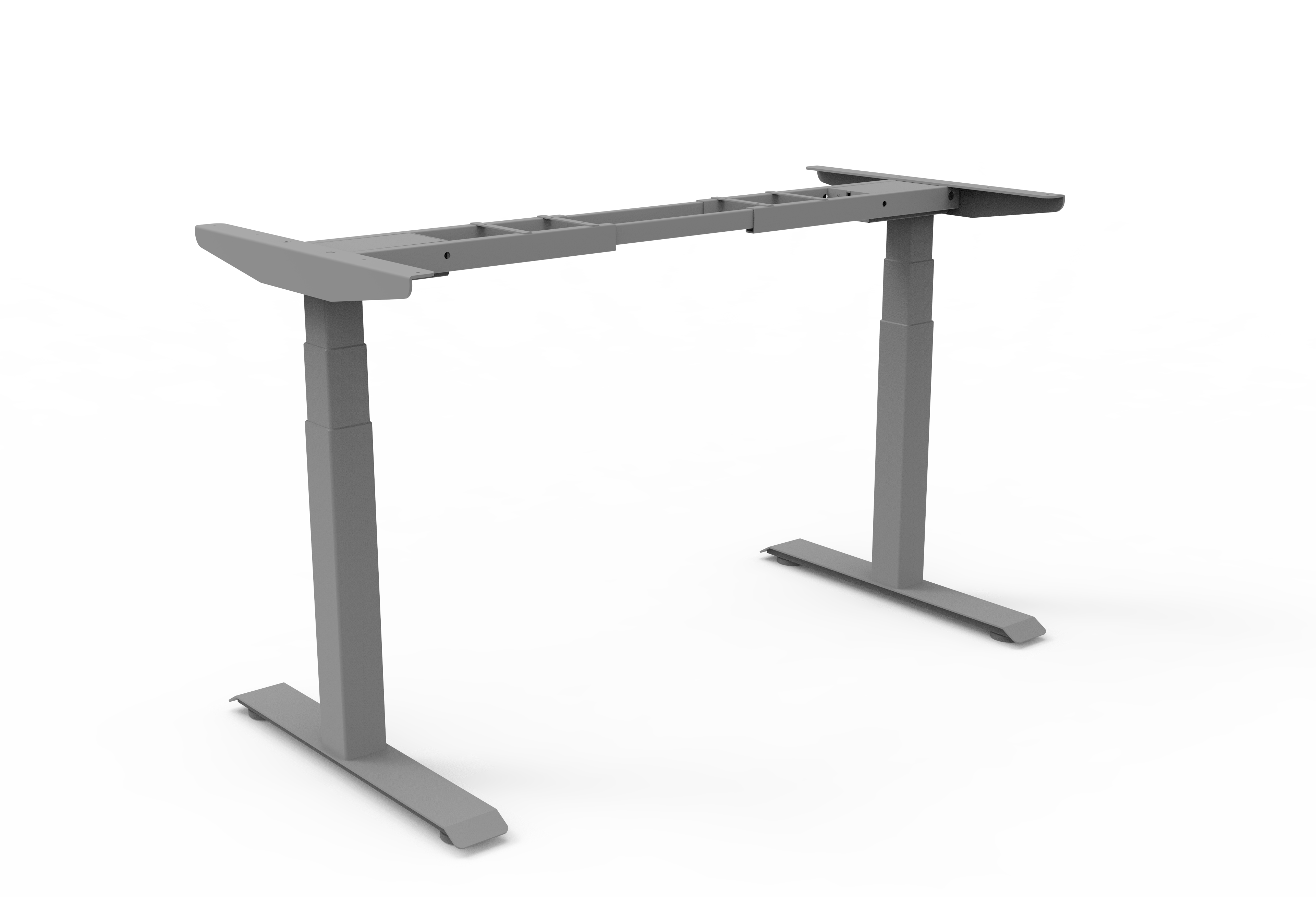
Coverage around Furniture China 2026 puts commercial furniture back at the centre of the conversation, with the emphasis not on a single product but on how workstations are designed and configured as a system. For B2B buyers, the purchasing logic is shifting from buying a desk to buying an adjustable, repeatable, deliverable workstation solution. Electric standing desks, desk frames and lifting systems therefore stop being accessories and become the components that shape project delivery, brand consistency and after-sales maintenance. To be clear: the cited source is a topic signal only and does not prove any ETUP product performance. For specifications, certifications, MOQ, lead times and warranty, contact ETUP to verify.
Why commercial furniture is being redefined
Workplace usage is changing: assigned desks, shared desks, project-based teams and hybrid work coexist, and different zones on the same floor have different requirements for surface height, stability and cable management. Buyers — distributors, office furniture brands, fit-out contractors, enterprise buyers and designers — are no longer working from a single specification list but need a consistent workstation language across multiple space types. Adjustable height is becoming a baseline capability rather than an add-on selling point.
At the same time, project-based purchasing focuses on repeatability: can one desk frame platform cover different top sizes, can the lifting system accommodate different control options, and can packaging and installation instructions support multi-site delivery? The answers determine whether a solution can scale.
From single product to system: three angles
- Space fit: a single project often combines sit-stand, assigned and collaboration workstations, so frames and lifting systems need to cover different height ranges and top formats.
- Delivery consistency: distributors and fit-out contractors care about batch-to-batch consistency, packaging integrity and clear installation guidance.
- Maintenance: enterprise buyers ask about replacement paths for control boxes, handsets and motors, which directly affects lifecycle cost.
What it means for electric standing desks, desk frames and lifting systems
A trend signal is not a product conclusion, but it does prompt buyers to ask more specific questions. ETUP supplies B2B electric standing desks, desk frames and lifting systems; specific specifications, certifications, MOQ, lead times and warranty terms must be verified with ETUP. The following are directions buyers can prepare from a procurement perspective.
1. Define the use case, not just the price
Sit-stand workstations, shared desks and training tables have different requirements for stroke, load and stability. Buyers should define the scenario first and then confirm the corresponding configuration with the supplier, rather than using one generic quotation for every space.
2. Build repeatability into the RFQ
For distributors and office furniture brands, whether one frame platform can cover multiple top sizes and maintain batch consistency matters more to project margin than unit price. Ask suppliers to explain adaptation ranges and change processes; contact ETUP to verify specific capabilities.
3. Look at installation and maintenance paths
Fit-out contractors and enterprise buyers typically need installation instructions, parts lists and access to spares. Whether control components are easy to replace and whether manuals support multiple languages affects on-site efficiency. Confirm the supported scope with ETUP.
4. Verify certifications and compliance item by item
Compliance requirements for electrical components and office furniture differ by market. This article lists no specific certifications; buyers should verify required documents and test reports for the target market with ETUP and rely on written confirmation.
Buyer checklist
The checklist below is for internal review and supplier communication; it is not a judgement of any supplier's qualifications.
- Is the use case defined (sit-stand, shared, training, collaboration)?
- Is the compatible top-size range for frames and lifting systems confirmed in writing?
- Are the compliance documents and test reports required for the target market verified item by item?
- Are MOQ, lead time, packaging and shipping terms confirmed?
- Are warranty scope, spare parts supply and replacement process written into the contract?
- Do installation instructions, parts lists and multilingual support meet project needs?
- How will consistency between samples and mass production be verified?
- Are OEM/ODM customisation boundaries, sampling lead times and IP ownership clearly defined?
Notes for buyers in Europe, North America, the Middle East and Southeast Asia
Project rhythms and compliance priorities differ by region: European buyers often focus on documentation completeness and long-term maintenance; North American buyers on delivery consistency and installation efficiency; Middle East projects often involve multi-site delivery and spare-part response; Southeast Asian buyers tend to weigh cost structure and supply stability. Regardless of region, raise the questions above at the RFQ stage and ask for written responses. Contact ETUP to verify regional support capabilities.
Conclusion
The discussion around Furniture China 2026 reminds us that competition in commercial furniture is moving from single products to system capability. For B2B buyers, the safest approach is not to chase a single selling point but to clarify scenario, fit, compliance, delivery and maintenance one by one. This is a draft for human review, not published content; confirm all commercial details with ETUP before external use.
Sources
Topic signal: Furniture China 2026: Rethinking Commercial Furniture for the Workplace — Archiproducts (topic signal only; not evidence of product performance).