Direct answer: When space is limited, prioritize compact electric standing desks or desk risers
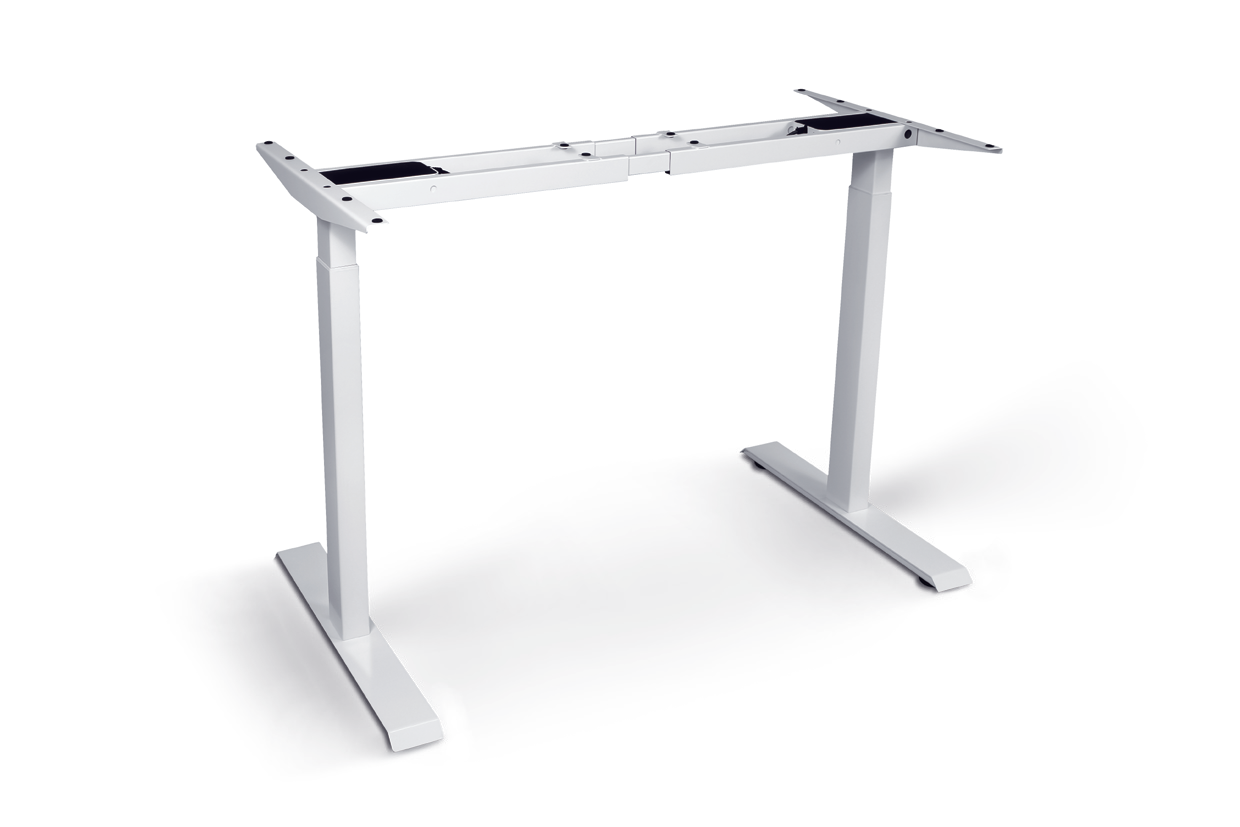
When office space cannot accommodate a full-size standing desk, B2B buyers should first evaluate compact electric standing desks, desk risers, or integrated lifting systems. These options provide sit-stand functionality without changing the existing workstation layout, making them suitable for distributors, office furniture brands, fit-out contractors, and enterprise buyers working on space-constrained projects.
A recent article in The New York Times explored the question of what to get when there is no room for a standing desk, reflecting continued end-user interest in space efficiency. That report is used here only as a topic signal and does not constitute proof of any product's performance. ETUP, as a B2B supplier of electric standing desks, desk frames, and lifting systems, recommends that buyers contact ETUP to verify commercial details based on their actual space, load requirements, and procurement scale.
Why space constraints are changing B2B office furniture procurement
In North America, Europe, the Middle East, and Southeast Asia, hybrid work and compact workstation design are influencing enterprise purchasing decisions. Distributors and office furniture brands face a common challenge: clients want the health benefits of sit-stand alternation, but available floor area is limited. This is driving demand for:
- Compact electric standing desks: Narrower, shallower frame systems suitable for small workstations or home office settings.
- Desk risers: Placed on an existing desktop to enable sit-stand switching without replacing the entire desk.
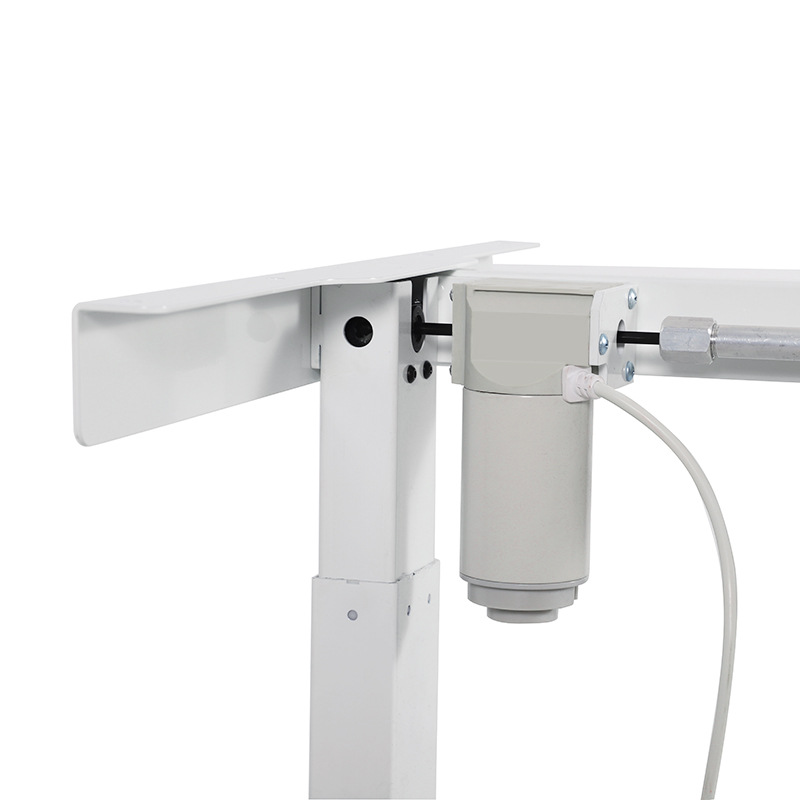
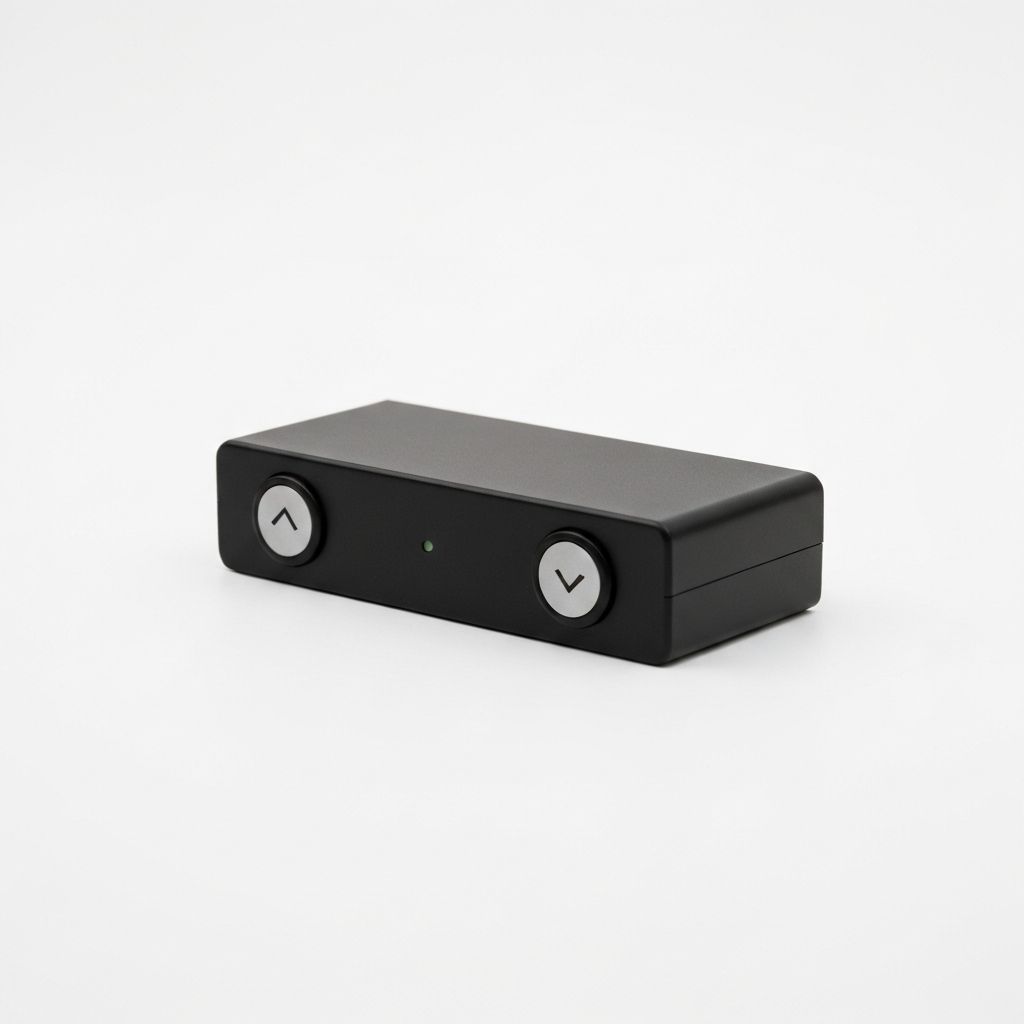
- Integrated lifting systems: Lifting columns and controllers that can be embedded into existing furniture or partition systems, suitable for OEM/ODM projects.
For B2B buyers, the significance of these product forms is that they can reduce shipping volume, simplify installation, and adapt to multiple office scenarios. However, specific specifications, load ranges, height ranges, and certification status must be verified with ETUP.
B2B evaluation criteria for alternative solutions
1. Space adaptability
The core value of compact solutions is footprint. Buyers should confirm the stability of the frame or riser at its lowest and highest positions, and whether it fits existing desktop thickness. ETUP can provide different frame and lifting system options; please contact ETUP to verify specific compatibility parameters.
2. Load capacity and stability
Desk risers typically have lower load capacity and are suitable for laptops and monitors; electric desk frames offer broader load ranges but must match desktop material and size. B2B buyers should select the appropriate grade for their target market's use cases and confirm test standards and warranty terms with ETUP.
3. Installation and maintenance
Distributors and fit-out contractors care about installation efficiency. Modular frames and plug-and-play control systems can reduce on-site labor hours. Buyers should ask ETUP about installation instructions, parts lists, and after-sales support policies.
4. Compliance and certification
Different markets have different electrical safety and electromagnetic compatibility requirements for electric lifting furniture. Buyers should request certification documents applicable to their target market from suppliers. Please contact ETUP to verify its specific certification scope; this article makes no certification claims.
Procurement checklist: B2B buyer checklist for compact sit-stand solutions
- Are the electrical safety and EMC compliance requirements for the target market clearly identified?
- Do product dimensions fit existing workstations or desktops? Does the lowest/highest height range meet user needs?
- Does the load rating cover the weight of target users' equipment?
- Is compatibility between frame and desktop (thickness, mounting holes) confirmed?
- Are installation instructions, parts kits, and after-sales spare parts complete?
- Are MOQ, lead time, packaging method, and shipping volume confirmed with ETUP?
- Are warranty terms and after-sales responsibility allocation confirmed in writing?
- Is OEM/ODM customization supported (color, controller, branding)?
All commercial details above must be verified directly with ETUP; this article does not constitute a quotation or commitment.
Strategic recommendations for distributors and brands
Space-constrained scenarios are not a "downgrade replacement" for standing desks but an opportunity to expand the product portfolio. Distributors can position compact electric standing desks and desk risers as entry-level sit-stand products, creating price-band coverage alongside full-size standing desks. Office furniture brands can integrate lifting systems into existing product lines through OEM/ODM to reduce development cycles. Fit-out contractors can offer flexible sit-stand solutions in project bids to enhance competitiveness.
The New York Times report indicates that end users are actively seeking space-friendly alternatives. B2B buyers should capture this demand signal but avoid converting media coverage directly into product performance claims. All product parameters, certifications, and commercial terms are subject to ETUP's official confirmation.
Sources
Topic signal: The New York Times — If You Don’t Have Room for a Standing Desk, Here’s What to Get instead (published 2026-06-26). This source is used only as a topic signal and does not prove ETUP product performance.