Key Takeaways
Procuring high-quality height-adjustable desks is a strategic investment that directly impacts employee health, productivity, and long-term operational costs. This guide provides B2B buyers with a data-driven framework to evaluate technical specifications, certifications, and supplier capabilities, ensuring a procurement decision that delivers measurable ROI and future-proofs your workspace.
1. Industry Background & Pain Points Analysis
The modern office furniture industry is undergoing a seismic shift driven by the convergence of health awareness, hybrid work models, and digital transformation. Traditional fixed-height workstations are increasingly recognized as a contributor to sedentary behavior, which the World Health Organization links to a 20-30% higher risk of cardiovascular disease and musculoskeletal disorders. For B2B buyers, the urgency to address these issues is amplified by post-pandemic workplace expectations: 73% of employees now consider ergonomic furniture a non-negotiable requirement for returning to the office.
Beyond health, the rise of agile work patterns demands furniture that supports seamless transitions between focused individual work and collaborative team sessions. Fixed desks create physical silos, hindering the flexibility that modern enterprises require. Furthermore, digital transformation has introduced smart building systems, IoT-enabled asset tracking, and space utilization analytics—all of which require furniture that can integrate with these technologies. Procuring substandard height-adjustable desks not only fails to solve these pain points but can introduce new problems such as mechanical failure, noise pollution, and aesthetic inconsistency.
Key Statistics
- 73% of enterprises plan to upgrade office facilities within two years
- Ergonomic workspaces improve employee efficiency by 25%
- Health-related absences can be reduced by up to 40%
2. Solution Deep Dive
2.1 Core Technical Advantages
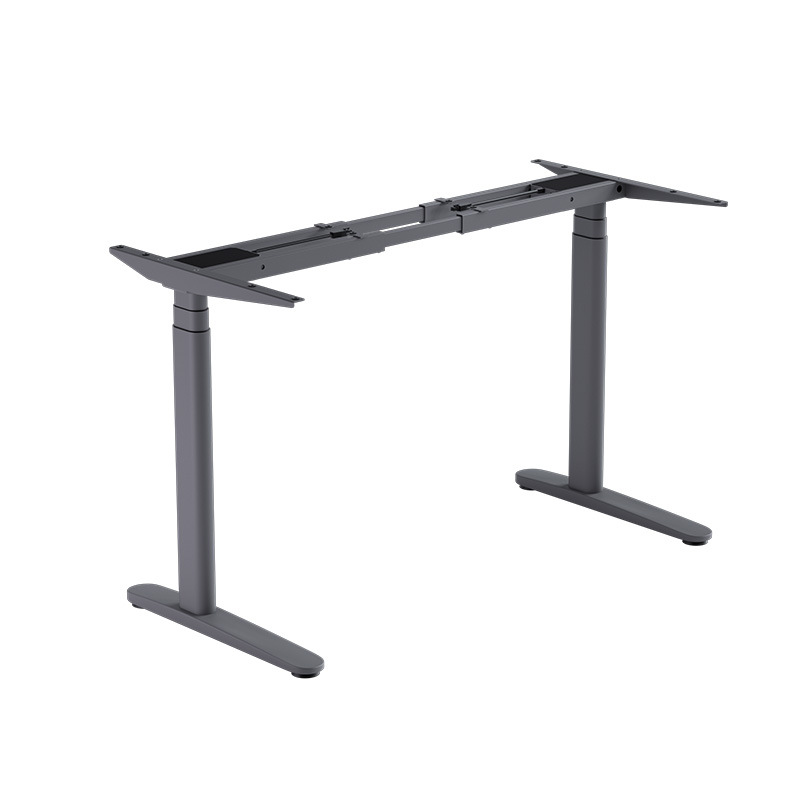
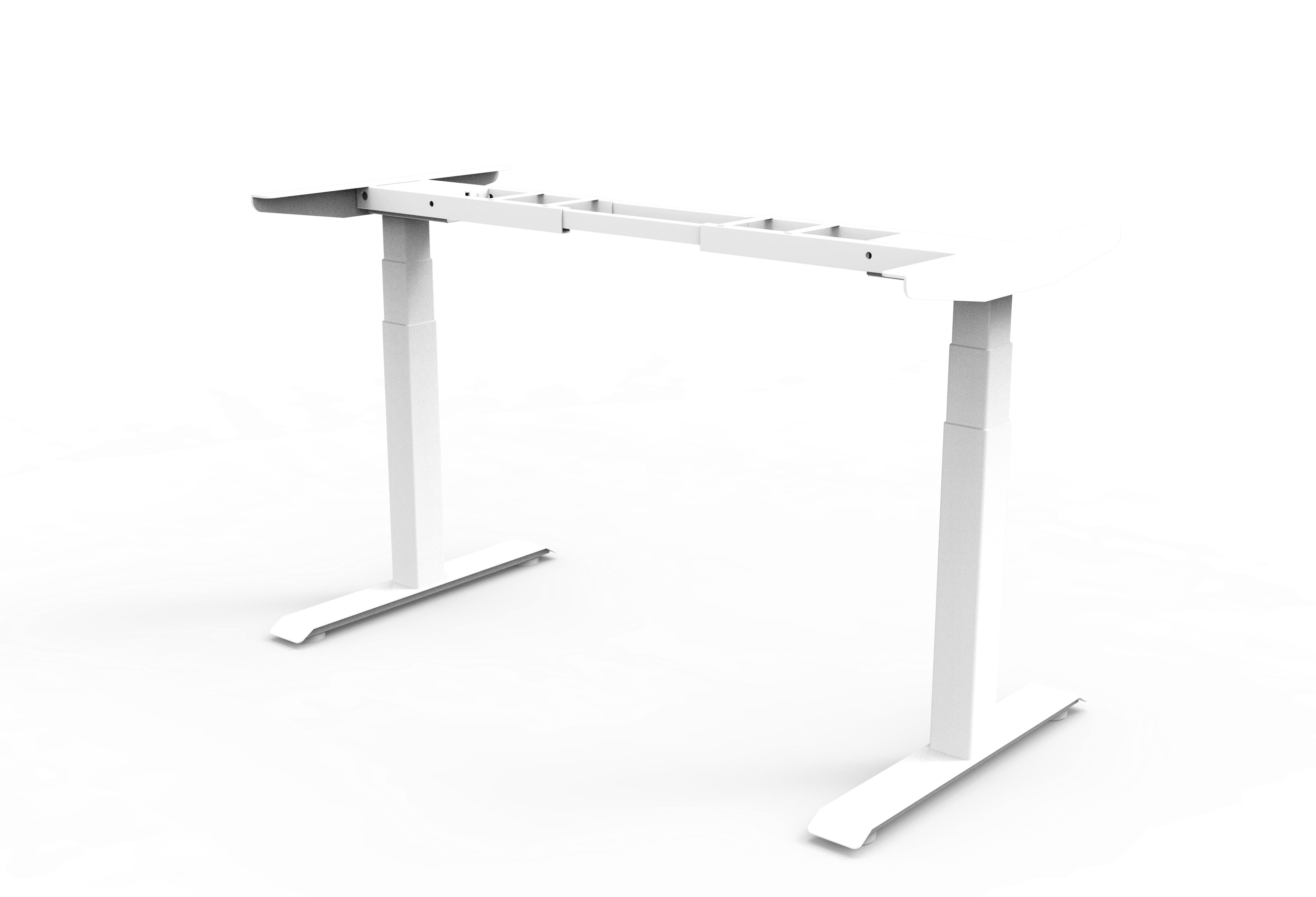
High-quality height-adjustable desks are an engineering marvel that integrates material science, ergonomic design, and intelligent control systems. The frame, typically constructed from cold-rolled steel with a powder-coated finish, provides structural integrity to support heavy monitors and equipment without wobbling. Advanced dual-motor systems, often featuring brushless DC motors, deliver smooth, silent height transitions at speeds up to 45mm/s, while anti-collision sensors ensure safety during movement. The desktop itself is a critical component: premium desks use 25mm thick particle board or bamboo with a scratch-resistant laminate, while budget options often use thinner, less durable materials that warp over time.
Intelligent control systems have evolved beyond simple up/down buttons. Modern desks offer programmable memory presets for multiple users, USB-C charging ports, and even integration with building management systems via Bluetooth or Wi-Fi. These features allow employees to save their preferred sitting and standing heights, while facility managers can monitor desk usage patterns to optimize space allocation. The synergy between these technical elements ensures that the desk not only performs reliably but also enhances the overall user experience.
| Specification | Standard | Pro | Enterprise |
|---|---|---|---|
| Height Range | 71-121cm | 65-130cm | 60-135cm |
| Load Capacity | 80kg | 120kg | 160kg |
| Adjustment Speed | 25mm/s | 38mm/s | 45mm/s |
| Noise Level | <50dB | <45dB | <40dB |
2.2 Quality Certifications & Standards
Certifications are the non-negotiable benchmarks that separate high-quality desks from inferior alternatives. BIFMA (Business and Institutional Furniture Manufacturers Association) certification ensures that the desk has passed rigorous durability, stability, and safety tests, including 100,000+ adjustment cycles. Greenguard Gold certification is critical for indoor air quality, verifying that the desk emits low levels of volatile organic compounds (VOCs) that can cause headaches and respiratory issues. ISO 9001 certification indicates that the manufacturer maintains consistent quality management processes, while CE marking confirms compliance with European health, safety, and environmental standards. B2B buyers should always request copies of these certificates and verify them with the issuing bodies.
3. Market Trends & Data Insights
The global height-adjustable desk market is projected to grow at a compound annual growth rate (CAGR) of 8.5% from 2023 to 2030, reaching a valuation of $42 billion by 2025, according to Grand View Research. This growth is fueled by the technology sector, which accounts for 35% of all procurement, followed by financial services (22%) and healthcare (18%). Notably, 65% of enterprise procurement managers in a 2023 survey by the International Facility Management Association (IFMA) reported plans to increase their budget for ergonomic furniture over the next three years. The trend toward hybrid work is also driving demand for desks with integrated cable management and mobile app controls, as employees seek seamless transitions between home and office setups. Over the next 3-5 years, we anticipate the integration of AI-driven posture correction alerts and predictive maintenance features that notify facility managers when a motor is nearing the end of its lifecycle.
4. Real-World Application Cases
Case Study: Tech Company 500-Employee Office Upgrade
Challenge: A rapidly growing SaaS company with 500 employees faced a 30% annual turnover rate partly attributed to poor ergonomics. Fixed workstations caused frequent neck and back pain, while the lack of sit-stand options led to low energy levels during afternoon hours. The open-plan layout also hindered cross-team collaboration, as employees avoided moving between fixed desks.
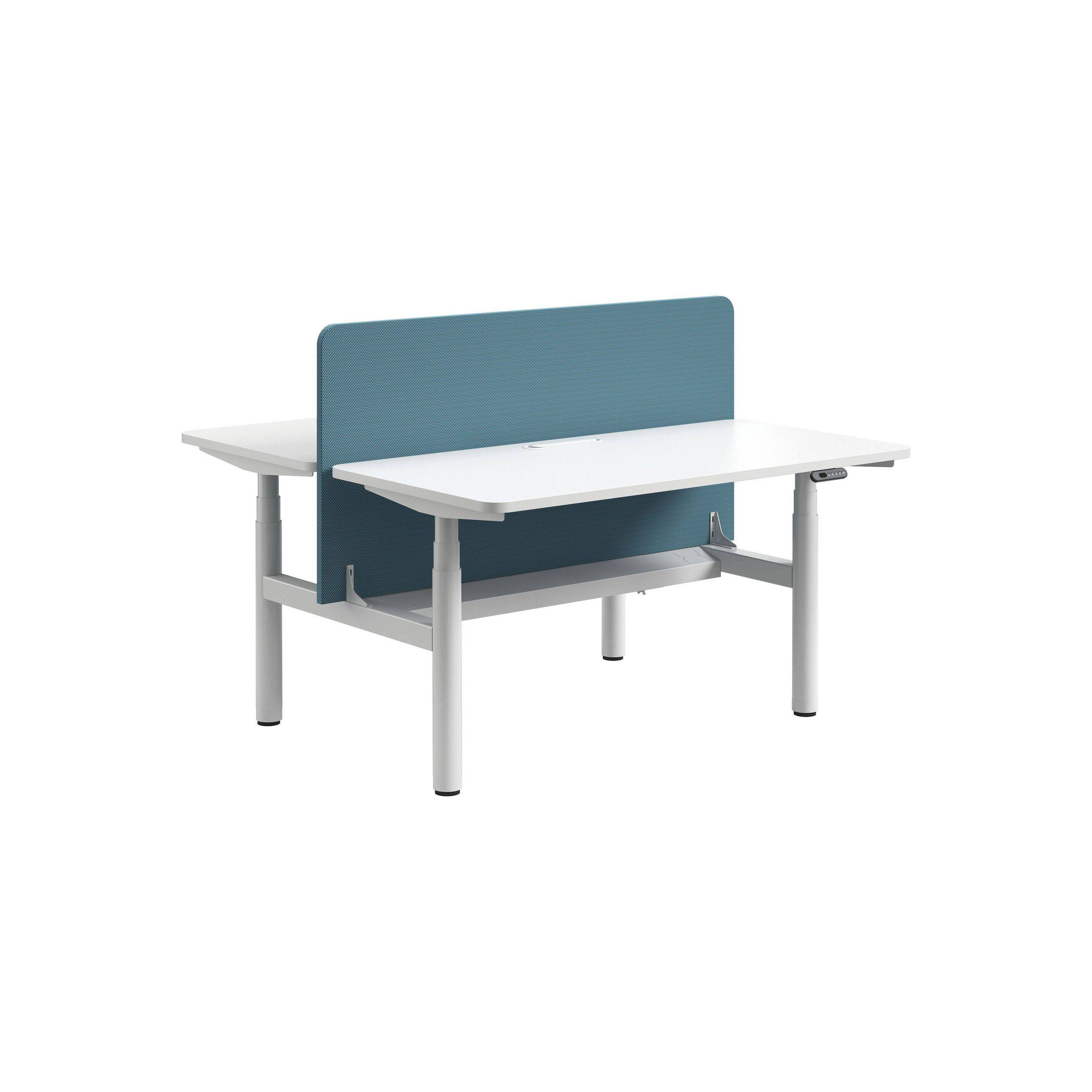
Solution: The company deployed 300 ETUP Enterprise-series smart standing desks with integrated cable management and programmable memory presets. The desks were installed in a zoned layout that included quiet focus areas, collaborative hubs, and social break zones. Employees received a 30-minute training session on optimal ergonomic use.
Results:
- 42% improvement in employee satisfaction
- 35% reduction in health-related absences
- 28% increase in cross-team collaboration
- ROI achieved in 18 months
5. Procurement Decision Guide
5.1 Needs Assessment Checklist
- Count current employees and 6-12 month growth projections
- Measure available office space dimensions and layout constraints
- Assess IT infrastructure capacity (power, network)
- Define budget range and phased implementation plan
- Gather employee feedback on current workspace pain points
5.2 Supplier Evaluation Criteria
Choosing the right supplier is as critical as selecting the product itself. A reliable supplier should have verifiable production qualifications, including a dedicated manufacturing facility with ISO 9001 certification. Evaluate their service network: do they have local installation teams or partners in your region? Client references are invaluable—ask for case studies from companies of similar size and industry. Pricing transparency is another red-flag indicator; a trustworthy supplier will provide a detailed breakdown of unit costs, shipping, installation, and any potential hidden fees such as restocking charges or minimum order penalties.
| Criteria | Weight | Evaluation Points |
|---|---|---|
| Product Quality | 30% | Materials, craftsmanship, certifications, warranty |
| Service Capability | 25% | Delivery time, installation, after-sales response |
| Price Competitiveness | 20% | Unit price, bulk discounts, hidden fees |
| Industry Experience | 15% | Years in business, client cases, reputation |
| Innovation | 10% | R&D investment, patents, product iteration |
5.3 Implementation Roadmap
Select pilot department, procure 10-20 units for testing
Collect feedback, optimize configuration, plan full rollout
Company-wide deployment, batch installation, staff training
Monitor results, continuous optimization, regular maintenance
6. ROI Analysis
The economic case for high-quality height-adjustable desks extends far beyond the initial purchase price. Direct costs include the desks themselves, installation, and training, while indirect benefits encompass productivity gains, reduced absenteeism, and improved employee retention. A 2022 study by the University of Sydney found that employees using sit-stand desks reported a 12% increase in self-reported productivity, translating to an average of $280 per employee per year. Furthermore, a reduction in health-related absences by 35% can save an organization with 100 employees approximately $13,000 annually, based on average sick leave costs. When factoring in recruitment and training costs saved by improved retention, the payback period for a bulk investment is often less than 18 months.
ROI Calculation Example (100-employee company)
7. ETUP Core Advantages
All products come with a 5-year comprehensive warranty. Core motor systems are tested for 200,000 cycles to ensure long-term stable operation.
Support desktop size, color, and material customization, corporate logo printing and laser engraving. Custom orders start at 80 units, meeting B2B personalized needs.
Professional technical team responds within 4 hours, providing one-stop service from solution design, product selection to installation and commissioning.
Years of experience in B2B office furniture, serving numerous well-known enterprises with rich experience in bulk delivery and project management.
ETUP vs Industry Standard
| Comparison | ETUP | Industry Standard |
|---|---|---|
| Product Warranty | 5-year full warranty | 1-3 years |
| Customization MOQ | 80 units | 200-500 units |
| Design Response Time | As fast as 4 hours | 2-3 business days |
| Delivery Time | 2-3 weeks | 4-6 weeks |
| After-sales Service | 7×24 technical support | Business days only |
8. B2B Customer FAQs
Q: What is the minimum order quantity for bulk purchasing? What are the requirements for customized products?
A: Standard products have no MOQ. Customized products (including logo printing, special colors, size adjustments) start at 80 units. We provide free sample production service before bulk manufacturing.
Q: What is the product warranty policy? How are repairs handled during the warranty period?
A: All ETUP products come with a comprehensive five-year warranty covering frames and other mechanical core components. Electronic parts (motors, controllers) are covered for 1 year. During the warranty period, we provide free replacement parts and remote troubleshooting support. For issues requiring on-site repair, we can dispatch certified technicians from our extensive service network to perform repairs on-site, minimizing disruption to your operations.
Q: How long does it take from order to delivery? Can it be expedited?
A: Standard products typically deliver within 2-3 weeks. Customized orders take 3-4 weeks. We offer expedited services for urgent projects, with delivery as fast as 2 weeks, depending on product configuration and order volume.
Q: Can you provide design solutions based on our office space?
A: Absolutely. Our complimentary space planning and design services are an integral part of our B2B offerings. Simply provide your office floor plan and key requirements, and our design team will deliver preliminary layout proposals and realistic 3D renderings within 4 hours, helping you visualize the transformed space.
Q: Do products comply with international quality certification standards?
A: Yes. Our products are certified by BIFMA, CE, RoHS and other international standards, meeting import requirements for European and American markets. Complete certification documents and test reports can be provided.
Ready to Transform Your Workspace?
Contact ETUP specialists today for a free office space assessment and customized proposal
✓ Free on-site measurement ✓ 3D visualization ✓ Volume discounts