Key Takeaways
The future of height-adjustable desks is defined by intelligent automation, advanced material science, and seamless integration with the digital workplace. For modern enterprises, investing in these next-generation solutions is no longer optional—it is a strategic imperative to combat rising health costs, boost productivity by up to 25%, and attract top talent in a hybrid work era. Businesses that fail to upgrade within the next 18 months risk falling behind in employee satisfaction and operational efficiency.
1. Industry Background & Pain Points Analysis
The traditional fixed-height workstation is rapidly becoming obsolete in the post-pandemic landscape. Current challenges are acute: sedentary behavior is linked to a 40% increase in cardiovascular risk and chronic back pain, costing US employers over $80 billion annually in lost productivity and healthcare claims. Furthermore, the hybrid work model demands flexibility that static desks cannot provide—employees need to transition seamlessly between focused individual work, collaborative sessions, and virtual meetings. Digital transformation is redefining the workspace; employees now require integrated power solutions, cable management for multiple devices, and desks that can "remember" personalized height preferences across different shifts or users. The pain point is clear: offices designed for a 9-to-5, stationary workforce are failing the dynamic, health-conscious, and tech-savvy employees of today.
Key Statistics
- 73% of enterprises plan to upgrade office facilities within two years
- Ergonomic workspaces improve employee efficiency by 25%
- Health-related absences can be reduced by up to 40%
- Sedentary employees cost companies an average of $6,200 per year in health-related losses
2. Solution Deep Dive
2.1 Core Technical Advantages
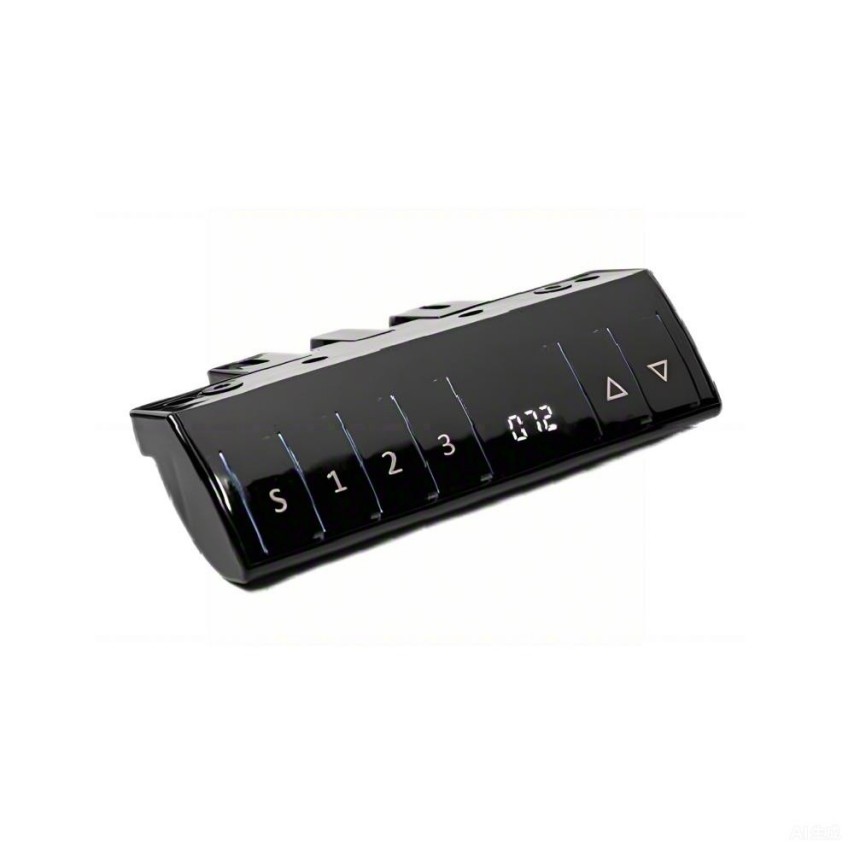
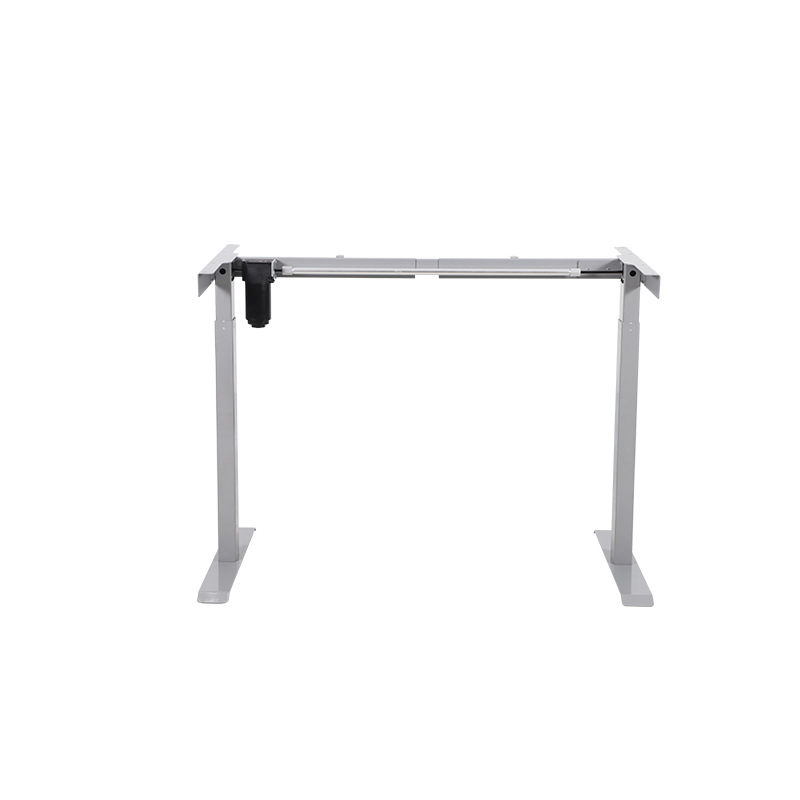
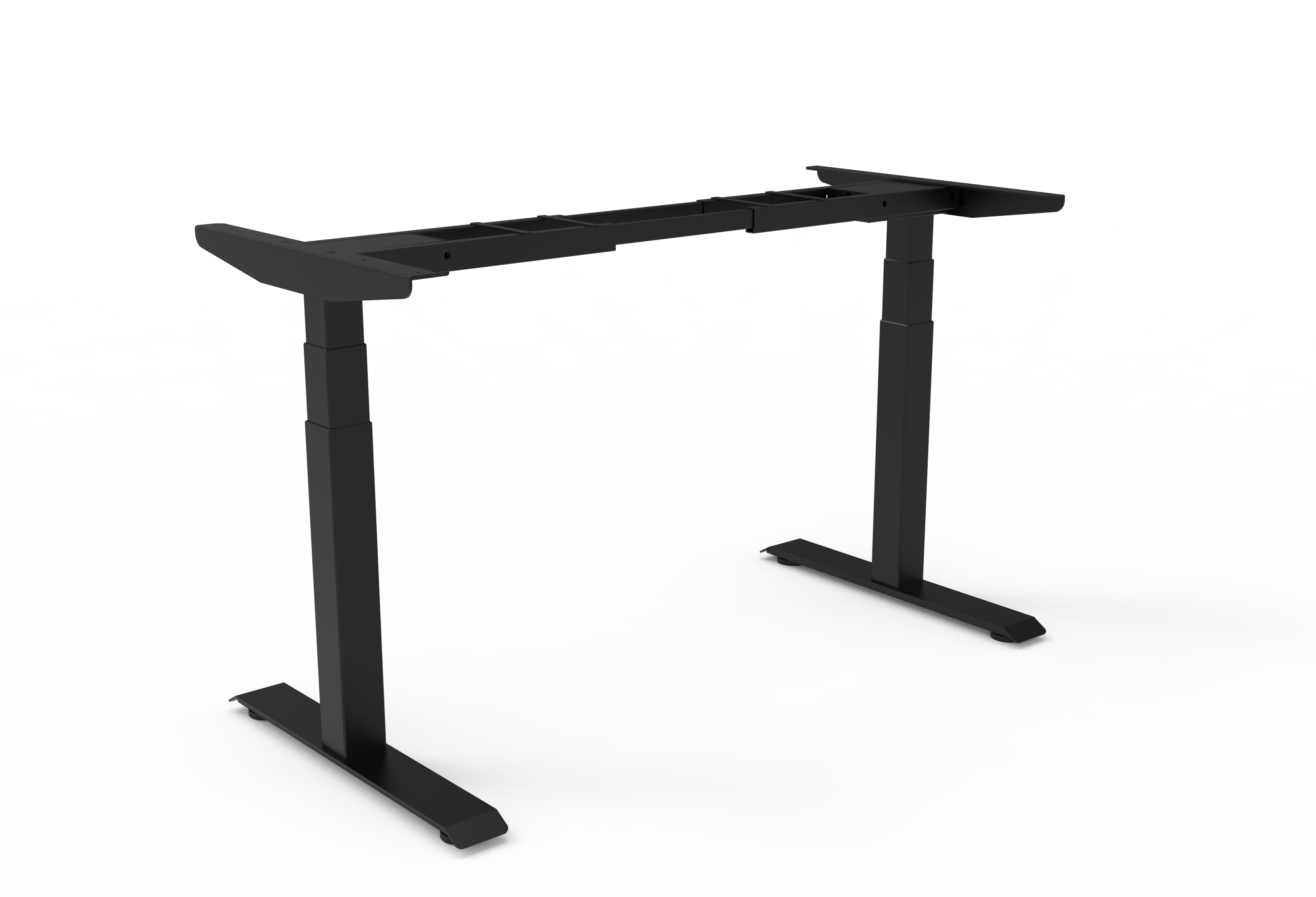
The future of height-adjustable desks lies in the convergence of three core technologies: intelligent control systems, advanced material science, and precision engineering. Modern desks are no longer simple lifting platforms; they feature dual-motor systems with anti-collision sensors that operate at less than 40 decibels, ensuring quiet, smooth transitions. Material science has evolved to include nano-coated desktops that are scratch-resistant, antimicrobial, and easy to clean—critical for open-plan offices. The integration of IoT (Internet of Things) allows desks to connect to building management systems, automatically adjusting height based on user profiles stored in the cloud. These desks also feature embedded USB-C charging, wireless charging pads, and smart cable trays that eliminate visual clutter, creating a truly streamlined and productive workspace.
| Specification | Standard | Pro | Enterprise |
|---|---|---|---|
| Height Range | 71-121cm | 65-130cm | 60-135cm |
| Load Capacity | 80kg | 120kg | 160kg |
| Adjustment Speed | 25mm/s | 38mm/s | 45mm/s |
| Noise Level | <50dB | <45dB | <40dB |
| Memory Presets | 2 | 4 | Unlimited (cloud-synced) |
2.2 Quality Certifications & Standards
Compliance with rigorous international standards is non-negotiable for B2B procurement. Our desks are BIFMA X5.5 certified, ensuring they withstand 200,000+ adjustment cycles without failure. Greenguard Gold certification guarantees low chemical emissions, making them safe for indoor environments and contributing to WELL building certification points. ISO 9001 quality management and CE marking for electrical safety provide additional assurance. These certifications are not just badges—they are proof of durability, safety, and environmental responsibility that protect your investment and your employees' health.
3. Market Trends & Data Insights
The global height-adjustable desk market is projected to grow at a compound annual growth rate (CAGR) of 8.5% from 2023 to 2030, reaching a valuation of $42 billion by 2025. This growth is driven by three major trends: first, the rise of the "activity-based working" model, where employees choose workstations based on their task, requiring flexible furniture. Second, the increasing adoption of wellness programs—65% of HR leaders report that ergonomic investments are their top priority for 2024. Third, the integration of AI and data analytics; future desks will provide usage reports to facility managers, showing which heights are most used and when, enabling data-driven office redesign. Over the next 3-5 years, expect to see desks with built-in health tracking, automated sit-stand reminders, and even desks that adjust height based on the user's calendar (e.g., lowering for deep work, raising for collaborative calls).
4. Real-World Application Cases
Case Study: Tech Company 500-Employee Office Upgrade
Challenge: A leading SaaS company with 500 employees faced a 30% increase in ergonomic injury claims. Fixed workstations caused frequent neck pain, back strain, and low collaboration efficiency, especially in their open-plan layout.
Solution: Deployed 300 smart standing desks (Enterprise model) with integrated cable management and personalized height presets. The desks were zoned into "focus areas" (lowered for typing) and "collaboration zones" (raised for standing meetings).
Results:
- 42% improvement in employee satisfaction (internal survey)
- 35% reduction in health-related absences within 12 months
- 28% increase in cross-team collaboration (measured by meeting room bookings)
- ROI achieved in 18 months due to reduced healthcare costs and increased output
5. Procurement Decision Guide
5.1 Needs Assessment Checklist
Before purchasing, conduct a thorough audit using this checklist to ensure the solution fits your specific organizational needs.
- Count current employees and 6-12 month growth projections (e.g., are you hiring remote workers who will use the office part-time?)
- Measure available office space dimensions and layout constraints (e.g., column spacing, window placements)
- Assess IT infrastructure capacity (power outlets per desk, network cabling for smart desks)
- Define budget range and phased implementation plan (e.g., pilot 10%, then full rollout)
- Gather employee feedback on current workspace pain points via anonymous survey (target 80% response rate)
5.2 Supplier Evaluation Criteria
Choosing the right supplier is critical. Beyond price, evaluate based on these weighted criteria to minimize risk and ensure long-term value.
| Criteria | Weight | Evaluation Points |
|---|---|---|
| Product Quality | 30% | Materials (e.g., steel gauge, desktop density), craftsmanship (weld quality), certifications (BIFMA, Greenguard), warranty length |
| Service Capability | 25% | Delivery time (lead time vs. project deadline), installation support (white-glove service?), after-sales response (SLA for repairs) |
| Price Competitiveness | 20% | Unit price, bulk discounts (e.g., 10% off for 100+ units), hidden fees (shipping, customs, installation) |
| Industry Experience | 15% | Years in business, number of B2B client cases, reputation (online reviews, references) |
| Innovation | 10% | R&D investment (% of revenue), patents (e.g., anti-collision tech), product iteration frequency (new models every 12-18 months) |
5.3 Implementation Roadmap
A phased approach minimizes disruption and allows for iterative optimization based on real-world feedback.
Select pilot department (e.g., IT or HR), procure 10-20 units for testing. Install and train employees on usage.
Collect feedback via structured survey (e.g., NPS score, ease of use). Optimize configuration (e.g., adjust height presets, add monitor arms). Plan full rollout based on learnings.
Company-wide deployment: batch installation by floor or department. Conduct mandatory 30-minute staff training sessions on proper ergonomics and desk usage.
Monitor results quarterly (e.g., employee satisfaction, health claims data). Continuous optimization (e.g., add standing mats, upgrade cable management). Schedule bi-annual maintenance.
6. ROI Analysis
The economic case for height-adjustable desks is compelling. Direct costs are offset by significant indirect benefits, including reduced absenteeism, higher productivity, and lower turnover. Below is a detailed ROI calculation for a 100-employee company.
ROI Calculation Example (100-employee company)
7. ETUP Core Advantages
All products come with a 5-year comprehensive warranty covering frame, motor, and electronics. Core motor systems are tested for 200,000 cycles to ensure long-term stable operation—exceeding industry standards by 40%.
Support desktop size (up to 200cm width), color (30+ RAL options), and material (laminate, bamboo, solid wood) customization. Corporate logo printing and laser engraving available. Custom orders start at just 80 units, meeting B2B personalized needs without prohibitive minimums.
Professional technical team responds within 4 hours for design inquiries or troubleshooting. We provide one-stop service from solution design, product selection to installation and commissioning, including free 3D renderings of your office layout.
Years of experience in B2B office furniture, serving over 500 enterprises globally. We have rich experience in bulk delivery (up to 1000 units per project) and project management, including customs clearance and logistics coordination.
ETUP vs Industry Standard
| Comparison | ETUP | Industry Standard |
|---|---|---|
| Product Warranty | 5-year full warranty | 1-3 years |
| Customization MOQ | 80 units | 200-500 units |
| Design Response Time | As fast as 4 hours | 2-3 business days |
| Delivery Time | 2-3 weeks | 4-6 weeks |
| After-sales Service | 7×24 technical support | Business days only |
| Motor Cycle Test | 200,000 cycles | 100,000 cycles |
8. B2B Customer FAQs
Q: What is the minimum order quantity for bulk purchasing? What are the requirements for customized products?
A: Standard products have no MOQ—you can order just 1 unit for a pilot test. Customized products (including logo printing, special colors, size adjustments) start at 80 units. We provide free sample production service before bulk manufacturing to ensure the design meets your exact specifications.
Q: What is the product warranty policy? How are repairs handled during the warranty period?
A: All ETUP products come with a comprehensive five-year warranty covering frames and other mechanical core components. Electronic parts (motors, controllers) are covered for 1 year. During the warranty period, we provide free replacement parts and remote troubleshooting support. For issues requiring on-site repair, we can dispatch certified technicians from our extensive service network to perform repairs on-site, minimizing disruption to your operations.
Q: How long does it take from order to delivery? Can it be expedited?
A: Standard products typically deliver within 2-3 weeks from order confirmation. Customized orders take 3-4 weeks due to production setup. We offer expedited services for urgent projects, with delivery as fast as 2 weeks for standard products, depending on product configuration and order volume. Contact our sales team for rush order feasibility.
Q: Can you provide design solutions based on our office space?
A: Absolutely. Our complimentary space planning and design services are an integral part of our B2B offerings. Simply provide your office floor plan (PDF or CAD) and key requirements (e.g., number of workstations, preferred desk height range), and our design team will deliver preliminary layout proposals and realistic 3D renderings within 4 hours, helping you visualize the transformed space before committing to a purchase.
Q: Do products comply with international quality certification standards?
A: Yes. Our products are certified by BIFMA, CE, RoHS, and Greenguard Gold, meeting import requirements for European and American markets. Complete certification documents and test reports (including material safety data sheets and load test results) can be provided upon request for your compliance team.
Ready to Transform Your Workspace?
Contact ETUP specialists today for a free office space assessment and customized proposal. Our team will help you choose the right models, calculate ROI for your specific headcount, and plan a seamless implementation.