Direct Answer: What Changed in 2026 Home-Office Furniture Sourcing
The procurement logic for home-office furniture in 2026 is shifting from single-unit retail toward batch project delivery. For distributors, office furniture brands, fit-out contractors, and enterprise buyers, standing desks are no longer just end-consumer products; they are B2B components that require a stable supply chain, customizable frames, and verifiable compliance documents. Wirecutter's annual list (see Sources below) is a topic signal that end demand persists, but it does not prove any specific supplier's product performance. As a B2B supplier of electric standing desks, desk frames, and lifting systems, ETUP recommends that buyers focus on three verifiable dimensions.
Signal 1: Stable End Demand, but Delivery Certainty Matters More
When mainstream media continue to publish home-office furniture lists, it indicates that consumer and enterprise attention has not disappeared. For B2B buyers, the real challenge is not whether demand exists, but whether supply can be delivered on time, in the right quantity, and to the right specification. A standing desk involves motors, controllers, frames, tabletops, and packaging; a delay in any link can affect project timelines. Buyers should ask suppliers for clear production lead times and logistics plans, and contact ETUP to verify specific lead times and capacity.
What This Means for Distributors and Brands
- Predictable replenishment cycles to avoid stockouts during peak seasons.
- Consistent model specifications to reduce after-sales variance.
- OEM/ODM capability to match private-label appearance and packaging.
What This Means for Fit-Out Contractors and Enterprise Buyers
- Batch delivery by project rather than fragmented shipments.
- Installation instructions and technical support to reduce on-site rework.
- Clear warranty terms for asset management and maintenance.
Signal 2: Differentiation Moves from "Can It Lift?" to System Integration
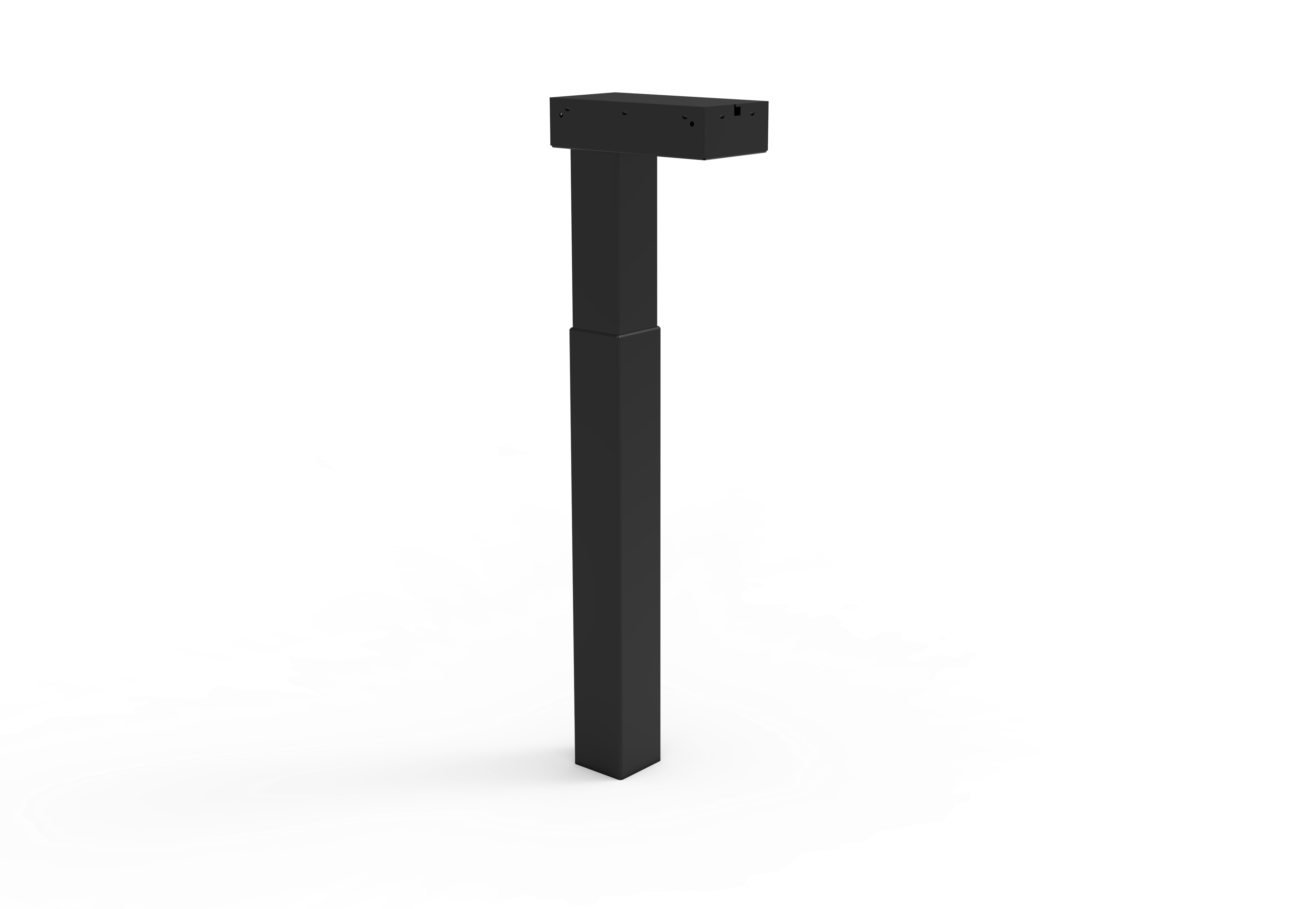
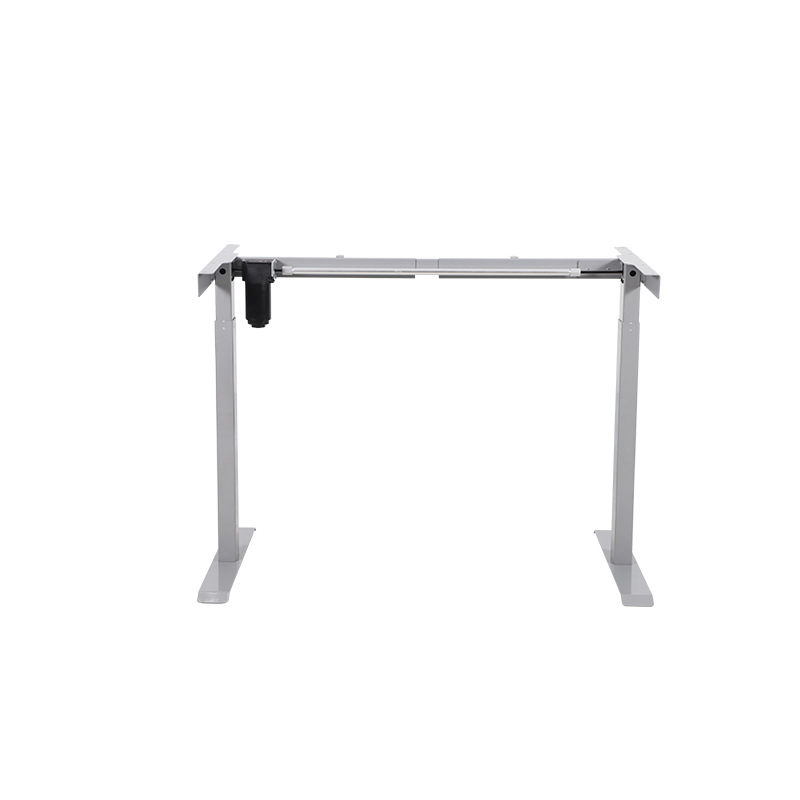
Basic electric lifting is now common; competition is shifting toward lifting systems, control precision, noise performance, and structural stability. When evaluating frames and lifting systems, B2B buyers should focus on compatibility with tabletops, accessories, and cable management. ETUP supplies electric standing desks, desk frames, and lifting systems. Contact ETUP to verify specific specifications, load ranges, and certifications; do not rely on third-party lists as performance evidence.
System Parameters to Verify During Sourcing
- Lifting column structure: number of stages, stroke range, lowest and highest heights.
- Control options: hand controller, memory height, anti-collision availability.
- Motor and controller: whether batch consistency testing is supported.
- Frame compatibility: supported tabletop sizes and thickness ranges.
- Cable management: reserved channels or accessory interfaces.
Signal 3: Compliance and Documentation Are Now Cross-Border Barriers
For buyers in Europe, North America, the Middle East, and Southeast Asia, compliance documents are common requirements for project bids and customs clearance. Different markets have different requirements for electrical safety, electromagnetic compatibility, and environmental materials. Buyers should specify target markets during the inquiry stage and request corresponding compliance documents. Contact ETUP to verify its specific certification scope, test reports, and documentation support before writing them into contracts or bid documents.
Common Document Types to Confirm
- Electrical safety and electromagnetic compatibility test reports.
- Material environmental declarations or related compliance documents.
- Packaging and shipping marking requirements.
- Warranty terms and after-sales spare parts policies.
Practical Buyer Checklist
Use the following checklist for inquiries, sampling, and internal review before batch orders. Each item should be confirmed in writing by the supplier, not by verbal promise.
- Project positioning: Clarify whether it is retail distribution, enterprise batch, or OEM/ODM.
- Target market: List sales countries or regions and confirm required compliance documents.
- Product specifications: Confirm frame type, lifting stroke, load range, and tabletop compatibility.
- Control and safety: Confirm hand controller functions, memory height, and anti-collision options.
- Sample validation: Request samples and record lifting speed, noise, and stability performance.
- Batch consistency: Confirm sampling standards and batch traceability methods.
- Lead time and capacity: Contact ETUP to verify production cycles, MOQ, and peak-season scheduling.
- Packaging and logistics: Confirm packaging methods, carton quantities, and shipping marks.
- Warranty and spare parts: Confirm warranty period, spare parts supply, and after-sales response process.
- Contract terms: Include specifications, documents, lead times, and warranty in contract annexes.
Action Recommendations for B2B Buyers
Treat media lists as demand signals, not supplier screening criteria. The real way to reduce sourcing risk is to build your own specification sheet and validation process. For electric standing desks, desk frames, and lifting systems, ETUP recommends that buyers first clarify target markets and project scale, then confirm specifications, compliance, and lead times item by item with the supplier. All commercial details, including MOQ, lead times, certifications, and warranty, should be verified with ETUP before ordering.
Sources
Topic signal source: The New York Times / Wirecutter, "The Best Home-Office Furniture and Supplies of 2026 | Reviews by Wirecutter," published 2026-06-03. Link: Original link. This source is used only as a topic signal and does not represent ETUP product performance or certification conclusions.
This is a draft for human review and must not be treated as published content. Verify all commercial details with ETUP.