Direct answer: What do 2026 office design trends mean for B2B procurement?
The core of 2026 office design trends is a shift from “space aesthetics” to “adjustable, sustainable, and verifiable” office infrastructure. For distributors, office furniture brands, fit-out contractors, enterprise buyers, and designers, this means electric standing desks, desk frames, and lifting systems are no longer peripheral accessories. They are strategic procurement items that should be built into project specifications, acceptance criteria, and supply chain planning early. This article uses BusinessToday Malaysia’s trend report as a topic signal and offers original procurement analysis. It does not rewrite the source article and does not treat media coverage as proof of ETUP product performance.
Reading the signal: Why 2026 warrants a fresh look at standing desk sourcing
On 4 January 2026, BusinessToday Malaysia published “Office Design Trends To Consider For 2026,” placing office design trends on the annual agenda. That report is the topic signal for this article, not evidence of product performance. For B2B buyers, the value is not in the trend headlines themselves but in the procurement logic behind them: office spaces are evolving from fixed workstations toward flexible, health-conscious, and sustainable work environments, and furniture must support adjustment, reconfiguration, and long-term use.
As a result, 2026 procurement discussions should focus on three verifiable dimensions: whether product specifications support project requirements, whether the supplier can provide consistent quality documentation, and whether commercial terms are clear and negotiable. All specific parameters, certifications, MOQ, lead times, and warranty terms must be verified with ETUP and should not be inferred from media coverage.
Trend 1: Flexible work and workstation adjustability
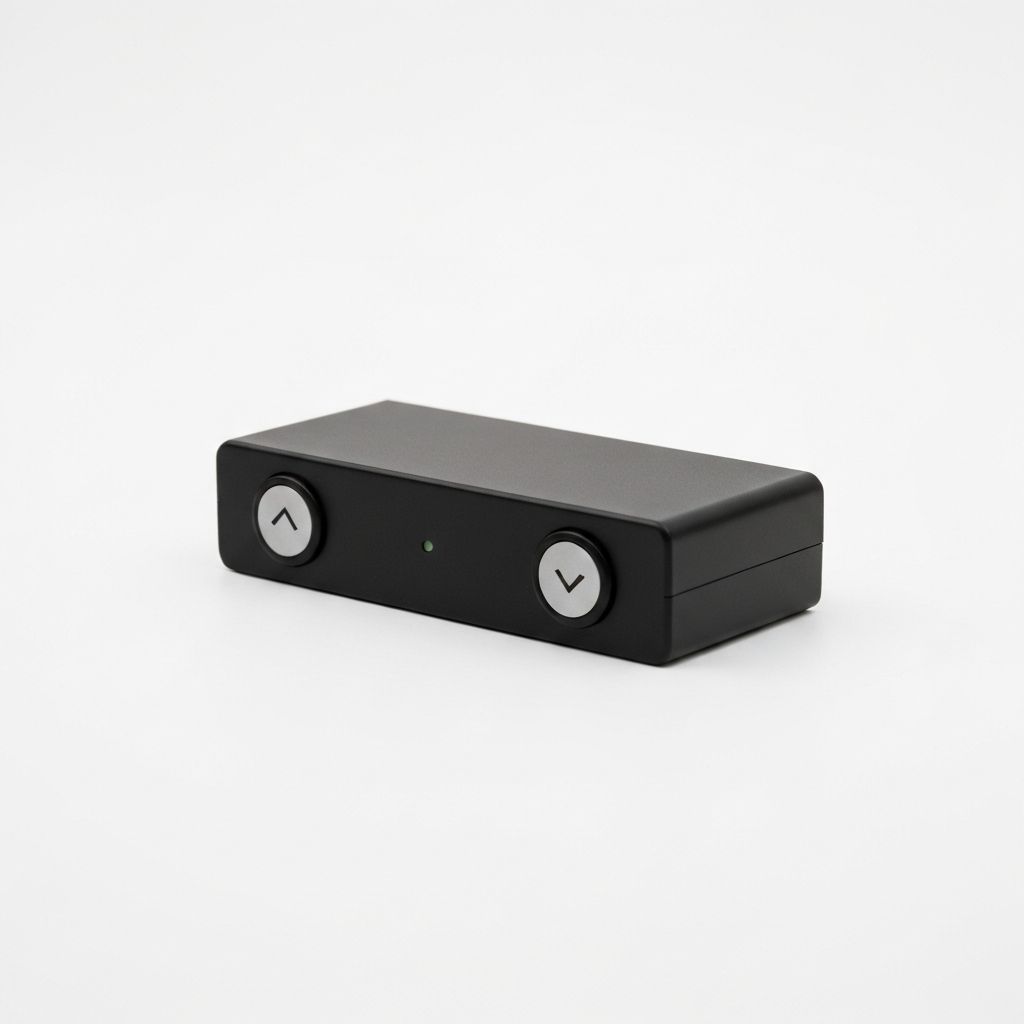
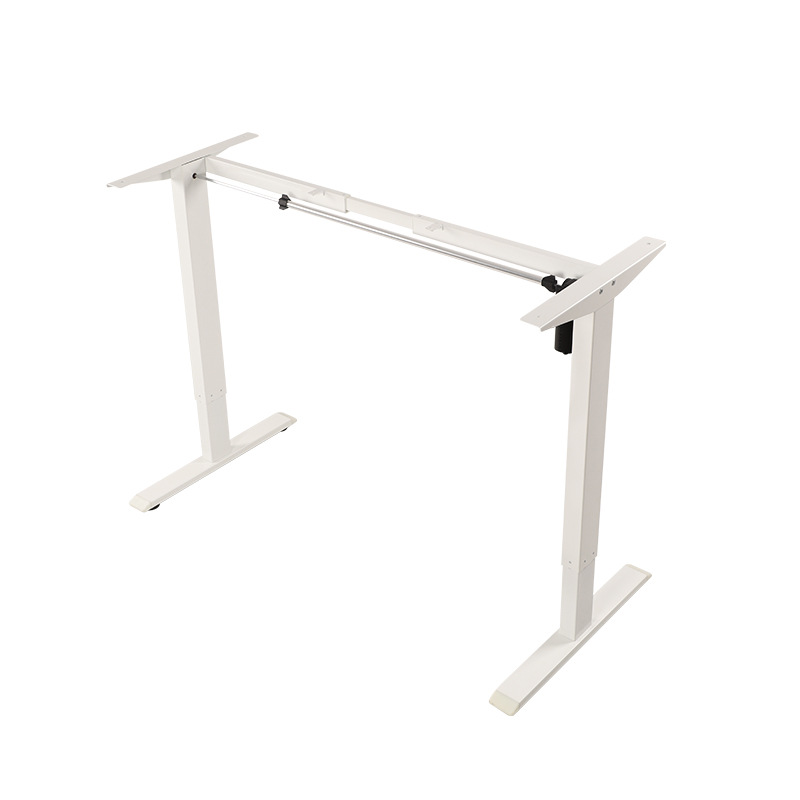
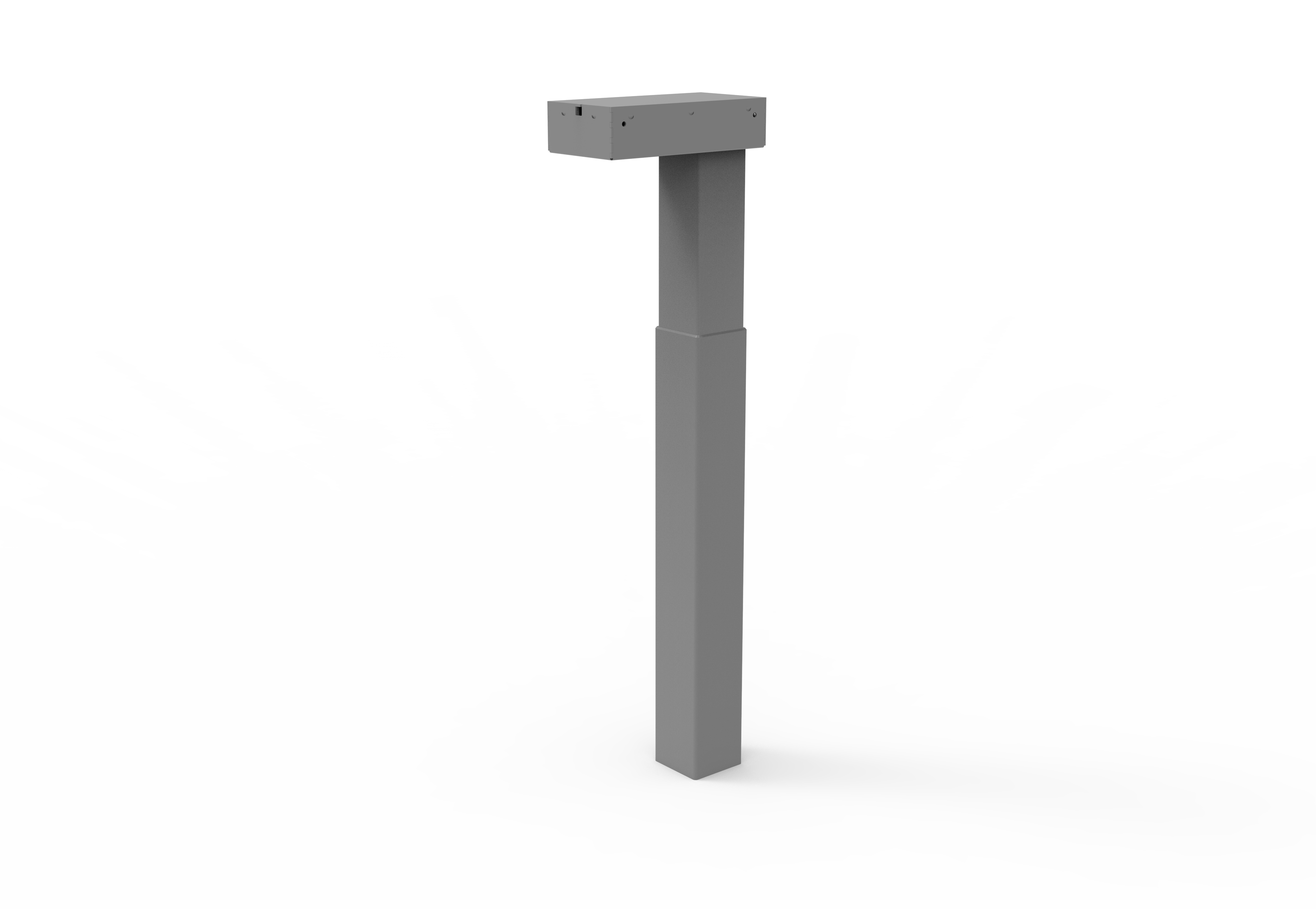
Hybrid work has made workstation utilization more volatile, and organizations are increasingly inclined to specify height-adjustable desks so the same space can serve different tasks and users. For buyers, this means clarifying height range, load requirements, control options (such as hand controllers or memory presets), and compatibility between desk frames and tabletops. Designers should confirm early how lifting systems match project tabletop thickness and cable management. Distributors should assess whether product families are easy to combine and expand later. For specific height ranges, load capacities, and control options, contact ETUP to verify.
Trend 2: Health and ergonomics as specification items
Ergonomics is moving from a “nice-to-have” to a specification item. Enterprise buyers increasingly expect procurement documents to explain how a product supports sit-stand alternation, rather than relying on marketing language alone. B2B procurement should require verifiable product information, including structural descriptions, operating methods, and intended use scenarios. Note that any health or ergonomic benefit claim should be substantiated; this article does not claim specific health effects for ETUP products, and relevant testing and claims should be verified with ETUP.
Trend 3: Sustainability and total cost of ownership
Sustainable procurement focuses on materials, packaging, repairability, and service life. For standing desks, the durability and maintainability of desk frames and lifting systems directly affect total cost of ownership. Buyers should ask about spare parts availability, repair options, and packaging optimization possibilities. These commercial details vary by supplier and region; confirm them with ETUP. Trend descriptions in media reports cannot replace a supplier’s actual documentation.
Trend 4: Regional market differences
Projects in Europe, North America, the Middle East, and Southeast Asia face different conditions: voltage and plug standards, office culture, logistics cycles, and acceptance practices can all influence selection. Distributors and contractors should clarify the electrical and control configuration requirements of the target market before quoting and confirm whether the supplier can provide the appropriate version for the project. ETUP supplies B2B electric standing desks, desk frames, and lifting systems; for specific market adaptation, certification, and documentation support, contact ETUP to verify.
Trend 5: OEM/ODM and brand differentiation
Office furniture brands and designers increasingly need product differentiation without sacrificing delivery certainty. OEM/ODM discussions should center on adjustable specification ranges, appearance customization, packaging, and documentation support. Buyers should break “customizable” into verifiable questions: which components can be customized, whether customization affects lead time, and what the minimum order quantity is. All of these must be confirmed with ETUP; this article provides no specific figures.
Practical buyer checklist: Turning trends into executable procurement
- Project requirements: Define use scenarios, workstation quantities, height range, load, and control requirements.
- Technical compatibility: Confirm compatibility among desk frames, tabletops, cable management, power, and control systems.
- Compliance and documentation: List the certifications, labels, and documents required for the target market and verify with ETUP what can be provided.
- Commercial terms: Confirm MOQ, lead time, warranty, spare parts, and payment terms rather than relying on assumptions.
- Samples and acceptance: Agree on sample evaluation, acceptance criteria, and inspection methods.
- After-sales and spares: Clarify repair paths, spare parts supply, and response mechanisms.
- Packaging and logistics: Confirm packaging methods, volume and weight, and destination port requirements.
- Change management: Agree on specification changes, order adjustments, and communication processes.
Conclusion
2026 office design trends offer a timely reason for B2B buyers to revisit standing desk specifications and supply chains, but trend reporting itself is not evidence of product performance or commercial terms. The pragmatic approach is to convert trends into a checklist of verifiable questions and confirm each item with ETUP. This article is a draft for human review and should not be treated as published content.
Sources
Topic signal: BusinessToday Malaysia, “Office Design Trends To Consider For 2026,” 4 January 2026. Original link. This link is provided only to label the topic source; it does not indicate reproduction of the original content or endorsement of ETUP products.