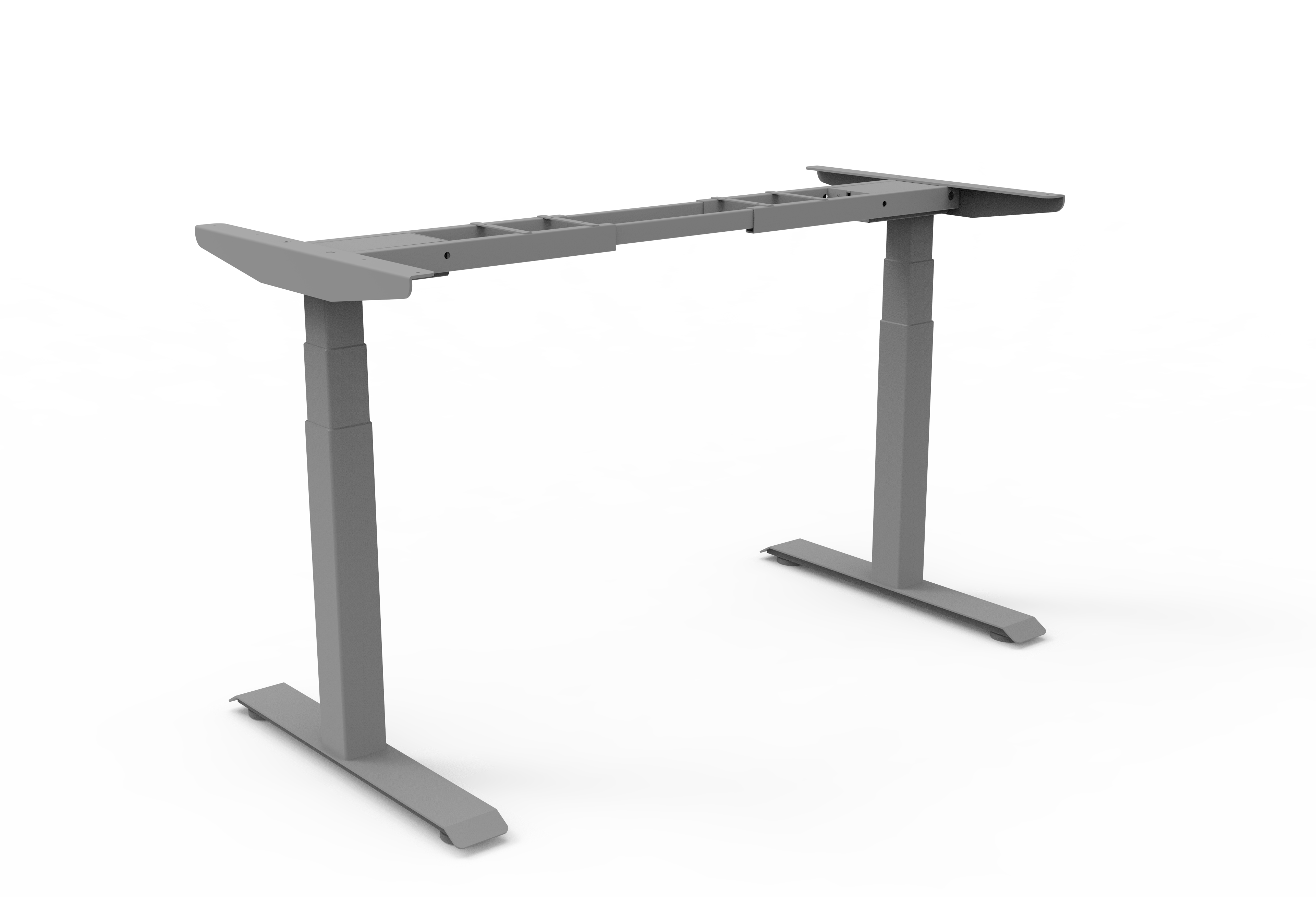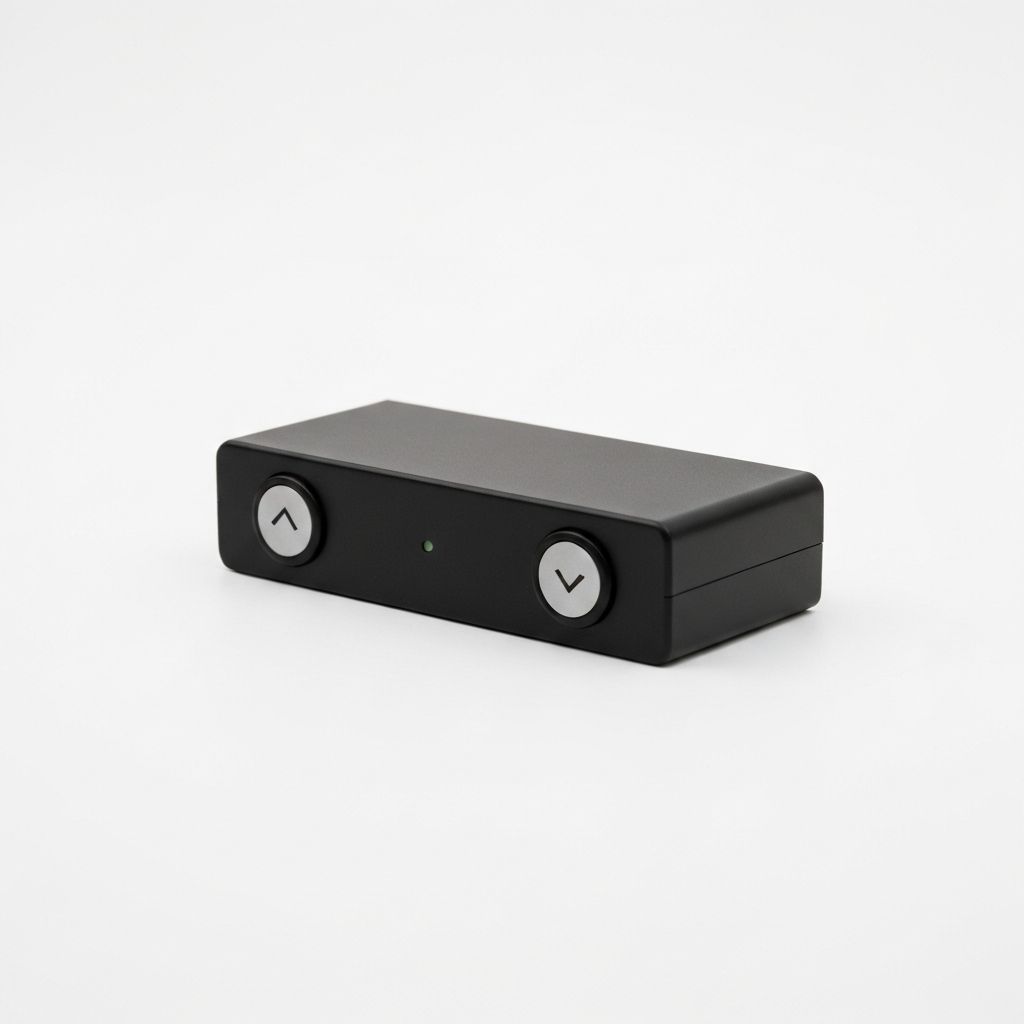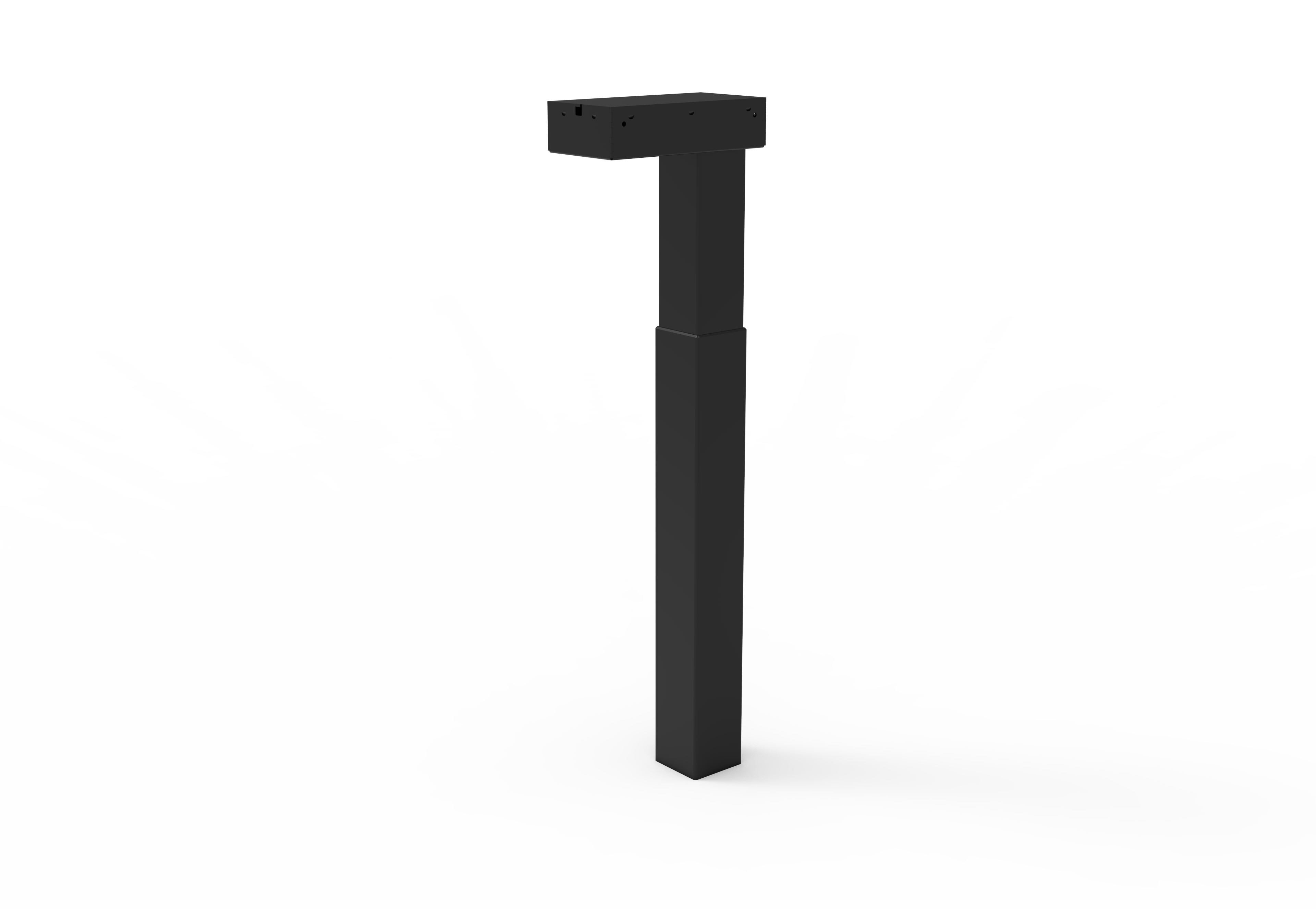
Direct Answer: Office Furniture Procurement in 2026 Should Prioritize Flexibility and Space Efficiency
According to CBRE's "2026 Global Workplace & Occupancy Insights" report (used here only as an industry trend signal), hybrid work continues to reshape corporate real estate strategies, with space utilization and employee experience becoming key metrics. For B2B buyers, this means when procuring electric standing desks, desk frames, and lifting systems, priority should be given to adjustability, modular design, and long-term durability rather than simply seeking the lowest unit price. Buyers are advised to confirm specific commercial details with suppliers like ETUP to ensure product specifications match project requirements.
Interpreting the Trend Signal: Space Strategies Under Normalized Hybrid Work
The CBRE report indicates that while differences exist across regions and industries, office occupancy rates globally remain below pre-pandemic levels, and companies are focusing on space quality rather than quantity. This trend has direct implications for office furniture procurement:
- Increase in flexible workstations: Fixed desks are decreasing while shared workstations and collaboration areas are growing, requiring desks with quick adjustment and durability features.
- Growing focus on health and well-being: Employee demand for sit-stand alternation is rising, pushing electric standing desks from premium configurations toward standard offerings.
- Space utilization optimization: Companies are using sensors and data analytics to optimize space use, requiring furniture that adapts to dynamic layout changes.
These signals do not directly prove ETUP product performance, but they provide directional reference for procurement decisions.
Impact on B2B Buyers: Shifting Demand for Electric Standing Desks and Lifting Systems
1. Distributors and Office Furniture Brands
With hybrid work becoming widespread, end customers have more diverse needs for adjustable desks. Distributors and brands should look for suppliers that offer flexible OEM/ODM options and can support small-batch customization and fast delivery. Contact ETUP to verify minimum order quantities, lead times, and customization capabilities.
2. Fit-out Contractors and Designers
In office fit-out projects, integrating electric standing desks requires consideration of wiring, load capacity, and control system compatibility. Designers should prioritize suppliers that provide complete technical documentation and installation guides to reduce on-site adjustment costs. ETUP's lifting systems can provide relevant technical parameters, but project-specific suitability must be confirmed with ETUP.
3. Corporate Procurement and Facility Managers
When purchasing in bulk, corporate buyers need to balance initial costs with long-term maintenance costs. Motor lifespan, controller warranty, and spare parts availability are key considerations for electric standing desks. Buyers should request clear warranty terms and verify after-sales support networks.
Buyer Checklist: 7 Points to Evaluate Electric Standing Desk Suppliers
Based on industry trends, the following checklist helps B2B buyers systematically evaluate suppliers:
- Product certifications and compliance: Confirm whether products meet electrical safety standards for target markets (e.g., CE, UL) and request copies of certificates. ETUP can provide relevant certification information; please contact directly to verify.
- Height range and load capacity: Confirm technical parameters based on use cases (e.g., standard office, heavy equipment) to avoid over- or under-specification.
- Motor and control system quality: Understand motor brand, noise level, and controller features (e.g., memory presets, anti-collision detection).
- OEM/ODM capabilities: If custom sizes, colors, or branding are needed, confirm the supplier's engineering support and minimum order quantities.
- Lead times and production capacity: Ask about delivery times for standard products and capacity for large orders to ensure alignment with project schedules.
- Warranty and after-sales service: Clarify warranty periods, spare parts policies, and failure response procedures.
- Samples and test reports: Request samples for actual testing and obtain third-party test reports (if available).
Please note that specific commercial details in the above checklist (such as certification scope, MOQ, warranty periods) must be confirmed directly with ETUP; this article does not constitute any commitment.
Regional Market Differences: Procurement Priorities in Europe, North America, the Middle East, and Southeast Asia
Procurement preferences vary across markets:
- Europe: Higher requirements for environmental regulations (e.g., REACH, RoHS) and product durability; buyers tend to choose suppliers with clear compliance declarations.
- North America: Focus on ergonomic certifications and after-sales service networks; corporate procurement often requires installation support from suppliers.
- Middle East: High-temperature environments place higher demands on motors and electronic components; buyers should confirm operating temperature ranges.
- Southeast Asia: Higher price sensitivity, but emerging office markets show rapid growth in demand for flexible office solutions.
As a B2B supplier of electric standing desks, desk frames, and lifting systems, ETUP can provide tailored solutions for different regional markets. Please consult ETUP's sales team for specific specifications.
Conclusion: Use Trends as Reference, Base Decisions on Verification
CBRE's report provides valuable industry signals for 2026 office space strategies, but B2B procurement decisions should be based on actual needs verification and supplier capability assessment. Buyers are advised to use trend insights as planning references while mitigating risks through sample testing, factory audits, and contract terms. ETUP welcomes distributors, brands, contractors, and corporate buyers to contact us to verify product specifications, certifications, and commercial terms.
Sources
CBRE, "2026 Global Workplace & Occupancy Insights" (topic signal). Link