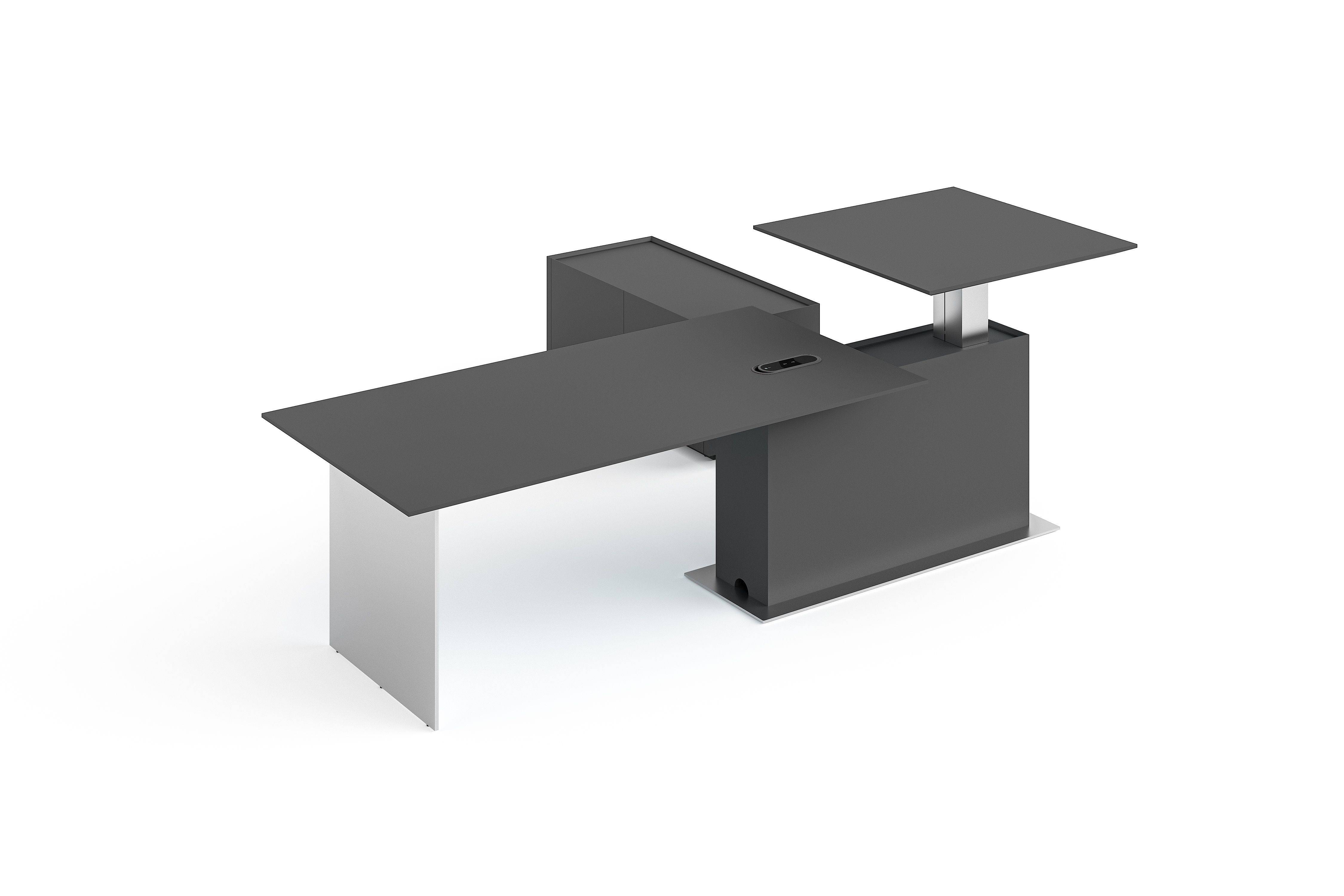
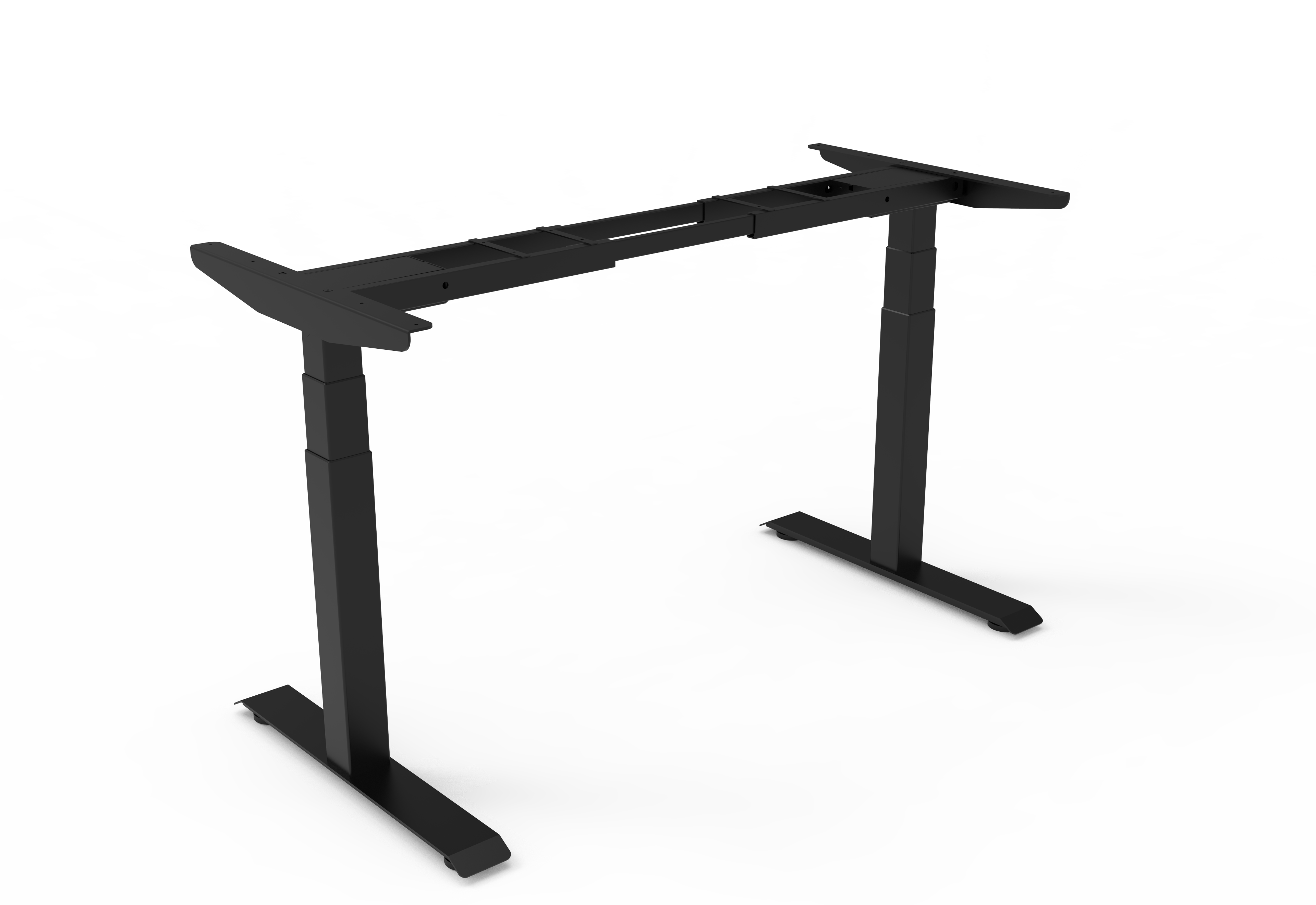
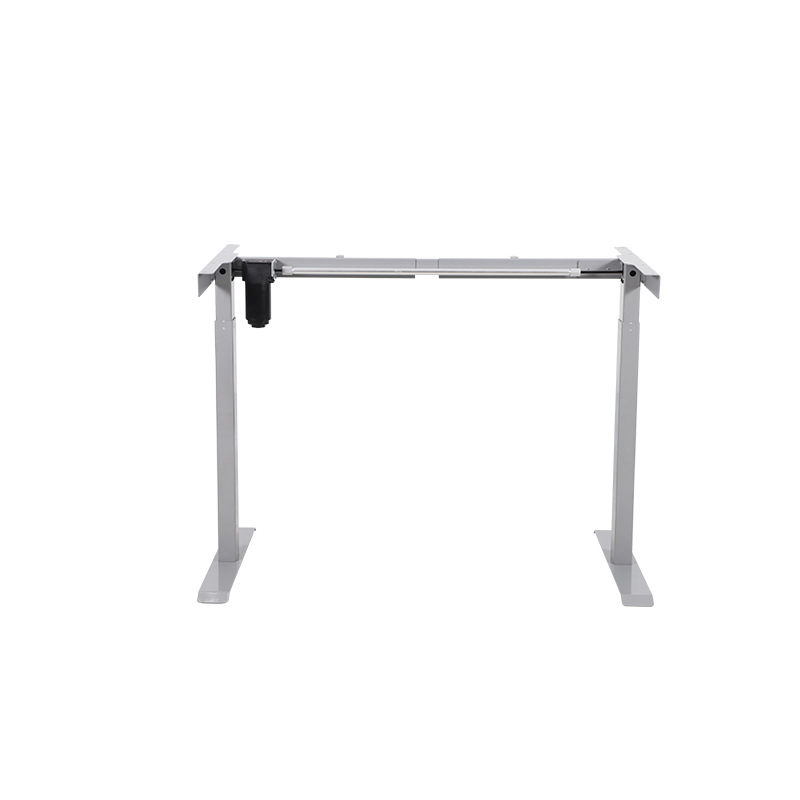
Direct Answer: Blurred Ownership of the Workplace Is a Systemic Problem
According to an industry discussion published by Work Design Magazine (September 2026), the workplace has become one of the biggest blind spots in modern organizations, with the core issue being that “no one truly owns it.” This does not refer to legal property ownership, but to who within the organization is responsible for workplace strategy, experience, technology, and day-to-day operations. When responsibility is fragmented across facilities management, HR, IT, finance, and business units, decision-making slows, experiences become disjointed, and ROI is hard to measure. For B2B buyers of electric standing desks, desk frames, and lifting systems, this signal means product selection cannot focus only on unit price and specifications—it must consider how to help customers clarify ownership, simplify integration, and reduce total cost of ownership.
Why “No One Owns It” Directly Affects Procurement Decisions
In organizations with blurred workplace ownership, procurement processes often show these characteristics:
- Multiple decision-makers, fragmented needs: IT focuses on cable management and data security, HR on employee health and retention, facilities on maintenance and durability, and finance on cost. Electric standing desk purchases may be split into small projects, leading to inconsistent specifications and an inflated supplier base.
- Short-term thinking, ignoring lifecycle cost: When no one owns long-term experience, buyers tend to choose the lowest initial quote and overlook motor lifespan, control system compatibility, spare parts availability, and after-sales support.
- Integration difficulties, complex installation and maintenance: Frames, lifting columns, control boxes, and accessories from different suppliers may be incompatible, increasing installation time and failure rates.
Therefore, for ETUP’s customers—distributors, office furniture brands, fit-out contractors, enterprise buyers, and OEM/ODM partners—providing a clear ownership framework and integration approach is more valuable than simply pushing products.
From “Product Supply” to “Shared Responsibility”: The B2B Supplier’s Role
The Work Design discussion notes that leaders often make the mistake of trying to solve systemic problems with a single solution (such as a hybrid work policy or new furniture). For electric standing desk and lifting system suppliers, this means helping customers answer the following questions:
1. Who defines the standard?
Suppliers can help customers establish unified technical standards for standing desks, including height range, speed, noise level, load capacity, control interfaces, and safety certifications. This reduces fragmentation caused by multi-department purchasing. Contact ETUP to verify specific parameters.
2. Who is responsible for integration?
Compatibility among desk frames, lifting columns, control boxes, hand controllers, and cable management systems is critical. ETUP supplies electric standing desks, desk frames, and lifting systems, but specific integration solutions must be verified with ETUP based on project requirements.
3. Who guarantees the lifecycle?
When no one owns the workplace, after-sales service and spare parts supply are easily overlooked. Buyers should clarify warranty terms, spare parts lead times, and technical support channels. Contact ETUP to verify commercial details.
Practical Buyer Checklist: 7 Questions to Evaluate Electric Standing Desk Suppliers
The following checklist can help buyers make more robust decisions in organizations with blurred ownership:
- Ownership: Does the supplier provide a clear project contact to help coordinate multi-department needs?
- Compatibility: Are frames, lifting columns, control boxes, and accessories designed as a system rather than assembled from disparate parts?
- Certifications and compliance: Do products meet electrical safety, EMC, and environmental requirements for the target market? Verify specific certifications with ETUP.
- Customization: Is OEM/ODM supported, including dimensions, colors, control protocols, and branding?
- Installation and maintenance: Are installation guides, training, or on-site support available? What is the spare parts lead time?
- Total cost of ownership: Beyond unit price, are energy consumption, failure rates, maintenance, and replacement costs considered?
- Scalability: Does the product line support unified deployment from a single desk to an entire floor?
Buyers are advised to request this information during inquiries and verify all commercial details with ETUP.
Implications for Distributors and OEM/ODM Customers
For distributors and office furniture brands, blurred workplace ownership is both a challenge and an opportunity. Suppliers that offer a “shared responsibility” approach—not just selling products but helping customers define standards, simplify integration, and guarantee lifecycle—are more likely to become long-term partners. As a B2B supplier of electric standing desks, desk frames, and lifting systems, ETUP can support OEM/ODM projects, but specific cooperation terms must be confirmed directly with ETUP.
For fit-out contractors and enterprise buyers, we recommend involving suppliers early in the project to jointly define technical standards and a responsibility matrix, avoiding later changes and rework.
Conclusion
The “no one owns the workplace” issue is an organizational design problem, but it directly affects procurement decisions. B2B buyers should prioritize suppliers that offer systematic products, a clear responsibility framework, and reliable after-sales support. ETUP’s electric standing desks, desk frames, and lifting systems can serve this need, but all performance, certification, MOQ, lead time, and warranty details must be verified with ETUP. This article is based on an industry discussion signal and does not constitute proof of ETUP product performance.
Sources
Work Design Magazine, “Who Actually Owns the Workplace? (No One and That’s the Problem)”, 2026-09-24. https://www.workdesign.com/2026/09/who-actually-owns-the-workplace-no-one-and-thats-the-problem/ (topic signal only)