Direct answer: what does this signal mean for B2B sourcing?
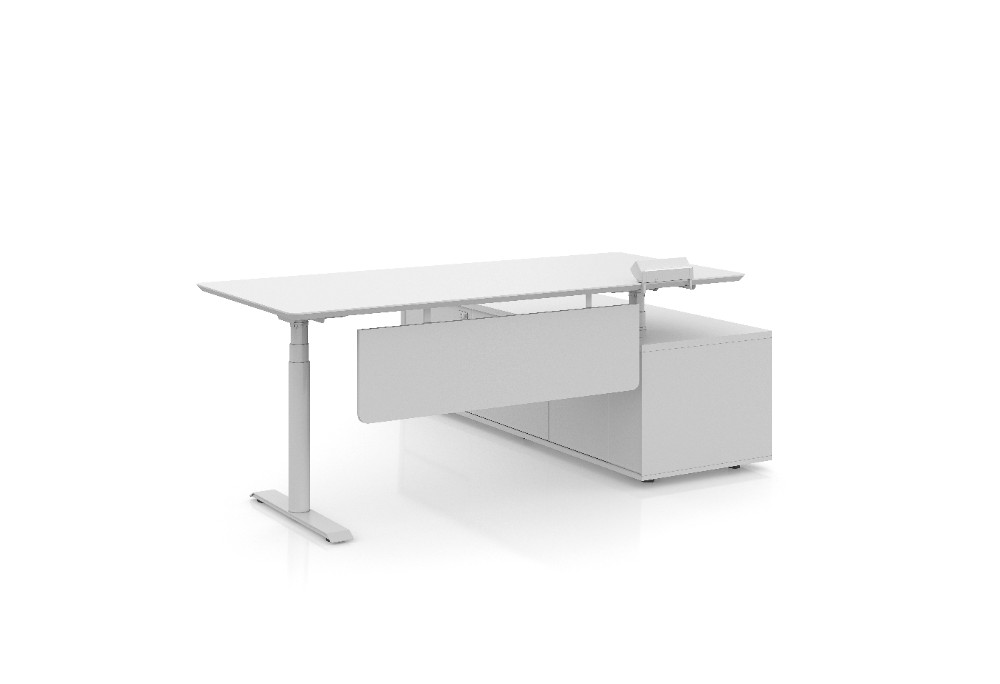
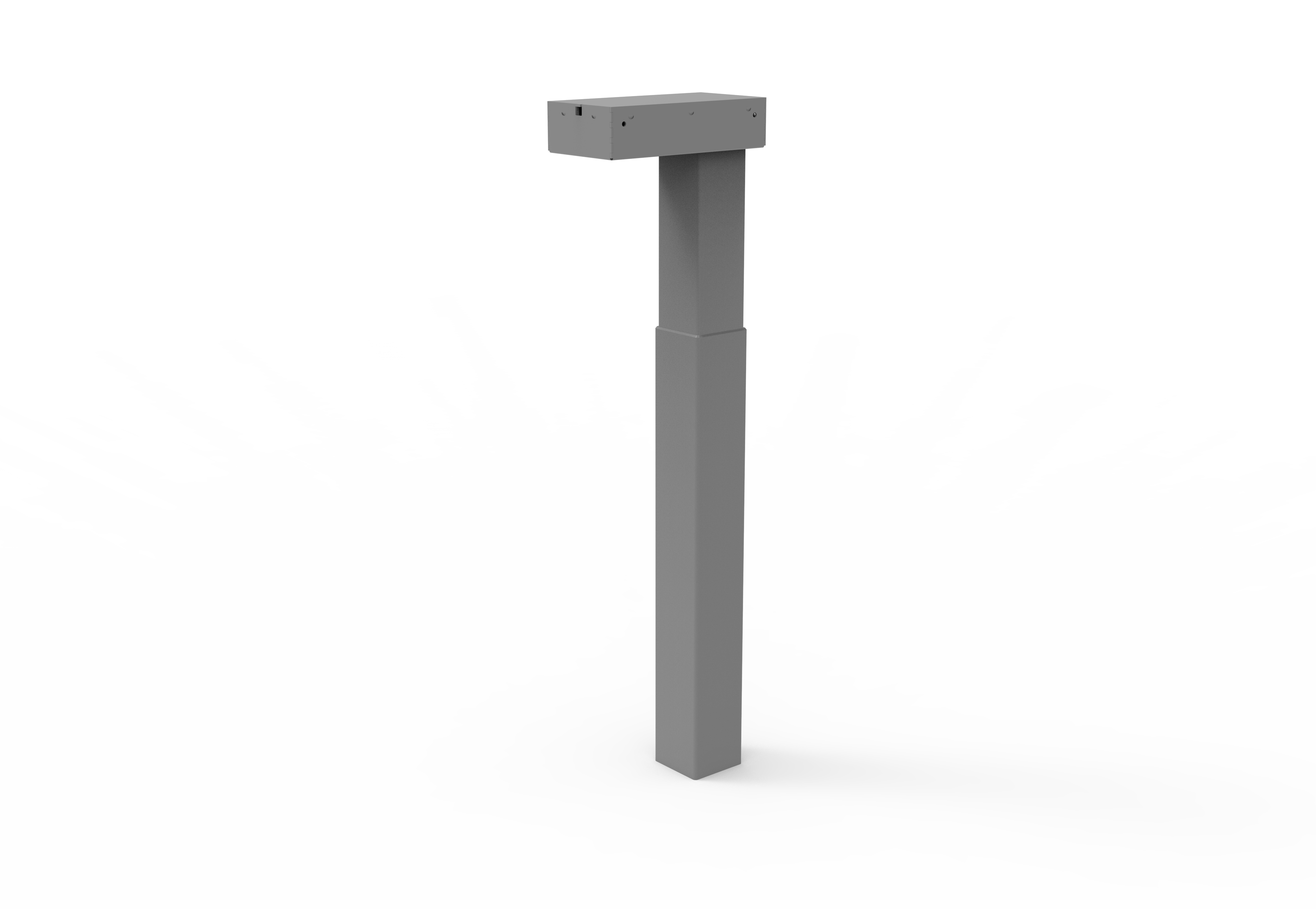
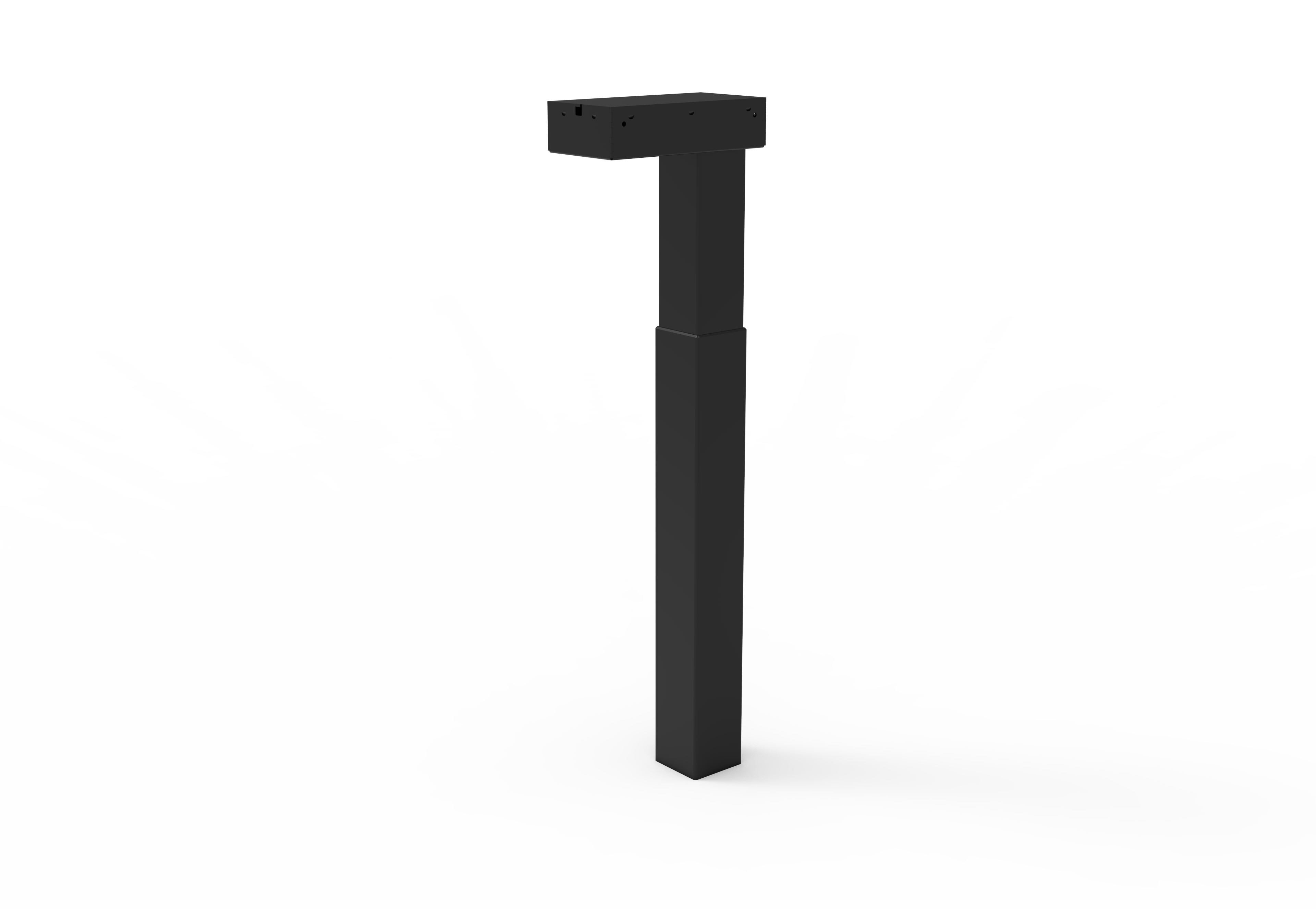
It shows that ergonomics is shifting from an end-user wellness talking point into specification language used by office furniture channels and project buyers. For distributors, office furniture brands, fit-out contractors and enterprise buyers, the useful move is not to repeat one manufacturer's set-up guide, but to translate the wellness conversation into verifiable product parameters, compliance documents and delivery terms. ETUP supplies B2B electric standing desks, desk frames and lifting systems; contact ETUP to verify specific specifications, certifications, MOQ and lead times.
Note: This article uses the Office Insight report only as a topic signal to read industry attention. It does not validate any brand's product performance, and it does not imply that ETUP products carry any endorsement mentioned in that report.
Why channel buyers should pay attention
According to Office Insight, office furnishings manufacturer Allsteel and Certified Professional Ergonomist Dr. Lauren Gant published ergonomics content for National Ergonomics Month 2026, including a step-by-step set-up guide, clarification of common posture myths, and a discussion of how inclusive ergonomic design supports wellbeing at the office and beyond (source linked below).
For B2B readers, the value is not the content itself but three structural signals:
- Professional credentials are entering sourcing language. When a manufacturer brings in a CPE, buyers and designers are more likely to challenge products on explainable ergonomic grounds rather than looks and price alone.
- A set-up guide signals an expanding delivery boundary. Usage guidance, installation instructions and after-sales support are becoming differentiators in project tenders.
- Inclusive design is on the table. Users of different heights, body types and working styles place finer demands on height range, desktop depth and load capacity.
From wellness narrative to verifiable specification
1. Height range should match real populations, not averages
The practical consequence of inclusive ergonomics is the height adjustment range. Buyers should ask suppliers for seated and standing height ranges and the population assumptions behind them. Height distributions differ across Europe, North America, the Middle East and Southeast Asia, so one set of assumptions should not be applied to every project. Contact ETUP to verify the range for a specific model.
2. Stability and load capacity are separate questions
"Reaches a given height" and "stays stable at that height" are two different claims. Project buyers should confirm rated load, single- versus dual-motor configuration, and how wobble at high positions is controlled. These are engineering parameters and must come from written supplier documentation.
3. Put set-up guidance inside the delivery scope
If industry leaders are publishing step-by-step set-up guides, channel partners can list installation instructions, quick-start cards and after-sales response processes as tender attachments. This is a clarification of service scope, not a product performance claim.
4. Confirm compliance documents market by market
Entry requirements and documentation differ across Europe, North America, the Middle East and Southeast Asia. Buyers should request the documents required for each target market item by item rather than accepting a general "meets international standards" statement. Confirm with ETUP which certifications and documents it can actually provide before ordering.
Buyer checklist: 10 questions before a standing-desk project ships
- Has the compliance and documentation list for each target market been confirmed item by item?
- What are the seated and standing height ranges, and what population assumptions do they rest on?
- How are rated load and high-position stability verified separately?
- How are motor, control box and handset configurations and warranty scope defined?
- Are frame-to-desktop fit dimensions, cut-outs and mounting methods specified?
- For OEM/ODM projects, how are MOQ, sampling lead time and tooling ownership agreed?
- Can volume lead times and split-shipment schedules be written into the contract?
- Does packaging suit the target market's warehousing and last-mile delivery?
- Are installation instructions, set-up guidance and after-sales response documents provided?
- Are spare-parts supply periods and return/exchange terms clear?
All of the above are commercial and engineering details to confirm with the supplier. Contact ETUP to verify what it can actually provide; do not use this article as a specification source.
Specific advice for four buyer types
Distributors and office furniture brands
Turn ergonomic reasoning into parameter tables on product pages and in tender documents rather than marketing adjectives. Verifiable tables pass technical review more easily.
Fit-out contractors
Bring power points, cable routing and installation sequencing for standing desks into the early project plan to avoid rework. Set-up guidance content can become part of the handover documentation.
Enterprise buyers
Tie wellness budgets to measurable specifications: height range, load, warranty and spare-parts lead time. Avoid comparing on unit price alone.
Designers and OEM/ODM customers
Inclusive design requires earlier structural decisions. Frame and lifting-system selection should be confirmed with the supplier at concept stage, not added after construction drawings are complete.
Common misconceptions
- Treating news as product proof. Industry coverage shows attention, not any supplier's performance data.
- Using one height range for every market. Population assumptions differ and should be confirmed separately.
- Comparing unit price only. Warranty, spare parts and lead time often matter more to total cost of ownership.
- Treating ergonomics as pure marketing. Buyers should ask for verifiable parameters and documents.
Conclusion
The most useful outcome of National Ergonomics Month is not another wellness narrative but a push toward verifiable specifications and delivery terms. For B2B buyers, the next step is to work through the checklist item by item and rely on written supplier confirmation. This is a draft for human review and must not be treated as published content.
Sources
Topic signal: Office Insight, Allsteel and Certified Professional Ergonomist Dr. Lauren Gant on Maximizing Workplace Wellness for National Ergonomics Month 2026 (published 2026-10-03). Used for topic reference only; not used to verify any product performance.