Direct Answer: How Does the Attendance Battle Affect Standing Desk Procurement?
The battle for office attendance is pushing workplace design away from maximizing desk count and toward prioritizing experience and flexibility. For B2B buyers, this means electric standing desks are no longer just wellness accessories—they are core furniture infrastructure that supports hybrid work, attracts employees back to the office, and enables rapid space reconfiguration. Procurement decisions need to focus on adjustability, durability, delivery reliability, and total cost of ownership rather than unit price alone.
Trend Background: Why Attendance Is Driving Design
According to a report by People Matters (used here only as a topic signal; see Sources), companies are redesigning office spaces to address declining employee attendance. The report notes that workplace design is being used to enhance collaboration experiences and employee belonging, thereby encouraging more frequent office attendance. This trend is not isolated: after the spread of hybrid work, employee expectations of the office environment have shifted. They want the office to offer value that home working cannot replicate, such as better collaboration facilities, more flexible working postures, and a healthier work environment.
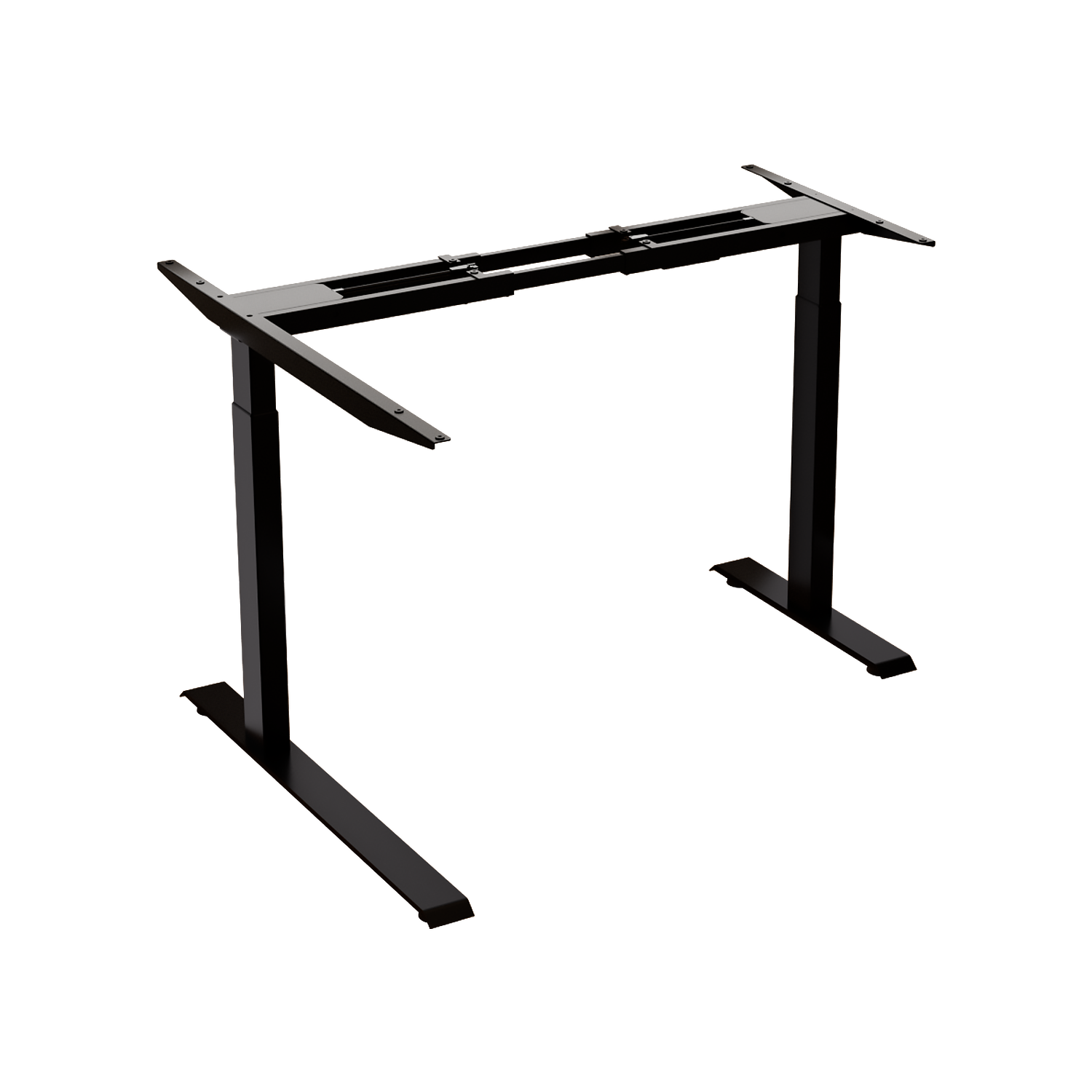
For furniture brands, distributors, and fit-out contractors, this means the demand structure is changing. The share of traditional fixed workstations may decline, while demand for adjustable, movable, and easily reconfigurable furniture rises. Electric standing desks sit at the intersection of this trend: they meet employee demand for sit-stand alternation while enabling rapid deployment and space reconfiguration through standardized desk frames and lifting systems.
Specific Implications for B2B Buyers
1. Product portfolios need to be more flexible
Enterprise clients no longer accept one-size-fits-all workstation solutions. Distributors and OEM/ODM customers need to offer electric standing desks in multiple sizes, colors, and configurations to suit different departments and working modes. Modular desk frame and lifting system designs can reduce inventory complexity while meeting customization needs. Buyers should confirm available frame specifications, lifting ranges, and control system options with suppliers, and verify minimum order quantities (MOQ) and lead times—these commercial details must be confirmed directly with ETUP.
2. Durability and maintenance costs become critical
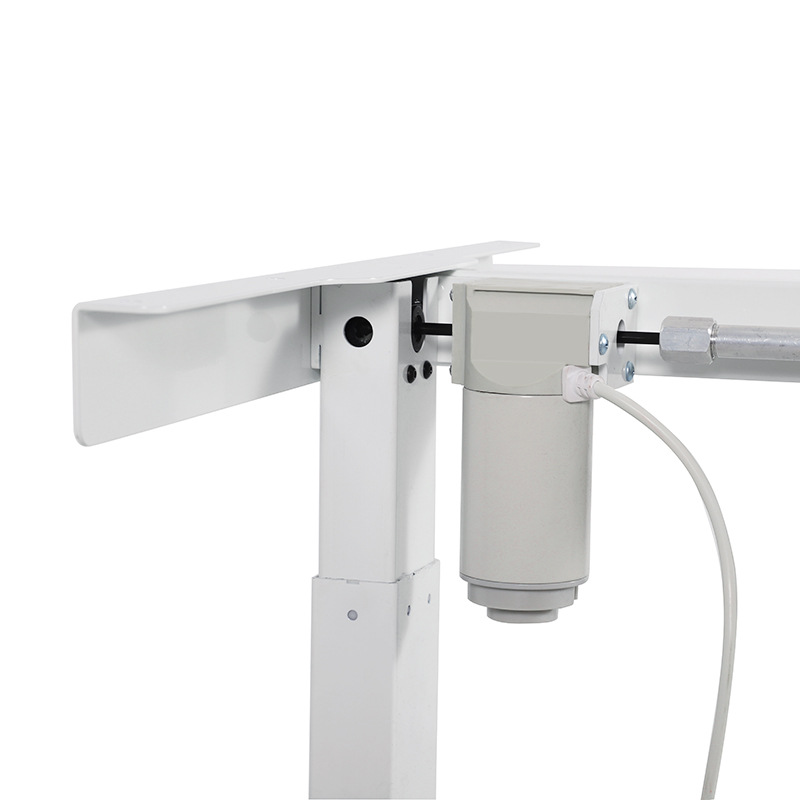
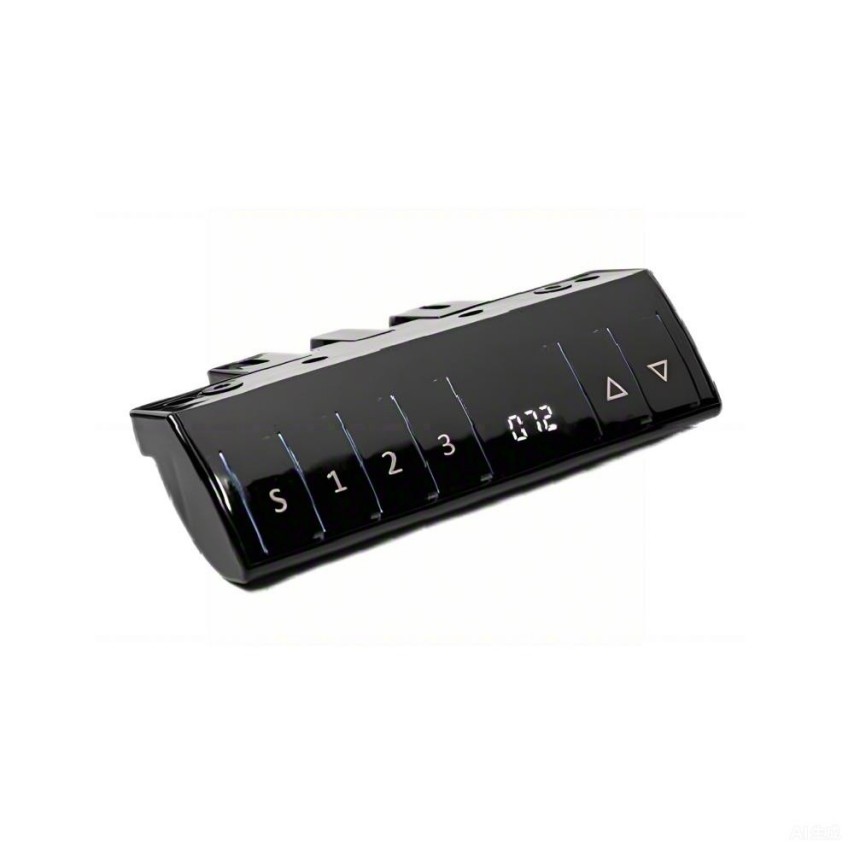
When office spaces need to support more frequent sit-stand transitions and shared use, the durability of the lifting system directly affects total cost of ownership. Buyers should pay attention to motor lifespan, anti-collision features of controllers, and frame stability. Note that this article does not cite specific test data or certifications, as such information must be provided by the supplier and verified. Before procurement, request verifiable product specifications and warranty terms from suppliers.
3. Delivery and installation efficiency affect project timelines
Fit-out contractors and renovation companies face schedule pressure, and the delivery lead time and installation ease of standing desks directly impact project delivery. Modular frames and pre-assembled designs can reduce on-site installation time. Buyers should confirm packaging methods, clarity of installation instructions, and whether technical support is available. Specific delivery capabilities and service scope must be verified with ETUP.
4. Design integration and aesthetic requirements increase
Designers increasingly want standing desks to blend into the overall office environment rather than exist as standalone "wellness devices." This means frame colors, cable management, and desktop materials need to coordinate with office furniture systems. OEM/ODM customers may require custom colors or branding; these capabilities must be confirmed with the supplier on a case-by-case basis.
Practical Buyer Checklist: Evaluating Electric Standing Desk Suppliers
The following checklist helps B2B buyers systematically evaluate suppliers and avoid price-only decisions:
- Product range: Does the supplier offer a complete combination of electric standing desks, desk frames, and lifting systems? Can it support different desktop sizes and lifting ranges?
- Customization capability: Does it support OEM/ODM? Which parts can be customized (colors, controllers, branding)? Contact ETUP to confirm specific options.
- Commercial terms: What are the MOQ, lead time, payment terms, and sample policy? These must be verified directly with ETUP.
- Quality documentation: What verifiable product specifications, test reports, or certifications can the supplier provide? Note: this article does not claim any specific certifications; buyers should verify independently.
- Warranty and after-sales: What is the warranty period and scope? Are spare parts and technical support available? Confirm with the supplier.
- Packaging and logistics: Is packaging suitable for sea or air freight? Are installation instructions and technical documents provided?
- Project support: Can the supplier provide technical consultation or customized solutions for fit-out projects?
Buyers are advised to clearly state project background, target market, and volume expectations in inquiries so suppliers can provide targeted proposals. All commercial details are subject to ETUP's formal quotation and confirmation.
Conclusion
The battle for office attendance is driving workplace design toward greater flexibility and experience. For B2B buyers, electric standing desks and lifting systems are important infrastructure supporting this transformation. A successful procurement strategy should go beyond unit price comparison and focus on product flexibility, durability, delivery reliability, and supplier customization capabilities. Through systematic evaluation and direct communication, buyers can find solutions suited to their markets. This article is based on public trend signals and industry observation and does not constitute a guarantee of any product performance; please confirm all commercial details directly with ETUP.
Sources
The topic signal for this article comes from a People Matters report: "The battle for office attendance is reshaping workplace design." This source is used only to illustrate industry trends and does not represent verification of ETUP product performance. Original link: People Matters - HR News