Direct answer: what does this roundup mean for B2B buyers?
T3's article “5 standing desks you need to upgrade your home office” is a consumer-facing recommendation piece. It is a topic signal, not independent verification of any product's performance. For the distributors, office furniture brands, fit-out contractors, and enterprise buyers that ETUP serves, its value is directional: home-office users are moving from “functional” to “upgradeable,” with attention on electric height adjustment, desktop size, stability, and visual integration. The roundup does not prove ETUP product performance, certifications, or commercial terms. Contact ETUP to verify all commercial details.
The rational response is not to copy the list, but to convert the signal into internal product-planning and sourcing questions: which configurations does our target market need, can our supply chain cover them, and which parameters must be confirmed in writing?
Why the home-office upgrade trend matters to B2B channels
Continued consumer-media coverage suggests the category is still expanding in mainstream awareness. For B2B channels, this usually implies three things:
- Replacement and new demand coexist. Early buyers of fixed-height desks are considering upgrades, while new home-office fit-outs increasingly specify electric height adjustment from the start.
- Channel structure is fragmenting. Beyond traditional office furniture distribution, e-commerce brands, home retailers, and fit-out contractors are entering the category, raising expectations for flexible OEM/ODM supply.
- Parameter awareness is rising. Consumer articles tend to highlight height range, load capacity, memory presets, and noise. These shape how B2B buyers question suppliers.
These are category-level observations, not quantified claims about any product's performance or market size.
From consumer roundup to B2B selection: four product dimensions
1. Electric lifting system and frame
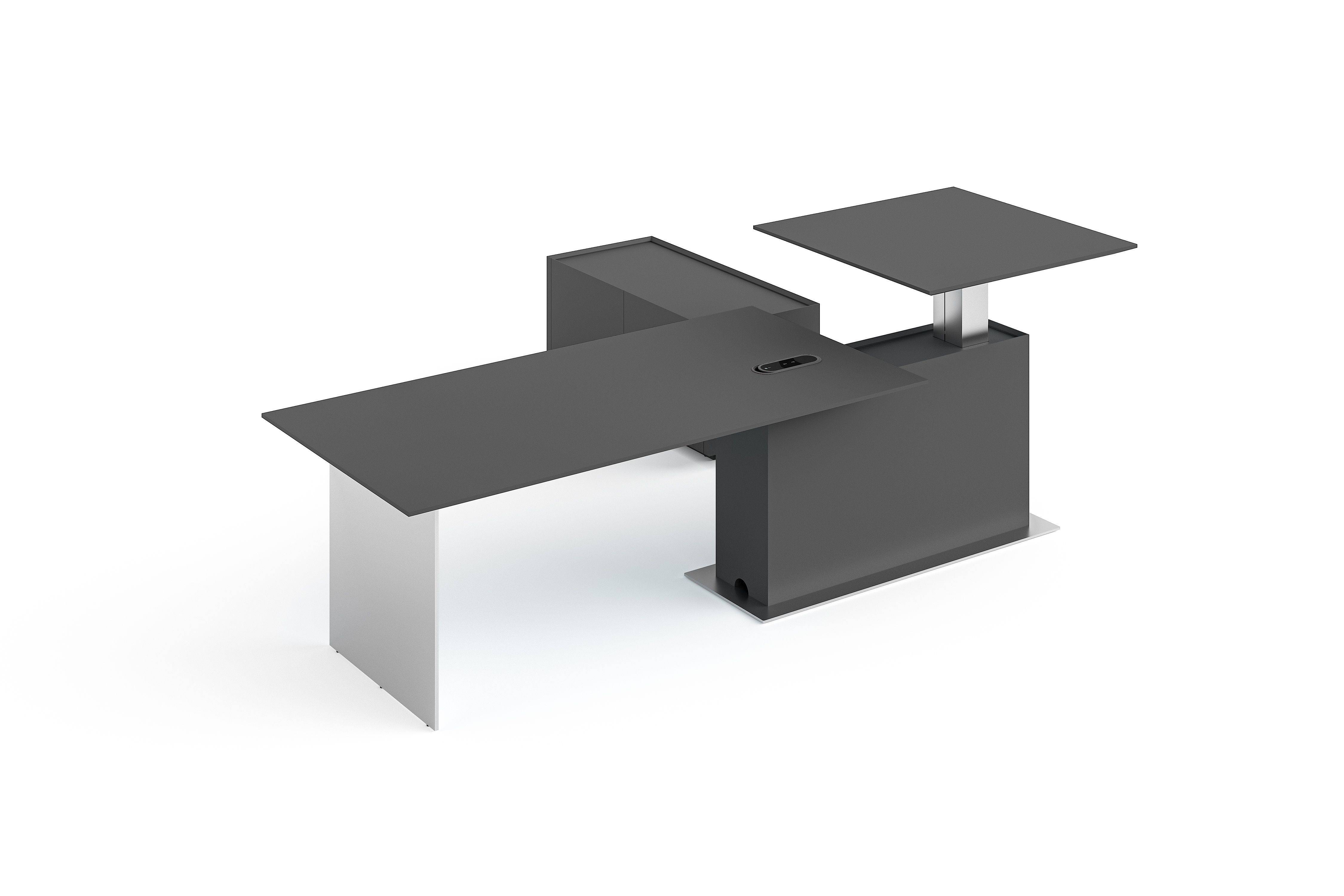
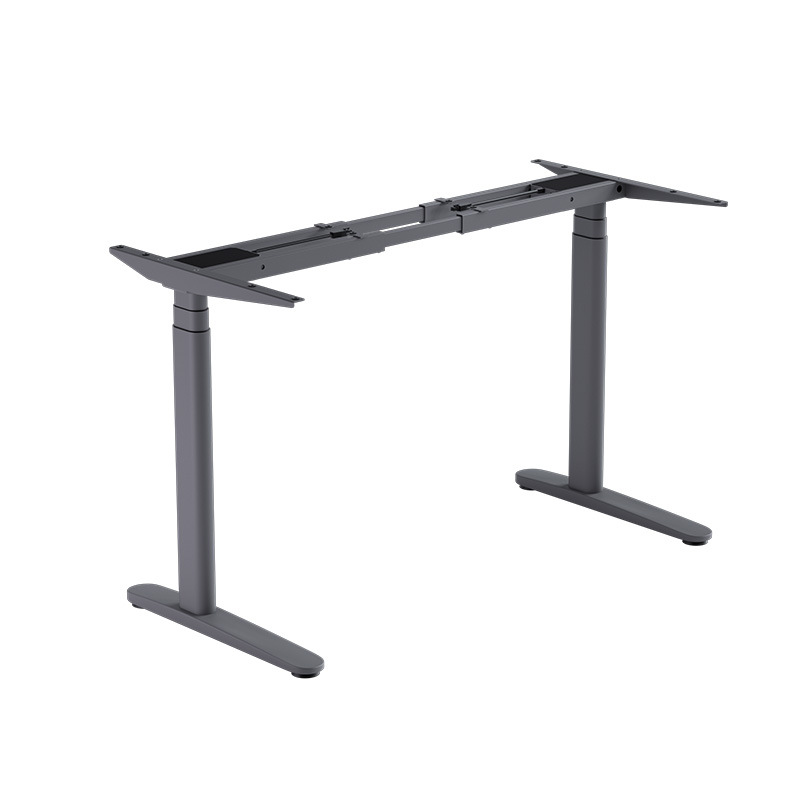
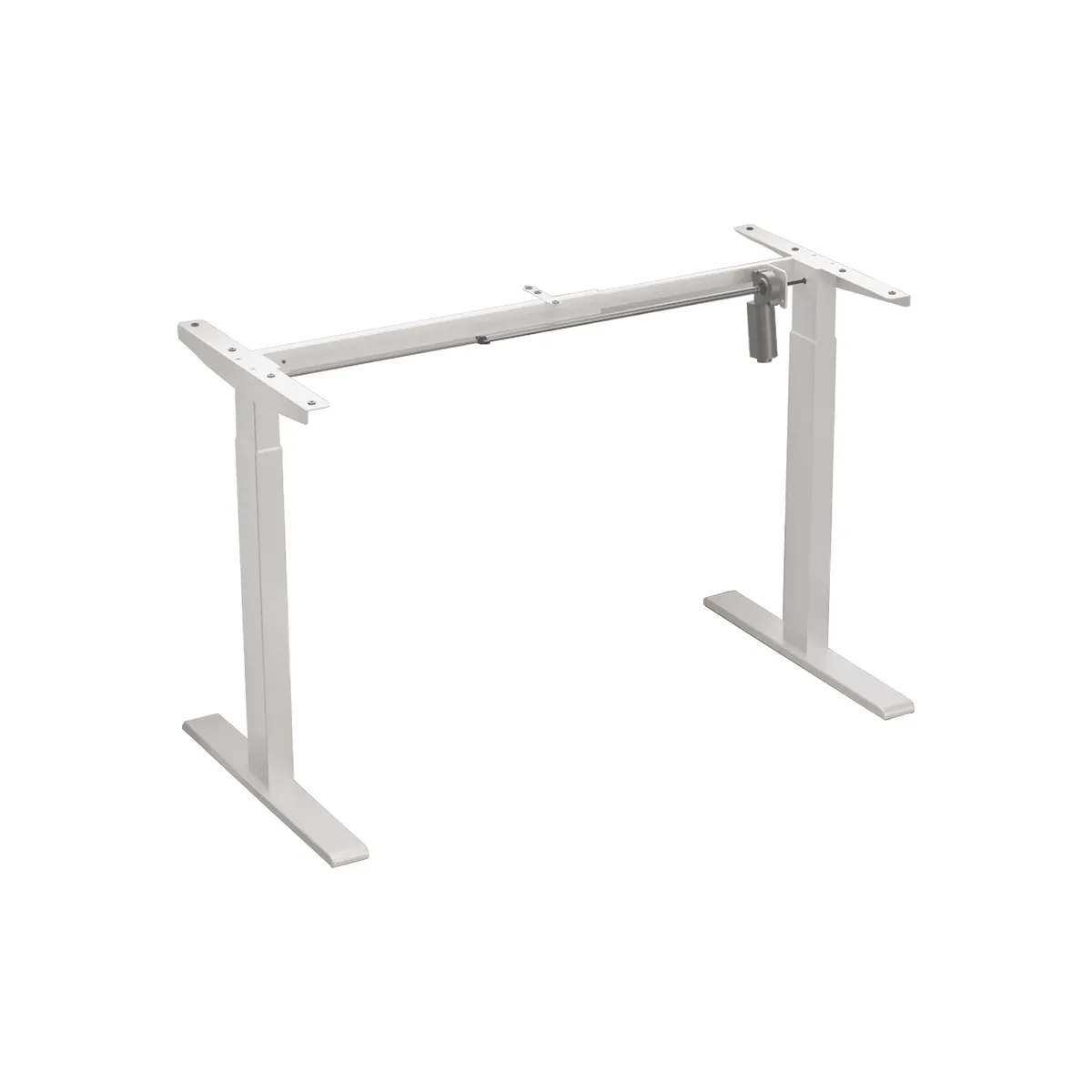
The core of an electric standing desk is the combination of lifting columns, control box, and hand controller. B2B buyers should define voltage, plug standards, and control requirements for the target market, and confirm whether the supplier can provide frames and lifting systems as a matched set. ETUP supplies B2B electric standing desks, desk frames, and lifting systems; contact ETUP to verify specifications, desktop compatibility, and available options.
2. Desktop and structural integration
Home environments are sensitive to desktop appearance, edge banding, and size variety. Brands and designers often need frame-and-desktop combinations across materials. Buyers should confirm mounting compatibility, packaging, and whether mixed loading is supported. Verify these details with ETUP item by item.
3. Stability and user experience
Consumer articles often mention wobble, lifting speed, and noise. B2B buyers should not adopt media descriptions as acceptance criteria. Instead, specify testable requirements in the purchase contract and request the supplier's test-method documentation. Ask ETUP for its specific test conditions and results.
4. Compliance and documentation
For channels serving Europe, North America, the Middle East, and Southeast Asia, compliance documents are a market-entry prerequisite. Buyers should give suppliers a clear list of required certifications, labels, manual languages, and packaging marks. The scope of certifications and documents ETUP can provide must be confirmed in writing by ETUP; this article makes no certification claims.
What different buyer types should focus on
- Distributors: SKU breadth, spare-parts supply, lead-time stability, and mixed-container capability. Contact ETUP to verify MOQ and lead times.
- Office furniture brands: OEM/ODM customization scope, visual differentiation, and branded packaging support.
- Fit-out contractors and project buyers: Batch consistency, installation documentation, and project delivery rhythm.
- Designers: Size series, color and material coordination, and frame compatibility with custom desktops.
- Enterprise buyers: Employee use scenarios, after-sales responsibility split, and documentation completeness.
Practical buyer checklist
Use this checklist in first conversations with any standing desk supplier, including ETUP:
- Are voltage, plug, and manual-language requirements for the target market defined?
- Are height range, load capacity, and memory presets of the lifting system confirmed in written specifications?
- Is the frame compatible with the planned desktop size, thickness, and mounting method?
- Are there testable acceptance criteria and test methods for stability, noise, and durability?
- Has the list of required certifications, labels, and compliance documents been confirmed item by item?
- Are MOQ, sample policy, lead time, and packaging confirmed in writing?
- How are spare parts and after-sales responsibility divided, and what do the warranty terms actually cover?
- Is OEM/ODM customization supported, and what are the scope and development timeline?
Every item should be based on written supplier responses. This article provides no commercial figures that have not been confirmed by ETUP.
Common pitfalls
First, treating consumer-media recommendations as a sourcing basis; editorial experience does not replace B2B acceptance testing. Second, comparing unit price while ignoring compliance and after-sales costs. Third, ordering before confirming frame-and-desktop compatibility. Fourth, treating “electric height adjustment” as a homogeneous category and overlooking differences in control systems and structural design.
Recommended next step
If your channel is planning a home or hybrid-office standing desk line, turn the checklist above into an internal RFQ template, then discuss configurations, documentation, and commercial terms with ETUP. All product performance, certification, MOQ, lead-time, and warranty information must be confirmed in writing by ETUP before use in marketing or tender documents.
Sources
Topic signal: T3, “5 standing desks you need to upgrade your home office,” published 2026-08-09. Original link. This link is cited only as a topic signal and does not verify any product's performance.
This is a draft for human review and must not be treated as published content.