Direct answer: what does this story mean for B2B procurement?
Consumer Reports' ergonomics expert showcasing his home workspace is a topic signal whose value lies not in recommending a specific product but in reminding B2B buyers that ergonomic outcomes depend on the fit between the workspace and the user, not on a single product specification. For distributors, office furniture brands, fit-out contractors, and enterprise buyers, this means that when sourcing electric standing desks, desk frames, and lifting systems, adjustable range, stability, control method, and compliance documentation should be core verification items—not just price and appearance. ETUP, as a B2B supplier of electric standing desks, desk frames, and lifting systems, recommends confirming all commercial details with ETUP before publication.
To be clear: this article uses the story only as a topic signal and does not claim the source proves any ETUP product performance. For specific specifications, certifications, MOQ, lead times, and warranty, please contact ETUP to verify.
Why an ergonomics expert's home workspace matters to B2B buyers
An ergonomics expert's home workspace typically reflects principles of adjustability, verifiability, and sustained use. For B2B buyers, these principles translate into procurement questions: Does the desktop height range cover the target user group? Is the lifting motion stable? Is the control method suitable for shared use? Is cable management easy to install and maintain? These questions are closer to real-world use than single selling points.
The story itself is consumer media content, not a B2B procurement guide. This article therefore does not copy its content but extracts actionable procurement perspectives to help buyers ask more specific questions when engaging suppliers.
Translating ergonomic principles into procurement questions
1. Adjustment range and user coverage
Height distributions vary across markets and user groups. Buyers should request the desktop height adjustment range and confirm whether it covers the target users. For markets such as Europe, North America, the Middle East, and Southeast Asia, evaluate against local user characteristics. Contact ETUP to verify the range for specific models.
2. Stability and load capacity
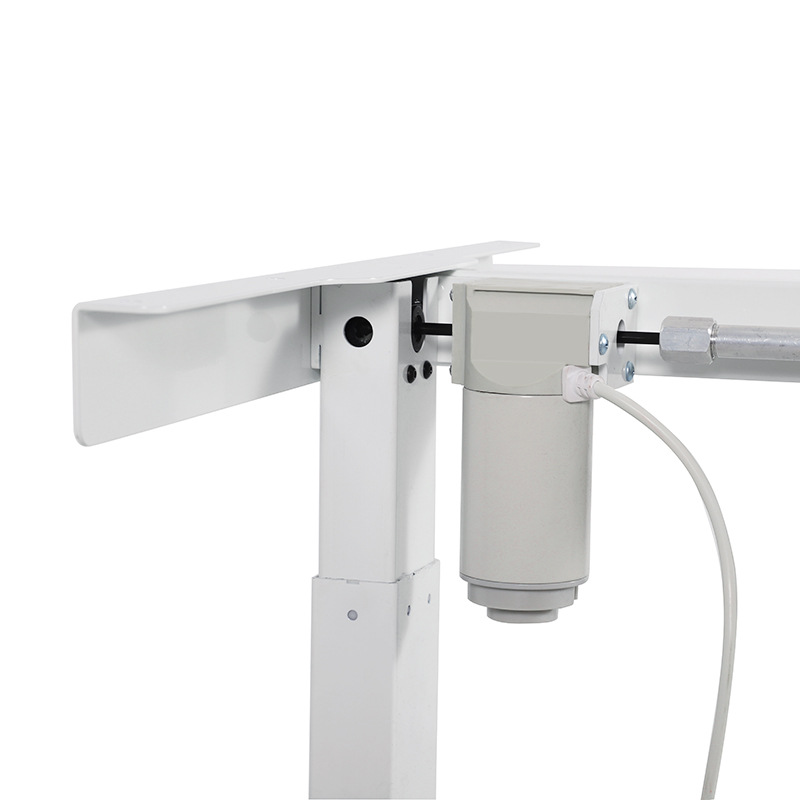
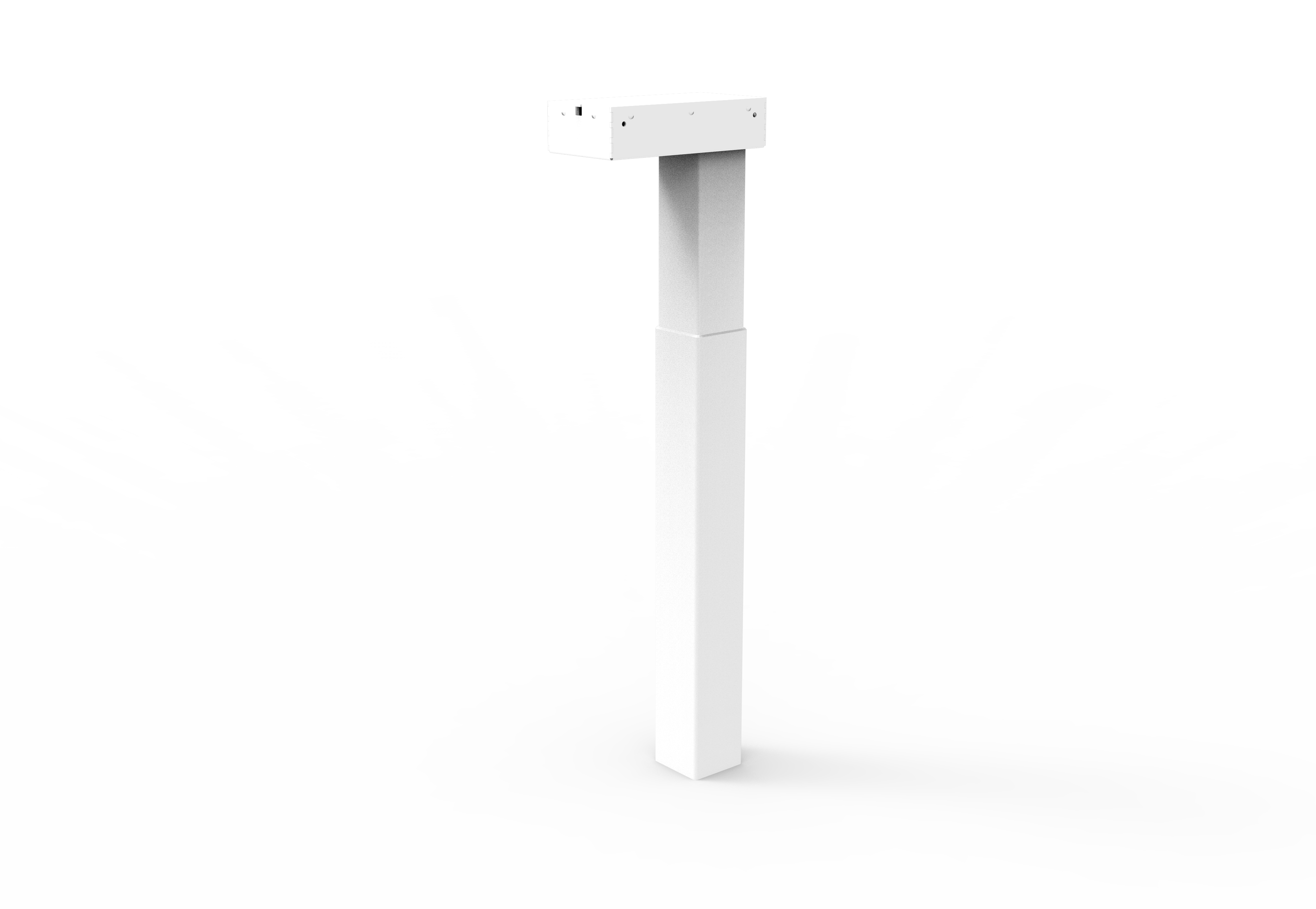
Stability at the highest position directly affects user experience. Buyers should ask about frame structure, column stages, and load design, and request verifiable test information. Avoid vague claims such as "industry-leading" without specific data or test reports.
3. Control method and use scenarios
Hand controllers, memory presets, and anti-collision features affect convenience in shared-use settings. Buyers should choose configurations based on end-user types and confirm control system compatibility and expandability with the supplier.
4. Compliance documentation and market access
Compliance requirements for office furniture vary by market. Buyers should request the documentation required for the target market and confirm certification scope. Contact ETUP to verify specific certification status and applicable markets; this article does not make such claims on ETUP's behalf.
Practical B2B buyer checklist
Use the following checklist when engaging suppliers as a distributor, office furniture brand, fit-out contractor, or enterprise buyer:
- Confirm whether the electric standing desk or desk frame height range covers the target user group.
- Request descriptions of frame structure, column stages, and load design, along with verifiable stability test information.
- Confirm whether the control method (hand controller, memory presets, anti-collision, etc.) suits the intended use scenario.
- Request compliance documentation required for the target market and verify certification scope.
- Ask whether cable management and installation instructions support on-site installation and maintenance.
- Confirm commercial terms such as MOQ, lead time, warranty, and after-sales support (contact ETUP to verify).
- For OEM/ODM projects, confirm customization scope, sampling process, and intellectual property arrangements.
- Request samples or reference cases and test them in real-world scenarios.
Implications for distributors and office furniture brands
Distributors and brands face the challenge of turning ergonomic concepts into sellable product portfolios. Start from target user scenarios and select electric standing desks and desk frames whose adjustment range, stability, and control method match—rather than pursuing specification stacking. At the same time, establish a supplier review process that requires verifiable documentation and test information.
For office furniture brands, OEM/ODM cooperation requires clarity on design responsibility, sampling timelines, and mass-production consistency. Contact ETUP to verify specific cooperation terms.
Implications for fit-out contractors and enterprise buyers
Fit-out contractors need to coordinate furniture and electrical wiring in office projects. Power management, cable routing, and installation sequence for electric standing desks should be confirmed before construction. Enterprise buyers should focus on durability and maintenance convenience in shared-use scenarios and specify warranty and response times in procurement contracts.
Frequently asked questions
Does this story prove ETUP products are ergonomic?
No. The story is used only as a topic signal, and this article does not claim it proves any ETUP product performance. Ergonomic outcomes depend on the fit between specific products and users; rely on actual testing and information provided by the supplier.
How can I confirm the adjustment range of an electric standing desk?
Contact ETUP for the adjustment range of specific models and evaluate it against your target user group.
Does ETUP provide certification documents?
Contact ETUP to verify specific certification status and applicable markets. This article does not make any certification claims on ETUP's behalf.
Sources
Topic signal: Consumer Reports, "A CR Ergonomics Expert Shows Off His Home Workspace," published 2026-01-16. Link: original link. This article uses it only as a topic signal, does not copy its content, and does not claim it proves ETUP product performance.
This is a draft for human review only and must not be treated as published content. Confirm all commercial details with ETUP.