Direct answer: What does the customisation trend mean for the B2B standing desk supply chain?
JDD's use of Autodesk Fusion to design customisable British-made office furniture (reported by Dezeen, used here only as a topic signal) indicates rising demand for personalised, fast-iterating designs in the office furniture market. For B2B suppliers of electric standing desks, desk frames, and lifting systems, this means responding more flexibly to OEM/ODM customisation requests while keeping manufacturing efficiency and costs under control. ETUP supplies B2B electric standing desks, desk frames, and lifting systems, but specific customisation capabilities, MOQ, lead times, and certifications must be verified with ETUP.
Why should B2B buyers pay attention to this signal?
The report focuses on how design tools support customised production, not on product performance. It reflects a broader trend: office furniture brands and project buyers increasingly expect supply chains to support small-batch, multi-spec customisation rather than standard products alone. For distributors and brands, this means evaluating suppliers not only on price and basic specifications but also on design collaboration, sample development processes, and flexible production capabilities.
Implications for distributors and brands
- Customisation requests can increase SKU complexity, requiring suppliers with clear configuration management.
- Wider adoption of design tools (such as Autodesk Fusion) may shorten concept-to-sample cycles, but actual lead times must be confirmed with the supplier.
- Local manufacturing labels such as British-made can carry a premium in some markets, but B2B buyers still need to balance cost and compliance.
Implications for project buyers and designers
- Designers may engage earlier in product configuration, so suppliers need to provide accurate technical drawings and specifications.
- Custom requirements in projects often involve electrical safety and structural stability, so compliance documents must be confirmed.
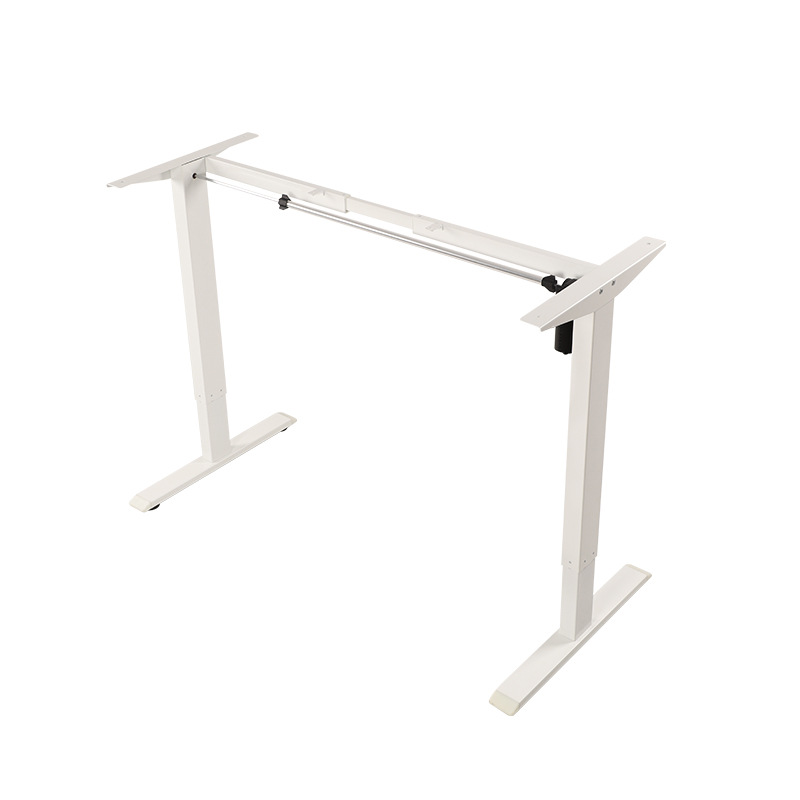
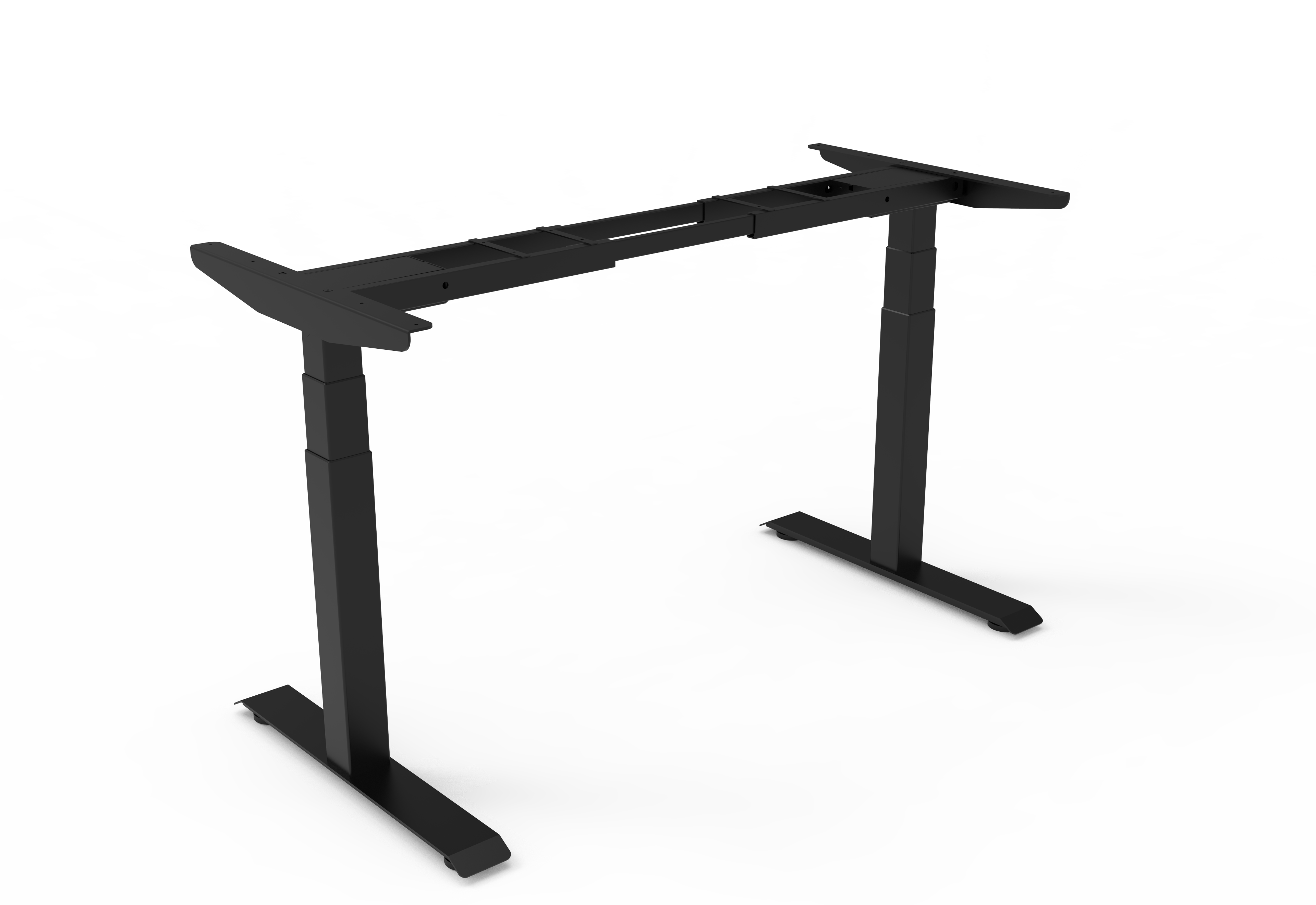
- Modular desk frames and lifting systems can reduce customisation complexity, but compatibility must be verified with ETUP.
ETUP's role in a customisation-oriented supply chain
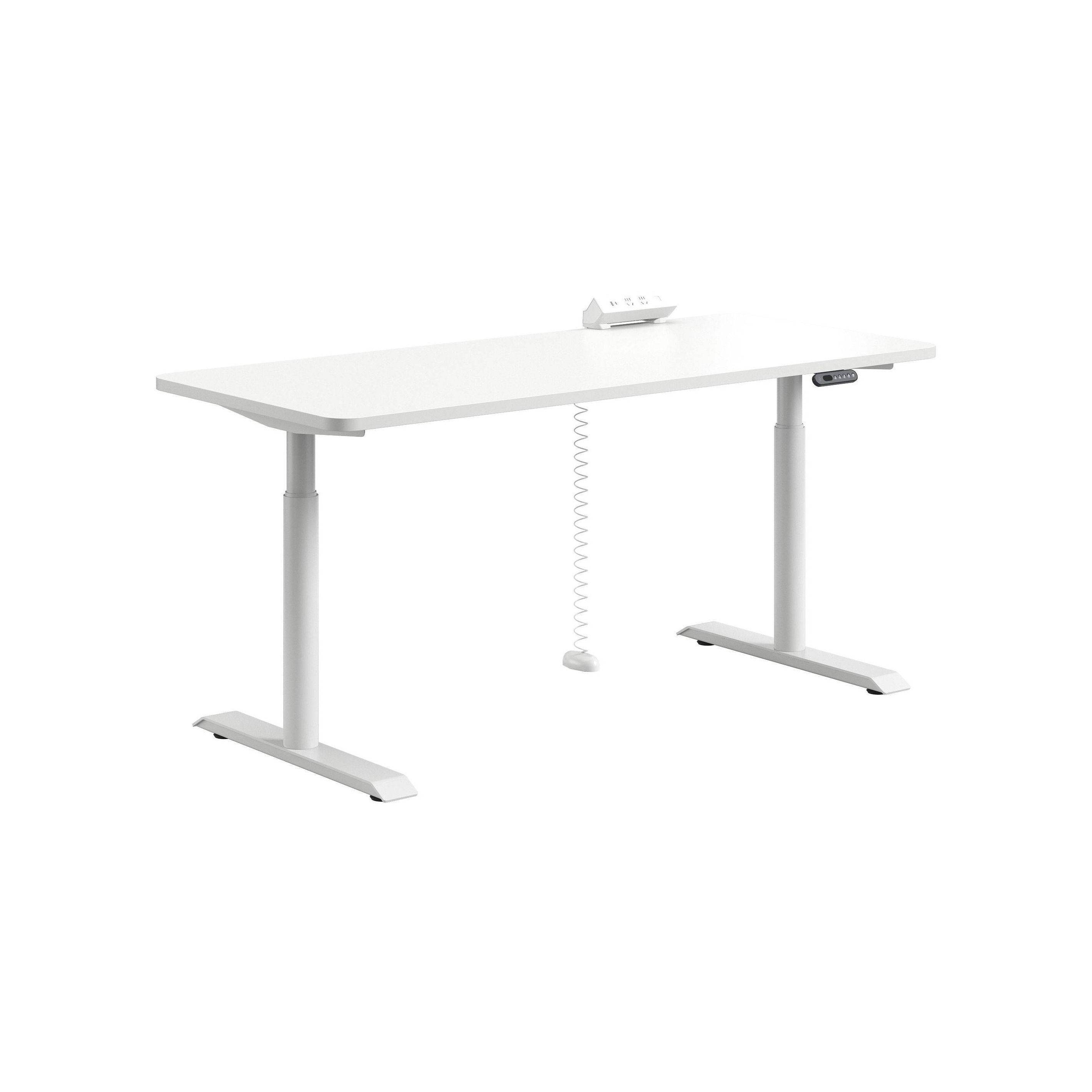
ETUP supplies B2B electric standing desks, desk frames, and lifting systems to distributors, office furniture brands, fit-out contractors, enterprise buyers, designers, and OEM/ODM customers. In the context of customisation trends, ETUP can serve as one link in the supply chain, but all commercial details—including customisation scope, MOQ, lead times, certifications, and warranty—must be confirmed with ETUP before cooperation. This article does not claim that the news source proves ETUP product performance.
Common considerations for customised procurement
- Design collaboration: Can the supplier develop from drawings or samples?
- Configuration management: How are multi-spec orders kept error-free?
- Compliance documents: Are the certifications and test reports required for target markets available?
- Capacity and lead time: Is the production schedule for custom orders transparent?
- After-sales support: What are the spare parts and warranty policies for customised products?
Practical buyer checklist
When evaluating a customisation-capable standing desk supplier, verify each item below and request written confirmation from the supplier:
- Customisation scope: which components can be customised (desktop size, colour, frame structure, control system)?
- Minimum order quantity (MOQ): what is the MOQ for custom orders? Are mixed batches supported?
- Sample process: what are the sample development lead time and cost?
- Certifications and compliance: are the certifications required for target markets in place? Ask the supplier for valid documents.
- Lead times: what are the production cycles for standard and custom products?
- Quality assurance: what are the warranty period and after-sales response mechanism?
- Packaging and logistics: are packaging and shipping requirements for target markets supported?
- Intellectual property: are ownership and confidentiality terms for custom designs clearly defined?
All details above must be verified with ETUP; this article does not provide specific figures.
Conclusion
The JDD case is a topic signal indicating that customisation in office furniture is a developing trend. B2B buyers should treat it as a reference for assessing supply chain flexibility, not as evidence of product performance. When working with a supplier such as ETUP, confirm all commercial details and conduct sample testing and compliance reviews based on actual project requirements.
Sources
Topic signal: Dezeen, “JDD creates customisable British-made office furniture using Autodesk Fusion,” 2026-07-29. Link: original link. For industry trend reference only; it does not constitute proof of ETUP product performance.