Direct answer
Radiology workflow optimization is a multilevel problem: department layout, equipment placement, workstation configuration, and user habits all affect efficiency. For B2B furniture and lifting-system buyers, this means adjustable workstations should be evaluated as part of workflow design, not as a standalone accessory. ETUP supplies B2B electric standing desks, desk frames, and lifting systems; contact ETUP to verify commercial details such as load capacity, stroke, noise, certifications, and MOQ.
Source signal and scope
This draft is based on a topic signal from a Cureus article on radiology workflow optimization (see Sources below). The article discusses a multilevel approach from department design to workstation ergonomics. To be clear: the source is used only as an industry topic signal. It does not prove ETUP product performance, clinical outcomes, or efficiency gains. This is original B2B buying analysis, not a rewrite of the source.
Why radiology workflow matters to furniture buyers
Radiology is a high-intensity, multi-role, equipment-dense environment. Image reading, report writing, patient communication, and equipment operation often alternate within the same space. Workflow studies typically focus on waiting times, handover efficiency, and space utilization, while workstation height, adjustability, and layout directly affect how these steps connect. For distributors, office furniture brands, fit-out contractors, and enterprise buyers, this represents a professional segment with real demand for adjustable, integrable, and maintainable lifting systems.
Three levels of a multilevel view
- Department level: zoning, aisle widths, relative positions of equipment and workstations.
- Workstation level: desktop height range, monitor-arm compatibility, cable management.
- User level: sit-stand habits, shared workstations among users of different heights, shift use.
Together, these levels determine whether a standing desk project is genuinely usable, not merely able to move up and down.
What this means for B2B procurement
1. Treat lifting systems as workflow components
In medical and professional environments, workstations often need to support shared shift use. Buyers should consider whether the lifting system allows quick, stable adjustment to different user-preferred heights and whether controls are intuitive. Contact ETUP to verify adjustment ranges, control options, and memory features.
2. Frame and lifting-system compatibility comes before appearance
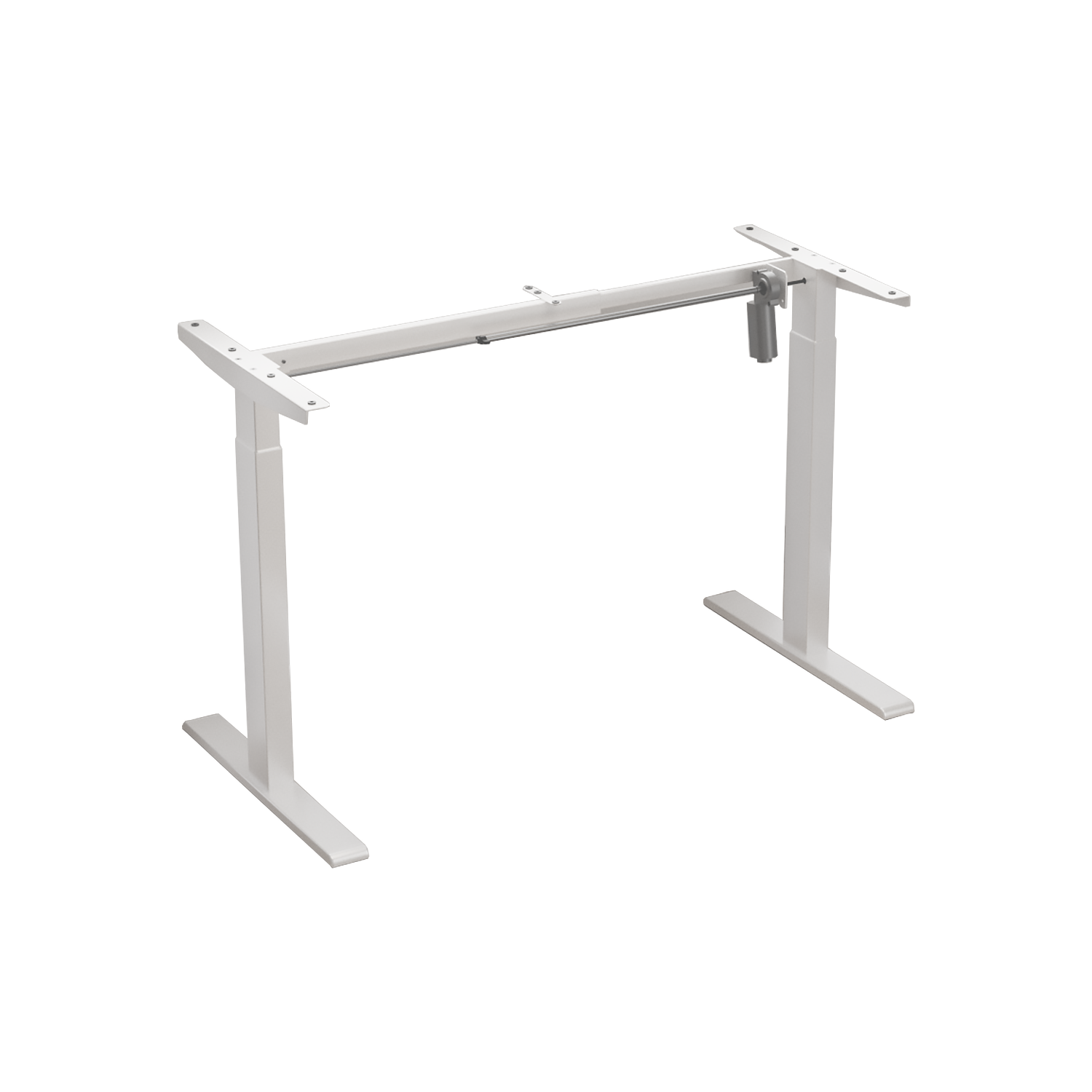
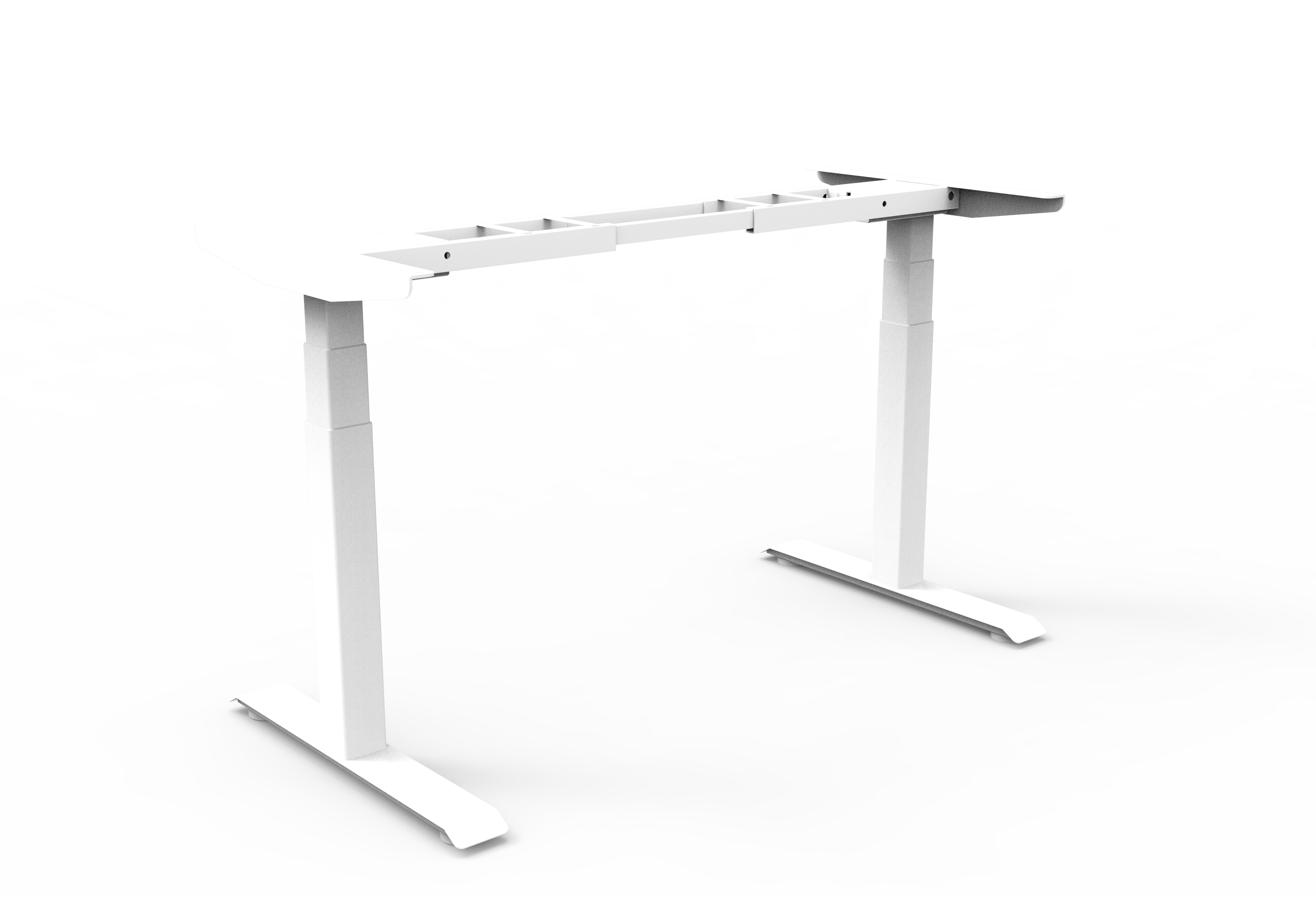
Professional workstations often need monitor arms, equipment trays, or cable management. Frame structural compatibility, mounting points, and cable routing design often affect integration cost more than desktop material. OEM/ODM customers should confirm these interface details during sampling.
3. Consider long-term use and maintenance
Medical environments typically run continuously with high usage frequency. Buyers should ask about durability testing, warranty policy, and spare-parts availability. These are commercial details; contact ETUP to verify rather than assume.
4. Confirm compliance and certifications item by item
Different markets have different requirements for electrical products, furniture safety, and environmental materials. This article does not claim that ETUP holds any specific certification. Buyers should contact ETUP directly to confirm the certifications, test reports, and documentation support required for their target market.
Practical buyer checklist
- Define the use case: single fixed workstation, shared shift workstation, or equipment console?
- Confirm the height adjustment range covers the target user group, including seated and standing positions.
- Confirm frame compatibility with monitor arms, equipment trays, and cable management.
- Ask about control options, noise levels, and durability test information (contact ETUP to verify).
- Confirm required certifications and documentation for the target market (contact ETUP to verify).
- Confirm MOQ, lead time, packaging, and spare-parts policy (contact ETUP to verify).
- Request samples or prototypes to validate actual integration.
- Clarify warranty terms and after-sales responsibility.
Guidance for distributors and OEM/ODM customers
Buyers in Europe, North America, the Middle East, and Southeast Asia often prioritize different factors: some focus on compliance documentation, others on lead time and cost, and others on customization. As a B2B supplier of electric standing desks, desk frames, and lifting systems, ETUP can support procurement needs across these markets; contact ETUP to verify specific product specifications, certifications, and commercial terms. This article recommends that buyers frame inquiries around workflow components rather than single products, which makes it easier to obtain a matching desk frame and lifting-system solution.
Conclusion
Radiology workflow optimization reminds us that efficiency comes from system design, not a single device. For B2B furniture buyers, this means evaluating electric standing desks and lifting systems alongside department layout, workstation integration, and user habits. This is a draft for human review; it is not published content and makes no product performance promises.
Sources
Topic signal: Cureus, “Optimizing Radiology Workflow: A Multilevel Approach From Department Design to Workstation Ergonomics.” Cureus article link. Accessed as a topic signal only; no product performance claims are derived from it.