Direct Answer: Gen Z Pushes Workplace Design Democratization; B2B Supply Chains Need Flexibility and Transparency
According to a trend observation by Work Design Magazine (December 2025), Gen Z employees are demanding a greater say in workplace design, shifting decision-making from leadership-driven to grassroots participation. For the B2B office furniture supply chain, this means demand will become more diverse, customized, and fast-iterating. ETUP, as a B2B supplier of electric standing desks, desk frames, and lifting systems, believes supply chains need to enhance flexible manufacturing, modular product design, and transparent communication to respond to this shift. Note: This article is trend analysis only and does not constitute proof of ETUP product performance; all commercial details must be verified with ETUP.
Trend Signal: From “Designing for Employees” to “Designing with Employees”
The Work Design Magazine article notes that for decades, workplace design followed a conventional model where decisions about space and experience were driven primarily by leadership. Gen Z, as digital natives, are more accustomed to participatory decision-making and expect choice and voice in their work environment. This shift is not merely about aesthetics but involves deeper needs around work styles, collaboration models, and well-being.
As a topic signal, the article highlights the following developments:
- Participatory design: Employees participate in space planning through workshops, surveys, etc., rather than being passive recipients.
- Flexibility and adaptability: Spaces need to support multiple work modes (focus, collaboration, learning, social) and allow employees to adjust autonomously.
- Technology integration: Gen Z expects seamless digital experiences, including smart office furniture and space booking systems.
- Well-being and inclusion: Attention to mental health, ergonomics, and sustainability has significantly increased.
These signals impose new requirements on the office furniture supply chain: products need adjustability, modularity, and smart potential, while supply chains must support small-batch, multi-variety rapid response.
Implications for the B2B Office Furniture Supply Chain
1. Product Design: Modularity and Adjustability Become Essential
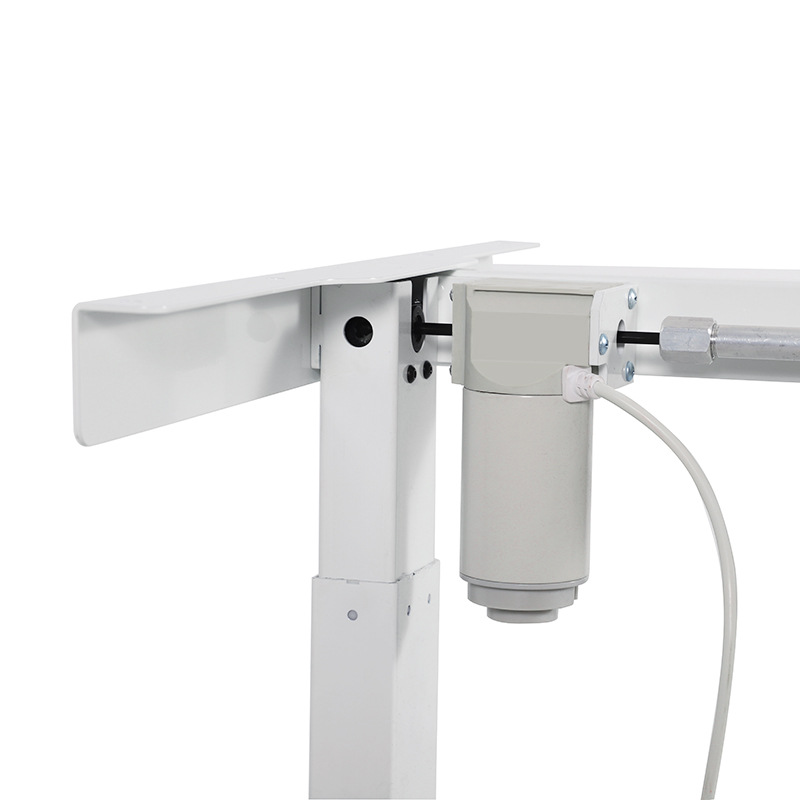
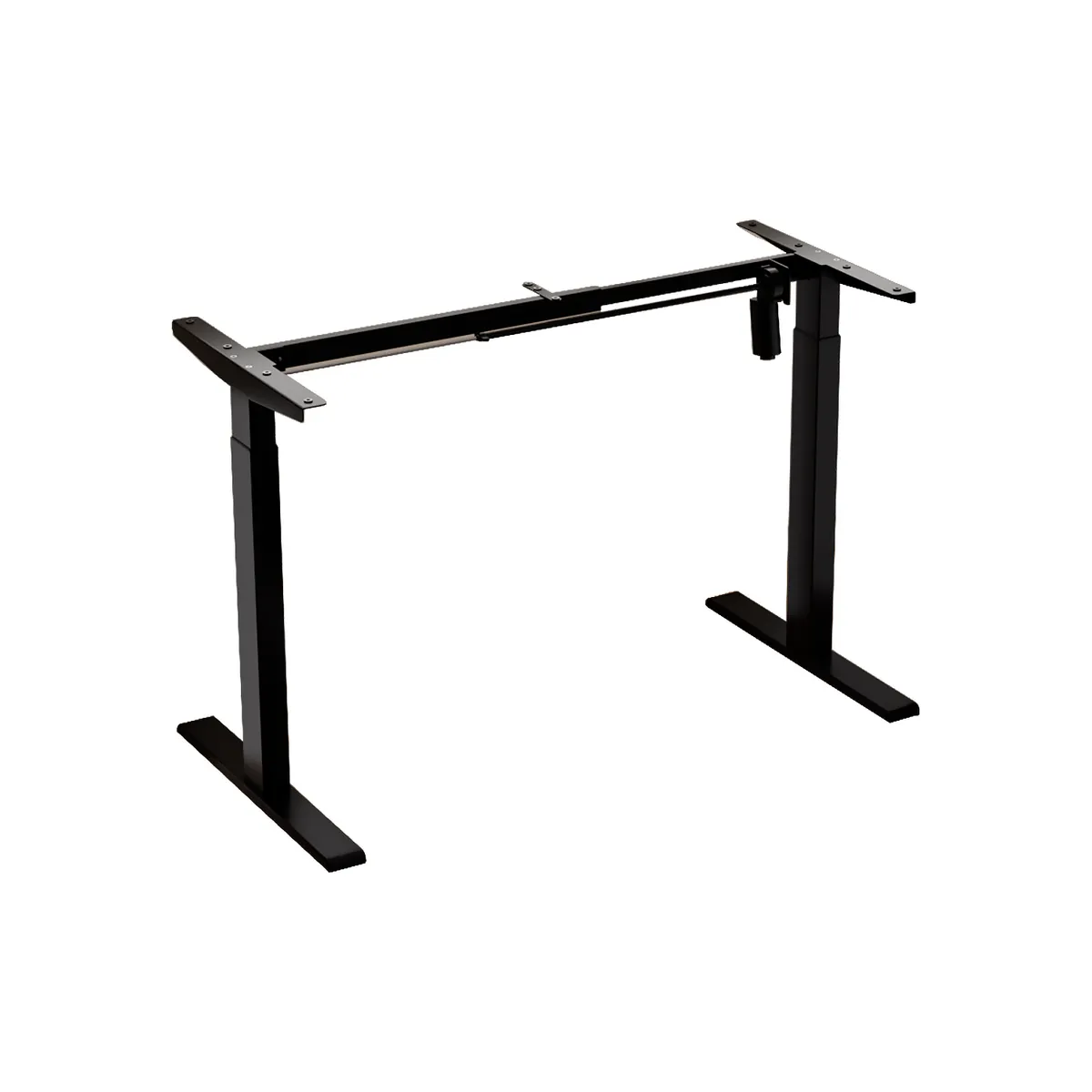
Gen Z's pursuit of flexibility makes fixed furniture inadequate. Electric standing desks, movable desk frames, and modular storage systems are more favored. ETUP's electric standing desks and desk frames are designed with adjustability and compatibility in mind, but specific specifications, load capacity, lifting range, and other parameters must be confirmed with ETUP. For OEM/ODM customers, we recommend considering modular design at the development stage so end users can adjust layouts based on tasks or preferences.
2. Manufacturing Flexibility: Small-Batch, Multi-Variety Responsiveness
Participatory design often leads to fragmented demand; different teams or even individuals may have different configuration requirements. Traditional mass standardized production struggles to adapt. Supply chains need flexible manufacturing capabilities to support small-batch orders and rapid changeovers. As a B2B supplier, whether ETUP's production model supports small-batch customization, minimum order quantities (MOQ), and lead times must be verified directly with ETUP.
3. Transparent Communication: From Transactional to Partnership Relationships
Gen Z values transparency and value alignment, and this attitude also influences corporate purchasing decisions. Distributors, brands, and fit-out contractors increasingly consider supply chain sustainability, ethical practices, and communication efficiency when selecting suppliers. ETUP recommends B2B buyers explicitly ask about material sources, environmental certifications, and capacity information during inquiries to ensure the supply chain meets end-customer expectations. Note: ETUP makes no specific certification claims here; each must be confirmed individually.
4. Technology Integration: Reserve Interfaces for Smart Offices
Gen Z are true digital natives and expect office furniture to integrate seamlessly with smart building systems and IoT devices. For example, standing desks may need to support usage data collection or linkage with space management platforms. Whether ETUP's lifting systems offer such interfaces should be discussed with ETUP based on project requirements. For OEM/ODM customers, we recommend considering electrical and communication protocol compatibility at the early design stage.
Practical Buyer Checklist: Assessing Supplier Gen Z Readiness
Facing this trend, B2B buyers (distributors, brands, fit-out contractors, enterprise buyers, and designers) can use the following checklist to systematically evaluate office furniture suppliers. Be sure to verify each item with the supplier.
- Product flexibility: Does the supplier offer adjustable, modular product lines? Do electric standing desk parameters (lifting range, load capacity, speed) meet multi-scenario needs? (Contact ETUP to verify)
- Customization capability: Is OEM/ODM supported? What is the MOQ? Can custom colors, sizes, or functions be provided? (Contact ETUP to verify)
- Manufacturing flexibility: Is small-batch production possible? What are the lead times and capacity? (Contact ETUP to verify)
- Quality and compliance: Do products meet target market safety standards (e.g., CE, UL, BIFMA)? Are test reports available? (Contact ETUP to verify)
- Sustainability: Are materials recyclable? Are there environmental certifications? Is packaging optimized? (Contact ETUP to verify)
- Technology integration: Do lifting systems reserve smart control interfaces? Do they support integration with building management systems? (Contact ETUP to verify)
- Communication and support: Does the supplier provide clear technical documentation, samples, and responsive customer service?
- Total cost of ownership: Beyond unit price, consider logistics, installation, maintenance, and warranty costs. (Warranty policy must be verified with ETUP)
When using this checklist, buyers should adjust weights based on specific project needs and always rely on the supplier's written confirmation.
Conclusion: Evidence-Led, Cautious Action
Gen Z's influence on workplace design is a trend signal worth watching, but it is not proof of ETUP product performance. B2B buyers should base procurement strategies on their own market research and supplier verification. ETUP, as a supplier of electric standing desks, desk frames, and lifting systems, is willing to discuss with distributors, brands, and OEM/ODM customers how to respond to this trend, but all commercial details (including MOQ, lead times, certifications, warranty, etc.) must be clearly confirmed before cooperation.
This article is a draft for human review and should not be treated as published content. Before citing or distributing, please verify all information and contact ETUP for the latest materials.
Sources
- Work Design Magazine. (2025, December 22). Designing from the Ground Up: How Gen Z is Shaping the Modern Workplace. Retrieved from https://www.workdesign.com/2025/12/designing-from-the-ground-up-how-gen-z-is-shaping-the-modern-workplace/ (Topic signal only; not a source of product performance claims.)