What does hybrid work mean for office furniture procurement?
Hybrid work is shifting offices from fixed workstations to flexible collaboration spaces. For distributors, office furniture brands, fit-out contractors, and enterprise buyers, this means demand for adaptable, adjustable, and durable desk solutions. Electric standing desks, desk frames, and lifting systems are key components for supporting sit-stand alternation, rapid space reconfiguration, and employee wellbeing.
Based on an industry topic signal (source listed at the end), this article analyzes selection criteria for hybrid workplace design from a B2B procurement perspective, helping buyers ask more precise questions during inquiry and sampling. All commercial details (such as MOQ, lead times, certifications, and warranty) should be confirmed directly with ETUP.
Three core trends in hybrid workplace design
1. Flexibility and reconfigurability
Hybrid spaces need to adapt quickly to different team sizes and activity types. Electric standing desks should support height memory, anti-collision detection, and stable lifting systems so they can be quickly switched between users. Desk frames should be easy to disassemble and reconfigure, reducing downtime during moves or layout changes.
2. Sit-stand alternation and employee wellbeing
Sit-stand alternation is widely considered helpful in reducing discomfort from prolonged sitting. Buyers should pay attention to noise level, lifting speed, and load capacity of the lifting system to ensure daily user experience. Please request product specifications from ETUP and confirm specific parameters.
3. Space efficiency and cable management
Flexible workspaces generally require a tidier desktop environment. Desk frame designs should allow space for cable management, and lifting systems should integrate easily with existing office furniture. For OEM/ODM customers, customization options such as colors, dimensions, and control systems can be discussed.
Key considerations for B2B electric standing desk procurement
Desk frames and lifting systems
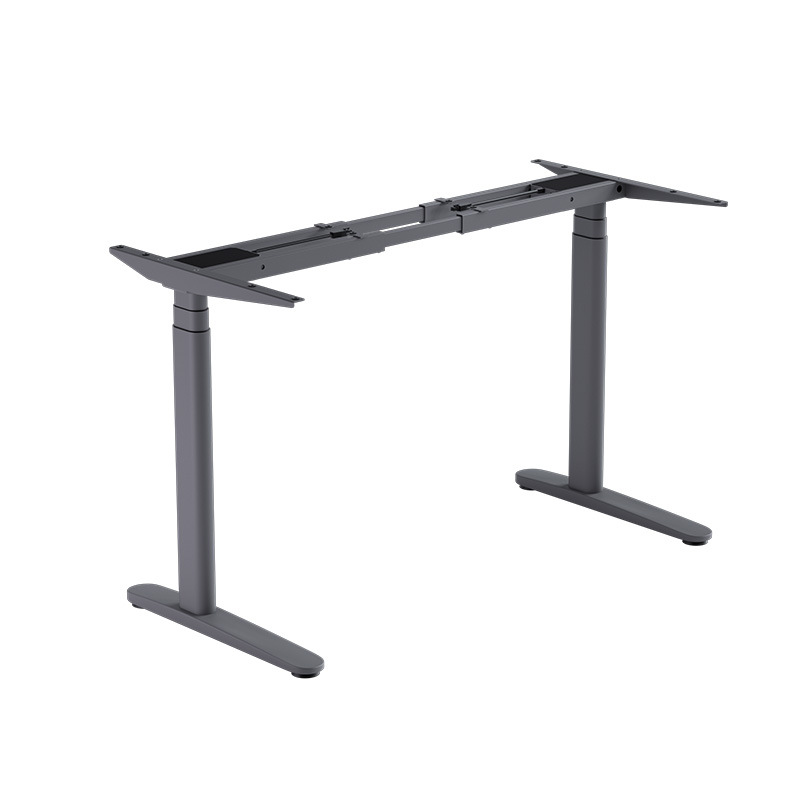
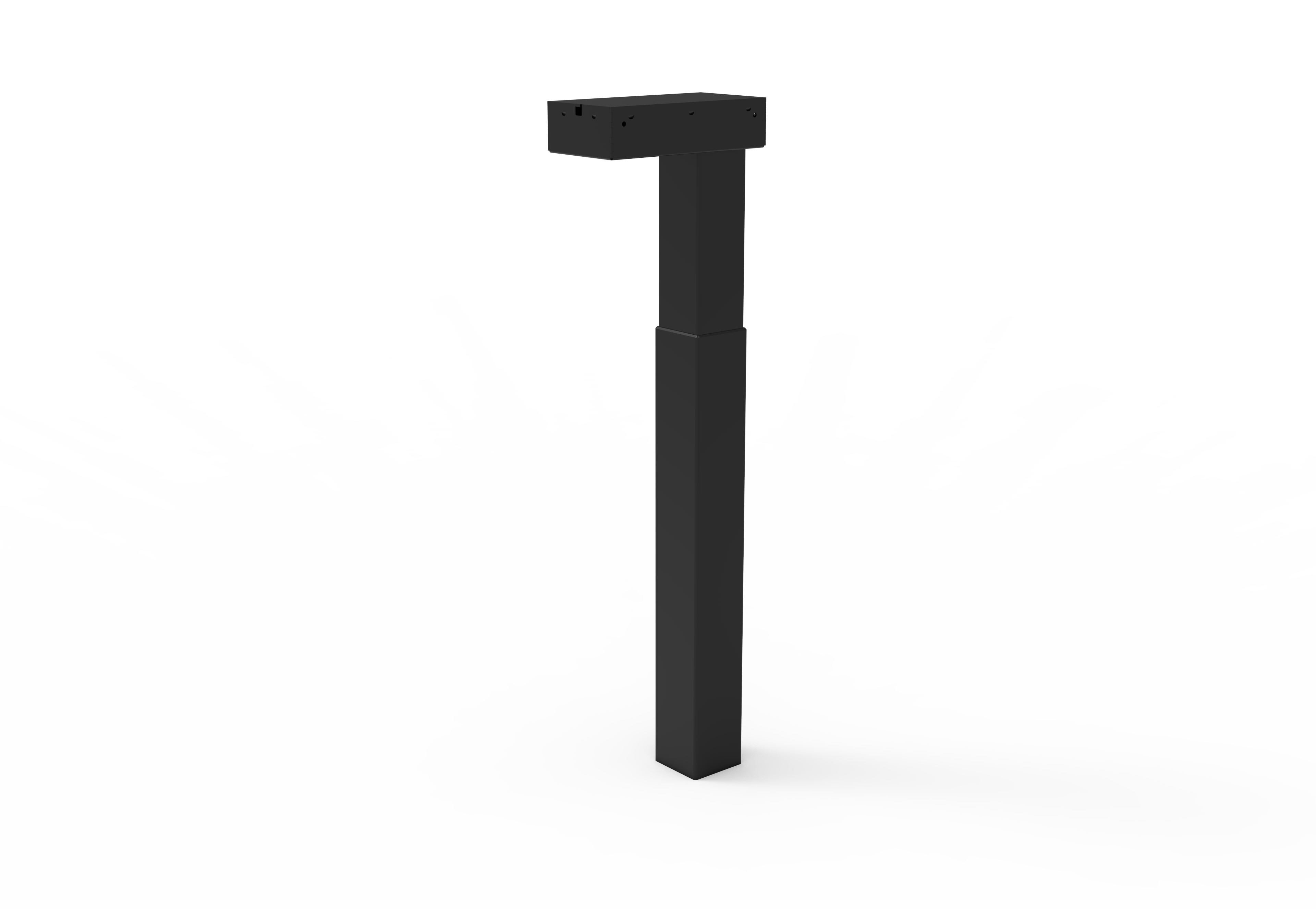
The desk frame is the core structure of an electric standing desk. Buyers should confirm the adjustment range, load capacity, number of leg stages, and stability of the frame. For lifting systems, understand motor type, control box compatibility, hand controller options, and whether multi-desk synchronization is supported. ETUP supplies B2B electric standing desks, desk frames, and lifting systems; please contact ETUP to verify specific specifications.
Compliance and certifications
Different markets have different electrical safety and environmental requirements for office furniture. Buyers should ask suppliers for certification documents relevant to the target market. This article does not claim that ETUP holds any specific certifications; please confirm available certifications and test reports directly with ETUP.
Customization and OEM/ODM capabilities
For office furniture brands and distributors, OEM/ODM capabilities directly affect product differentiation and time to market. Customization dimensions may include desktop dimensions, colors, control systems, packaging, and branding. Please confirm specific MOQ, sampling lead times, and delivery schedules with ETUP.
Practical buyer checklist
- Identify electrical safety and environmental requirements for the target market and request corresponding certification documents.
- Confirm the load capacity, lifting speed, noise level, and height range of the lifting system.
- Confirm whether the desk frame structure is easy to disassemble and reconfigure, and whether it allows space for cable management.
- Confirm whether hand controller options (height memory, anti-collision, child lock, etc.) meet project requirements.
- Discuss OEM/ODM customization options: dimensions, colors, control systems, packaging, and branding.
- Confirm MOQ, sampling lead times, mass production lead times, and warranty terms.
- Request product specifications and test reports, and verify consistency in a small trial order.
- Confirm after-sales support and spare parts availability arrangements.
Frequently asked questions
Should hybrid workspaces use single-motor or dual-motor lifting systems?
This depends on usage frequency, load requirements, and budget. Dual-motor systems generally provide more stable lifting performance, but the specific choice should be based on project needs. Please contact ETUP to discuss suitable options.
How can buyers verify a supplier’s certifications and test reports?
Ask the supplier for certification certificates and test reports relevant to the target market, and check certificate numbers and validity periods. Please confirm directly with ETUP which specific documents can be provided.
Sources
The topic signal for this article comes from officeinsight’s report “Designing for the Hybrid Workplace.” This source is used only as a topic reference and is not used to prove ETUP product performance or certifications. Link: officeinsight – Designing for the Hybrid Workplace
This is a draft for human review and must not be treated as published content. Please confirm all commercial details with ETUP.