Direct Answer: Flexibility Is a System Capability, Not a Product Feature
In a December 2025 article, Work Design Magazine argued that the workplace should be seen not as a finished space but as a living system that must continuously adapt. For B2B office furniture procurement, the core implication is that true flexibility cannot be achieved by purchasing a single "flexible" product. Instead, electric standing desks, desk frames, and lifting systems should be treated as upgradable, reconfigurable, and maintainable system components. For distributors, office furniture brands, fit-out contractors, and enterprise buyers, this means shifting the procurement question from "what desk to buy" to "what capability to build."
Using that article as a topic signal, this analysis offers an original procurement framework based on ETUP's perspective as a B2B supplier of electric standing desks, desk frames, and lifting systems. All commercial details—such as MOQ, certifications, lead times, and warranty—must be verified with ETUP.
Why Systems Thinking Matters for Office Furniture Procurement
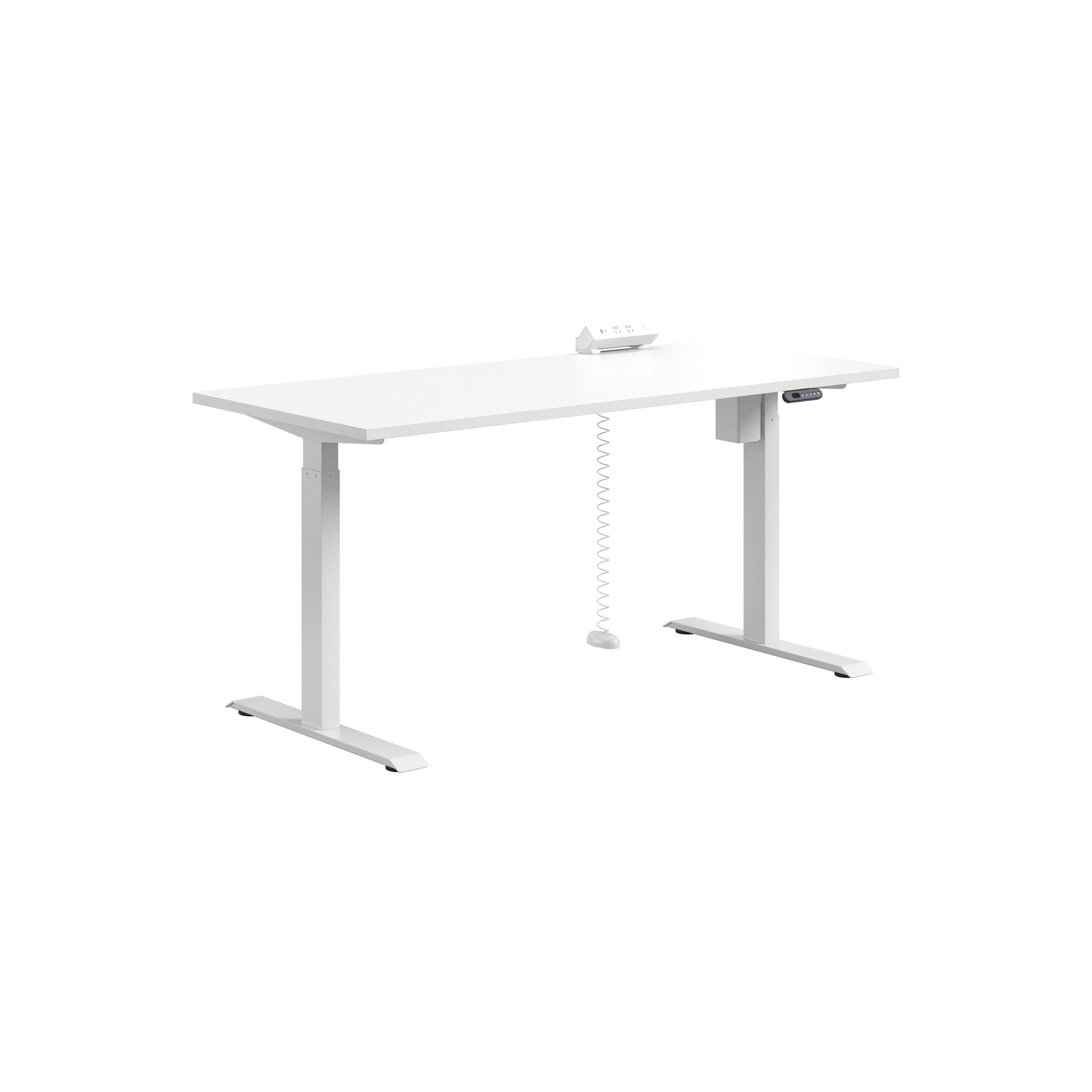
Traditional procurement configures furniture once per project, assuming stable space use. But reorganizations, hybrid work, and fluctuating team sizes invalidate that assumption. Systems thinking asks buyers to focus on interfaces between components, scalability, and lifecycle management. For height-adjustable desk systems, this means:
- Standardized interfaces: Do the frame-to-top connection and the control box-to-handset protocol allow later replacement or upgrades without scrapping the whole set?
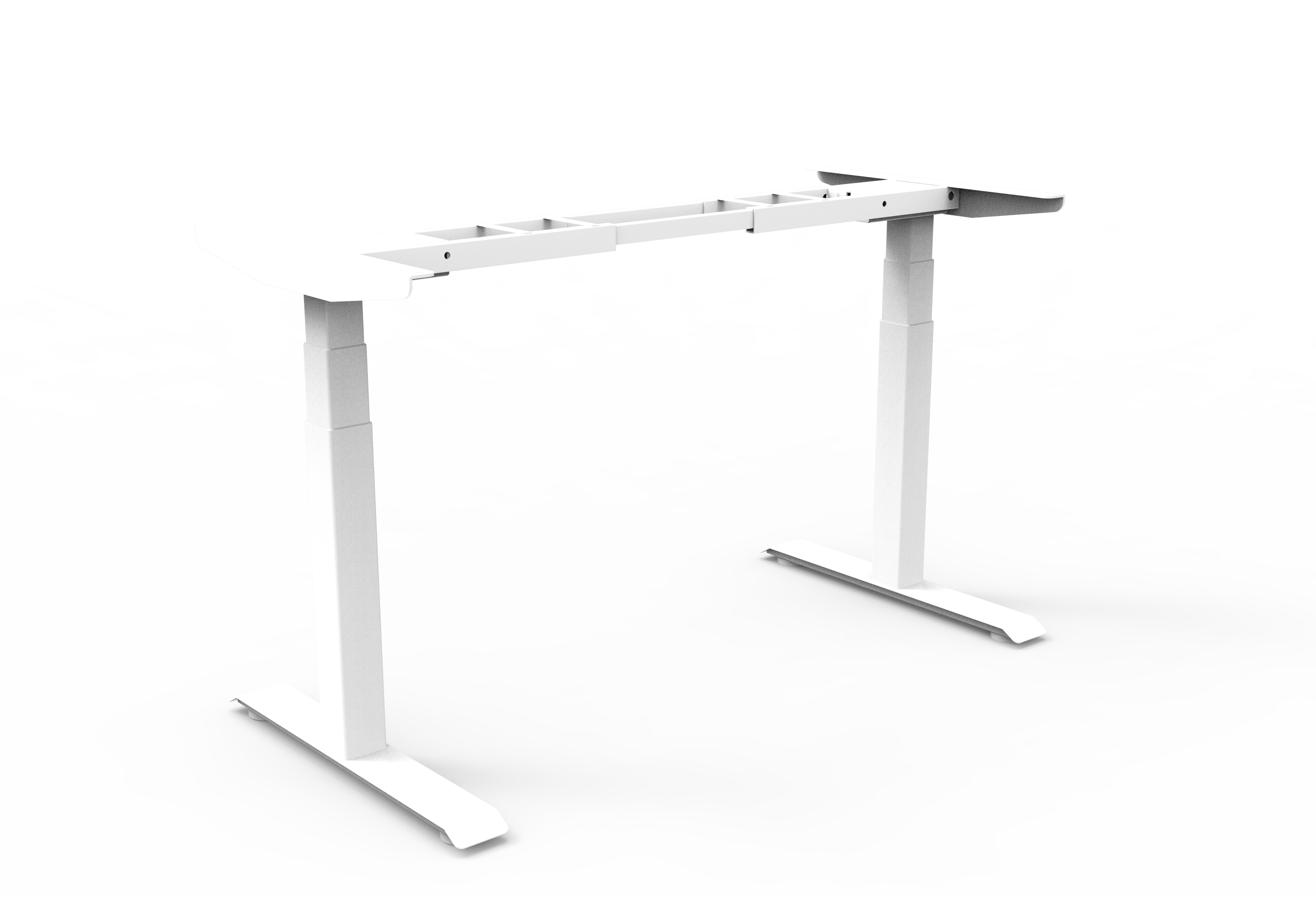
- Modular expansion: Can a single-workstation frame be expanded into a multi-workstation or linked layout with additional components as teams change?
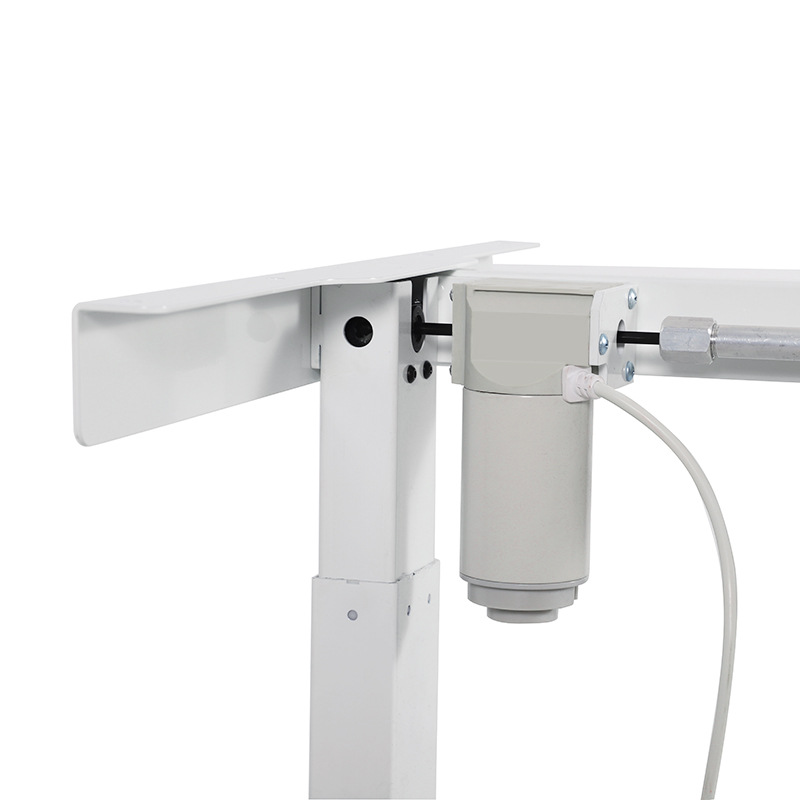
- Maintainability: Can lifting columns, control boxes, and handsets be replaced individually to reduce long-term operating costs?
- Space adaptability: Can the lifting system accommodate different desktop sizes and layout changes rather than being tied to a fixed workstation?
These dimensions cannot be read from a single product datasheet. Buyers need to ask suppliers during the inquiry stage. ETUP recommends clarifying expected future adjustments early in the conversation so that feasible configuration options can be verified.
Practical Implications for B2B Buyers
Distributors and Office Furniture Brands
For distributors and brands, systems thinking implies a shift in inventory strategy: hold fewer finished desks and more universal frames and lifting system components, covering more project requirements with fewer SKUs. This requires suppliers to provide clear component compatibility information. Buyers should verify frame series and lifting system matching, accessory availability, and OEM/ODM customization options with ETUP.
Fit-Out Contractors and Designers
Contractors and designers need to confirm electrical requirements, installation methods, and future adjustment possibilities early in a project. Systems thinking encourages reserving adjustment space at the design stage rather than accepting a fixed layout after construction. Confirming cable management, control box placement, and desktop cutout requirements with the supplier helps reduce on-site changes.
Enterprise Buyers
Enterprise buyers focus on total cost of ownership rather than initial purchase price. Individually replaceable lifting columns and control boxes, standardized interfaces, and supplier spare-parts support all affect long-term cost. Contracts should specify the replaceability of key components and spare-parts supply cycles; specific terms must be verified with ETUP.
Practical Buyer Checklist: Assessing Desk System Flexibility
Use the following checklist during inquiry and evaluation. Obtain written confirmation from the supplier for each item; do not assume.
- Is the frame-to-top connection interface standardized? Does changing the top later require replacing the entire frame?
- Can lifting columns, control boxes, and handsets be purchased and replaced individually? What is the spare-parts supply cycle? (Contact ETUP to verify.)
- Can a single-workstation system be expanded into a multi-workstation or linked layout with accessories? Which additional components are required?
- Does the control protocol support later upgrades or integration with common building/office systems?
- In OEM/ODM projects, which components can be customized and which must remain standard? What is the minimum order quantity for customization? (Contact ETUP to verify.)
- Do product certifications and compliance documents cover the target markets (e.g., EU, North America, Middle East, Southeast Asia)? Verify the specific certification scope with ETUP.
- Does the supplier provide installation guidance and post-installation adjustment support?
- Do warranty coverage and terms cover key moving components? Contact ETUP to verify specific terms.
Common Misconceptions
A common misconception equates "flexible" with "mobile." Mobile furniture addresses short-term layout changes, while system flexibility addresses long-term evolvability. Another misconception is comparing unit prices only, ignoring component replacement and expansion costs. Systems thinking requires buyers to consider three-to-five-year usage scenarios at the evaluation stage, not just the state at delivery.
Buyers should also not assume that any supplier's system inherently offers these capabilities. Suppliers differ significantly in interface standardization, modularity, and spare-parts support. This article does not claim that the Work Design article proves ETUP product performance; the article serves only as a topic signal indicating the direction of industry discussion. ETUP's specific product capabilities must be verified through direct communication.
Recommended Next Steps
For B2B buyers planning office space projects, incorporate system flexibility into the inquiry document and ask suppliers to respond to the checklist item by item. As a B2B supplier of electric standing desks, desk frames, and lifting systems, ETUP can help buyers clarify project requirements and verify feasible configuration options. All commercial details are subject to ETUP's written confirmation.
Sources
Topic signal: Work Design Magazine, "Designing for True Flexibility: A Systems Thinking Approach," 2025-12-19. https://www.workdesign.com/2025/12/designing-for-true-flexibility-a-systems-thinking-approach/
This is an original analysis and does not represent the views of the source publication. Verify commercial details with ETUP.