Dual Motor vs Single Motor Standing Desk: The Short Answer
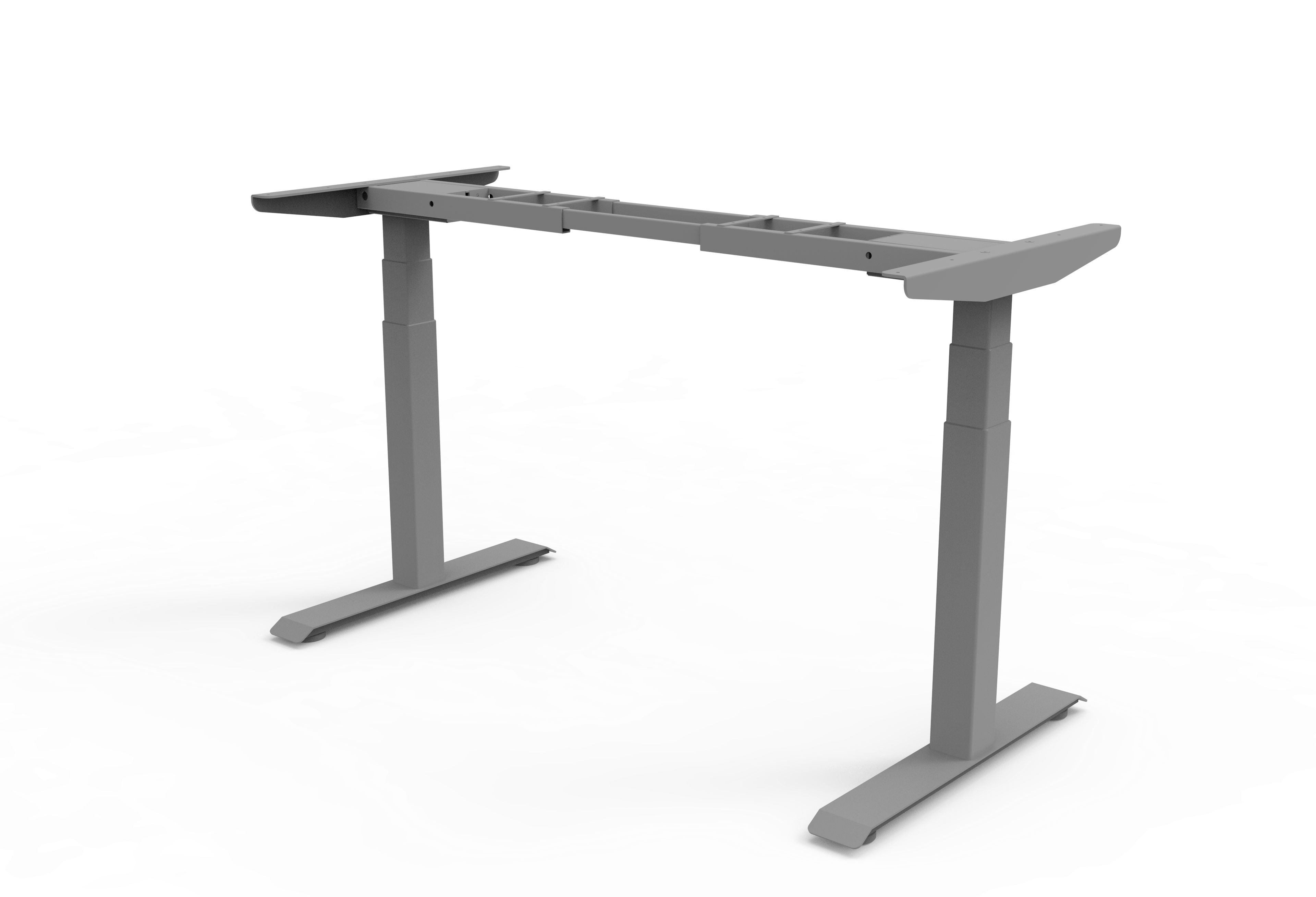
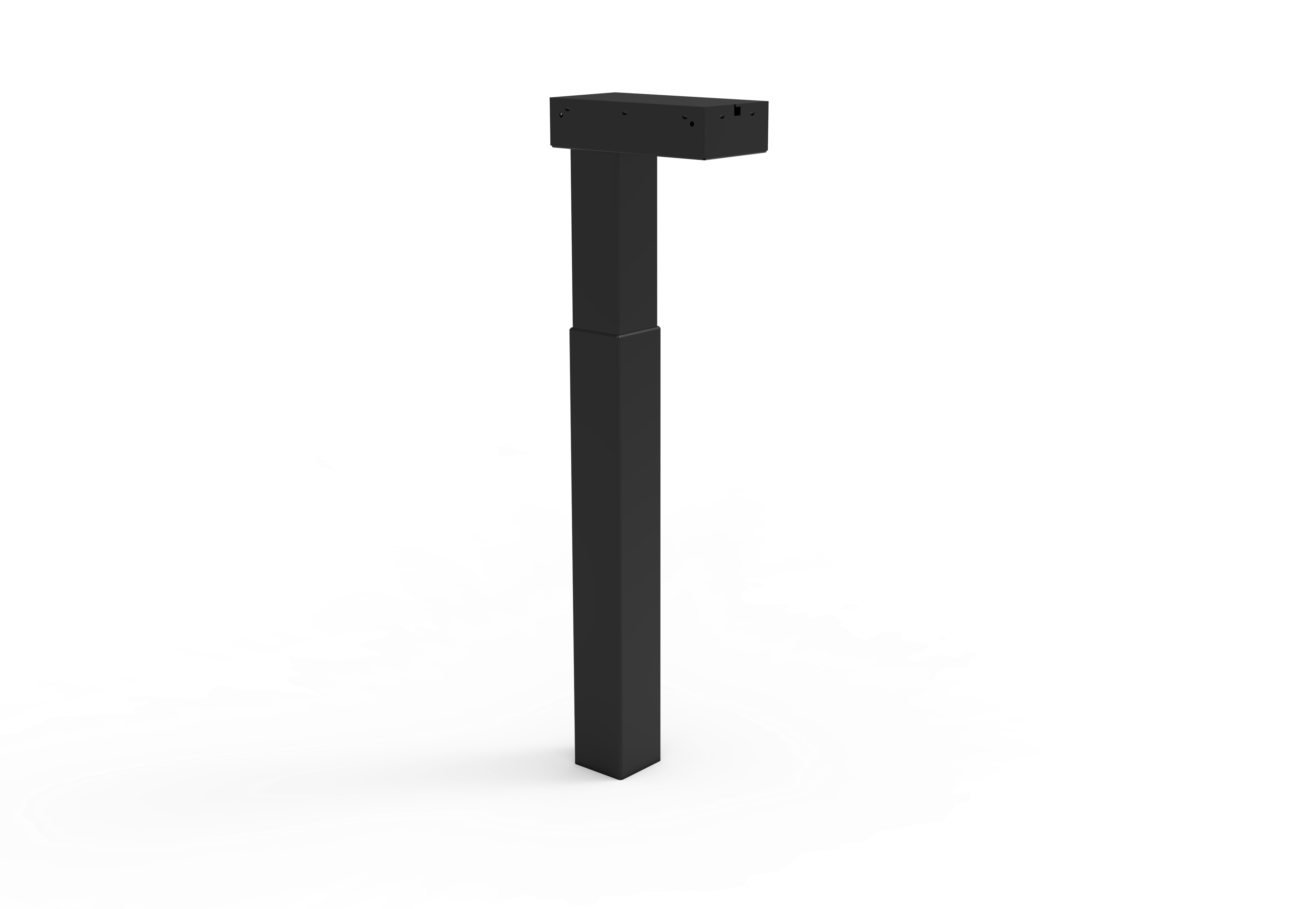
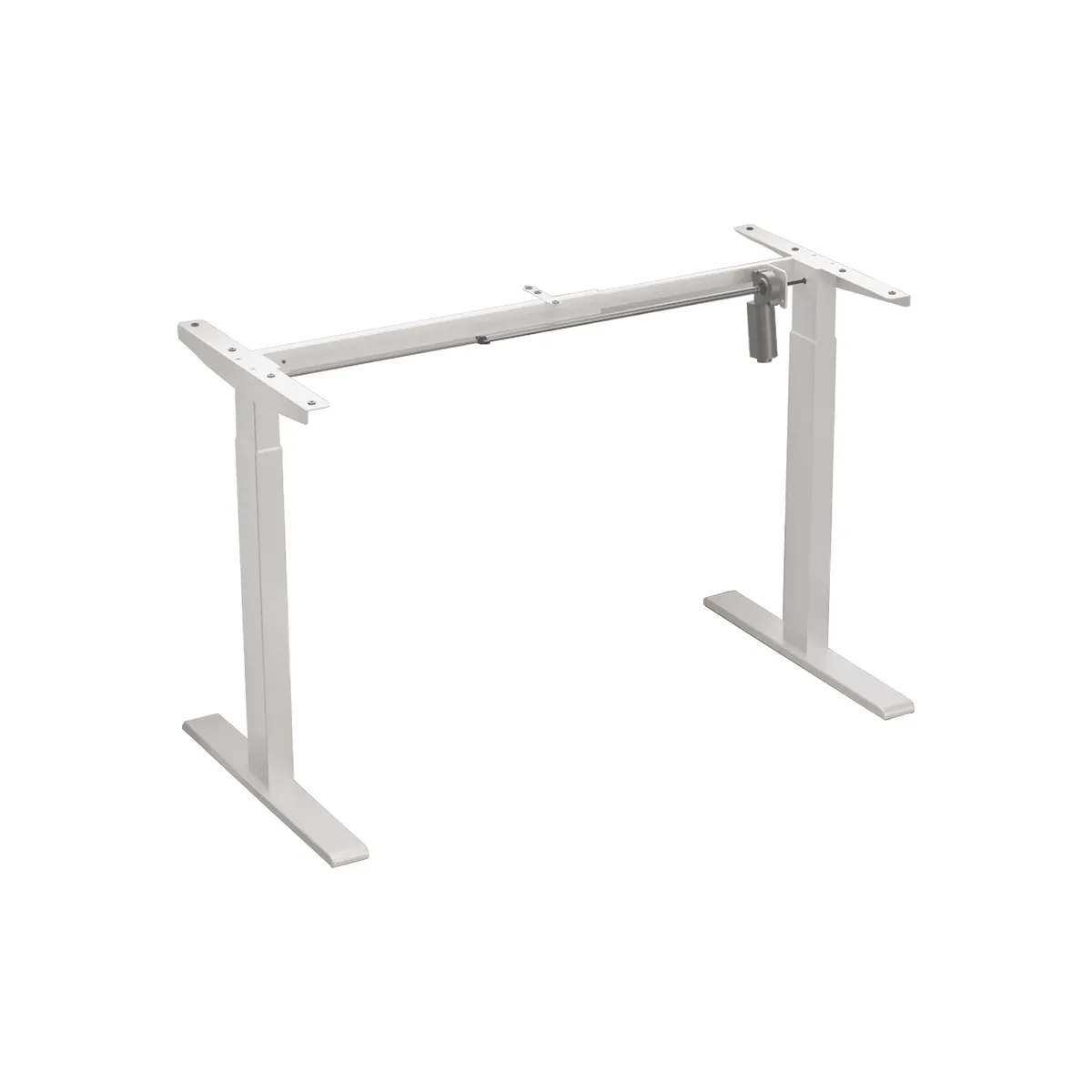
The core difference in a dual motor vs single motor standing desk comparison is the drive architecture. A single motor system uses one motor to drive both columns through a drive shaft or synchronization mechanism, while a dual motor system uses independent motors on each side, coordinated by a control board. For B2B buyers, this affects load capacity, lifting speed, structural stability, noise behavior, control logic complexity and maintenance approach. For the load, speed and noise figures of any specific model, refer to the specification sheet provided by ETUP or contact ETUP to verify.
ETUP supplies B2B electric standing desks, desk frames and lifting systems, and can serve as a supply-side reference for distributors, office furniture brands, fit-out contractors, enterprise buyers, designers and OEM/ODM customers. This article does not cite external test data; it focuses on selection logic to help buyers build a decision framework.
How Drive Architecture Affects the User Experience
Load Capacity and Lifting Speed
Dual motor designs typically share the load across two motors, so with comparable motor specifications they often offer a higher rated load ceiling and faster lifting speed. Single motor designs rely on one motor and a transmission mechanism, so load and speed are usually limited by motor power and transmission efficiency. Buyers should treat the total desk load — desktop weight plus monitors, PC, and personal items — as a selection input, and contact ETUP to verify the rated load and lifting speed of the target model.
Stability and Synchronization
Dual motor systems adjust both columns through a control board, which generally makes it easier to maintain level and stability on wider desktops, under offset loads, or in frequent-adjustment environments. Single motor systems connect both sides through a drive shaft; the structure is simpler, but wider desktops or offset loads place higher demands on the rigidity of the transmission mechanism. For projects involving large desktops or shared use, validate offset-load stability during sampling.
Noise and Response
Noise behavior depends on motor selection, transmission structure, frame rigidity and installation quality, so it cannot be judged from the label “single motor” or “dual motor” alone. Buyers should test lifting noise and start/stop response on actual samples in the target use scenario, and contact ETUP to verify how noise-related parameters are defined.
Control Logic and Feature Expansion
Dual motor systems are often paired with a more complete control board, making it easier to support height memory, anti-collision detection, child lock and sedentary reminders. Single motor systems tend to have more streamlined control features. For projects that need integration with smart office or building management systems, confirm interface capabilities with the control board supplier in advance and contact ETUP to verify available configurations.
Cost, Maintenance and Supply Chain Considerations
Single motor designs are structurally simpler and usually lower in material cost, which suits budget-sensitive or highly standardized projects. Dual motor designs offer more headroom in load, speed and stability, which suits mid-to-high-end office furniture brands, corporate headquarters and high-frequency use. On maintenance, dual motor systems involve two motors and a synchronized control board, so troubleshooting requires a clearer diagnostic process; single motor systems make the transmission mechanism a key routine inspection point. Buyers should specify spare parts supply, warranty scope and after-sales response in the contract; contact ETUP to verify specific terms.
B2B Buyer Checklist
- Define the total desk load and the worst-case offset-load scenario, and contact ETUP to verify the rated load of the target model.
- Confirm whether lifting speed and noise definitions match project acceptance criteria.
- For wide desktops, shared use or frequent adjustment, validate offset-load stability on samples first.
- List required control features (height memory, anti-collision, child lock) and confirm control board options.
- Confirm frame and column installation method, packaging dimensions and container loading efficiency.
- Specify warranty scope, spare parts supply and after-sales response process in the purchase contract.
- For OEM/ODM projects, confirm the customization boundaries for appearance, color, branding and control panel.
- Complete sample testing and small-batch validation before moving to volume orders.
Frequently Asked Questions
Is a dual motor desk always more stable than a single motor desk?
Not necessarily. Stability depends on frame rigidity, column structure, synchronization control and installation quality. Dual motor designs usually offer more headroom on wide desktops and offset loads, but sample validation remains the reference.
Which B2B scenarios suit a single motor standing desk?
Budget-sensitive projects with standard desktop sizes and moderate use frequency can consider single motor designs. Confirm suitability against project load and acceptance criteria by contacting ETUP.
How can buyers request quotations and specification sheets?
Contact the ETUP sales team through official channels, describe the project scenario, target quantity and customization needs, and request the specification sheet and commercial terms for the relevant model.
Next Step
This article provides a comparison framework for purchasing decisions and does not constitute a performance commitment for any specific model. All commercial details, including load, speed, noise, warranty and lead time, are subject to written confirmation by ETUP. Buyers are advised to engage ETUP early in the selection process and complete sample validation before volume production.