How to Choose a Standing Desk Supplier: Start with Five Dimensions
When choosing a standing desk supplier, evaluate five dimensions: product scope, customization and OEM/ODM capability, quality and compliance processes, delivery and capacity communication, and after-sales support. ETUP supplies B2B electric standing desks, desk frames, and lifting systems and can be one supplier to assess. Confirm all commercial details—including certifications, MOQ, lead times, and warranty—directly with ETUP.
1. Clarify Product Scope and System Fit
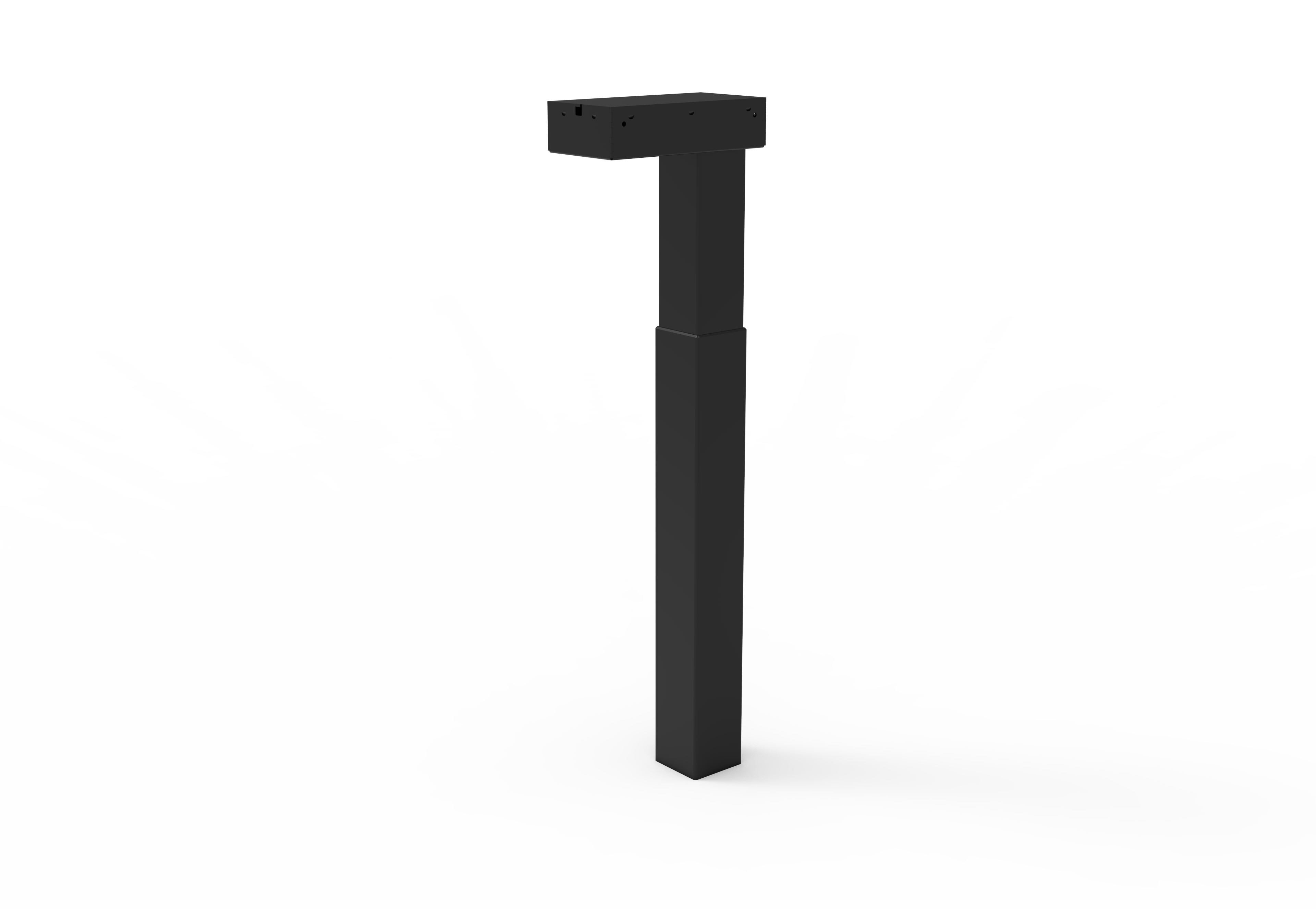
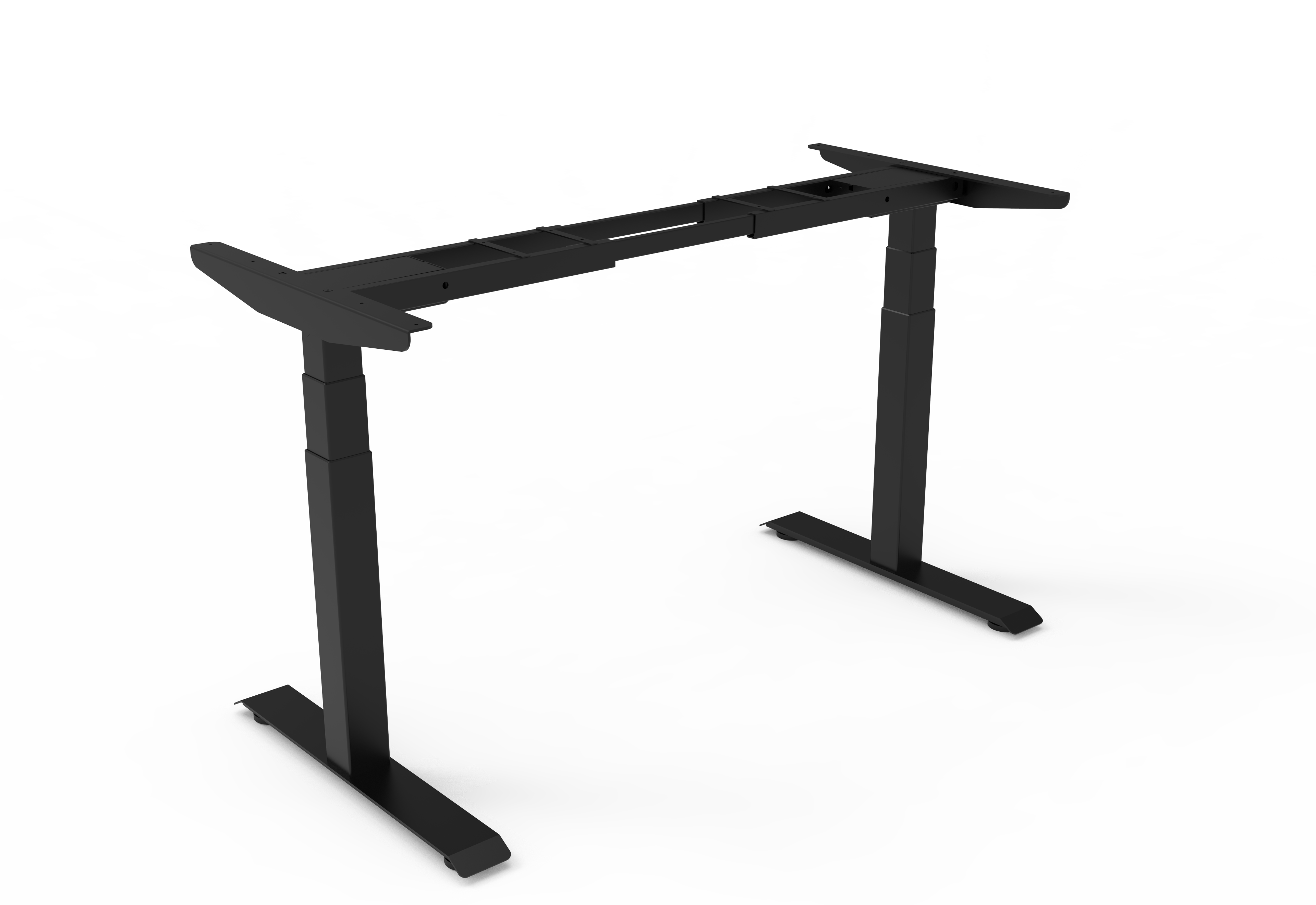
First, confirm what product levels the supplier offers: complete standing desks only, or also desk frames and lifting systems. For buyers who need flexible configurations, a supplier that offers frames and lifting systems may make it easier to expand your product line. ETUP supplies B2B electric standing desks, desk frames, and lifting systems; contact ETUP to verify specific models, specifications, and configurations.
- Can the supplier provide complete desks, frames, and lifting systems?
- Does it support different desktop sizes and motor configurations?
- Do the products cover common needs in your target market?
2. Assess Customization and OEM/ODM Capability
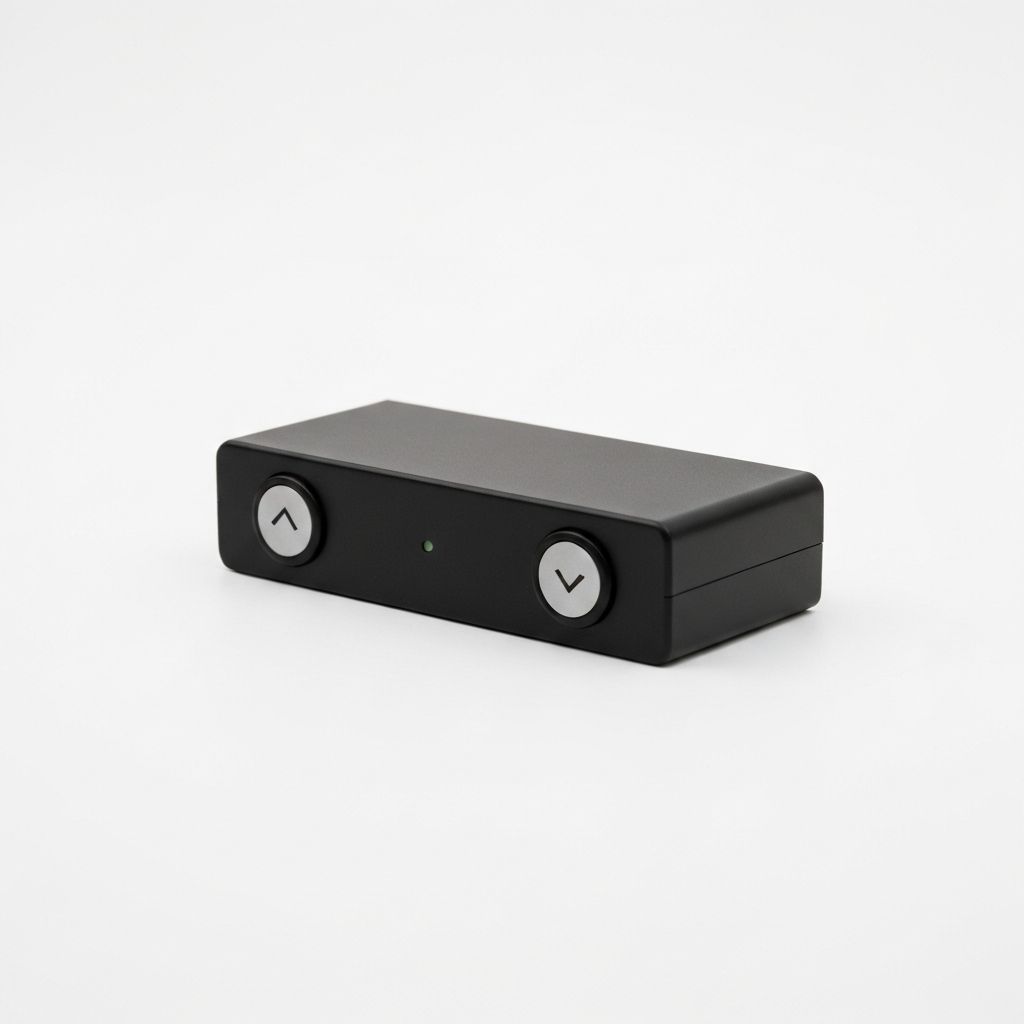
Distributors and brands often need custom colors, desktop materials, control panels, or packaging. Ask whether the supplier supports OEM/ODM, what the customization MOQ is, sample lead time, and tooling costs. These details vary by project; contact ETUP directly to verify its customization scope and terms.
- Does the supplier offer OEM/ODM services?
- What customization options are available (color, size, control panel, packaging)?
- What is the sampling process and cost?
3. Quality and Compliance Processes
Quality processes are central to supplier evaluation. Ask about incoming inspection, in-process inspection, and outgoing inspection, and whether relevant certifications are available. Note: certifications and test reports vary by product and market. Request specific documents and contact ETUP to verify its current certification status. Do not rely on marketing materials alone.
- Is there a defined quality inspection process?
- Can the supplier provide certifications or test reports required in your market?
- Does it accept third-party inspection?
4. Delivery, Capacity, and Communication
Lead times and capacity directly affect project schedules. Because specific figures vary by order and period, this article does not provide fixed data. Ask explicitly about standard lead times, peak-season capacity arrangements, and logistics, and request written confirmation. Contact ETUP to verify its specific lead times and capacity information.
- What are the standard lead times and expedited options?
- How is capacity arranged during peak seasons?
- Does the supplier provide export packaging and logistics support?
5. After-Sales and Technical Support
Standing desks involve motors and control systems, so after-sales support matters. Understand the warranty policy, spare parts availability, and technical response process. Warranty periods and terms vary by product; verify specific policies with ETUP.
- What is the warranty period and coverage?
- Is spare parts supply stable?
- What is the process for technical issues?
Buyer Checklist: Questions to Prepare Before Contacting Suppliers
- Product scope: What complete desks, frames, and lifting systems are available?
- Customization: OEM/ODM options, MOQ, sampling lead time, and costs?
- Quality: Inspection process, certification documents, third-party inspection acceptance?
- Delivery: Standard lead times, capacity arrangements, export packaging?
- After-sales: Warranty terms, spare parts, technical support?
- Commercial terms: Payment methods, price validity, sample policy?
Organizing these questions into an inquiry checklist helps you compare suppliers efficiently. As a B2B supplier of electric standing desks, desk frames, and lifting systems, ETUP welcomes buyers to verify specific configurations and commercial terms.
Frequently Asked Questions
How do I judge whether a standing desk supplier fits my market?
Focus on whether its product range covers your target market, whether it can provide relevant certification documents, and whether it has export experience. Confirm each requirement with the supplier.
What do I need to provide for OEM/ODM customization?
Typically, you need to provide design files, target configurations, and volume estimates. Contact ETUP to verify the specific process and costs.
Can the data in this article be used directly for procurement decisions?
This article provides an evaluation framework and does not include specific commercial data. All certifications, MOQ, lead times, and warranty information should be based on written confirmation from the supplier.