Direct answer
Education spaces are becoming a demand direction worth watching for B2B standing desks and lifting systems, but that does not mean the education market will automatically generate orders. For distributors, office furniture brands, fit-out contractors, and OEM/ODM customers, the more practical view is this: education settings have requirements around height adjustability, durability, safety, and space flexibility that overlap with the product logic of ETUP's electric standing desks, desk frames, and lifting systems. Whether a specific project fits must be verified against local standards, procurement processes, and project specifications.
This article uses Office Insight's coverage of EDspaces as a topic signal. It does not treat that source as proof of ETUP product performance or market data. All commercial details, including MOQ, lead times, certifications, warranty, and customization capability, must be confirmed with ETUP.
Why education deserves attention from the B2B furniture supply chain
According to the topic signal, EDspaces 2026 is scheduled for October 28–30 in Kansas City. The report notes that the office furniture industry has spent years adapting products and business models to priorities such as flexibility, collaboration, technology integration, well-being, and more effective use of space, and that these same priorities are creating opportunities in education. The value of this observation is that it signals a shift in procurement language: education buyers are increasingly talking about space efficiency and reconfigurability, not only bulk purchases of traditional desks and chairs.
For ETUP's customers, this suggests three things:
- Product portfolios need height-adjustable capability. Demand for sit-stand use, accommodation of different user heights, and multi-scenario switching in education spaces flows through to desk frame and lifting system suppliers.
- Project-based procurement values system compatibility. Education projects are often delivered jointly by designers, contractors, and furniture brands. Lifting systems need to work with tabletops, storage, and cable management, which makes OEM/ODM capability relevant.
- Compliance and safety are entry requirements. Education settings tend to place greater emphasis on structural safety, electrical safety, and durability than ordinary office settings. Suppliers need documentation that matches project requirements, not just product descriptions for tenders.
Specific requirements for desks and lifting systems in education
1. Height adjustment and multi-user adaptability
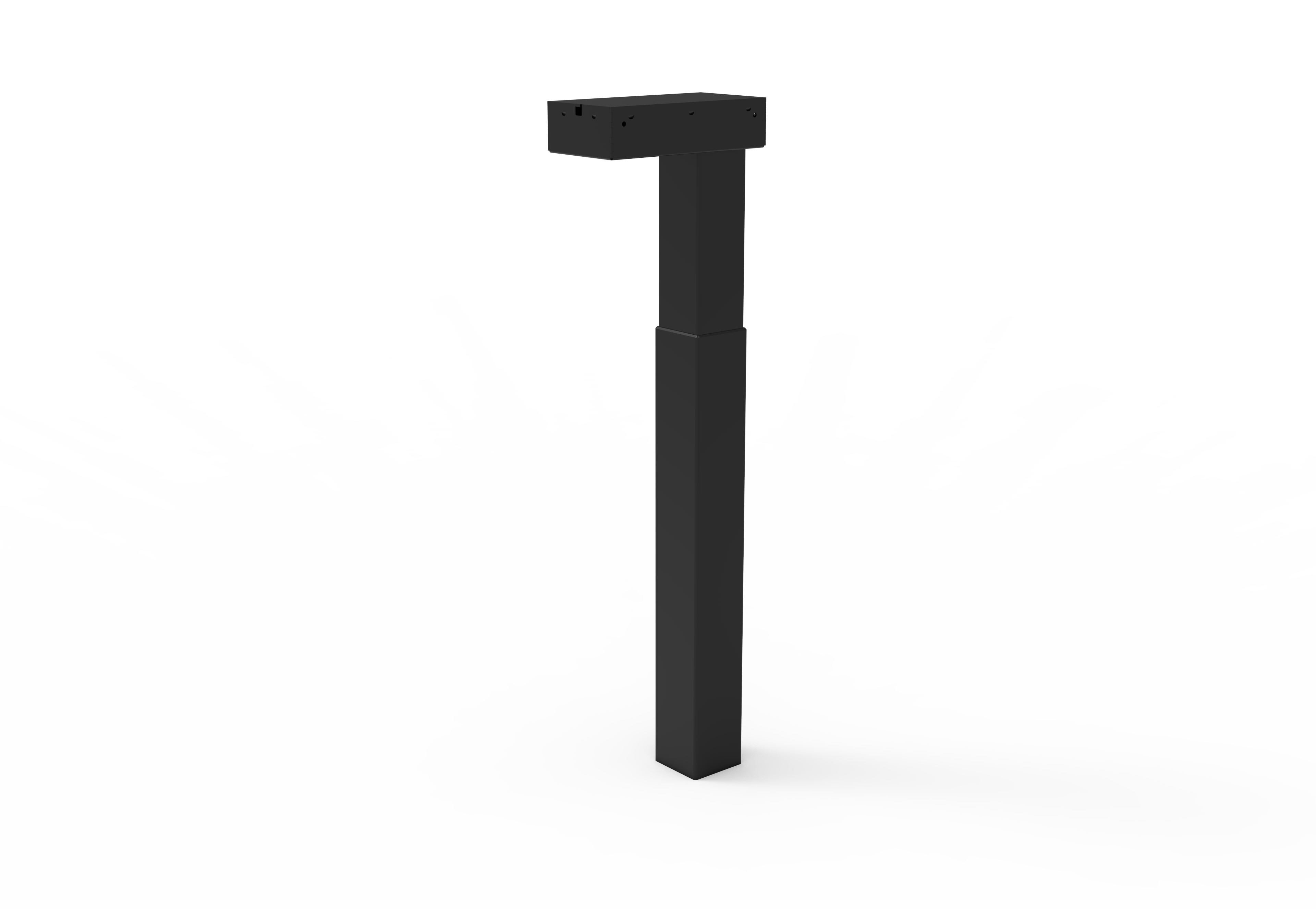
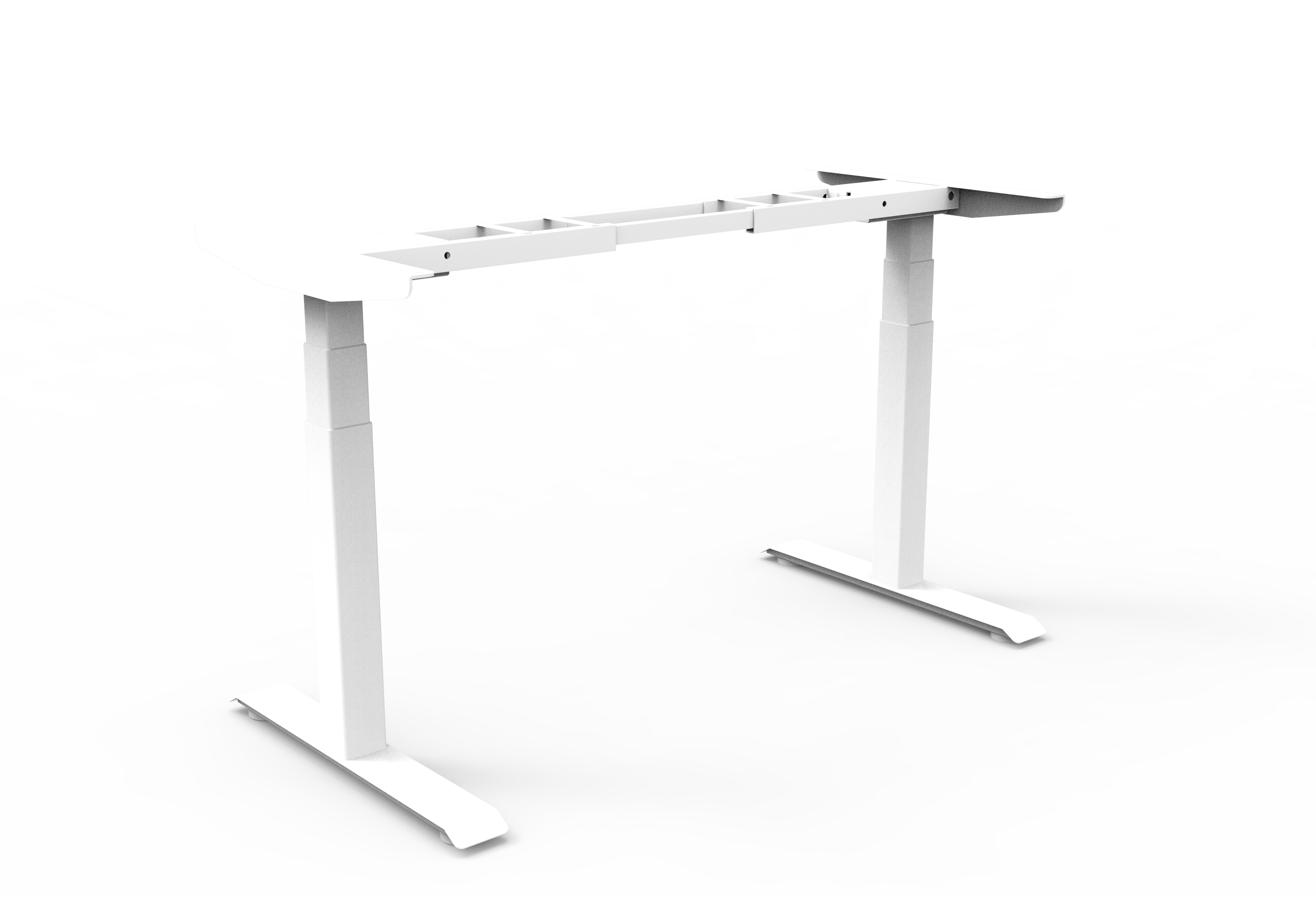
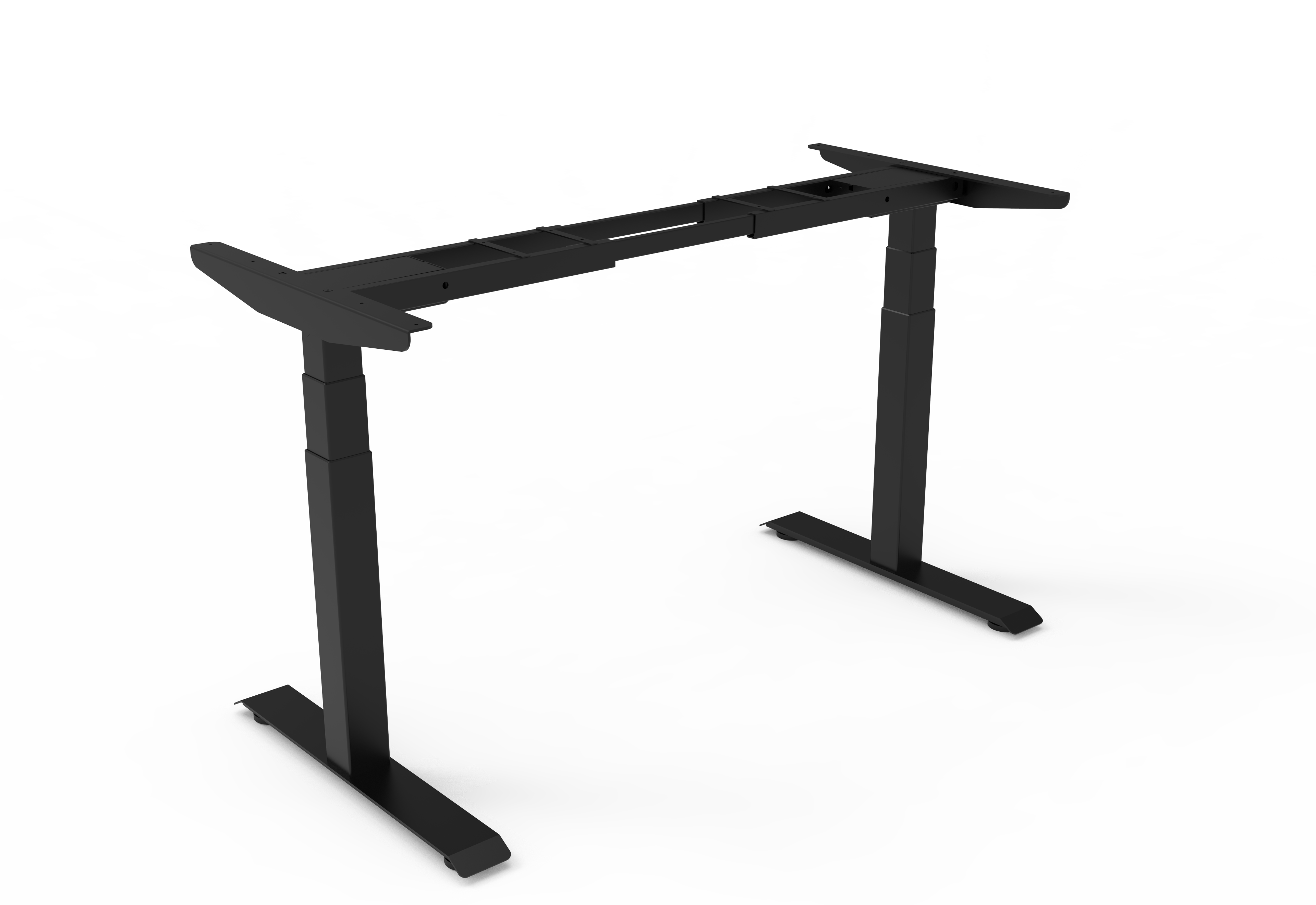
Education spaces serve users with a wide range of heights, and the same room may serve different groups at different times. Electric standing desks and height-adjustable desk frames can make a space reconfigurable rather than custom-fixed for each user. For distributors and furniture brands, this means checking whether stroke length, control options, and memory functions cover the target project range. Contact ETUP to verify specific parameters.
2. Structural durability under frequent use
Education settings often see higher frequency and intensity of use than typical office workstations. Frame structure, lifting system cycle life, and surface treatment all affect maintenance costs. This article does not cite unverified test data. Buyers should request technical documents that correspond to project requirements and confirm whether those documents apply to the target market.
3. Safety and electrical compliance
Electric lifting systems involve electrical safety, anti-collision protection, and load capacity. Different regions have different requirements for education furniture, and Europe, North America, the Middle East, and Southeast Asia each have their own regulatory frameworks. Whether ETUP holds a particular certification and which models it covers must be confirmed in writing by ETUP and cannot be inferred from this article.
4. Space efficiency and cable integration
Education spaces often need to combine power for teaching equipment, cable management, and rapid reconfiguration. The ability to integrate lifting systems with desk frames, cable routing, and accessories affects installation efficiency and long-term maintenance. For fit-out contractors, this is often a larger total-cost factor than unit price.
What this means for different B2B customers
- Distributors: Education projects often follow academic terms and budget cycles, so stocking rhythm differs from office projects. Confirm supply stability and lead times for standard models with ETUP.
- Office furniture brands: An education line can reuse standing desk frame platforms, but appearance, dimensions, and accessories need to be assessed for education settings. OEM/ODM discussions should define specification boundaries clearly.
- Fit-out contractors: Focus on installation efficiency, on-site adaptability, and documentation completeness. Before bidding, confirm which technical documents the supplier can provide.
- Enterprise buyers and designers: Education decisions often involve facilities, teaching, and safety stakeholders. Clear supplier documentation can affect how quickly a project moves forward.
Buyer checklist
The following checklist is for early project evaluation and does not constitute a commitment of any ETUP capability. Each item must be confirmed in writing with ETUP.
- What are the education furniture entry requirements in the target market, and which corresponding documents can the supplier provide?
- Do stroke length, load capacity, and control options cover the actual use scenarios in the project?
- Is the frame and lifting system structure suitable for frequent use? What are the maintenance and spare parts arrangements?
- Is OEM/ODM customization supported? What are the customization scope, MOQ, and sampling lead time?
- What are the lead times and capacity situation for standard models? Are there seasonal or project-concentration effects?
- Which components does the warranty cover, and how is it administered in the target market?
- Are packaging, shipping, and installation instructions compatible with the project delivery method?
- Can the supplier provide technical drawings and specification sheets that meet project requirements?
Conclusion
The EDspaces topic signal shows that the education market is being taken seriously by the furniture industry, but the opportunity for B2B suppliers comes from verifiable product fit and project delivery capability, not from event visibility alone. ETUP supplies electric standing desks, desk frames, and lifting systems. Whether a specific education project fits, and what the certification and commercial terms are, should be confirmed directly with ETUP before procurement decisions are made.
Sources
Topic signal source: Office Insight, EDspaces Highlights Education as a Growth Market for Industry (published 2026-10-19). This article uses the report only as a topic signal and does not treat it as evidence of ETUP product performance or market size.
This is a draft for human review and must not be treated as published content. All commercial details are subject to ETUP confirmation.