Direct answer: what does employees "hacking" the workplace mean for buyers?
A Work Design conversation (a topic signal, not a source of conclusions for this article) suggests employees are "hacking" their work environments by adjusting workstations, moving furniture, and changing how spaces are used, while many organizations still misunderstand the shift. For B2B buyers, the key takeaway is not to chase a specific trend but to revisit a basic question: do office furniture and lifting systems give employees enough room to adjust safely on their own? If products and rules are too rigid, employees will improvise, creating hidden costs in safety, maintenance, and facilities management.
This article treats the report only as a topic signal and does not treat it as evidence of ETUP product performance or market data. For all commercial details, including MOQ, lead times, certifications, and warranty, contact ETUP to verify.
What the topic signal suggests
According to the Work Design conversation with Ken Baker, Regional Managing Principal at Gensler, Gensler's newly released Global Workplace Survey highlights changes in how work is done and where most organizations still get it wrong. The central observation is that employees no longer passively accept a given workplace; they actively modify it. That observation is worth attention from buyers, but specific survey data and conclusions should be checked against the original source.
For the B2B supply chain, this employee-led modification raises at least three questions:
- Insufficient adjustability: When fixed-height desktops cannot accommodate different tasks and body types, employees may add risers, swap desks, or repurpose workstations.
- Rules disconnected from tools: Organizations may set workstation policies, but if the furniture does not support flexible switching, employees work around the rules.
- Hidden costs shifted to facilities: Informal modifications can lead to cable clutter, misuse of load limits, and maintenance burdens ultimately borne by facilities teams.
Practical implications for B2B buyers
Distributors and office furniture brands
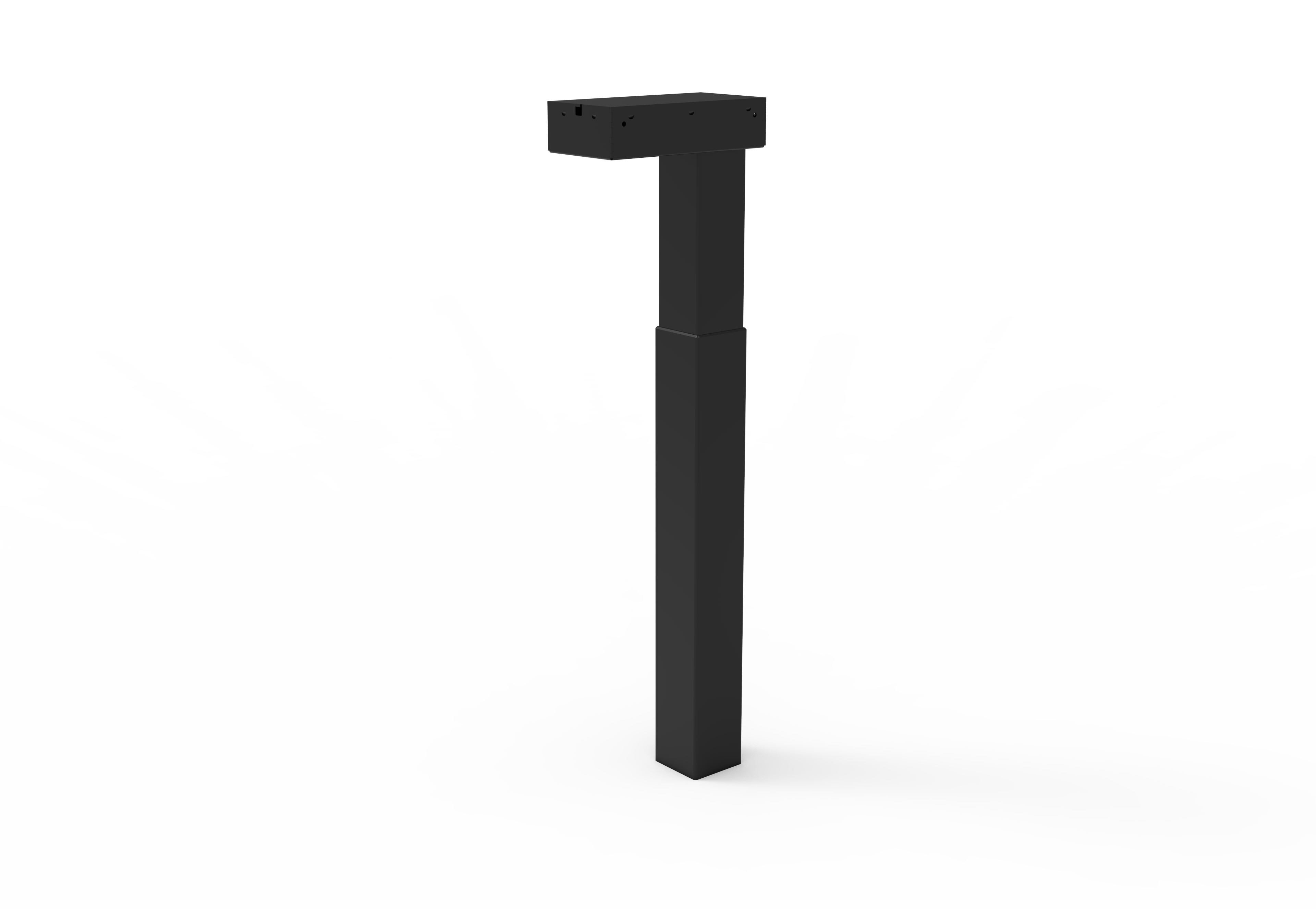
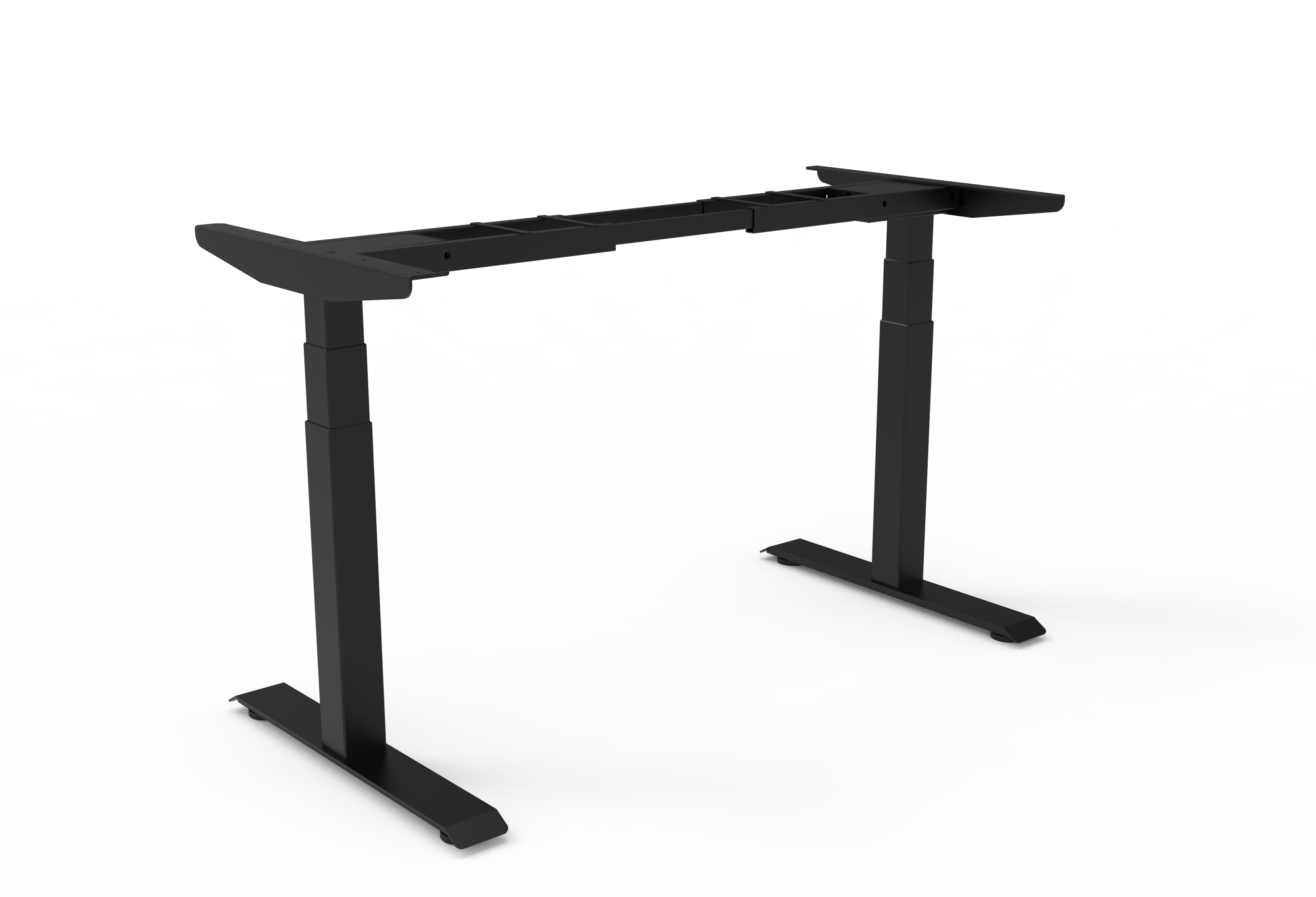
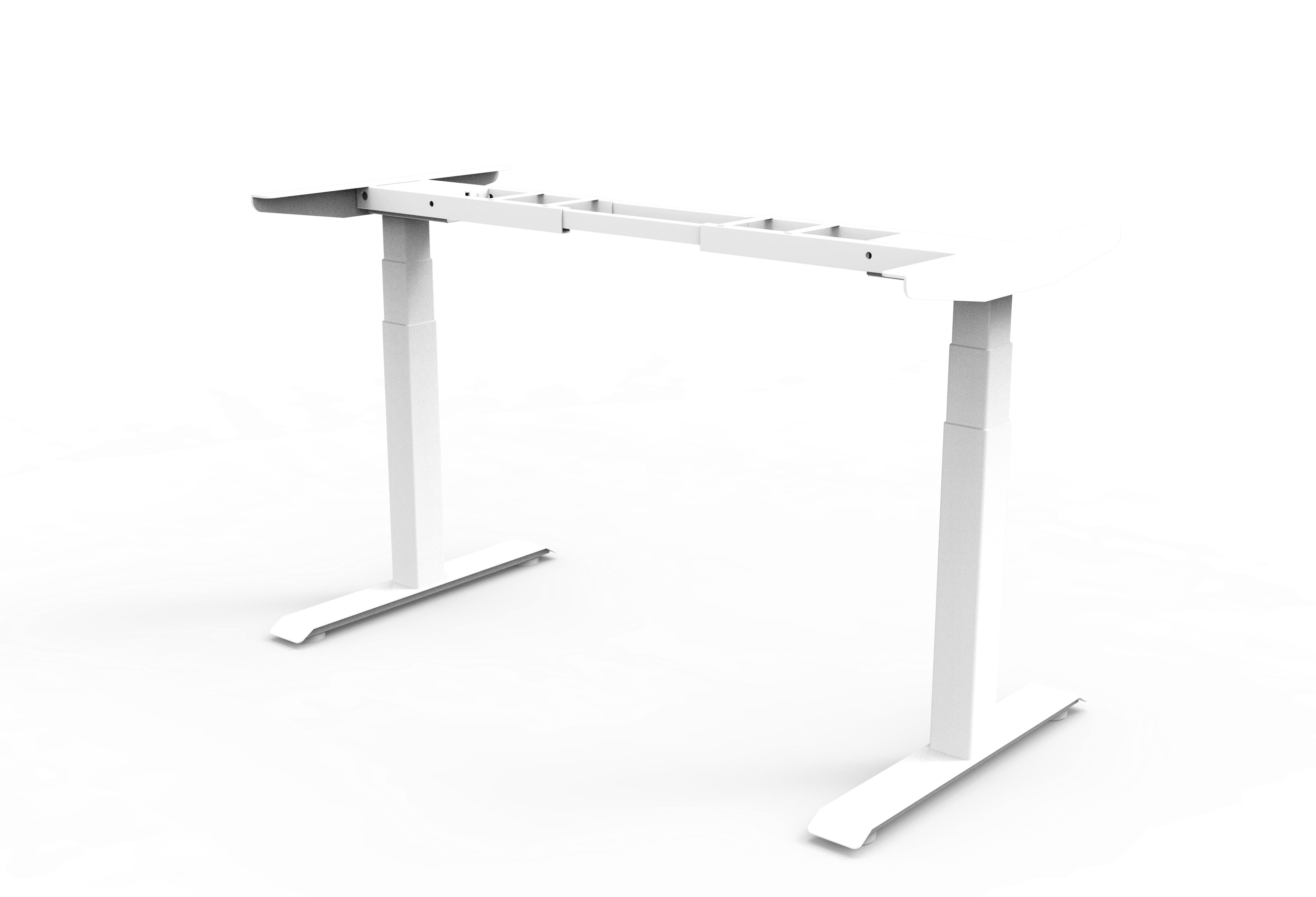
Distributors and brands can use "employee self-adjustment" as a differentiation angle in their portfolios: offering height-adjustable standing desks, modular desk frames, and compatible lifting systems so end customers can increase flexibility without replacing an entire furniture set. For specific product configurations, load ranges, and optional accessories, contact ETUP to verify.
Fit-out contractors and designers
Fit-out contractors and designers need to consider early in a project whether power and cable management support desk movement and height changes, and whether workstation layouts allow employees to reconfigure by task. Including lifting systems at the design stage can reduce rework later.
Enterprise buyers and facilities managers
Enterprise buyers should include "can employees adjust safely and easily on their own" in their evaluation criteria, rather than looking only at initial purchase price. Furniture with insufficient adjustability may push employees into informal modifications, adding facilities management burden. Before purchasing, clarify use scenarios, adjustment frequency, and maintenance responsibilities.
OEM/ODM customers
For OEM/ODM customers, this topic signal suggests considering end-user self-adjustment needs at the product definition stage, such as height range, control method, and compatibility. For specific customization capabilities, certification requirements, and MOQ, contact ETUP to verify.
Buyer checklist: assessing the "adjustability" of office furniture
The following checklist is for buyers to use in conversations with suppliers. All items involving specific parameters should be confirmed in writing by the supplier.
- Use scenarios: Do employees need sit-stand alternation? Do different tasks require different desktop heights?
- Adjustment method: Electric lifting, manual adjustment, or fixed height? Is the control method intuitive?
- Load and stability: Does the supplier provide clear load ranges and stability information? Contact ETUP to verify.
- Cable management: Will cables be strained during height adjustment? Is routing space provided?
- Safety and compliance: Which certifications or standards apply in the target market? Can the supplier provide the relevant documents? Contact ETUP to verify.
- Maintenance and spare parts: If the lifting system fails, what are the spare-parts supply and repair processes?
- Delivery and MOQ: Do project volumes, lead times, and minimum order quantities match? Contact ETUP to verify.
- Warranty terms: Are warranty scope and duration clearly stated in writing? Contact ETUP to verify.
Conclusion
The topic signal of employees "hacking" the workplace is essentially a reminder to the B2B supply chain that some control over workplace design is shifting toward employees. For distributors, brands, contractors, designers, and enterprise buyers, the more practical response is not to guess trends but to make "safe adjustability" part of procurement evaluation and to confirm all commercial and technical details with suppliers before signing. ETUP supplies B2B electric standing desks, desk frames, and lifting systems; for specific configurations, certifications, MOQ, lead times, and warranty, contact ETUP to verify.
Sources
Topic signal source: Work Design, "Why Employees are 'Hacking' the Workplace," September 24, 2026. https://www.workdesign.com/2026/09/why-employees-are-hacking-the-workplace/
Note: This is an ETUP editorial draft for human review and must not be treated as published content. It contains no verification claims about ETUP product performance.