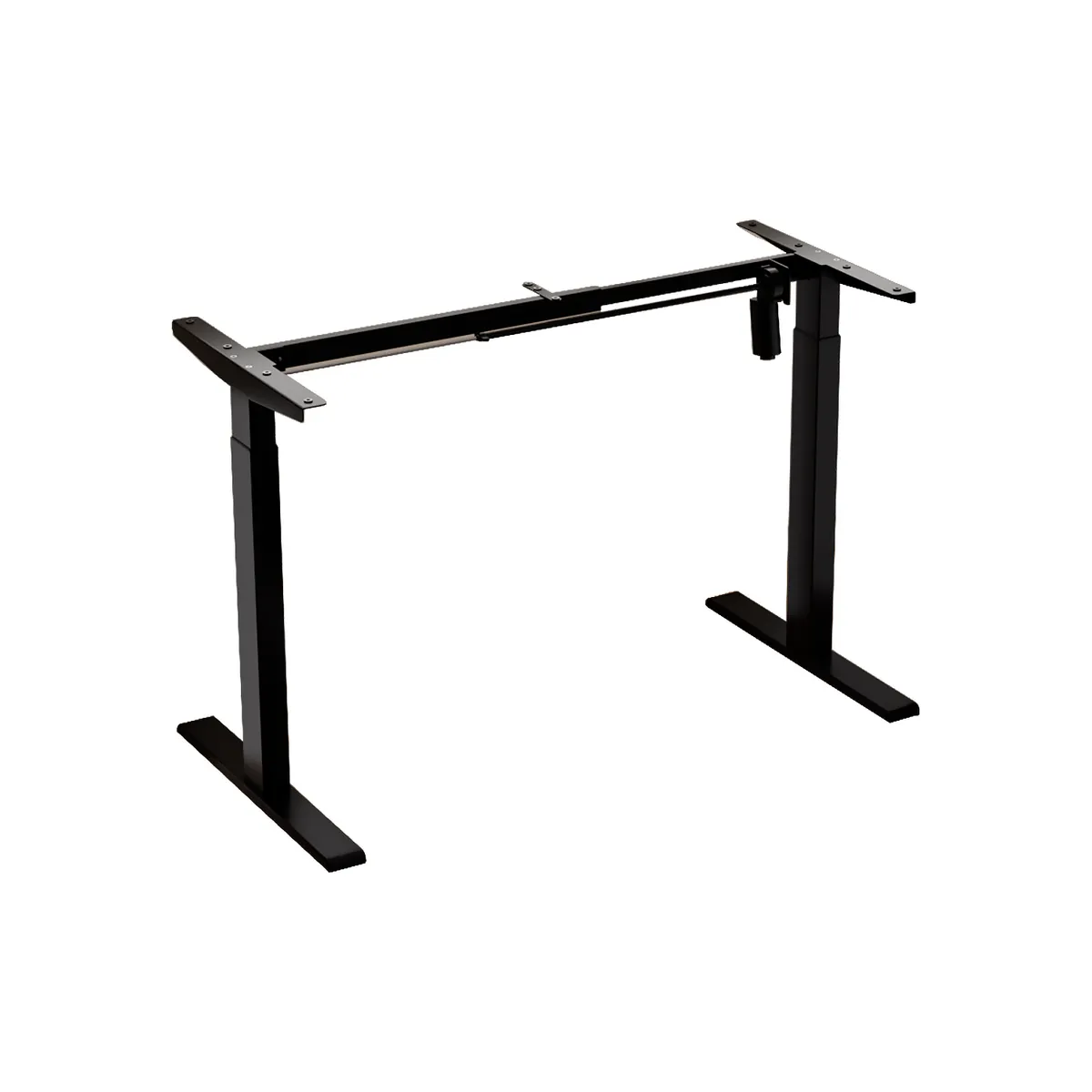
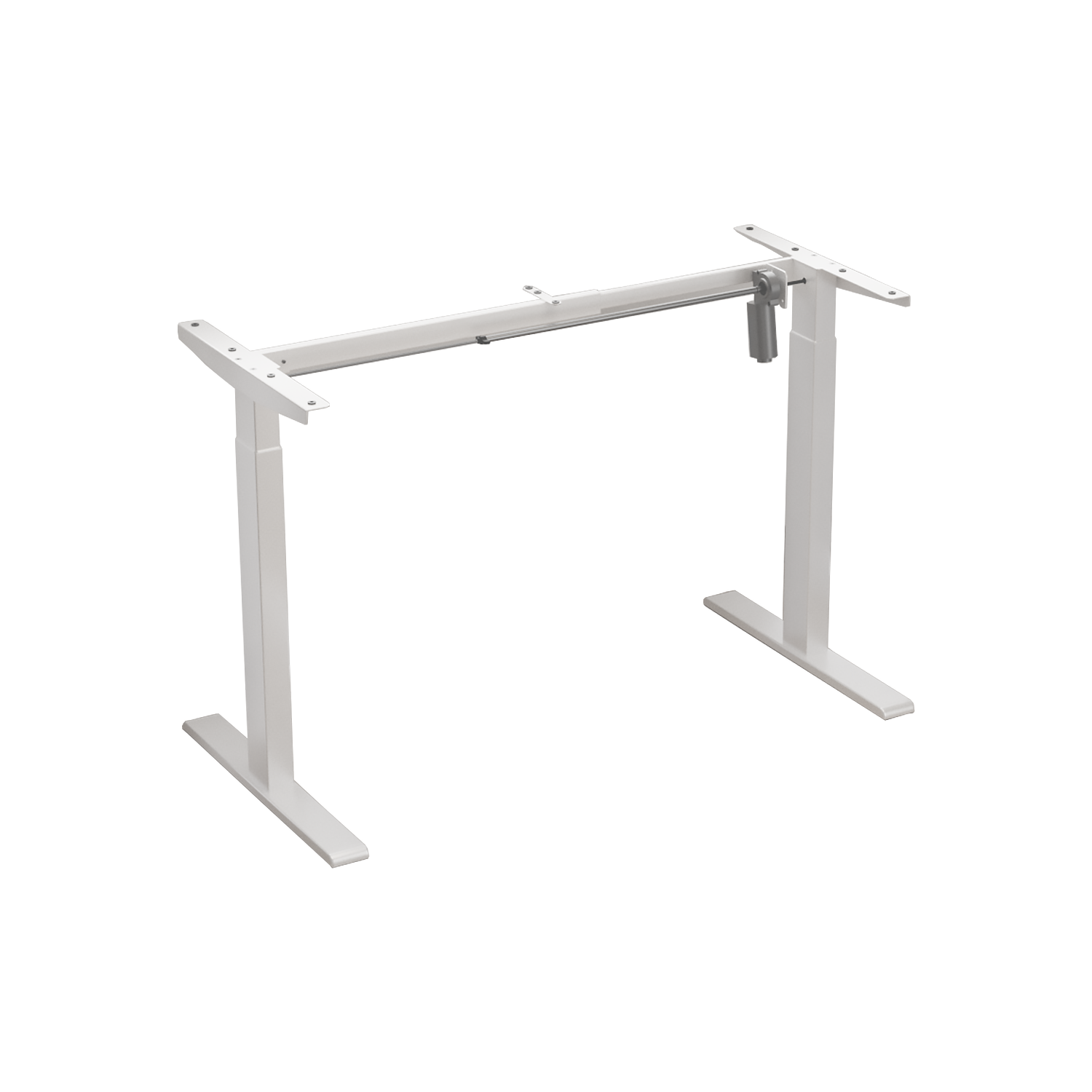
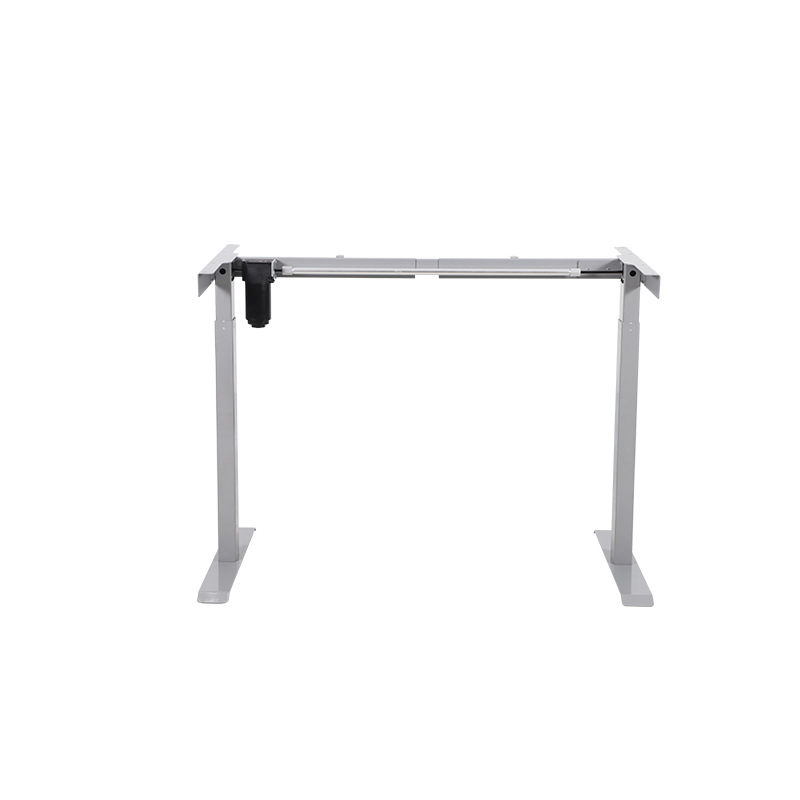
Direct answer: What should buyers take from employees 'hacking' their workspaces?
A Work Design conversation highlights findings from Gensler's latest Global Workplace Survey: employees are modifying their own workspaces—moving furniture, adding equipment, and changing layouts—to compensate for standardized office environments. For B2B buyers of electric standing desks, desk frames, and lifting systems, this is not just a workplace culture story. It is a signal about product definition and procurement strategy: end-user demand for adjustability, modularity, and ease of installation is rising. This article does not rewrite the news; it analyzes what this signal means for distributors, office furniture brands, fit-out contractors, enterprise buyers, and OEM/ODM customers.
Signal interpretation: Why 'employee modification' matters to buyers
According to the source discussion, Gensler's survey indicates that many organizations still provide one-size-fits-all workstation solutions, while employees informally adapt them. This behavior typically shows up as adjusting desk height, adding monitor arms, re-routing power and data cables, and moving partitions or storage. For buyers, this means standardized products without adjustability and compatibility may be bypassed by end users—affecting satisfaction, repeat purchase intent, and brand reputation.
To be clear: this source is an industry observation, not proof of ETUP product performance. Procurement decisions should be based on your own requirements, sample testing, and commercial verification.
Three implications for B2B buyers
1. Distributors and office furniture brands
When end users frequently modify workstations, distributors and brands face more after-sales inquiries and accessory demand. Choosing standing desk systems that support modular accessories, cable management, and multiple desktop sizes can help reduce on-site modifications. For specific compatibility, accessory lists, and MOQ, contact ETUP to verify.
2. Fit-out contractors and project managers
Employee modifications often happen after handover, potentially causing rework or additional cabling. At the tender stage, contractors can prioritize desk frames and lifting systems with clear installation processes and on-site adjustability to reduce post-delivery change risk. Installation guides, packaging dimensions, and lead times must be confirmed with ETUP.
3. Enterprise buyers and facilities teams
Enterprise buyers can include adjustability in workstation standards to reduce the motivation for self-modification. This includes height range, load capacity, control type, memory presets, and cable management. Request and verify specific specifications and certifications from ETUP.
4. OEM/ODM customers
For brands seeking differentiated standing desk products, employee modification behavior points to potential product directions: more flexible frame interfaces, easier-to-integrate lifting systems, and cleaner cable paths. Customization capabilities, tooling, and minimum order quantities should be discussed directly with ETUP.
Buyer checklist: Practical items when evaluating electric standing desks and lifting systems
- Height range and adjustment method: Does it cover the target user group (e.g., different heights, sit-stand needs)?
- Load capacity and stability: Does it match typical desktop sizes and monitor configurations?
- Controls and memory: Does it support multiple presets, anti-collision, and other common features?
- Cable management: Are there cable trays, grommets, or tray interfaces?
- Modularity and accessories: Can monitor arms, keyboard trays, and power modules be added?
- Installation and maintenance: Are clear instructions, spare parts, and after-sales support available?
- Compliance and certification: Are required certifications for target markets available? Verify with ETUP.
- Commercial terms: MOQ, lead time, packaging, warranty, and sample policy—contact ETUP to confirm.
FAQ
Does this mean every office needs standing desks?
No. The signal suggests rising demand for adjustability, but specific configurations should be based on enterprise needs, budget, and use cases. Buyers should evaluate independently.
Does ETUP offer related products?
ETUP supplies B2B electric standing desks, desk frames, and lifting systems. For specific models, specifications, and commercial terms, contact ETUP to verify.
How can product performance be verified?
Request samples, test reports, and certification documents, and validate in real use scenarios. Do not rely solely on industry articles.
Conclusion
Employees 'hacking' the workplace is a procurement signal worth noting: it suggests standardized solutions may fall short, and adjustable, modular, easy-to-install products are more likely to satisfy end users. For B2B buyers, the key is translating this signal into concrete procurement criteria and verification processes. All commercial details—including MOQ, lead time, certifications, and warranty—should be confirmed directly with ETUP.
Sources
Topic signal: Why Employees are “Hacking” the Workplace, Work Design, published 2026-09-24. This source is used as a topic signal only; it does not prove ETUP product performance.