Direct answer: What does this market signal mean for B2B sourcing?
The ergonomic furniture market signal from Future Market Insights is demand-side context, not proof of any specific supplier's product performance. For distributors, office furniture brands, fit-out contractors, and enterprise buyers, its value is a reminder that ergonomic office furniture remains a category worth monitoring and verifying. What actually drives sourcing decisions is not a macro number in a market report, but whether a supplier can give verifiable answers on specifications, compliance, delivery, and after-sales support.
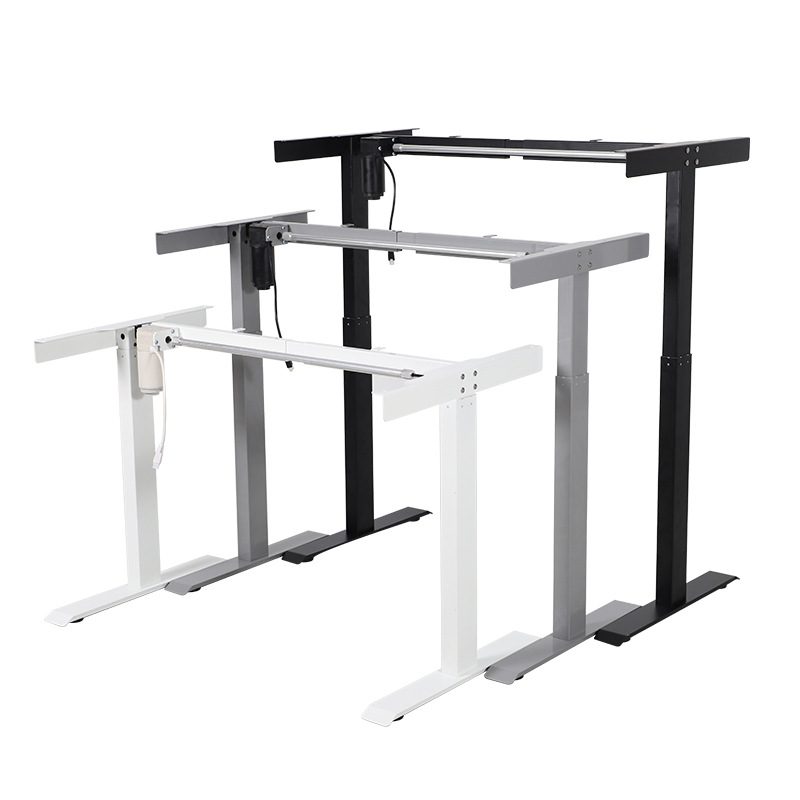
ETUP supplies B2B electric standing desks, desk frames, and lifting systems. This article does not cite unverified market data, nor does it claim the signal proves ETUP product performance. All commercial details, including MOQ, lead times, certification scope, warranty terms, and customization capabilities, must be confirmed with ETUP.
Why B2B buyers should watch ergonomic furniture signals
Demand for ergonomic furniture is usually driven by three forces: workplace attention to employee health, furniture refresh cycles tied to hybrid work, and enterprise procurement reassessing space utilization and total cost of ownership. These forces do not convert directly into orders, but they influence how often end customers request standing desks and what specifications they ask for.
For B2B channels, the signal matters as preparation. Distributors need to decide whether to expand SKUs. Office furniture brands need to evaluate OEM/ODM partnerships. Fit-out contractors need to plan electrical and structural provisions for electric standing desks in project bids. Enterprise buyers need to write ergonomic requirements into procurement specifications rather than adding them ad hoc.
Core variables in electric standing desk sourcing
1. Matching desk frames and lifting systems
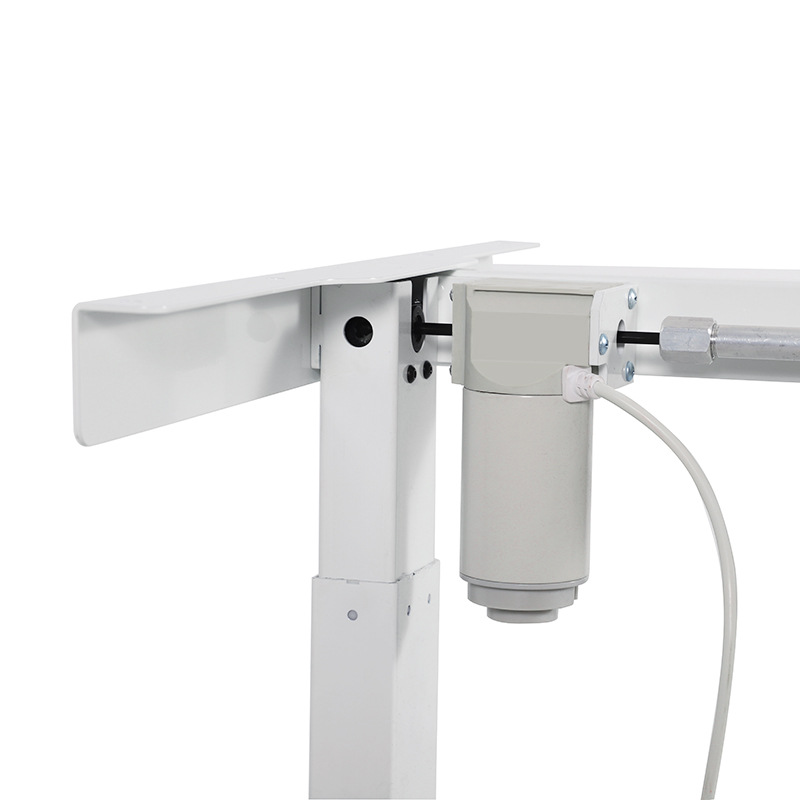
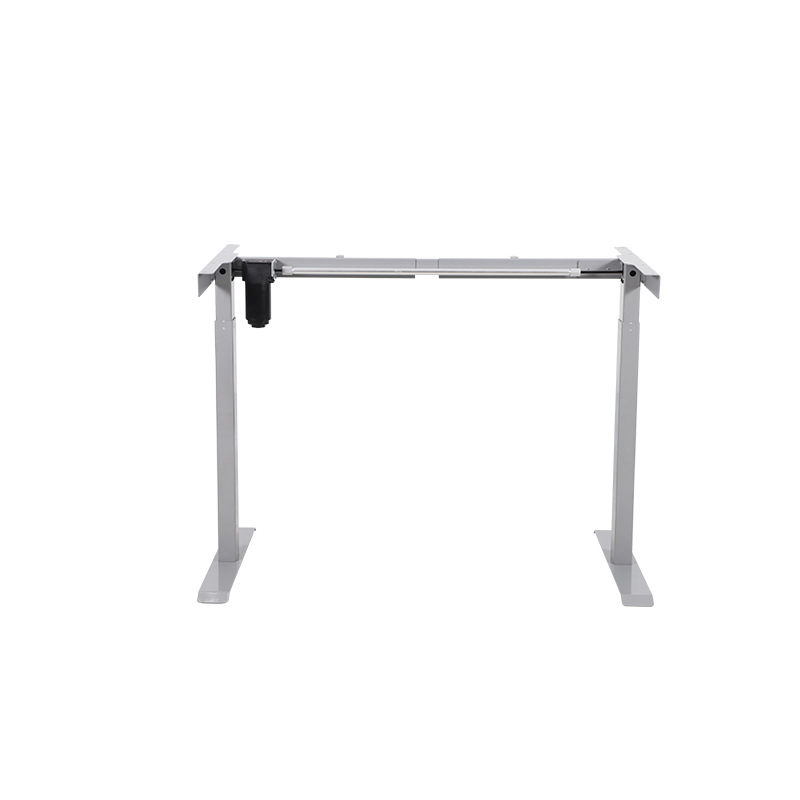
Electric standing desk performance is largely determined by frame structure and lifting system. Buyers should examine the number of lifting stages, stroke range, speed, noise level, and load capacity. These parameters directly affect end-user experience and after-sales complaint rates. Specific parameter ranges must be confirmed with ETUP; do not rely on unverified marketing pages.
2. Control system reliability
Control boxes, hand controllers, and anti-collision features are common failure points. B2B buyers should ask about the controller solution, memory height support, overload protection, and the source of key electronic components. For projects integrating with smart office systems, interface protocols and compatibility should also be confirmed.
3. Compliance and certification
Electrical safety and furniture standards differ by market. Europe, North America, the Middle East, and Southeast Asia each have different compliance paths. Buyers should request certification documents applicable to the target market and verify validity periods and covered models. ETUP's specific certification scope must be confirmed with ETUP.
4. Customization and OEM/ODM capability
Office furniture brands and project clients often need custom sizes, colors, desktop materials, and branding. When evaluating OEM/ODM capability, focus on sampling lead times, tooling costs, MOQ, and engineering change processes. These details directly affect project margins and delivery risk.
Supply chain verification: from sample to mass production
Sourcing risk in ergonomic furniture often appears not at the sample stage but in mass production consistency. Buyers should define acceptance criteria for key performance indicators in contracts and request batch test records. For electric standing desks, verify lifting synchronization, noise, load, and controller lifespan.
Packaging and transport are also hidden B2B costs. Standing desks are bulky items, and poor packaging design increases transport damage rates. Buyers should ask about packaging solutions, drop test standards, and container loading optimization.
Practical buyer checklist
- Define electrical safety and furniture compliance requirements for the target market, and request applicable certification documents.
- Confirm lifting system stroke, speed, noise, and load parameters, and write them into the procurement specification.
- Verify controller solution, memory function, and anti-collision configuration.
- Ask about OEM/ODM sampling lead times, MOQ, and tooling costs.
- Request mass production consistency controls and batch test records.
- Evaluate packaging, transport damage rates, and container loading efficiency.
- Confirm warranty period, spare parts supply, and after-sales response process.
- Treat all commercial details as subject to written quotation and contract after confirming with ETUP.
FAQ
Does this market signal prove ETUP product performance?
No. The signal is category trend context only and does not constitute proof of any supplier's product performance. Sourcing decisions should be based on sample testing, certification documents, and contract terms.
What is the most overlooked risk in electric standing desk sourcing?
Mass production consistency and after-sales spare parts supply. Good sample performance does not guarantee stable batch delivery. Buyers should define acceptance criteria and spare parts supply cycles in contracts.
How do I start working with ETUP?
Start by defining your target market, product specifications, and purchase volume, then contact ETUP to confirm MOQ, lead times, certification scope, and customization capabilities.
Sources
The topic signal for this article comes from Future Market Insights' ergonomic furniture market coverage. It is used as a topic reference only and does not prove ETUP product performance or market data. Original link: Future Market Insights ergonomic furniture market signal.
This is a draft for human review and must not be treated as published content. All commercial details are subject to confirmation with ETUP.