Direct Answer
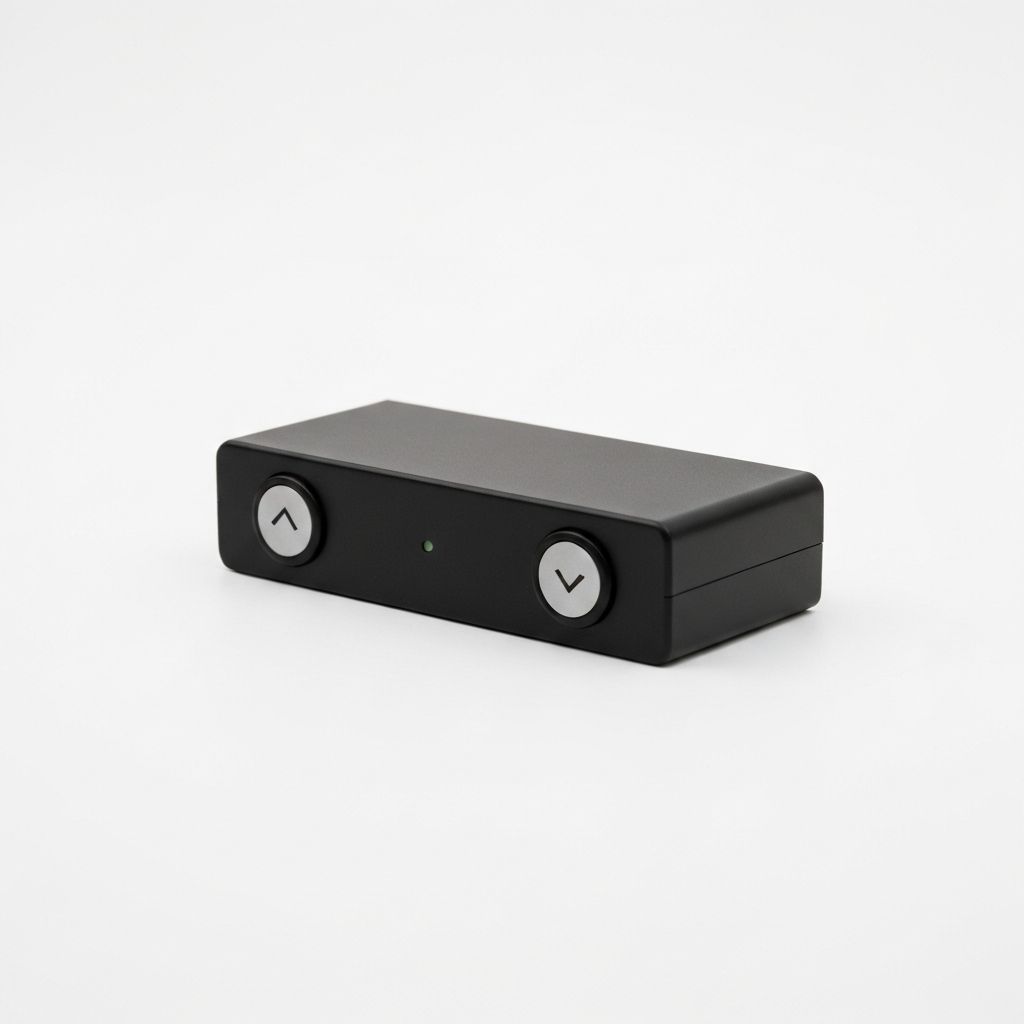
The recent ArchDaily feature on LANA, an ergonomic laptop stand designed to integrate into workspace design (the “signal”), indicates growing market attention to ergonomic accessories that blend with workspace design. For B2B buyers, this means that when sourcing electric standing desks, desk frames, and lifting systems, greater emphasis should be placed on accessory compatibility, cable management, and overall design coherence. ETUP, a B2B supplier of electric standing desks, desk frames, and lifting systems, recommends that buyers incorporate ergonomic accessories into workspace planning at an early stage and contact ETUP to verify specific compatibility, MOQ, lead times, and certifications.
Interpreting the Signal: Why “Integration” Matters
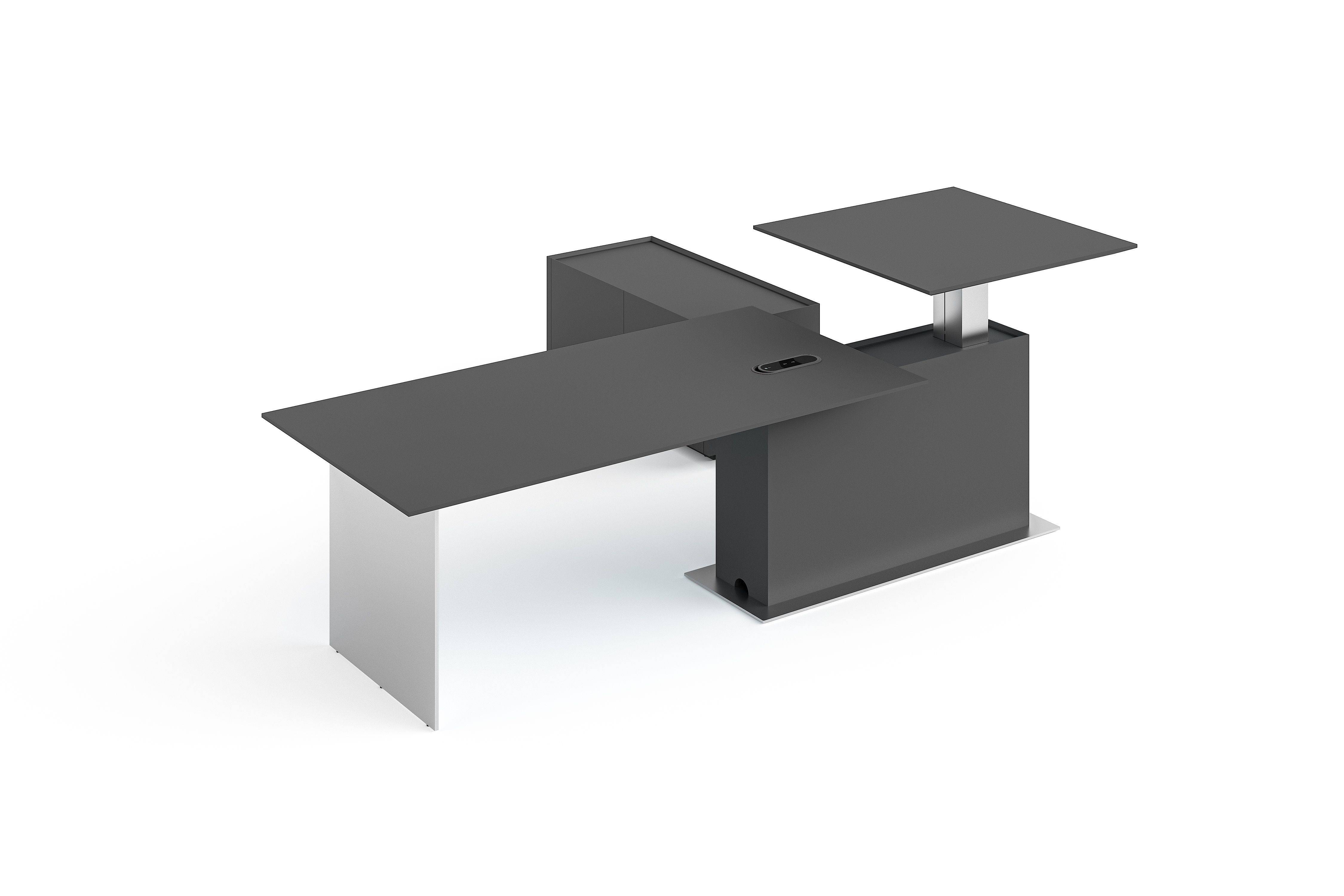
The signal comes from ArchDaily, a design media outlet, and covers an ergonomic laptop stand. It does not by itself prove any product performance, but it reflects a design-side trend: office accessories are no longer treated as standalone items added after the fact, but as components of workspace design. For office furniture brands and fit-out contractors, this suggests a shift in sourcing logic—from “buying accessories separately” to “planning accessories within the overall solution.”
It is important to note: this article does not claim that the signal proves any ETUP product performance. All commercial details, including compatibility, MOQ, lead times, certifications, and warranty, must be verified with ETUP.
Practical Implications for B2B Buyers
1. Distributors and Office Furniture Brands
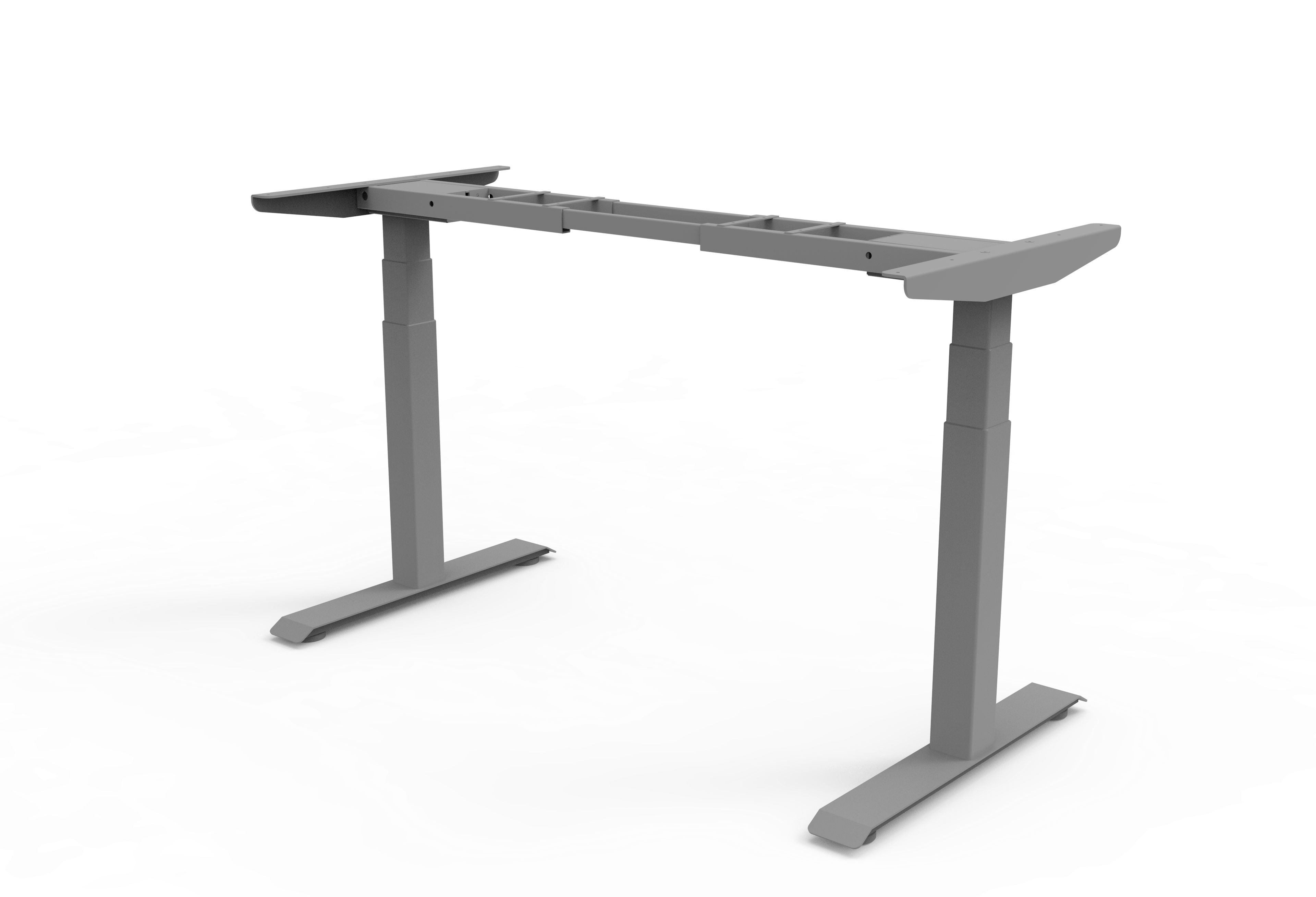
When bundling products, distributors and brands increasingly need to consider the visual and functional coherence between accessories and desk frames or lifting systems. A design-coherent ergonomic accessory set may help improve the overall integrity of a solution, but actual results should be based on testing and customer feedback. We recommend discussing desk frame and lifting system specifications with ETUP at the selection stage to confirm accessory installation compatibility.
2. Fit-Out Contractors and Designers
When planning office spaces, fit-out contractors and designers who incorporate ergonomic accessories at an early stage may reduce later retrofit hassles. This requires suppliers to provide clear installation dimensions, cable management options, and material information. ETUP can provide specifications for electric standing desks, desk frames, and lifting systems, but compatibility of specific accessories must be verified with ETUP.
3. Enterprise Buyers
When evaluating office furniture, enterprise procurement can include “accessory-to-desk-frame integration” as an evaluation dimension. This includes whether accessories match existing desk frames, whether they support cable management, and whether they affect the operation of lifting systems. We recommend requesting technical documentation from ETUP and running a small-scale pilot before making bulk decisions.
Buyer Checklist: Evaluating Ergonomic Accessories and Desk Integration
The following checklist is for buyers to use during inquiry and evaluation. All items must be confirmed item by item with ETUP or the supplier; this article does not provide specific values.
- Compatibility: Do the accessories match the target desk frame and lifting system? Are mounting points, load capacity, and dimensions clearly specified? — Contact ETUP to verify.
- Cable management: Do the accessories provide cable routing? Are they coordinated with the desk’s cable management system?
- Design coherence: Do materials, colors, and shapes align with the overall office design?
- Installation and maintenance: Are installation steps clear? Are drawings or videos provided? Is maintenance and replacement convenient?
- Compliance and certification: Are the certifications required for the target market available? — Contact ETUP to verify the specific certification scope.
- Commercial terms: What are the MOQ, lead times, packaging, and after-sales policies? — Contact ETUP to verify.
- Pilot validation: Can a small batch be trialed first to collect user feedback before scaling up?
Notes for OEM/ODM Customers
For OEM/ODM customers, the signal suggests a product development direction: designing ergonomic accessories together with desk frames and lifting systems as one system. This requires suppliers to have cross-category integration capabilities. ETUP supplies electric standing desks, desk frames, and lifting systems; the specific customization scope, development lead times, and MOQ must be verified with ETUP. We recommend clarifying target-market design preferences and compliance requirements early in the project to reduce later revisions.
FAQ
Does the signal mean ETUP makes LANA or similar products?
No. The signal is used only as a topic source and does not indicate any relationship between ETUP and LANA. ETUP supplies B2B electric standing desks, desk frames, and lifting systems; accessory compatibility must be verified with ETUP.
How should buyers start their evaluation?
We recommend starting by clarifying the use case and target market, then requesting technical specifications and commercial terms from ETUP, and running a small-batch pilot. All commercial details are subject to ETUP’s confirmation.
Sources
Topic signal: ArchDaily’s feature on LANA (link). This signal is for topic reference only and does not constitute proof of ETUP product performance.
This is a draft for human review and must not be treated as published content.