Direct answer
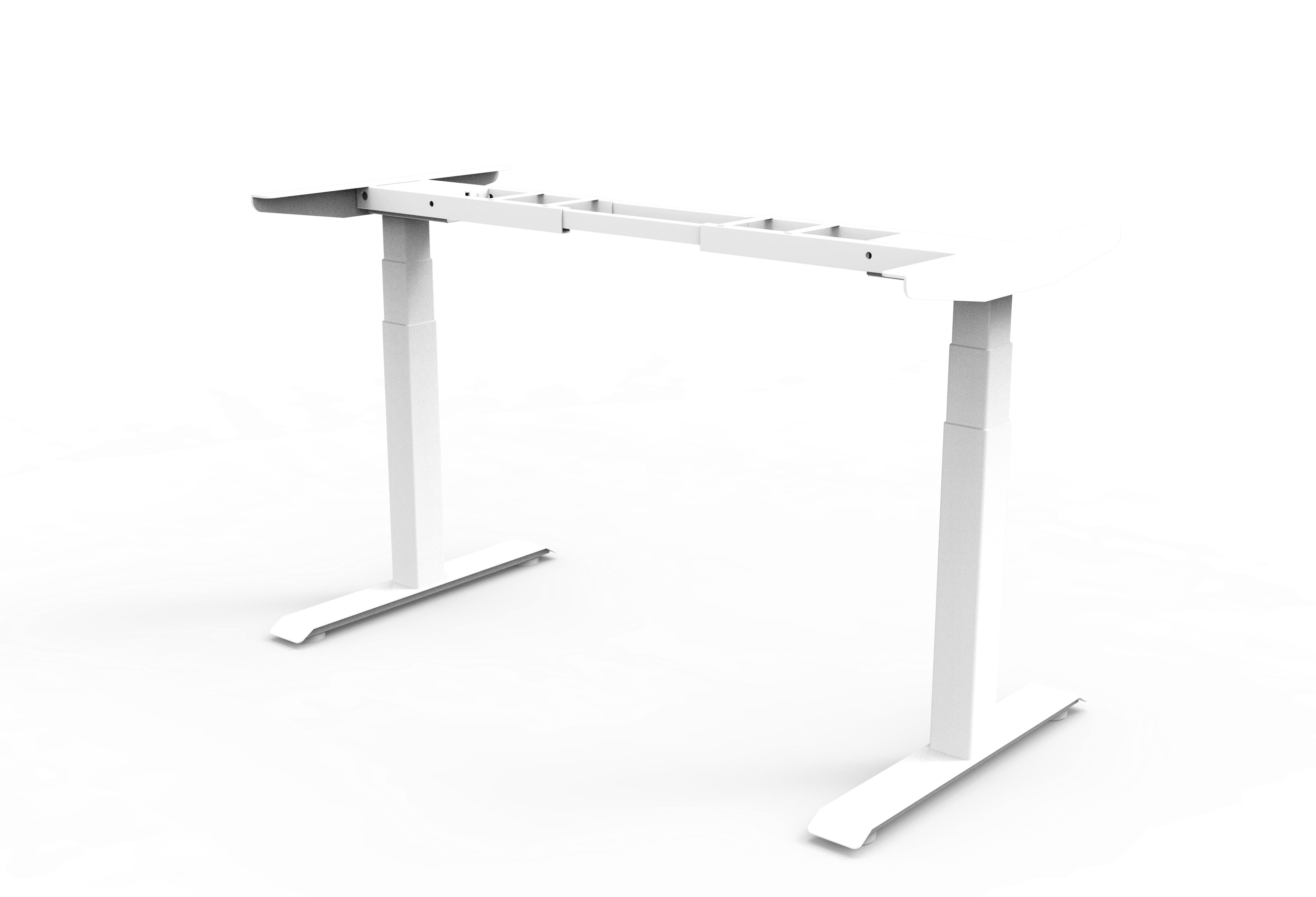
A recent ArchDaily topic signal frames the ergonomic office chair within the age of AI. For the B2B office furniture supply chain, the value of this signal is not that it proves the performance of any chair or lifting system. Its value is that it points to a shift in procurement logic: as AI tools begin to inform space planning, workstation configuration, and employee wellbeing programs, chairs and desks are less likely to be bought as isolated items and more likely to be evaluated as connected, verifiable, deliverable workstation systems. ETUP supplies B2B electric standing desks, desk frames, and lifting systems. We recommend that distributors, office furniture brands, fit-out contractors, and enterprise buyers focus on system compatibility, specification transparency, and project delivery capability rather than chasing a single concept.
Note: the cited source is used only as a topic signal. It does not prove ETUP product performance, certifications, or project references. Contact ETUP to verify all commercial details.
Why this topic signal matters to B2B buyers
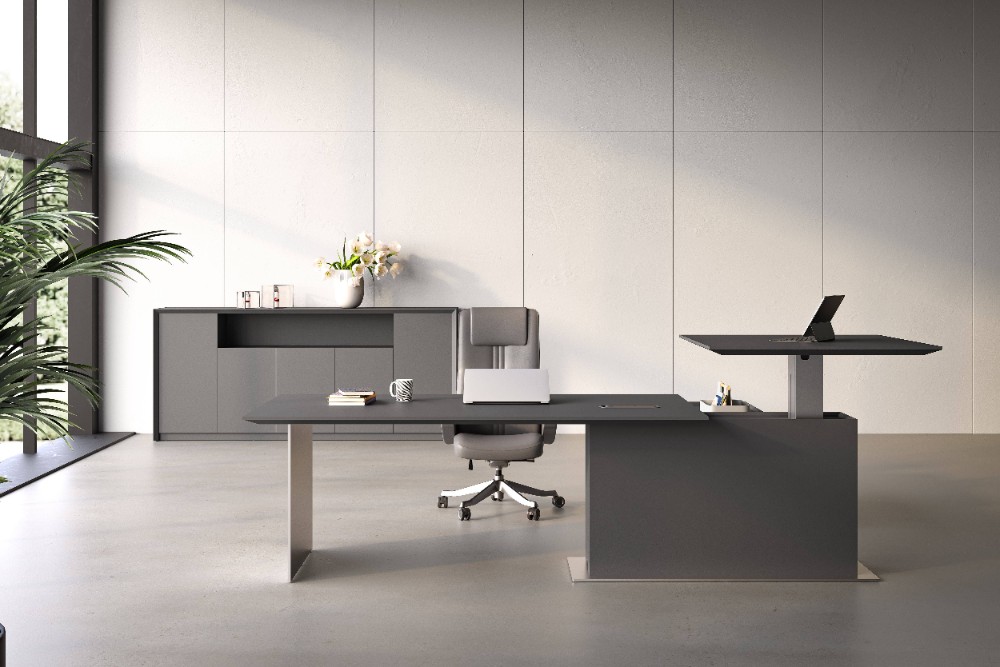
Discussions about ergonomic office chairs usually center on seated support, adjustment ranges, and sedentary health. When “AI” enters the same conversation, the focus often shifts toward data-informed workstation recommendations, space utilization analysis, and employee experience management. For buyers, this can mean that workstation decisions move from single-product parameters toward whether an entire workstation can be planned, installed, maintained, and upgraded.
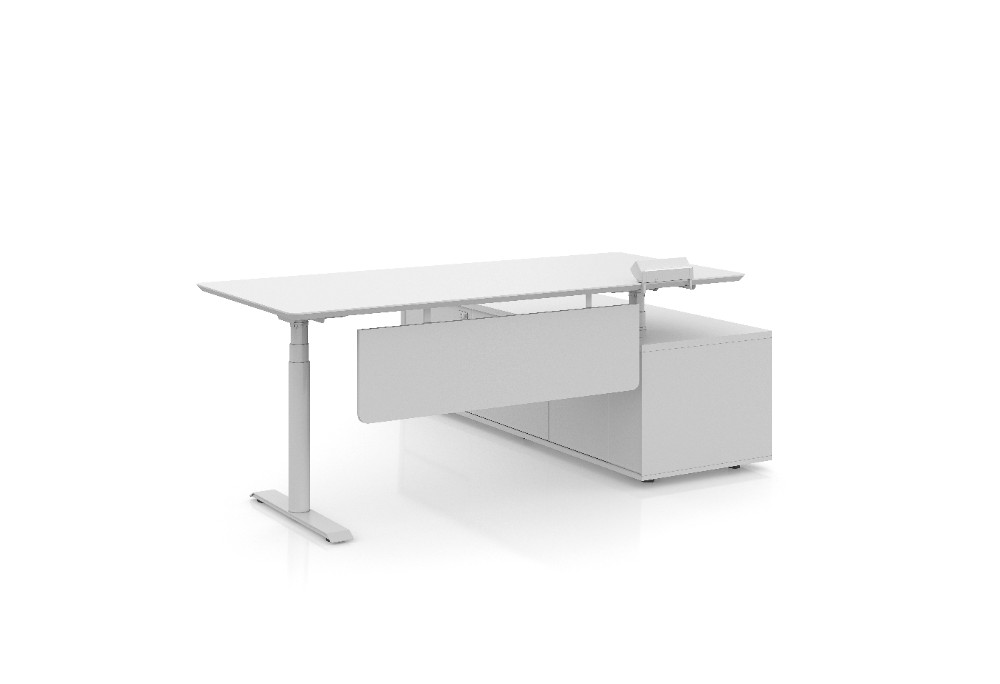
Standing desk systems sit at the intersection of this shift: they are furniture and electromechanical products at the same time; they affect sit-stand behavior as well as cable routing, load, and layout. A discussion about chairs therefore extends naturally to desk frames and lifting systems, which together form the ergonomic foundation of a workstation.
From single-item purchasing to system purchasing
In distribution and OEM/ODM contexts, buyers increasingly need suppliers to explain how desk frames and lifting systems work with different tabletops, accessories, and office layouts. The topic signal does not provide those answers, but it suggests buyers should ask whether control methods, stroke ranges, load capacity, mounting interfaces, and after-sales support are clearly documented. Contact ETUP to verify specific specifications.
From concept heat to verifiable specifications
AI-related discussion can generate conceptual heat, but B2B procurement ultimately depends on verifiable specifications and repeatable delivery. Buyers should request clear product documentation, test information, and compliance files, and confirm that those documents apply to the target market. ETUP does not claim any unverified certification or test result in this article; request current valid documents directly from ETUP.
Implications for electric standing desk and desk frame design
If workstation planning increasingly relies on data and software tools, predictability on the hardware side becomes more important. The following are practical observation areas for B2B buyers:
- Interface consistency: Desk frames and lifting systems should be easy to combine with different tabletops and accessories to reduce on-site adaptation costs. Contact ETUP to verify interfaces and compatibility ranges.
- Control and integration: Controller operation, memory functions, and anti-collision logic affect user experience and may affect the potential to connect with smart office systems. Buyers should confirm actual configurations rather than assume them.
- Cable routing and space: Cable management on standing desks affects workstation tidiness and space planning, especially in projects involving fit-out contractors.
- Maintenance and spare parts: Maintenance response and spare parts availability after project delivery are commercial details that distributors and facility managers should confirm in advance.
These areas are not conclusions drawn from the ArchDaily topic signal; they are common evaluation dimensions in B2B procurement. The signal serves as a reminder that when workstations are discussed as systems, desk frames and lifting systems should be included in the same evaluation framework.
Procurement guidance for distributors, brands, and fit-out contractors
Distributors and office furniture brands
When selecting products, look beyond chair comfort narratives and assess whether standing desk systems can support your own product portfolio. Ask suppliers for clear product catalogs, specification sheets, and verifiable compliance information, and confirm the boundaries of customization in OEM/ODM cooperation. Contact ETUP directly to confirm cooperation terms, MOQ, and lead times.
Fit-out contractors and project procurement
Project sites care more about installation efficiency, dimensional fit, and delivery rhythm. Buyers should confirm packaging, installation instructions, and on-site support for desk frames and lifting systems in advance. Any statement about capacity, lead time, or project references should be based on formal confirmation from ETUP.
Designers and enterprise buyers
Designers focus on the spatial performance and ergonomic logic of workstation systems; enterprise buyers focus on employee experience, maintenance costs, and procurement compliance. Both should rely on verifiable product documentation rather than topic popularity.
Practical buyer checklist
The following checklist can be used in initial conversations with any standing desk system supplier, including ETUP. Record each answer and mark items that require verification with ETUP.
- Product scope: Does the supplier clearly offer electric standing desks, desk frames, and lifting systems, and explain the intended use of each?
- Specification documents: Can the supplier provide current valid specification sheets covering stroke, load, control method, and mounting interfaces?
- Compliance and testing: Are the documents required for the target market available? Request originals and check validity dates; do not rely on verbal statements.
- Compatibility: Can the desk frames and lifting systems work with the planned tabletops and accessories? Confirm interface details.
- Customization and OEM/ODM: What are the customization scope, MOQ, sampling process, and lead time? Contact ETUP to verify.
- Delivery and packaging: How are packaging, installation instructions, and on-site support arranged?
- After-sales and spare parts: What are the warranty terms, spare parts availability, and maintenance response? Confirm in writing.
- Project references: Can the supplier provide verifiable project information? If not, do not cite it in tender documents.
Conclusion
The ArchDaily topic signal places the ergonomic office chair in an AI-era discussion, which is a useful reminder for the B2B office furniture supply chain: workstations are increasingly planned as systems. For ETUP customers, the most reliable approach is not to chase concepts but to evaluate electric standing desks, desk frames, and lifting systems within a framework of verifiable specifications, clear compatibility, and dependable delivery. Contact ETUP to confirm all commercial details.
Sources
Topic signal source: ArchDaily, “The Ergonomic Office Chair in the Age of AI.” Link: original link. This source is used only as a topic signal and is not used to prove ETUP product performance.