Direct answer
Ergonomic office furniture is moving from a workplace expense to a wellness investment because the buying logic is changing: employers are evaluating employee health, retention, absence costs and space efficiency on the same decision sheet. For distributors, office furniture brands, fit-out contractors and enterprise buyers, this means selection criteria should shift from lowest unit price to adjustability, durability, compliance documentation and total cost of ownership. This article uses a Hindustan Times report as a topic signal and offers original procurement analysis; it does not treat that report as proof of ETUP product performance.
Why the wellness-investment framing is replacing the expense framing
1. Health and retention costs are entering procurement
When buyers compare office furniture, a unit-price-only view ignores health and efficiency effects over the use cycle. Adjustable desk height, stable lifting structures and sensible cable management can support sit-stand use and reduce discomfort from fixed postures. Buyers do not need to exaggerate wellness benefits, but they can treat adjustability as a configuration that lowers long-term use risk.
2. Hybrid work makes flexibility non-negotiable
In hybrid models, the same workstation may be used by people of different heights and working habits. Fixed-height desks have limited adaptability, while electric standing desks and adjustable desk frames allow spaces to switch between shared desks, project teams and visitor workpoints. For fit-out contractors and office furniture brands, this means product lines need to cover different desktop sizes, load requirements and control system options.
3. Procurement shifts from buying a desk to buying a system
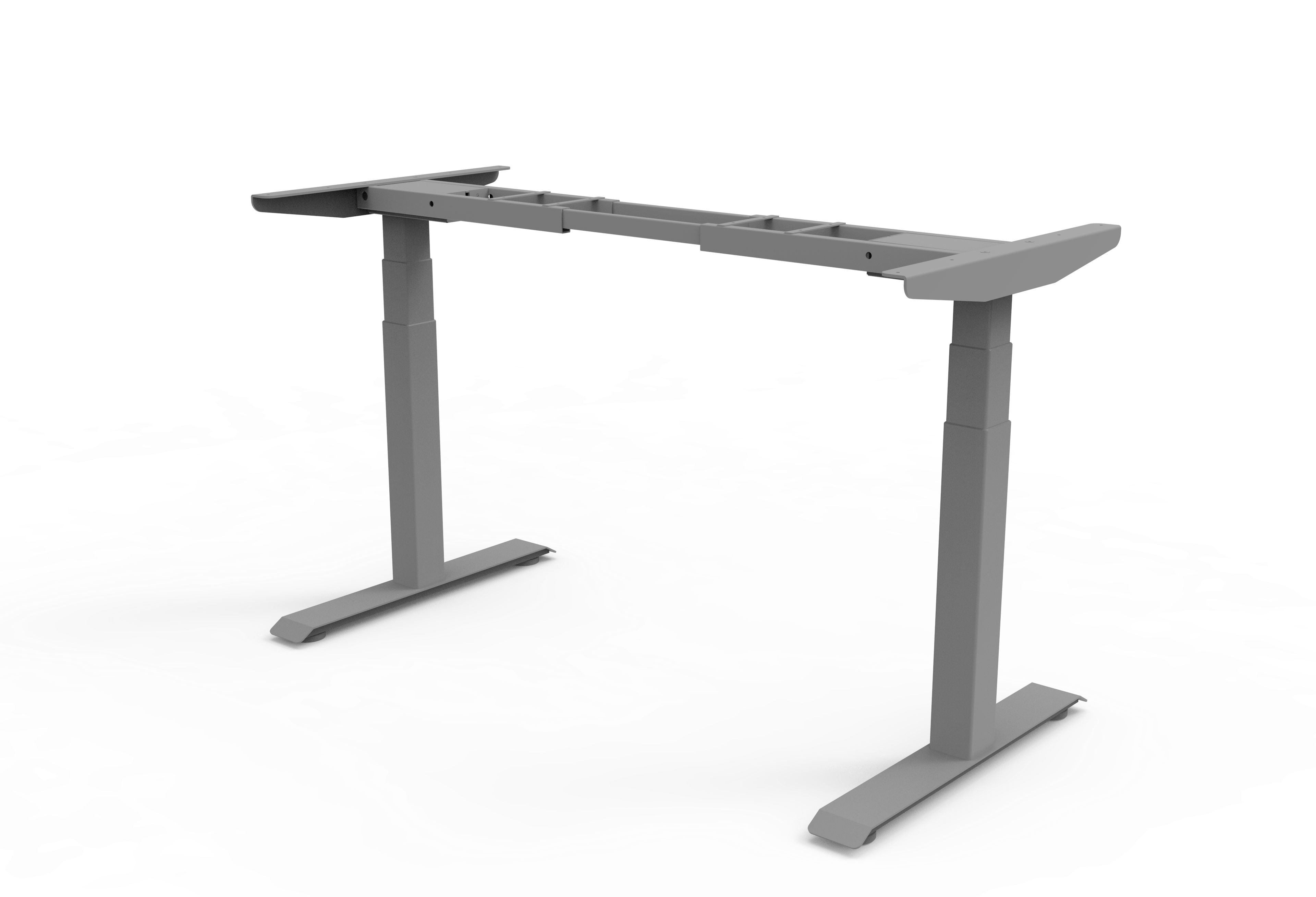
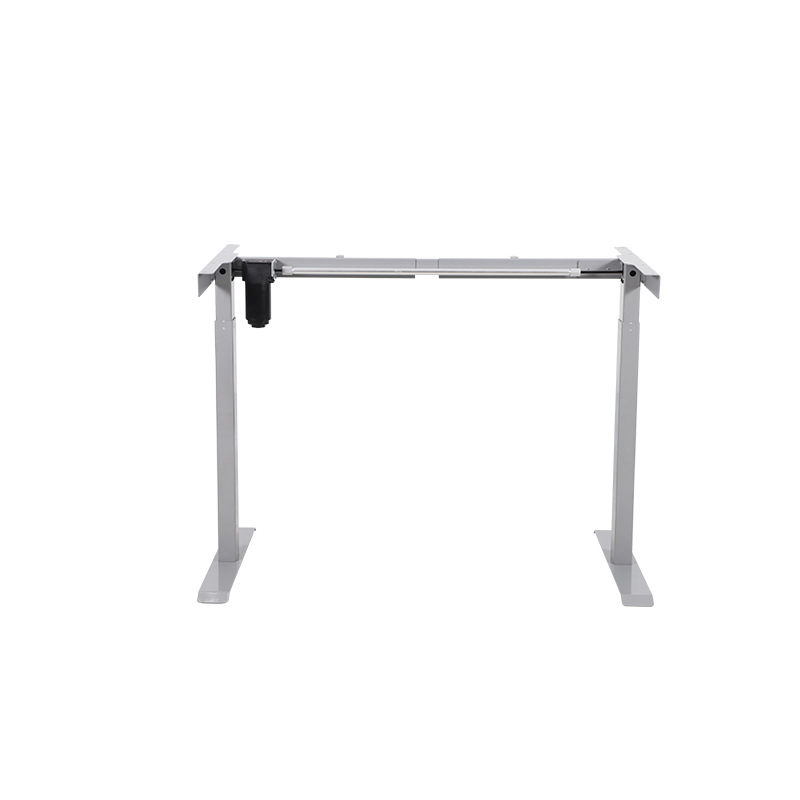
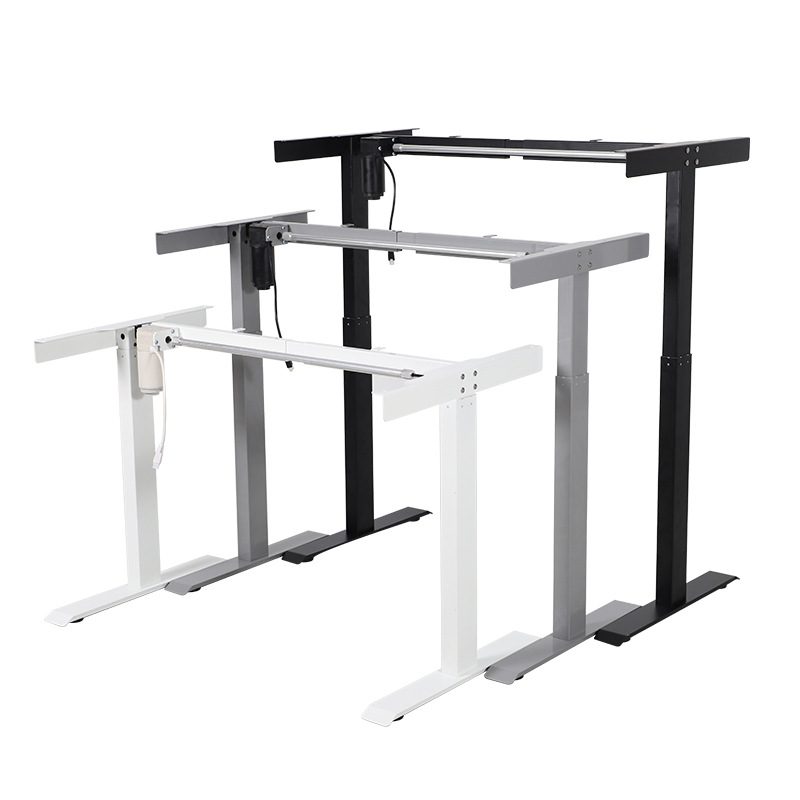
An electric standing desk is not an isolated item; it is a system of frame, lifting columns, control box, handset and cabling. System-level stability, compatibility and serviceability matter more to total cost of ownership than a single specification. Enterprise buyers should request verifiable specification sheets, test reports and warranty terms; contact ETUP to verify project-specific details.
What this means for B2B buyers
- Distributors: need a predictable SKU structure, spare parts availability and installation instructions to avoid returns caused by incompatible control boxes or handsets.
- Office furniture brands: need OEM/ODM capability that matches their desktop sizes and branded control panels, while confirming load and stroke options for lifting systems.
- Fit-out contractors: need to confirm frame mounting, cable routes and coordination with workstation screens before project schedules are fixed.
- Enterprise buyers: should write wellness and ergonomics goals into tender documents rather than comparing unit prices alone.
- Designers: should integrate adjustable height, cable space and user operation habits into space plans.
Buyer checklist: turning wellness investment into verifiable terms
- Use case: shared desks, assigned desks or executive offices? Each has different lifting frequency and load expectations.
- Adjustment range: confirm the height range covers the target user group; contact ETUP to verify specific model ranges.
- System compatibility: are frame, lifting columns, control box and handset supplied as a matched system, and can spares be ordered separately?
- Documentation and compliance: request verifiable specification sheets, test reports and certification documents; do not accept verbal assurances.
- Installation and service: confirm installation instructions, cable management approach and after-sales response process.
- Total cost of ownership: compare purchase price, installation, spares and expected service life together, not unit price alone.
- Sample validation: test samples before mass production and record stability, noise and operating experience.
Common misconceptions
Misconception 1: ergonomic means expensive. Adjustability is a configuration choice; buyers should compare like-for-like system configurations rather than mixing different specifications in a price comparison.
Misconception 2: focus on the desktop only. Lifting experience and long-term stability depend more on how the frame, lifting columns and control system are matched.
Misconception 3: treat media coverage as product proof. A topic signal indicates market attention, not supplier performance. All commercial details should be based on supplier documents and samples.
ETUP's role
ETUP supplies B2B electric standing desks, desk frames and lifting systems. For distributors, office furniture brands, fit-out contractors and enterprise buyers, ETUP can discuss configuration direction around project requirements; for commercial details such as MOQ, lead times, certifications, warranty and customization options, contact ETUP to verify before ordering. This article does not constitute a commitment regarding any specific product performance.
Sources
Topic signal: Hindustan Times, "Ergonomic office furniture: Why is it becoming a wellness investment and not just a workplace expense?" Link: original link. This link is used only as a topic signal and does not imply endorsement of ETUP products.
This is a draft for human review and must not be treated as published content.