Direct answer: what does this news mean for B2B buyers?
Eureka Ergonomic has launched its ARK Series, and the key signal is that standing desk functionality is moving from a standalone product into part of workspace design. For distributors, office furniture brands, fit-out contractors and enterprise buyers, this shifts the sourcing question from “can this desk lift?” to “can this lifting system integrate with the overall workspace, the brand’s product line and the project delivery rhythm?” This article uses the report only as a topic signal. It is not evidence of ETUP product performance, and all commercial details should be confirmed with ETUP before publication.
Why “workspace design” is becoming a new competitive dimension
Electric standing desks were often sold as ergonomic accessories. Today, workspace design emphasises flexibility, collaboration zones and brand consistency, which creates three new requirements:
- Design consistency: frame colours, desktop materials and cable management need to fit the overall design language rather than look like add-on functional parts.
- Product-line consistency: office furniture brands want one lifting platform to cover multiple price points and scenarios, reducing development and inventory complexity.
- Delivery consistency: fit-out contractors and project buyers need stable lead times, predictable packaging and clear installation instructions.
The ARK Series launch does not prove any specific performance. It does, however, point to a direction: standing desk suppliers need to move from “selling desks” to “providing integrable lifting systems and supporting capabilities”.
Practical implications for four types of B2B buyers
Distributors
Distributors care about portfolio breadth and turnover efficiency. If standing desks are specified within workspace design projects, distributors may need to offer frames, desktops, controllers and accessories together, with consistency across batches. When requesting a quote, clarify the available configuration range, packaging, spare-parts policy and whether neutral or branded packaging is supported. Contact ETUP to verify specific terms.
Office furniture brands
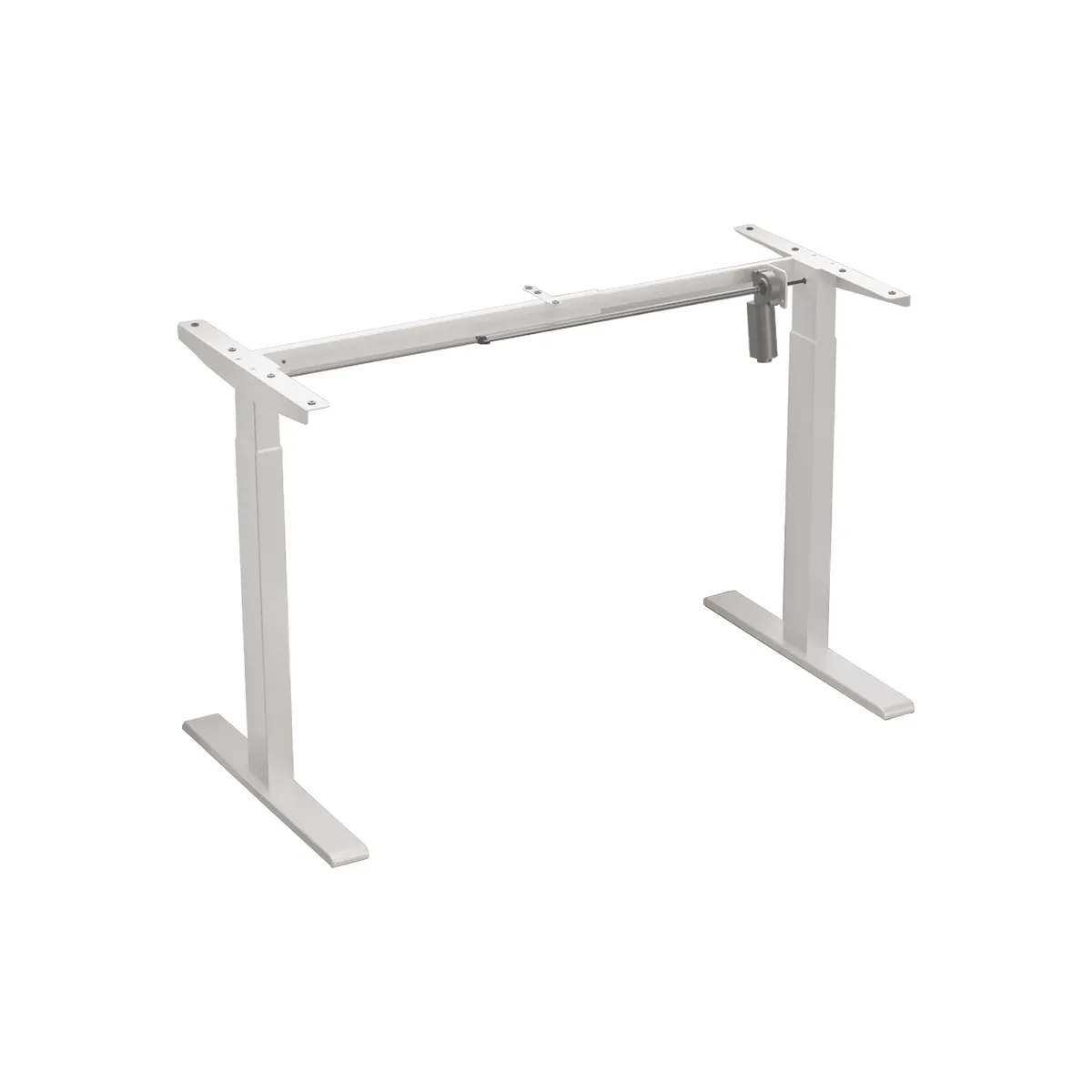
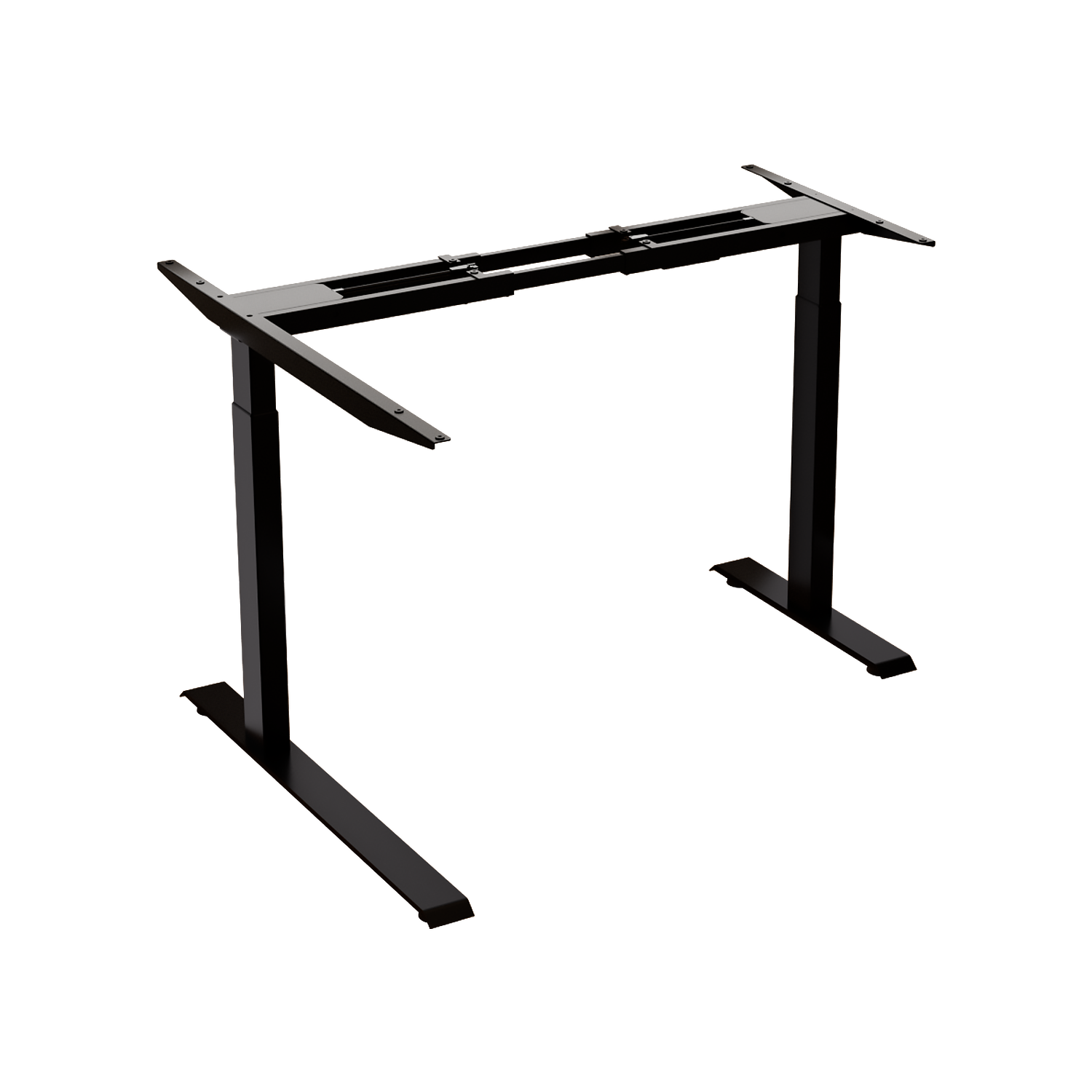
Brands often want to embed lifting systems into their own product lines through OEM/ODM. The key question is not whether a standing desk exists, but whether the lifting system can adapt to existing desktop sizes, control protocols and visual style. Ask for compatible frame specifications, interface documentation for control boxes and hand controllers, and a sample validation process.
Fit-out contractors and project buyers
Project delivery suffers most from complex installation and on-site rework. Buyers should assess whether installation instructions are clear, whether parts are complete, whether packaging suits site handling, and whether batch project support is available. Lead times and project support must be confirmed item by item with ETUP.
Enterprise buyers
Enterprise buyers focus on long-term use and maintenance. Contracts should define warranty scope, spare-parts supply and after-sales response. Because compliance requirements differ by market, certification and documentation requirements should be based on what the supplier actually provides and verified before purchase.
Buyer checklist: 10 questions for evaluating a standing desk supplier
- What desktop sizes and load ranges does the lifting system support? Rely on written supplier specifications.
- Which frame, column and foot colours and finishes are available? Can they match the project design language?
- What functions do the controller and hand controller support? Is interface documentation available for integration?
- Is OEM/ODM customisation supported? What are the MOQ, development timeline and sample process? Contact ETUP to verify.
- Is the packaging suitable for distribution or project sites? Is neutral packaging available?
- What is the spare-parts policy? Can wear parts be purchased separately?
- What are the warranty scope and after-sales response process? Refer to contract terms.
- Who provides the certifications and documents required in the target market? Verify before purchase.
- How are lead times and capacity planned for bulk orders? Confirm with ETUP.
- Are installation instructions and technical support provided? Can project orders receive additional support?
OEM/ODM view: treat the lifting system as a platform, not a single product
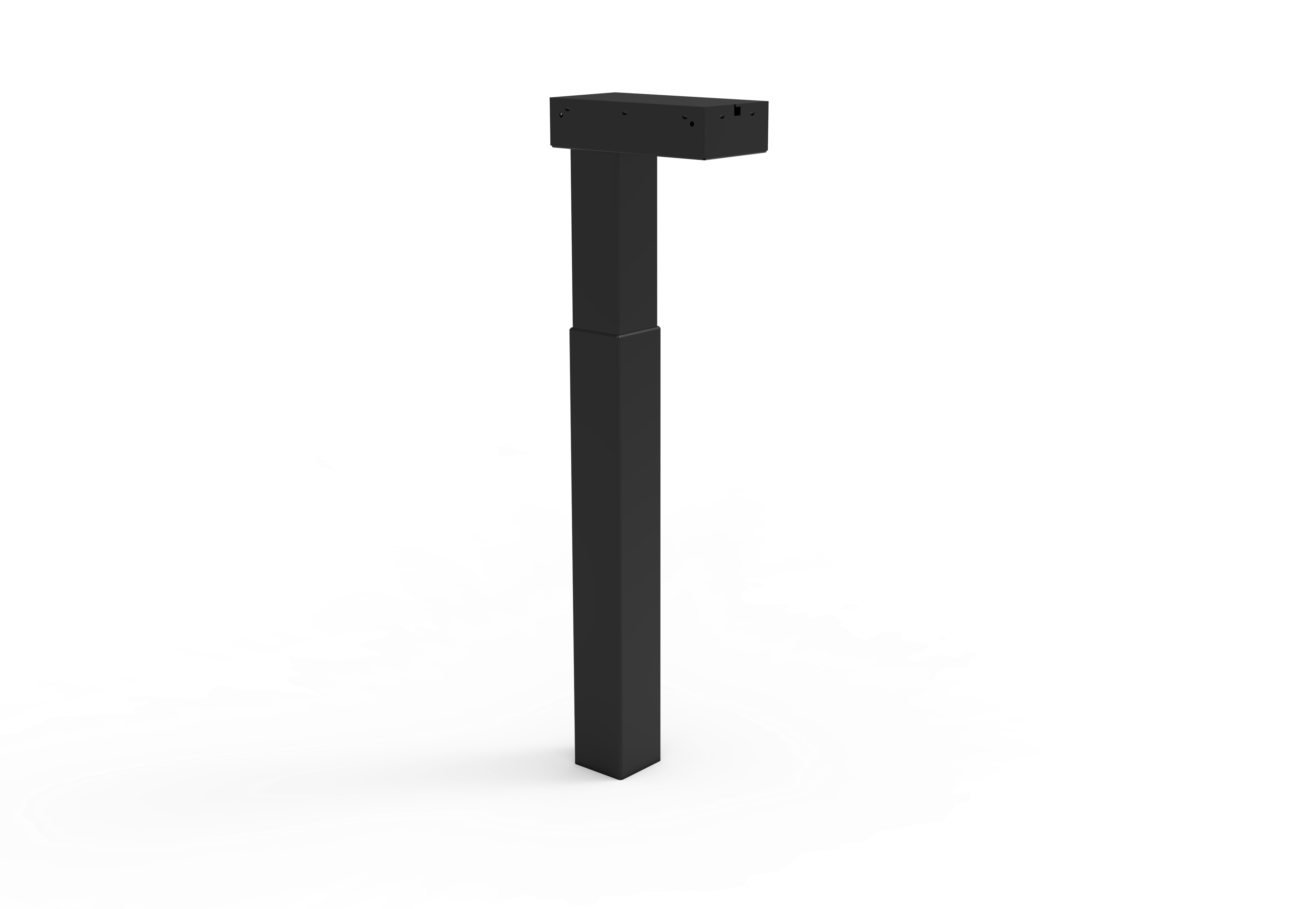
If standing desks are to be integrated into workspace design, the supplier’s role becomes closer to a “lifting system platform”. Buyers should therefore assess scalability: whether one control and drive architecture can cover different sizes and price points; whether exterior parts can be updated with the brand; and whether accessories form a clear catalogue. For brands, this can reduce repeated development; for distributors, it can simplify inventory. Discuss specific platform capabilities and customisation boundaries directly with ETUP.
Risks and boundaries: do not treat news as performance proof
To be clear: the ARK Series launch is an industry development, not a test report for ETUP products, and it cannot be used to infer that ETUP offers the same features or performance. This article makes no unverified claims about certifications, MOQ, lead times, capacity or warranty. Sourcing decisions should be based on sample testing, written specifications and contract terms. To understand ETUP’s electric standing desks, desk frames and lifting systems, contact ETUP to verify.
Conclusion
The real takeaway from the Eureka ARK Series is that standing desks are becoming part of workspace design systems. For B2B buyers, evaluation should shift from single-product parameters to system integration, visual consistency, delivery stability and after-sales support. Working through the checklist above is a more reliable way to reduce sourcing risk than following headlines.
Sources
Topic signal: Eureka Ergonomic Launches ARK Series to Bring Standing Desk Functionality Into Modern Workspace Design — Yahoo Finance (published 2026-09-14). This link is used only as a topic signal and does not validate ETUP products.