Direct Answer: First-Time Office Furniture Buying for Startups Should Focus on Flexibility and Total Cost of Ownership
For startups purchasing office furniture for the first time, the core strategy is not to chase the lowest unit price but to choose solutions that adapt to rapid team changes, support hybrid work, and reduce long-term total cost of ownership. This means prioritizing adjustable, modular, and easily reconfigurable products and collaborating with suppliers that offer technical support and flexible commercial terms.
This analysis is based on a topic signal from London Daily News (see Sources below) and combines a B2B procurement perspective to provide a framework and practical checklist for distributors, office furniture brands, fit-out contractors, and enterprise buyers. All commercial details (such as MOQ, lead times, certifications) must be confirmed directly with ETUP.
Why First-Time Purchases Often Go Wrong
Startups typically lack facilities management experience and may fall into two extremes: buying the cheapest furniture, leading to frequent replacements, or over-investing in fixed layouts that cannot adapt to team growth or remote work trends. Industry observations suggest growing demand for flexible workspaces, but specific data should be verified through local market research.
Additionally, startups often have short decision chains, with founders or operations leads purchasing directly, potentially overlooking long-term risks such as electrical safety, ergonomics, and warranty terms. A structured procurement process is therefore essential.
Five Questions to Answer Before Purchasing
- Team size and growth projections: How many workstations will be needed in 12–24 months? Is hybrid work supported?
- Space flexibility: Is the office layout likely to change? Are mobile or stackable furniture items needed?
- Electrical and safety requirements: Do standing desks, lighting, and cable management comply with local electrical standards?
- Budget structure: Is this a one-time capital expenditure or lease/financing? Total cost of ownership includes maintenance, replacement, and relocation costs.
- Supplier collaboration capability: Can the supplier provide OEM/ODM support, rapid samples, and after-sales technical support?
Product Selection: Prioritize Adjustability and Modularity
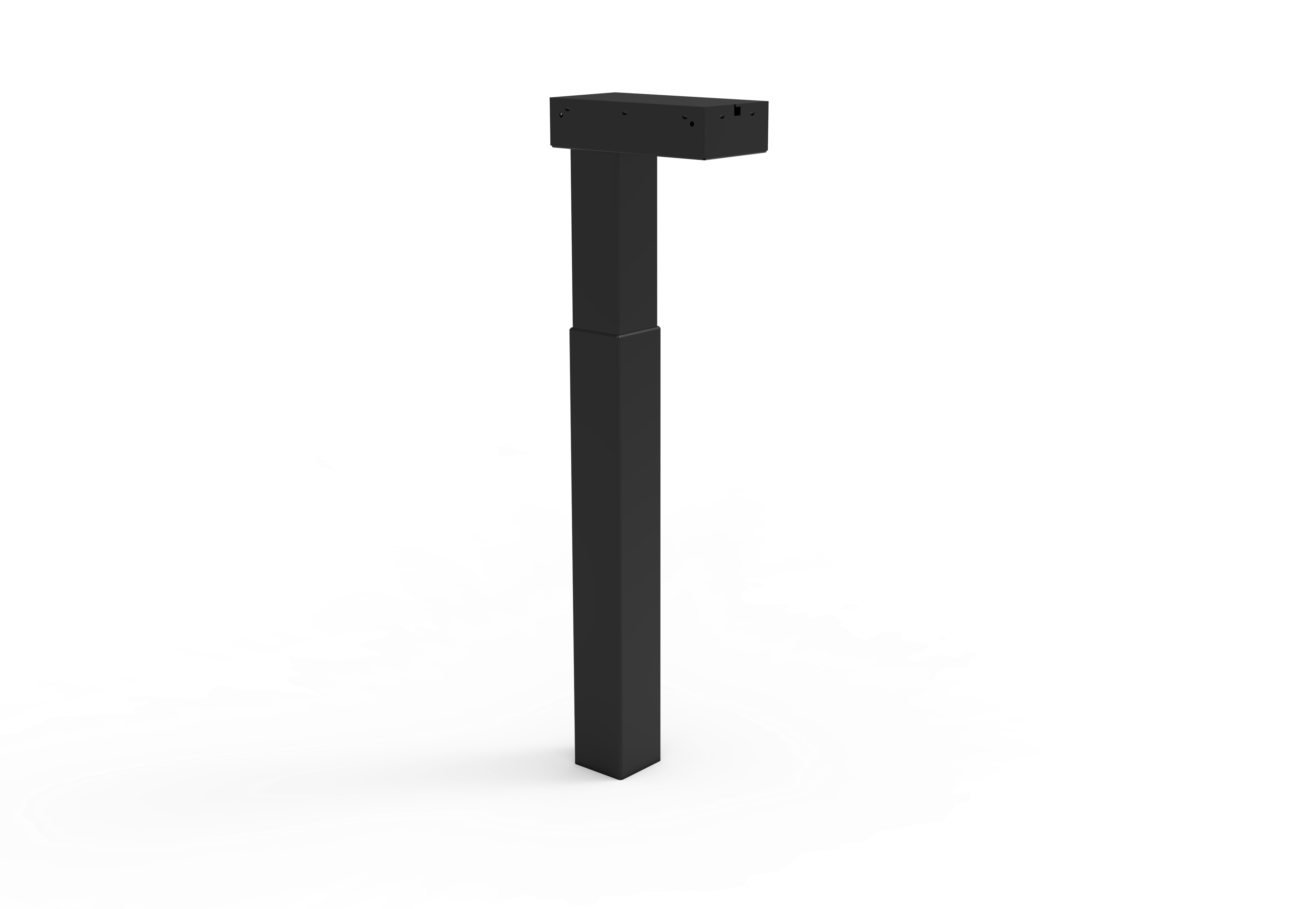
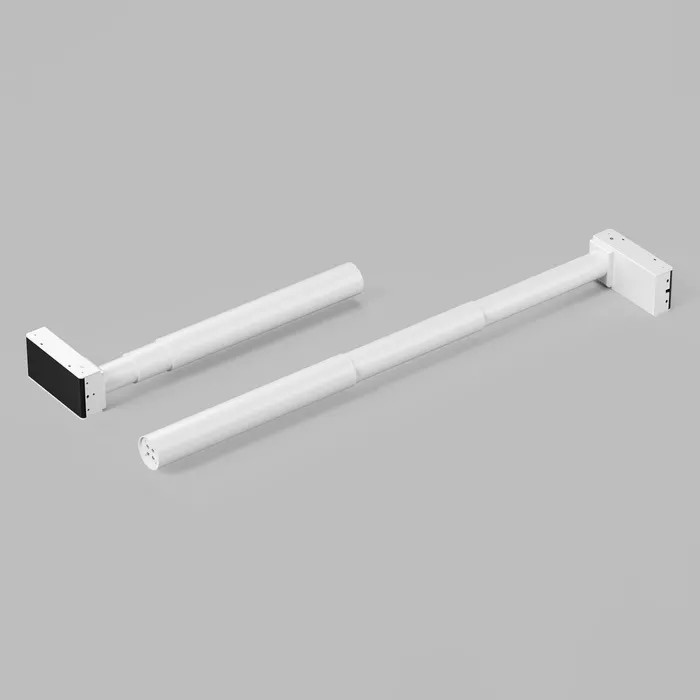
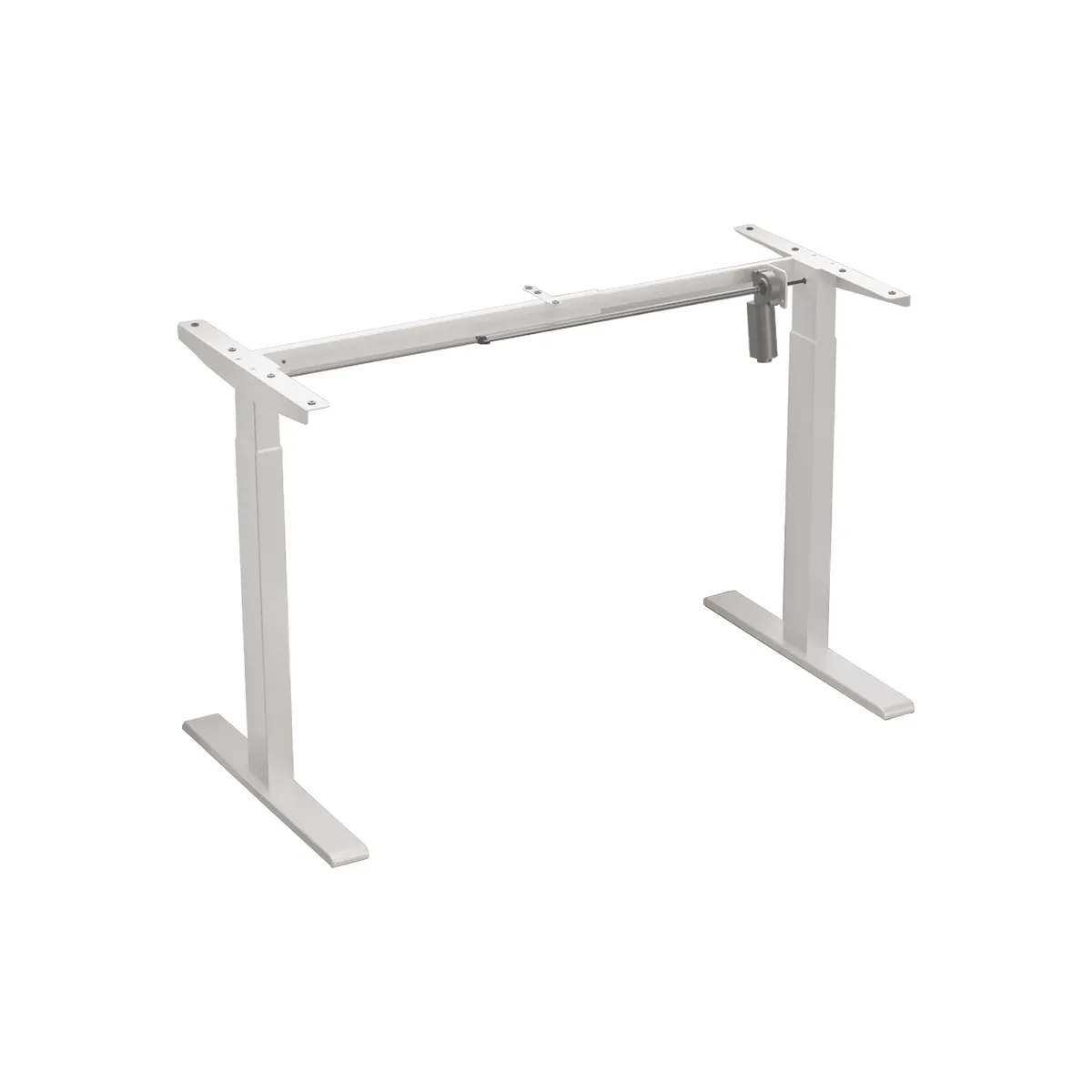
Electric standing desks and adjustable desk frames are a smart starting point for startups because they support sit-stand alternation, accommodate different employee heights, and can be easily adjusted as the team evolves. When selecting, consider the stability of the lifting system, noise levels, and safety certifications. ETUP supplies B2B electric standing desks, desk frames, and lifting systems, but specific product performance should be verified by contacting ETUP.
Modular storage and screen systems can also improve space utilization but must be compatible with existing furniture. For fast-growing teams, lightweight, easy-to-assemble furniture can reduce relocation costs.
Supplier Evaluation: Beyond the Price Tag
Startups should evaluate suppliers on responsiveness, minimum order quantity (MOQ), lead times, and warranty policies. For distributors and brands, OEM/ODM capabilities are key, including custom sizes, colors, and branding. Fit-out contractors need suppliers to provide installation guidance and technical documentation.
Request samples or visit showrooms, and confirm compliance with target market regulations (e.g., CE, UL). Note: This article does not claim any supplier holds specific certifications; please verify directly with suppliers.
Practical Procurement Checklist
The following checklist helps startups systematize the purchasing process:
- □ Define current workstation count and 12-month growth plan
- □ Assess hybrid work policy impact on desk sharing
- □ Measure space dimensions and plan layout (including power locations)
- □ Set budget range and calculate total cost of ownership (including maintenance and relocation)
- □ List required features (e.g., height adjustment, storage, cable management)
- □ Shortlist 3–5 suppliers and compare MOQ, lead times, and warranties
- □ Request samples or visit showrooms to test quality and safety
- □ Confirm electrical certifications and local compliance requirements
- □ Negotiate payment terms and after-sales service
- □ Develop a furniture adjustment plan for relocation or expansion
Common Pitfalls and How to Avoid Them
Pitfall 1: Ignoring electrical safety. Standing desks and lighting systems must meet local standards to avoid fire risks. Request compliance documentation from suppliers.
Pitfall 2: Over-customization. Startup teams change quickly; over-customized furniture may not be reusable. Prioritize standard sizes and modular designs.
Pitfall 3: Overlooking warranty terms. Low-cost furniture may have short warranty periods and high long-term repair costs. Clarify warranty coverage and response times.
Pitfall 4: Single-supplier dependency. Where possible, choose suppliers that offer multiple product categories to reduce coordination costs, but ensure expertise in core products.
Summary and Next Steps
First-time office furniture procurement is a critical step for startups to establish an efficient work environment. By focusing on flexibility, total cost of ownership, and supplier collaboration, common mistakes can be avoided. Buyers are advised to contact ETUP to verify product specifications, MOQ, lead times, and certifications before making decisions.
This article is an editorial draft for human review only and does not constitute procurement advice. All commercial terms are subject to ETUP's official confirmation.
Sources
Topic signal: London Daily News: How startups should buy office furniture for the first time (published 2026-10-07). This article uses the source only as a topic signal and does not cite its specific data or opinions.