Direct Answer: How Do Hybrid Office Design Principles Affect Standing Desk Purchasing?
Fast Company's recent four principles for hybrid office design (used here as a topic signal, not as proof of product performance) emphasize flexibility, employee experience, space efficiency, and collaboration support. For B2B office furniture buyers, these principles mean that standing desks and lifting systems are no longer single-spec commodity items; they need to support multiple work modes, be easy to reconfigure, and fit into varied office settings. Purchasing decisions should focus on adjustability, modularity, durability, and supply chain transparency. Before finalizing specifications, MOQ, lead times, and certifications, contact ETUP to verify.
Principle 1: Flexibility First—From Fixed Workstations to Reconfigurable Setups
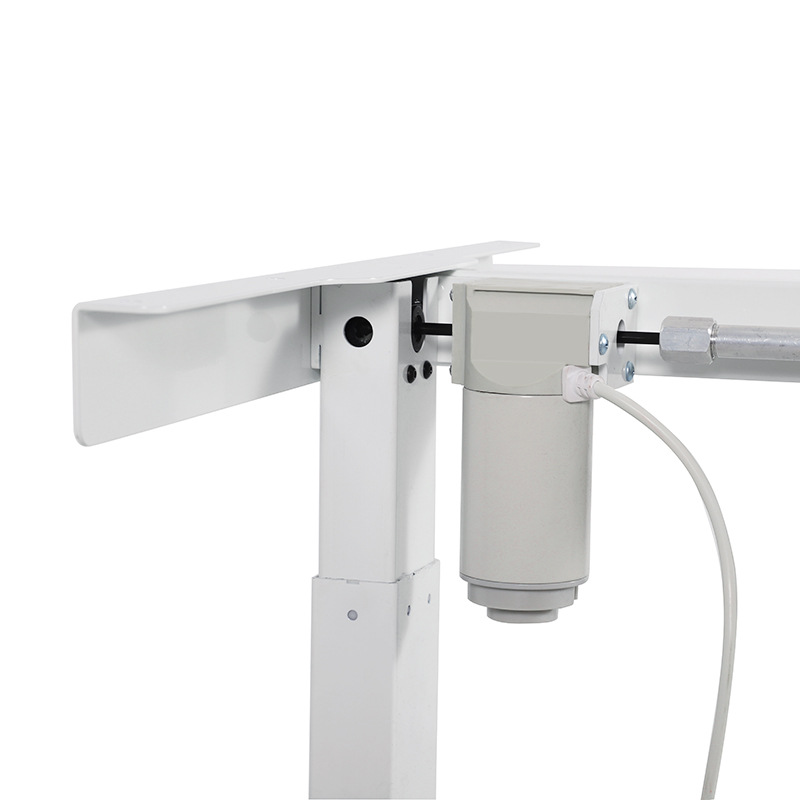
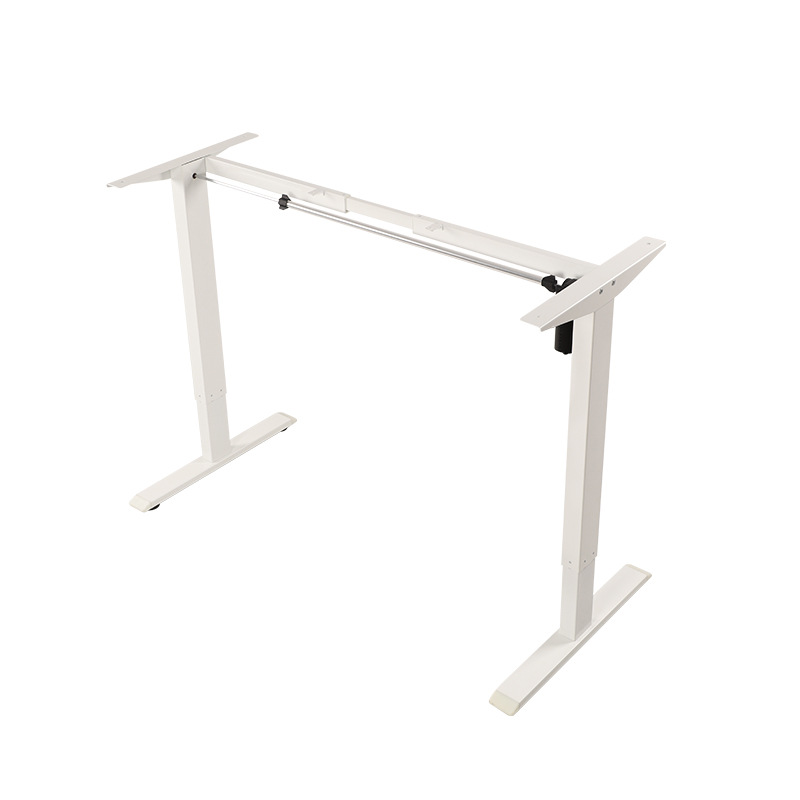
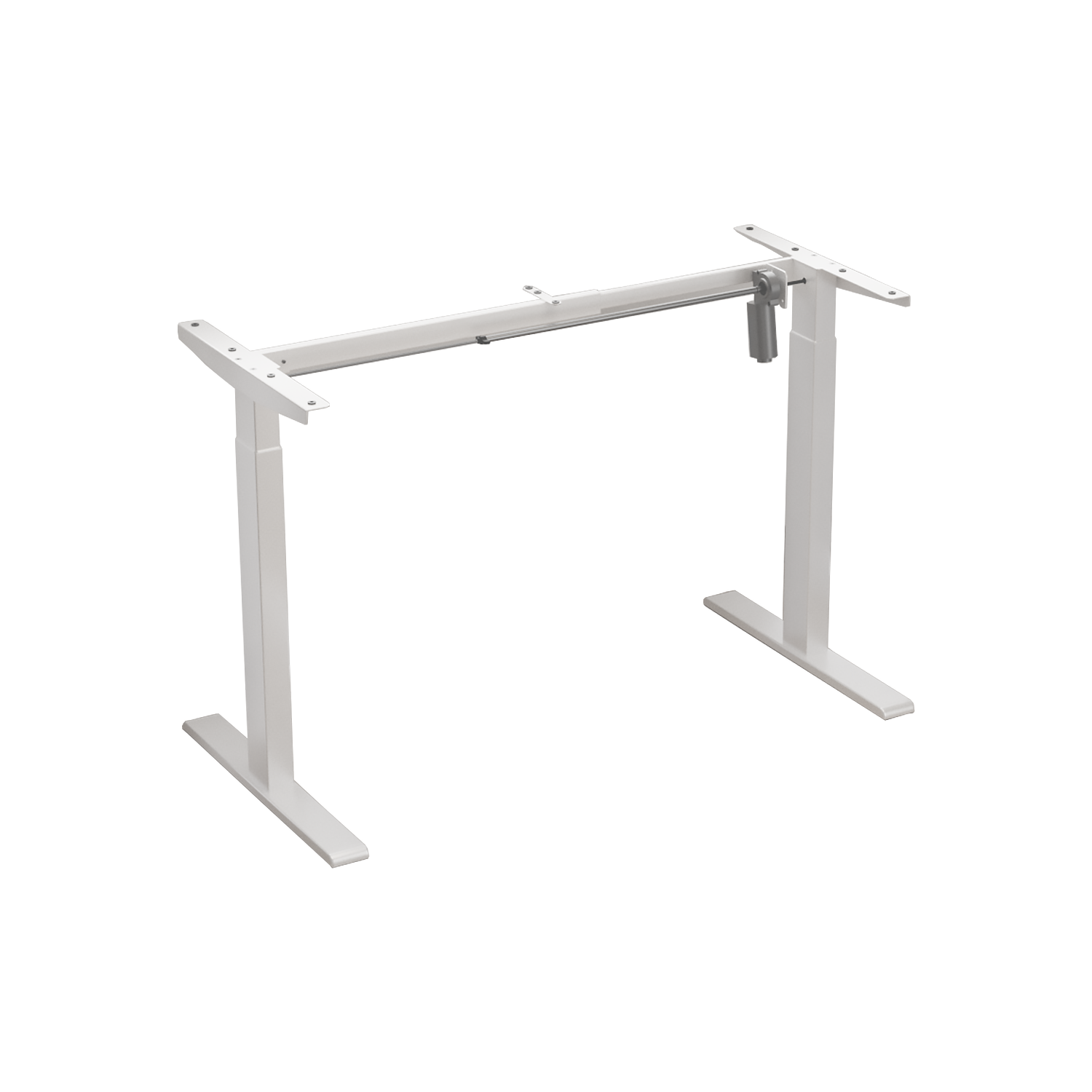
In hybrid work, desk utilization fluctuates, and spaces need to switch quickly. Buyers should look for standing desks with height memory and fast adjustment, and desk frames that are easy to disassemble and relayout. For distributors and fit-out contractors, this means choosing modular frame and lifting system designs that reduce on-site fabrication. ETUP supplies B2B electric standing desks, desk frames, and lifting systems, but specific adjustment ranges, load capacities, and module compatibility must be confirmed with ETUP.
Purchasing Implications
- Prioritize electric standing desks with multiple height presets to support sit-stand alternation.
- Evaluate whether the frame accommodates different desktop sizes and shapes for future reconfiguration.
- Ask suppliers whether they provide installation guides or videos to reduce on-site adjustment costs.
Principle 2: Employee Experience—Ergonomics and Personalization
Hybrid office design emphasizes employee health and satisfaction. Standing desk height ranges should cover users of different statures, and movement should be smooth and quiet. Buyers should note motor noise levels, lifting speed, and safety features such as anti-collision detection. These parameters vary by model; request technical data for specific models from ETUP and verify whether relevant testing has been performed. Do not assume all products share the same performance.
Purchasing Implications
- Confirm whether the height range meets the target user population (e.g., differences in body dimensions between Europe and North America).
- Ask about motor life and noise data, but require verifiable sources.
- Consider accessories (e.g., cable management, monitor arms) and their impact on user experience.
Principle 3: Space Efficiency—Compact Design and Storage
Hybrid offices often need to balance collaboration and focus, so furniture should save space. Desk frame designs should be compact and avoid excessive legroom intrusion. For OEM/ODM customers, custom dimensions can be discussed to match space planning. ETUP's lifting systems can be used with different desktop configurations, but customization options, minimum order quantities, and lead times must be verified directly with ETUP.
Purchasing Implications
- Measure available space and choose frame widths and depths that fit.
- Consider folding or nesting designs (if applicable) for multi-purpose spaces.
- Discuss cable management solutions with the supplier to reduce visual clutter.
Principle 4: Collaboration Support—From Individual Desks to Team Nodes
Hybrid office design encourages collaboration, and standing desks can also serve shared workstations or temporary project tables. Buyers should assess load capacity and stability to ensure safety when multiple users are involved. For enterprise buyers, consider purchasing a consistent product series for easier maintenance and parts replacement. ETUP's product series information should be confirmed with ETUP, including whether bulk purchasing and spare parts supply are supported.
Purchasing Implications
- Confirm stability at maximum height, especially for collaborative use.
- Ask whether the supplier provides spare parts and after-sales support to reduce long-term maintenance costs.
- For multi-site deployments, confirm compliance with local electrical and safety standards (e.g., CE, UL), but require certificates from the supplier.
Buyer Checklist: Evaluating Standing Desks for Hybrid Offices
Use this checklist to systematically evaluate suppliers; verify all commercial details with ETUP:
- Adjustability: height range, number of memory presets, lifting speed.
- Modularity: frame compatibility with different desktop sizes, ease of disassembly.
- Durability: motor life, load capacity, warranty terms (to be confirmed by supplier).
- Compliance: required certifications for target markets (e.g., CE, UL, FCC), request copies of certificates.
- Supply chain: MOQ, lead times, packaging, OEM/ODM support.
- After-sales: spare parts availability, technical support, installation guidance.
- Total cost of ownership: consider shipping, installation, and maintenance costs, not just unit price.
Conclusion: Translating Principles into Purchasing Strategy
Fast Company's four principles provide direction for hybrid office design, but purchasing decisions must be based on specific products and supplier capabilities. ETUP, as a supplier of B2B electric standing desks, desk frames, and lifting systems, can support distributors, brands, and contractors, but all commercial details (including certifications, MOQ, lead times, and warranty) must be confirmed directly with ETUP before purchase. This article does not constitute a product performance claim and is for purchasing reference only.
Sources
Topic signal: Fast Company, “4 principles for hybrid office design”, 2024-05-15. Original link (used as a topic signal only; does not prove ETUP product performance).