Direct answer
Sustainable office fit-out is not a single material choice; it is a staged decision process. JLL's four-step framework—set goals, design interventions, procure and deliver, operate and evaluate—can serve as a common structure for B2B procurement. For products such as electric standing desks, desk frames, and lifting systems, the key is to embed four dimensions—adjustability, repairability, materials and packaging, and supplier collaboration—into every stage, rather than considering them only at purchase order stage. This article uses the JLL piece as a topic signal and offers original analysis. It does not claim the source proves ETUP product performance; contact ETUP to verify all commercial details.
Why a staged framework matters for office fit-out
Office fit-out involves design, furniture, MEP, IT, and facilities management. When decisions are fragmented, sustainability goals are easily downgraded to slogans. A staged framework turns abstract goals into checkable milestones, each with inputs, outputs, and owners. For furniture suppliers and buyers, this means an electric standing desk should be treated not as "just a desk" but as a long-term asset that can be repaired, upgraded, and recycled.
Step 1: Set goals and scope
Before the first floor plan, define the scope of sustainability goals: reduce operational energy, cut embodied carbon, improve employee wellbeing, or extend furniture service life? Different goals imply different procurement weights. If the goal is longer asset life, the repairability of the lifting system and spare-parts availability matter more than initial price. If the goal is less packaging waste, confirm packaging materials and recycling options with suppliers. At this stage, create a "sustainability requirements list" and involve furniture suppliers in the goal discussion.
Procurement tips
- Clarify the role of electric standing desks: standard workstations, shared desks, or executive offices.
- Separate "must-haves" from "nice-to-haves" so the whole list is not dropped under budget pressure later.
- Ask suppliers for verifiable material and compliance information, not generic "eco-friendly" claims.
Step 2: Design interventions and product selection
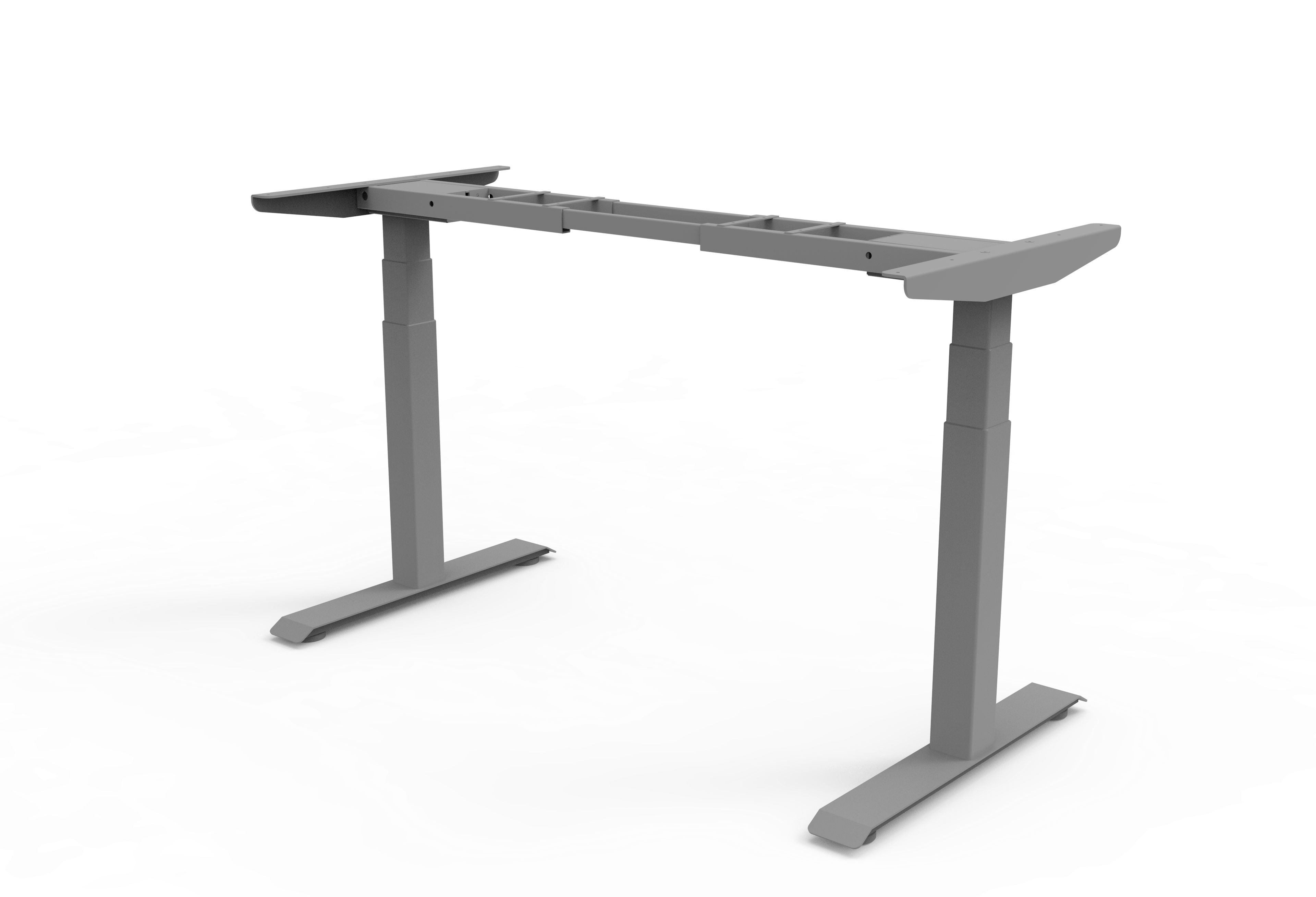
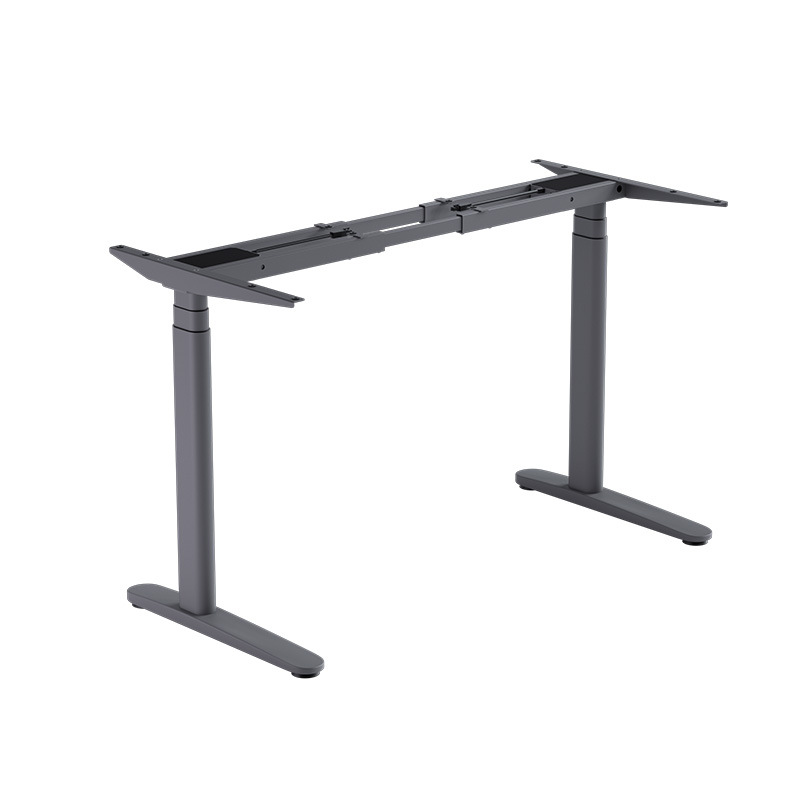
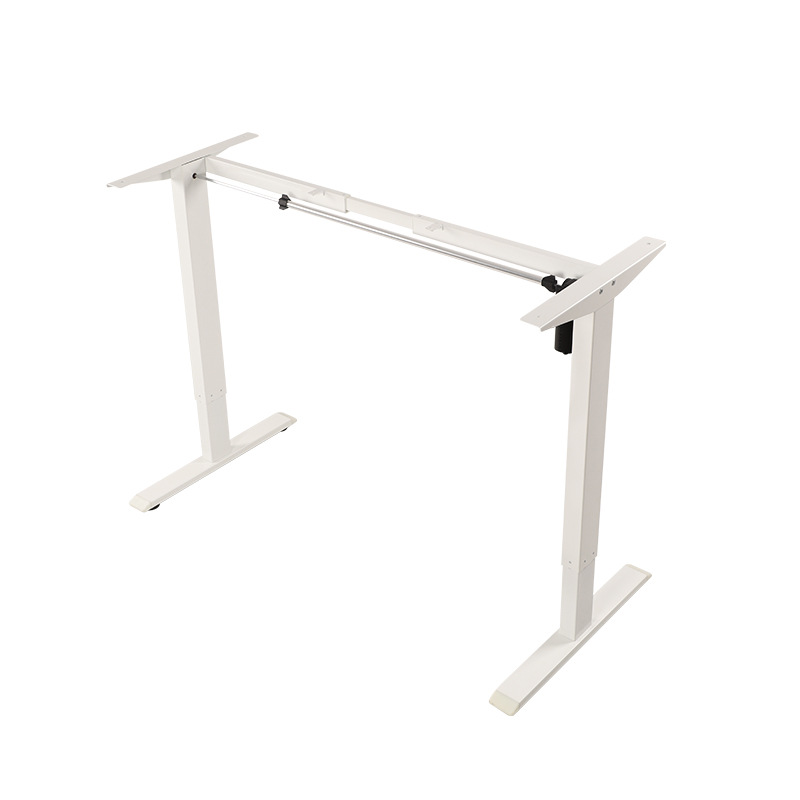
Design decisions determine much of the sustainability outcome. For standing desks, interventions include choosing appropriate sizes to reduce material waste; prioritizing separable frame and top structures for repair and replacement; specifying memory height functions for shared workstations to reduce repeated adjustment; and planning cable management to avoid later retrofits. Designers should engage furniture brands and OEM/ODM suppliers early to confirm frame hole patterns, lifting range, and control systems meet project needs.
Procurement tips
- Confirm whether frame-to-top interfaces are standardized and support future top replacement.
- Ask whether control boxes, hand controllers, and motors can be replaced individually.
- Request dimension drawings and installation instructions so fit-out contractors can prepare site conditions.
Step 3: Procure and deliver
Procurement is where design intent becomes reality. B2B buyers should write sustainability requirements into RFQs: packaging materials, transport methods, spare-parts policy, warranty terms, and delivery batches. Distributors and office furniture brands should also confirm whether suppliers support OEM/ODM customization and whether customization affects lead times and spare-part commonality. Delivery sustainability is often overlooked: consolidating shipments, reducing single-use packaging, and providing installation guidance to reduce site rework are practical measures. Contact ETUP to verify MOQ, lead times, warranty, and customization capabilities.
Procurement tips
- Specify spare-parts supply duration and replacement process in the contract.
- Request packaging lists and recycling recommendations from suppliers.
- Clarify installation responsibilities to avoid on-site cutting and rework.
Step 4: Operate, maintain, and evaluate
Fit-out completion is not the end. During operation, maintain a furniture asset register recording electric standing desk models, installation dates, repair records, and spare-part replacements. Regular evaluation can reveal issues: for example, higher failure rates in certain workstations or low usage of memory functions on shared desks. This data should feed back to suppliers to improve products or adjust spare-parts inventory. For enterprise buyers, integrating furniture maintenance into facilities management is a direct way to extend service life and reduce replacement frequency.
Procurement tips
- Create a repairable asset list with replaceable components marked.
- Agree technical support channels and response methods with suppliers.
- Evaluate furniture condition annually and form a repair-or-replace plan.
Practical buyer checklist
- Have project sustainability goals been translated into furniture procurement weights?
- Can the desk frame, top, control box, hand controller, and motor be replaced individually?
- Does the supplier provide verifiable material and compliance documents?
- Are packaging materials recyclable, and is shipment consolidation supported?
- Does OEM/ODM customization affect lead times, spare-part commonality, and warranty?
- Are spare-parts supply duration and replacement process written into the contract?
- Have installation responsibilities and site conditions been confirmed with the fit-out contractor?
- Is a furniture asset register and annual evaluation mechanism in place?
What this means for B2B buyers
JLL's four-step framework provides a common language for designers, contractors, furniture brands, and end buyers to discuss sustainability within one structure. For ETUP customers, this means electric standing desk procurement should not compare only price and specifications; repairability, spare-parts policy, and supplier collaboration capability should be part of the evaluation. Distributors and office furniture brands can use this framework to explain product value to end customers; fit-out contractors can use it to coordinate site conditions; enterprise buyers can use it to build a long-term asset strategy. All specific commercial terms are subject to ETUP's formal confirmation.
Sources
Topic signal: JLL, "Four steps to a sustainable office fit out," 2023-11-21. Original link. This article uses the source only as a topic signal and does not claim it proves ETUP product performance.
This is a draft for human review and must not be treated as published content.