Direct answer: what does Furniture China 2026 mean for B2B buyers?
Furniture China 2026, surfaced by Archiproducts as a topic signal about rethinking commercial furniture for the workplace, points to a shift in procurement logic rather than a single product. Office spaces are moving from fixed workstations toward furniture systems that can be reconfigured, expanded, and maintained over time. For distributors, office furniture brands, fit-out contractors, and enterprise buyers, this means electric standing desks are no longer just a wellness accessory; they are part of space flexibility and asset life. Note that the source is used only as an industry topic signal and does not prove the performance of any specific product. All commercial details should be confirmed with ETUP.
Why the rethink reaches standing desk procurement
Commercial furniture decisions have long cycles and many stakeholders, so trends usually appear first in design and then move into procurement. The direction reflected by Furniture China 2026 can be summarized in three dimensions that matter to B2B buyers.
1. Space moves from fixed to reconfigurable
Hybrid work makes workstation utilization more volatile, and organizations increasingly prefer adjustable, relocatable desk frame systems. The value of an electric standing desk therefore shifts from individual preference to space management: one desk can accommodate different users and scenarios, reducing whole-desk replacement when people change. Buyers should look at adjustment range, structural compatibility, and stability after repeated disassembly and reassembly, not just the unit price.
2. Lifecycle cost replaces simple price comparison
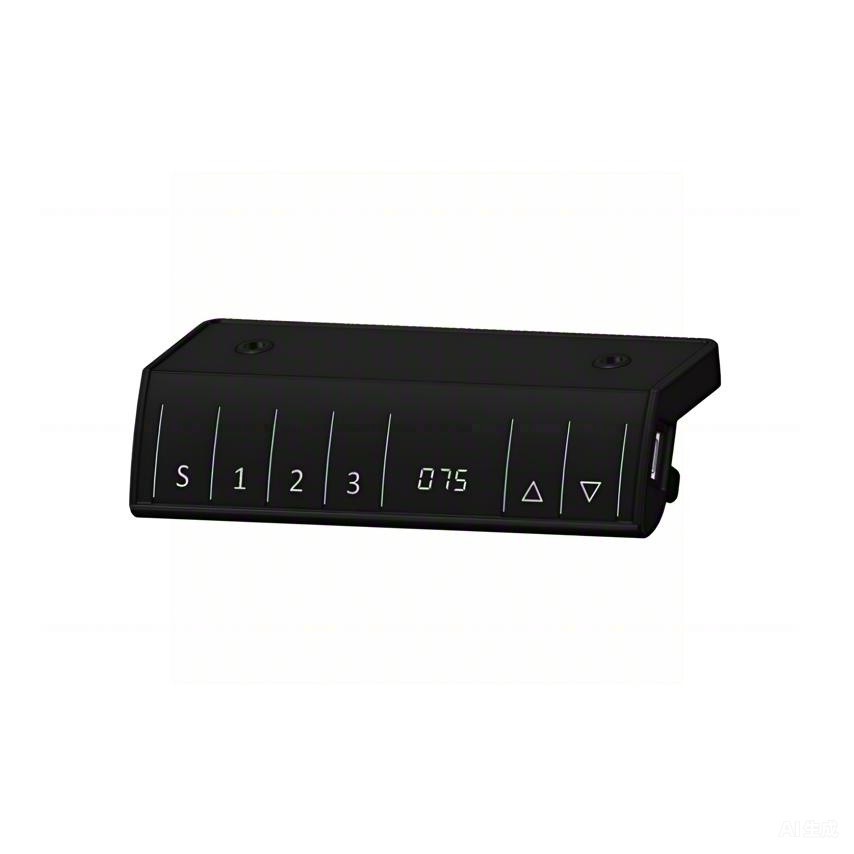
Hidden costs in commercial projects include installation, maintenance, spare parts, and replacement. Whether lifting system motors, control boxes, and hand controllers are easy to service, and whether desk frames support standardized accessories, directly affects after-sales cost. B2B buyers should ask suppliers to explain warranty scope, spare parts availability, and installation guidance. Contact ETUP to verify specific terms.
3. Design and procurement collaborate earlier
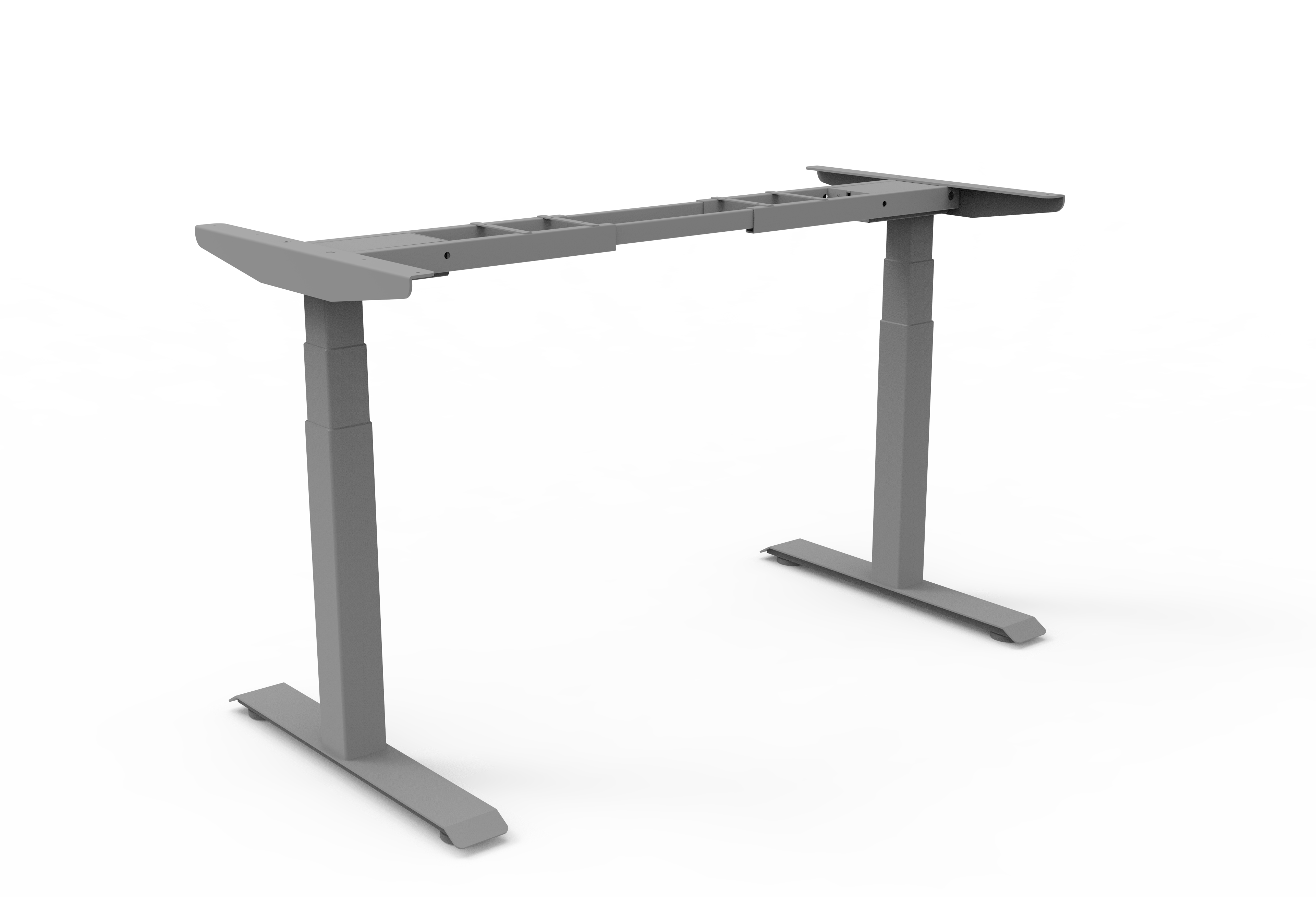
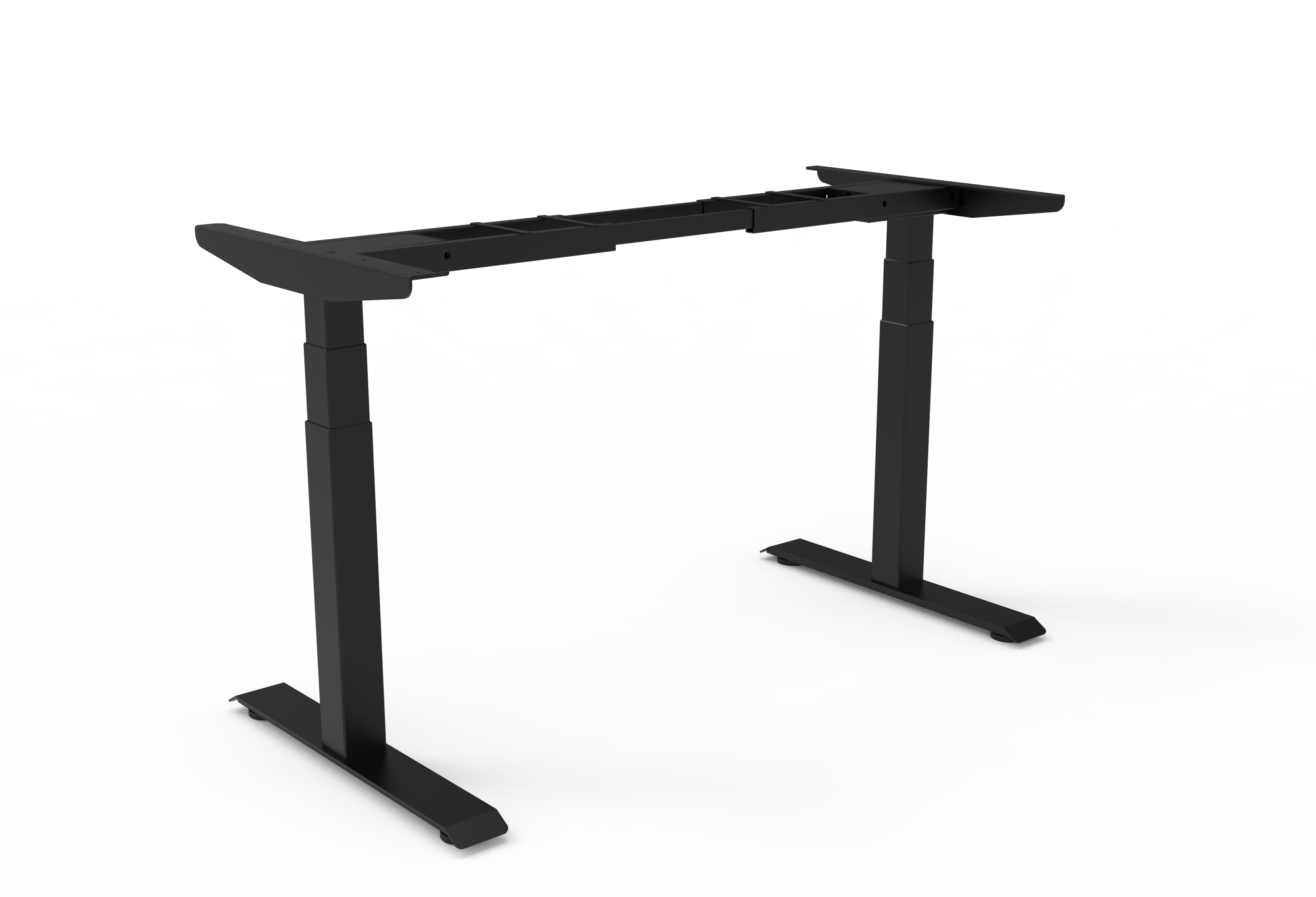
Designers are engaging earlier in furniture system selection, which means OEM/ODM customers need structural drawings, load parameters, and customization options at the project stage. Suppliers that provide clear technical documentation and sample support are more likely to enter design-specified lists. ETUP supplies B2B electric standing desks, desk frames, and lifting systems; confirm specific customization capabilities and delivery arrangements with ETUP.
Practical impact on four types of B2B buyers
- Distributors: Need a stable product series and predictable spare parts supply to avoid customer relationship damage from discontinued models. Clarify model continuity and replacement options in contracts.
- Office furniture brands: Standing desks are a differentiation carrier; frame structure, hand controller interface, and cable management all affect brand experience. OEM/ODM cooperation should define the boundary between cosmetic customization and structural standards.
- Fit-out contractors: On-site installation efficiency and coordination with power, data, and partitions are critical. Before purchasing, confirm frame dimensions, cable routing, and completeness of installation instructions.
- Enterprise buyers: Focus on actual employee use and maintenance. Consider a small pilot before scaling, and include service response in procurement requirements.
Buyer checklist: turning the trend into actionable questions
Use this checklist during RFQ and sample evaluation to translate the rethink into concrete terms. For figures, certifications, and lead times, rely on written confirmation from ETUP.
- Use scenario: Fixed workstation, shared desk, or project-based office? Different scenarios require different adjustment frequency and structural strength.
- Structure and compatibility: Does the frame support planned desktop sizes and thicknesses? Can accessories such as monitor arms and cable trays be added later?
- Lifting system maintenance: Can motors and control components be replaced individually? What is the spare parts lead time? Verify with ETUP.
- Installation and documentation: Are installation instructions, technical drawings, and necessary on-site support provided? Contractors should confirm in advance.
- Customization boundary: In OEM/ODM projects, which cosmetic and structural elements can be customized, and which must follow the standard platform?
- Compliance and certification: Who provides the certifications and documents required for the target market? Do not assume the supplier has them by default; confirm item by item.
- Warranty and service: Warranty scope, response method, and responsibility allocation should be written into the contract. Contact ETUP to verify specific terms.
- Sample validation: Test samples and run a small pilot before mass production, and record actual usage feedback.
Common pitfalls
The first pitfall is treating a trade show signal as proof of product performance. Furniture China 2026 reflects design and work-style trends; it does not replace testing and validation of specific products. The second is comparing unit prices only while ignoring installation, maintenance, and replacement costs. The third is bringing suppliers in late, which compresses customization options. A more reliable approach is to involve suppliers in technical clarification during the design phase.
Recommended next steps
For B2B buyers planning office projects for 2026 and beyond, include standing desks and lifting systems in the space strategy discussion rather than treating them as isolated purchases. Define use scenarios and lifecycle requirements first, then request technical documentation, samples, and written commercial terms from suppliers. ETUP supplies B2B electric standing desks, desk frames, and lifting systems. Contact ETUP to verify product specifications, certifications, MOQ, lead times, and warranty before making procurement decisions.
Sources
Topic signal source: Archiproducts, "Furniture China 2026: Rethinking Commercial Furniture for the Workplace," published 2026-08-31. Link: Archiproducts article. This source is used only to illustrate industry context and does not constitute an endorsement of ETUP product performance.
This is a draft for human review and must not be treated as published content. All commercial details must be confirmed with ETUP before publication.