Direct Answer: What Do Future Office Design Trends Mean for Standing Desk Procurement?
According to a trend signal published by JLL, the future of office design is moving toward flexibility, employee well-being, and hybrid work. For B2B buyers, this means electric standing desks, desk frames, and lifting systems are no longer just accessories—they are key components that support rapid space reconfiguration and employee comfort. Procurement should prioritize adjustability, durability, compatibility, and compliance rather than price alone.
This article provides original analysis based on that trend signal. It does not claim to prove ETUP product performance. For all commercial details (such as MOQ, lead time, certifications, warranty), contact ETUP to verify.
Interpreting the Trend Signal: JLL's Perspective on Office Design
As a global commercial real estate and facilities management services provider, JLL's trend observations typically reflect actual shifts in demand from corporate tenants and landlords. The signal (source linked at the end) emphasizes that future office spaces need to adapt to hybrid work, collaboration, and focused work. This directly drives demand for height-adjustable desks: employees can switch between sitting and standing based on tasks, while companies can quickly reconfigure workstations through modular furniture.
For the B2B supply chain, this means:
- Flexibility first: Desk frames and lifting systems must support quick installation, height memory, and multiple desktop sizes.
- Health and ergonomics: Electric height adjustment becomes part of employee well-being programs.
- Hybrid work compatibility: Shared workstations require more durable adjustment mechanisms and simpler controls.
- Sustainability: Recyclable materials, low-energy motors, and long-life design receive more attention.
Core B2B Procurement Considerations: Electric Standing Desks, Desk Frames, and Lifting Systems
1. Define Usage Scenarios and Load Requirements
Requirements vary significantly across scenarios. Corporate headquarters may prefer dual-motor, high-load electric standing desks with memory functions; coworking spaces may prioritize frame stability and wear resistance; home offices or satellite offices may choose single-motor or manual options. Before procurement, clarify:
- Desktop size and weight range;
- Daily lifting frequency;
- Whether height memory, anti-collision, USB charging, or other features are needed;
- Installation environment (power location, floor levelness).
For specific load parameters and motor configurations, contact ETUP to verify.
2. Compatibility of Desk Frames and Lifting Systems
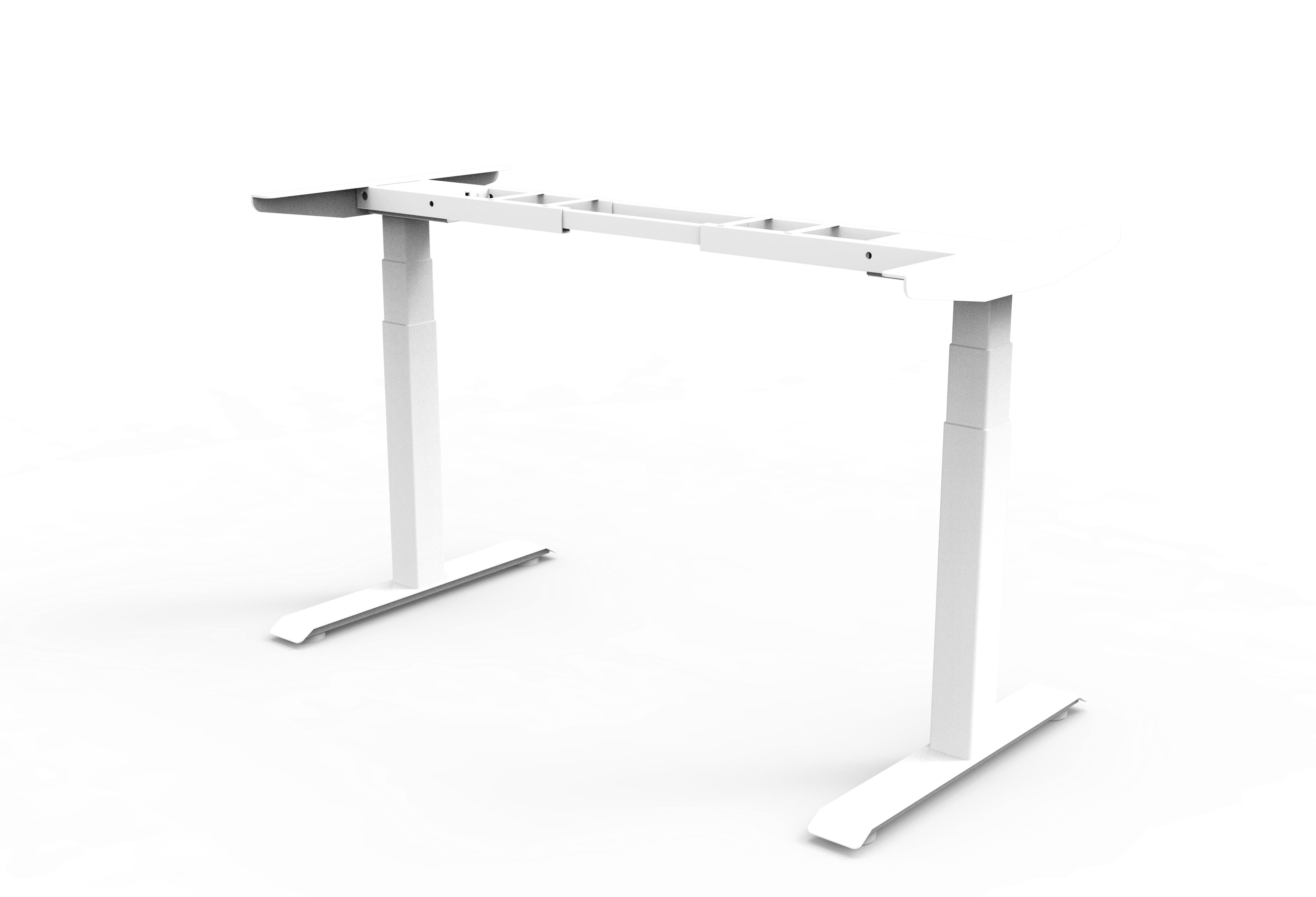
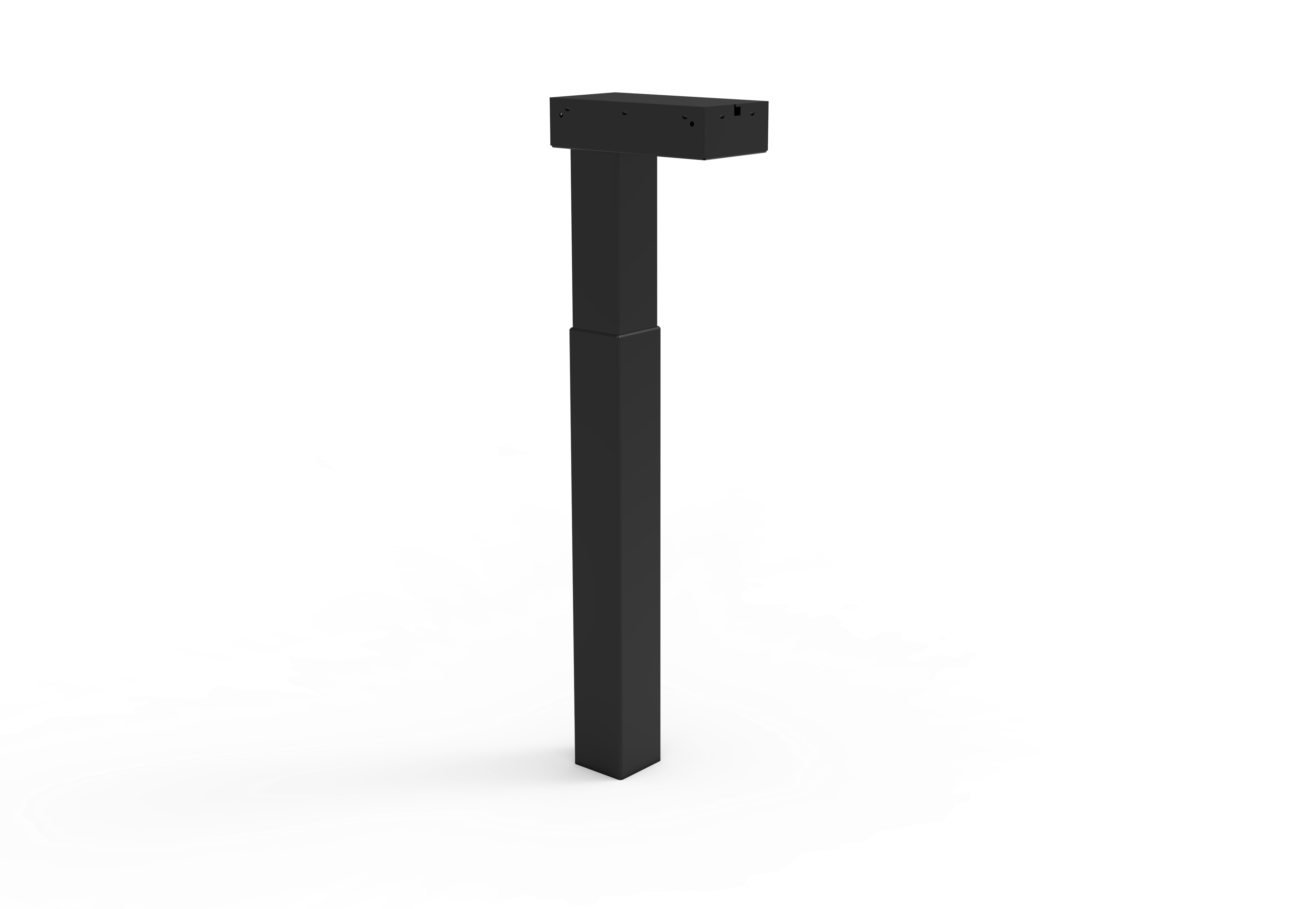
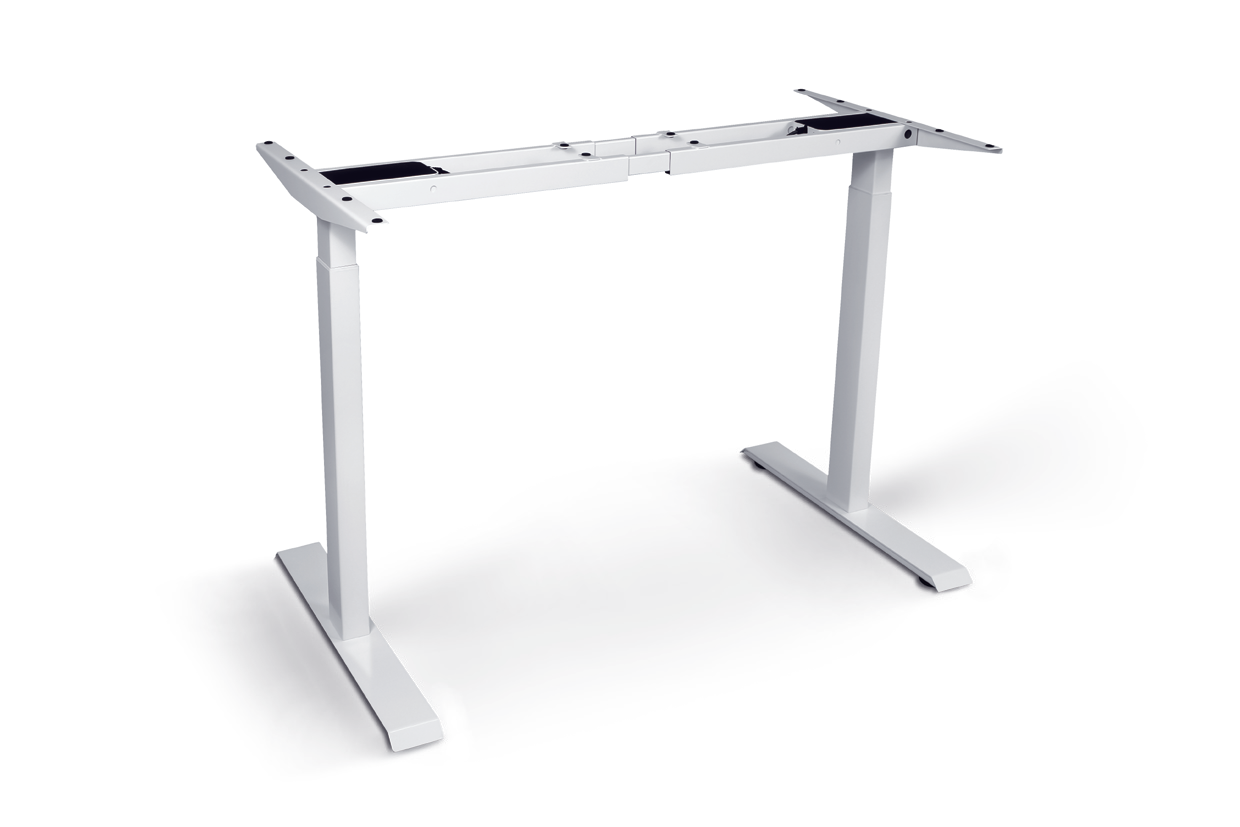
The desk frame is the skeleton of a standing desk, and its compatibility directly affects the stability and lifespan of the final product. Buyers should confirm whether the frame supports the target desktop thickness, whether mounting holes align, and whether the lifting columns match the motor system. For OEM/ODM customers, evaluate whether the supplier offers custom hole patterns, colors, and branding. ETUP supplies electric standing desks, desk frames, and lifting systems; confirm specific customization options with ETUP.
3. Compliance and Certifications
Different markets have different requirements for electrical safety, electromagnetic compatibility, and environmental compliance in office furniture. The European market typically focuses on CE, RoHS, and REACH; North America on UL and FCC; the Middle East and Southeast Asia also have their own market access requirements. Buyers should request certification documents required for the target market and verify their validity. This article does not claim that ETUP holds any specific certification; please request the latest certification list directly from ETUP.
4. Quality and Durability
The lifespan of a lifting system is often measured in lifting cycles. Buyers should ask suppliers about their testing standards (e.g., motor life, structural fatigue testing) and request test reports or samples for internal validation. For high-frequency shared workstations, industrial-grade or commercial-grade components are recommended. For ETUP's specific testing standards and warranty policy, contact ETUP to verify.
5. Delivery and After-Sales
Lead time, MOQ, packaging, and after-sales support are key commercial terms in B2B procurement. Under hybrid work trends, projects are often implemented in phases, making a supplier's flexible delivery capability particularly important. Please confirm current MOQ, standard lead time, packaging specifications, and warranty terms with ETUP.
Practical Procurement Checklist
The following checklist helps distributors, office furniture brands, fit-out contractors, and enterprise buyers systematically evaluate suppliers:
- □ Define usage scenarios, desktop sizes, and load requirements;
- □ Confirm compatibility between desk frame, desktop, and motor system;
- □ Request and verify certification documents required for the target market;
- □ Ask about lifting cycle testing standards and structural fatigue test reports;
- □ Confirm MOQ, lead time, packaging, and shipping terms;
- □ Understand warranty period, spare parts availability, and after-sales response process;
- □ Request samples or small-batch trial production for internal validation;
- □ Evaluate supplier's OEM/ODM customization capabilities (hole patterns, colors, branding);
- □ Confirm motor energy consumption, standby power, and environmental compliance;
- □ Verify whether the supplier provides installation guides and technical support.
Action Recommendations for B2B Buyers
The future office design trend signal indicates that flexible, healthy, and sustainable workspaces will become mainstream. For distributors and office furniture brands, this means planning ahead for electric standing desk and lifting system product lines; for fit-out contractors and enterprise buyers, it means incorporating adjustable workstations into project planning from the start. Recommended steps:
- Determine product specifications and certification requirements based on target market needs;
- Shortlist suppliers with lifting system R&D and production capabilities;
- Validate quality and compatibility through sample testing;
- Confirm commercial terms with suppliers and build long-term partnerships.
ETUP supplies B2B electric standing desks, desk frames, and lifting systems. To learn about product specifications, certifications, MOQ, lead time, or customization services, contact ETUP to verify.
Sources
This article provides original analysis based on the following trend signal and does not copy the original content: