Direct answer: supply chain competition is really about supplier evaluation capability
A Work Design podcast published in October 2026 (The Workplace Supply Chain: The Hidden Business Behind Every Office) shifts the conversation from whether employees return to the office to a more fundamental question: who actually supplies the modern workplace? For B2B buyers, the value of this signal is not in retelling the news but in reminding us that procurement of electric standing desks, desk frames, and lifting systems needs to move from price comparison to supply chain transparency and verifiable capability. ETUP, as a B2B supplier of electric standing desks, desk frames, and lifting systems, recommends that buyers evaluate candidates with a structured checklist and confirm every commercial detail with the supplier before signing.
Why the hidden supply chain matters to B2B buyers
End users see desktops, screens, and chairs, but behind these products sits an invisible supply network: metal fabrication, motors and control systems, packaging and logistics, installation services, and after-sales spare parts. The Work Design episode brings in the perspective of Beth Goff-McMillan (CEO of SKG and founder of FOLIO) to highlight the business operations behind workplace delivery. For distributors, office furniture brands, fit-out contractors, and enterprise buyers, this means:
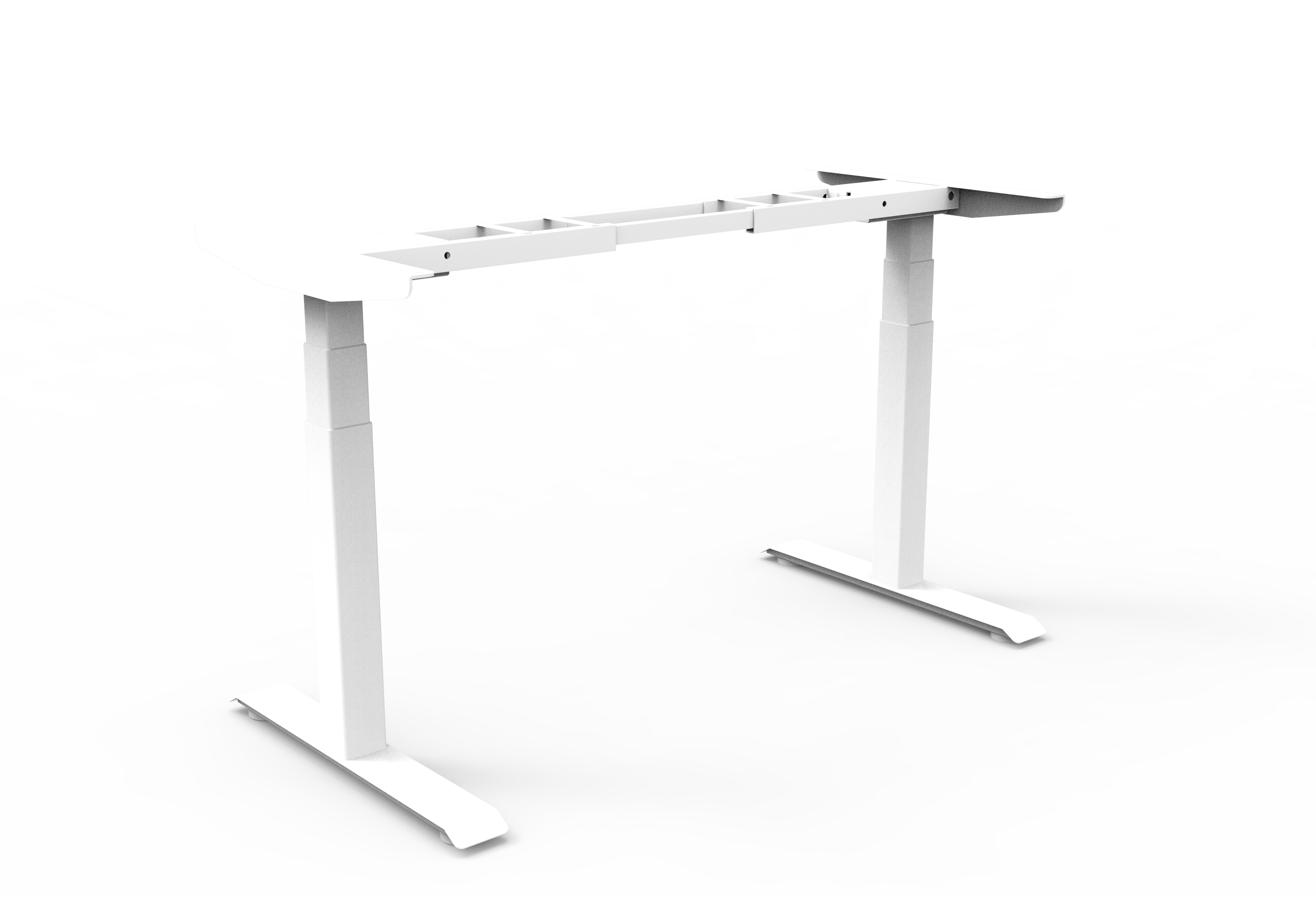
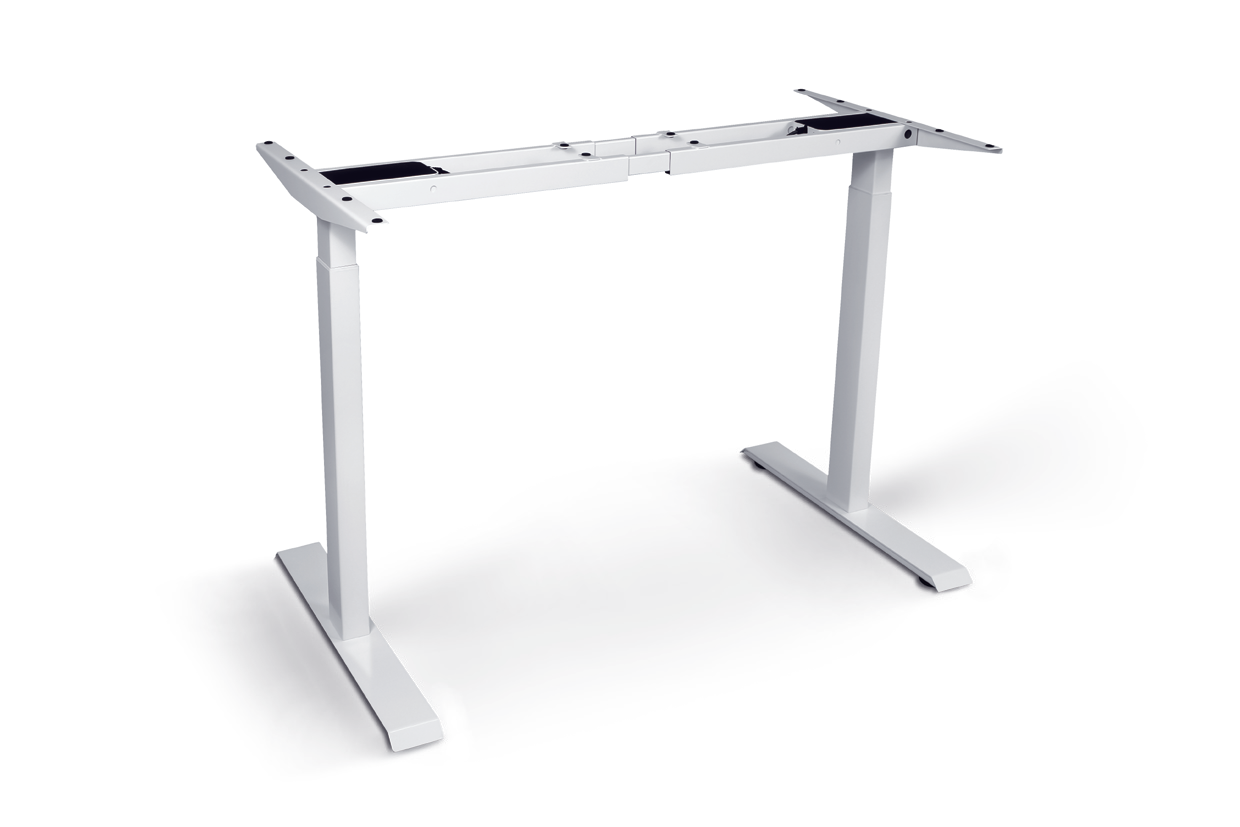
- Delivery risk often sits upstream in components and capacity coordination, not in finished goods. The core parts of a standing desk include the frame structure, motor, control box, and hand controller; the supply rhythm of any one of these affects the whole order.
- Brands and OEM/ODM customers need to distinguish a product supplier from a system supplier. The former provides individual items; the latter can co-develop around structure, electrical, and packaging requirements.
- Enterprise buyers need to include after-sales and spare parts in the evaluation. The long-term experience of a lifting system depends on spare parts availability and technical support response.
Note that these judgments are industry-informed analysis, not statistics provided by the podcast. The episode is a topic signal for this article and does not constitute proof of any product performance.
Four capability areas B2B buyers should assess
1. Matching structure with lifting systems
The stability, noise behavior, and durability of an electric standing desk depend on how the frame structure, motor, and control system work together. Buyers should ask suppliers to explain the matching logic between their desk frames and lifting systems, and confirm support for different desktop sizes and load requirements. For specific load ranges, height ranges, and noise figures, contact ETUP to verify and rely on written specifications.
2. OEM/ODM collaboration and customization boundaries
For office furniture brands and OEM/ODM customers, the key question is whether a supplier can adjust color, dimensions, control methods, or packaging on an existing platform. Minimum order quantities, development lead times, and tooling ownership for customization must be confirmed item by item. This article does not provide any MOQ or lead time figures that have not been confirmed by ETUP.
3. Compliance documents and market access
Buyers targeting Europe, North America, the Middle East, and Southeast Asia need to check the compliance documents required in each market. For ETUP's specific certification scope and certificate validity, contact ETUP to verify and request the latest copies. Buyers should not make market-access decisions based on verbal assurances alone.
4. Delivery, packaging, and after-sales spare parts
Office projects are usually delivered in batches, and packaging protection and spare parts strategy directly affect installation efficiency and long-term maintenance costs. Buyers should clarify packaging methods, spare parts lists, and after-sales response processes at the inquiry stage and attach these to the contract.
Practical buyer checklist: evaluating standing desk and lifting system suppliers
Use this checklist for first-round supplier screening. Each item should be confirmed in writing rather than by verbal promise.
- Product range: Does the supplier offer electric standing desks, desk frames, and lifting systems together? Can it explain how the product lines fit together?
- Specification documents: Are verifiable specifications available, including dimensions, load, height range, electrical parameters, and noise information?
- Compliance and certification: Are the documents required for target markets complete and valid? Contact ETUP to verify the specific certification scope.
- OEM/ODM capability: Is customization supported? How are customization boundaries, development process, and IP ownership defined? Contact ETUP to confirm MOQ and lead times.
- Quality control: Can incoming, in-process, and outgoing inspection processes be explained? Is third-party inspection accepted?
- Packaging and logistics: Is packaging suitable for sea freight, road transport, and on-site handling? Are spare parts kits provided?
- After-sales support: Are spare parts availability, technical documentation, and response processes clearly defined?
- Commercial terms: Are quotation validity, payment terms, warranty scope, and liability allocation documented? Confirm all commercial details with ETUP before signing.
Different priorities for distributors, brands, and contractors
Distributors should prioritize spare parts and after-sales support, as these directly affect end-customer repeat business. Office furniture brands should focus on OEM/ODM collaboration and specification consistency so that product line expansion does not compromise quality. Fit-out contractors need to examine packaging, delivery batches, and installation coordination to avoid on-site waiting. Enterprise buyers should include compliance documents, warranty terms, and long-term spare parts supply in tender scoring. Designers can bring in supplier technical input early to reduce late-stage changes.
Frequently asked questions
Does this analysis show that ETUP product performance has been proven by the podcast?
No. The Work Design episode is only a topic signal, and this article makes no unverified claims about ETUP product performance. Contact ETUP to verify all product and commercial details.
What should buyers confirm first?
Confirm compliance documents for the target market and product specifications first, then discuss price and lead time. A quotation without verifiable documents is difficult to use for project decisions.
Sources
Topic signal: Work Design, "The Workplace Supply Chain: The Hidden Business Behind Every Office," October 2, 2026. Original link. This article is independent analysis and does not represent the views of the source.
This is a draft for human review only and must not be treated as published content. All commercial details must be confirmed with ETUP before publication.