Direct answer: the office supply chain now competes on systems, not just products
A Work Design podcast published in October 2026 (The Workplace Supply Chain: The Hidden Business Behind Every Office) moves the conversation away from whether employees return to the office and toward a more fundamental question: who actually supplies the modern workplace? This source is used here only as a topic signal; it does not prove any product performance. For the B2B audiences ETUP serves—distributors, office furniture brands, fit-out contractors, enterprise buyers, designers, and OEM/ODM customers—the useful takeaway is that the evaluation framework for standing desks and lifting systems needs an upgrade.
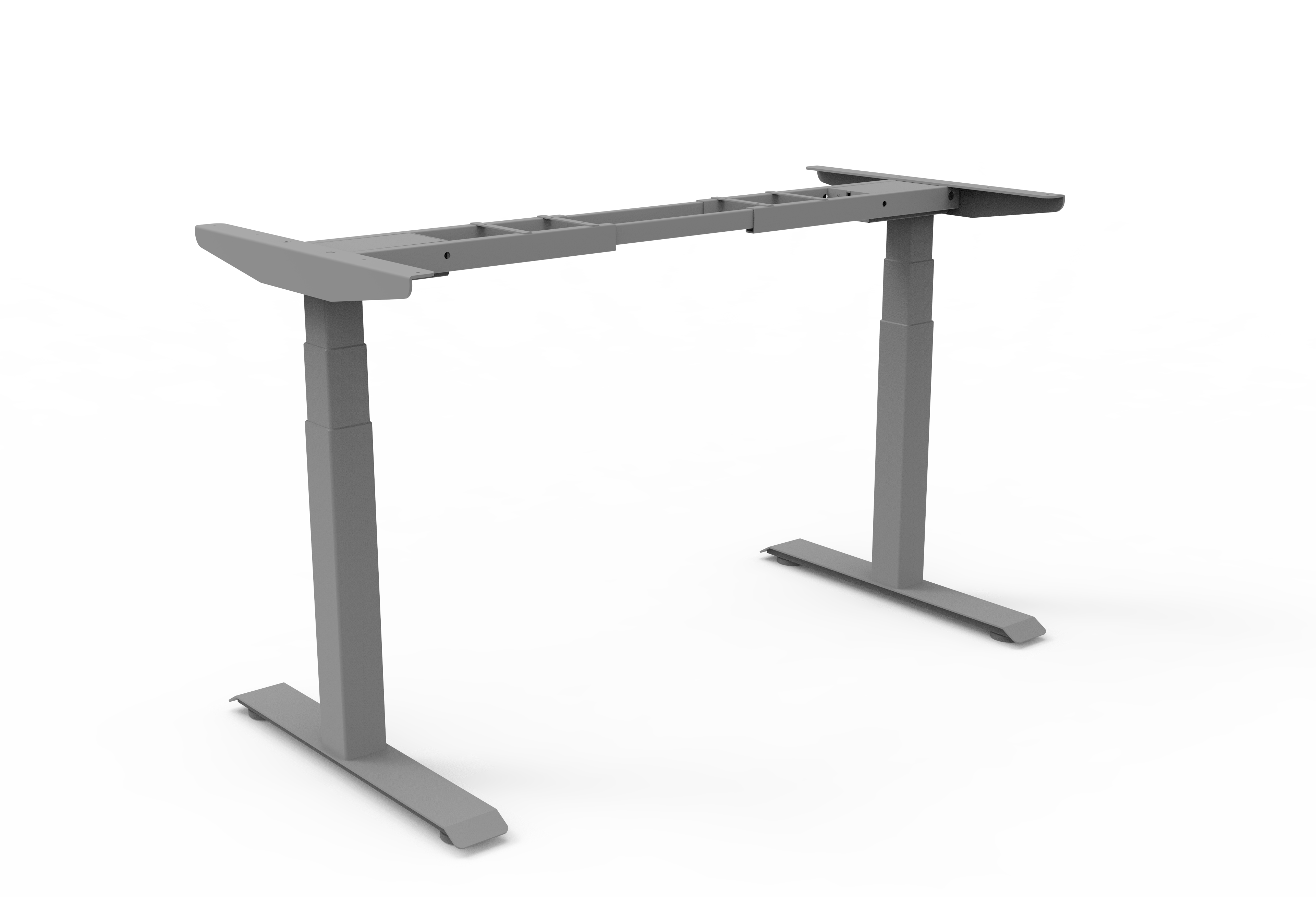
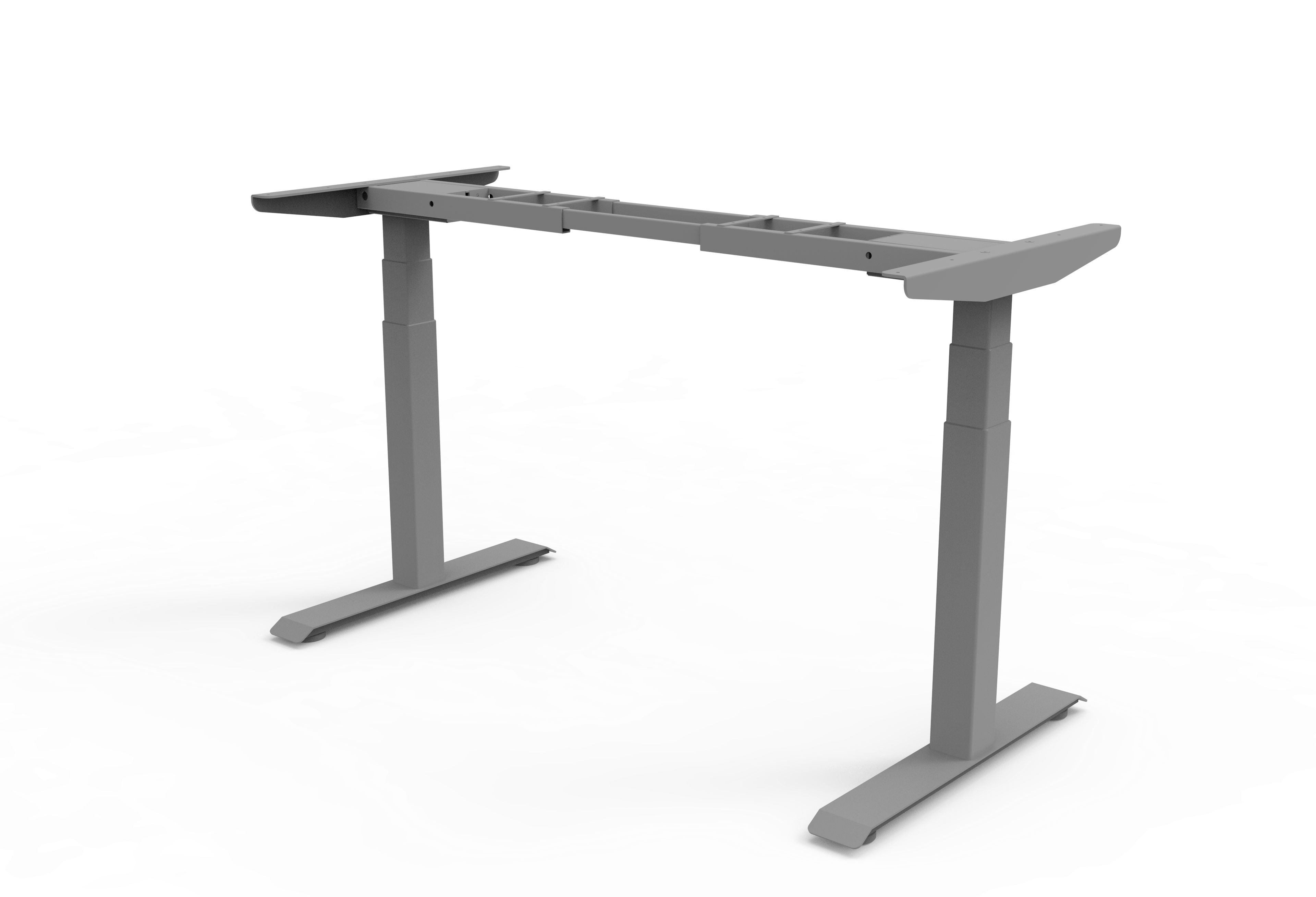
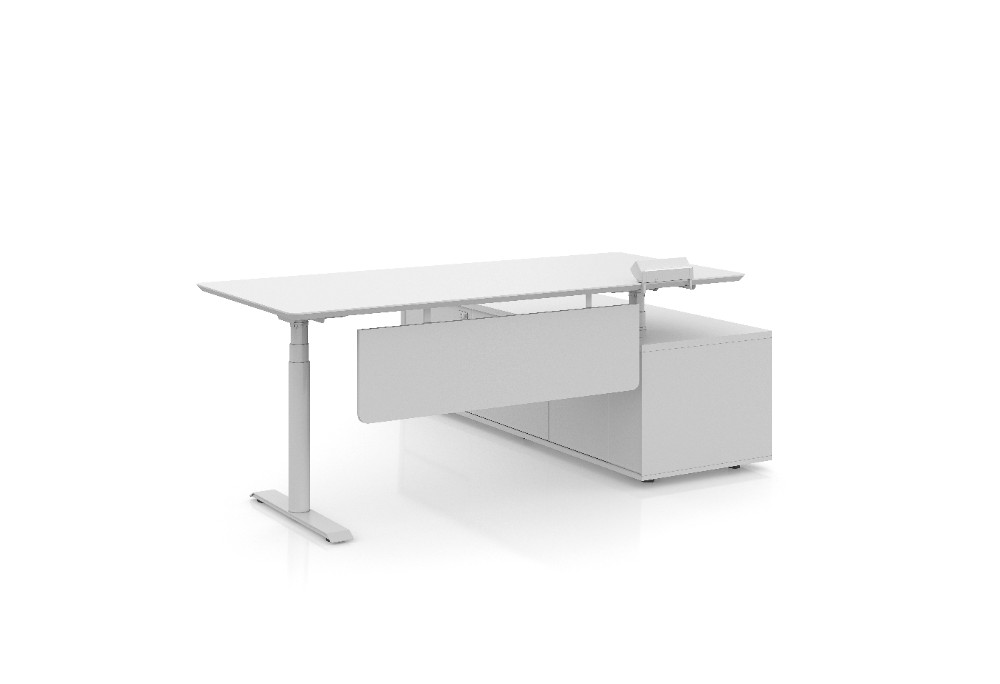
In the past, sourcing often revolved around the price, load capacity, and appearance of a single desk. But when a workplace project involves multiple delivery batches, cross-region installation, long-term maintenance, and brand customization, supply stability, documentation completeness, and collaboration capability can matter more than unit price. ETUP supplies B2B electric standing desks, desk frames, and lifting systems; contact ETUP to verify all commercial details.
Why the “hidden supply chain” deserves B2B attention
The office furniture supply chain is not just logistics from factory to warehouse. It includes the component sources behind the lifting system, consistency between frame and desktop, electrical and compliance documentation for different markets, packaging and installation instructions, spare parts and after-sales response, and sampling and change management in OEM/ODM projects. A weakness in any one link can be amplified during project delivery.
For buyers in Europe, North America, the Middle East, and Southeast Asia, priorities differ. European customers often focus on documentation and compliance pathways; North American customers may focus on delivery rhythm and spare parts; large Middle East projects may emphasize batch consistency and installation support; growth-oriented distributors in Southeast Asia may value MOQ flexibility and product mix. Contact ETUP directly to verify its specific market support, certification scope, MOQ, and lead times; this article does not speculate.
Four dimensions for sourcing evaluation
1. Supply stability and traceability
Are the core components of the lifting system—motor, control box, handset, columns—sourced through stable relationships? Are there perceptible differences between batches? Buyers should ask suppliers to explain how key components are sourced and managed, and compare multiple batches during sampling. Do not assume that “the same model” is identical across batches; treat consistency as a verifiable sourcing requirement.
2. Documentation and compliance readiness
Different markets have different requirements for electrical products, furniture safety, and electromagnetic compatibility. Buyers should list the documents required for target markets in advance and confirm what the supplier can provide. This article does not name specific certifications because applicability depends on product configuration, target market, and importer responsibility. Rely on the actual documents ETUP provides and specify document delivery milestones in the contract.
3. OEM/ODM collaboration
For office furniture brands and designers, a standing desk is often not a standard item but part of a brand system. Collaboration capability shows in controllable sampling cycles, clear change management, packaging and manuals that support branding, and standardized interfaces between desktop and frame. Buyers should define early which elements can be customized and which must remain standard to avoid repeated revisions later.
4. After-sales and spare parts logic
Standing desks are electromechanical products, so after-sales support is unavoidable. Buyers should understand spare parts availability, common fault handling paths, and whether installation instructions are sufficient for local teams. For distributors and contractors, spare parts availability often directly affects customer satisfaction. Contact ETUP to verify specific warranty terms and spare parts policies.
Practical buyer checklist
- Project profile: define target markets, volumes, delivery windows, and who is responsible for installation.
- Product configuration: confirm frame dimensions, height range, load requirements, and control options, and keep written records.
- Sample validation: request multiple batches, record differences in key components and packaging condition.
- Document list: list required documents for target markets and confirm the supplier’s scope and timing.
- OEM/ODM boundaries: clarify customizable items, standard items, sampling costs, and change processes.
- Commercial terms: confirm MOQ, lead times, payment terms, spare parts policy, and warranty scope (contact ETUP to verify).
- Risk plan: agree on how to handle document delays, batch differences, and after-sales response.
What this means for ETUP customers
The value of the podcast is not that it provides answers, but that it reminds buyers that competition in the workplace increasingly happens in the invisible parts of the supply chain. For standing desks and lifting systems, buyers should shift evaluation from “how much does one desk cost” to “can this supply relationship support multi-market, multi-batch, long-cycle projects?” ETUP, as a B2B supplier of electric standing desks, desk frames, and lifting systems, is suited to be evaluated within this framework; all commercial details should be confirmed officially by ETUP.
This article is a draft for human review and should not be treated as published content.
Sources
Work Design Magazine, “The Workplace Supply Chain: The Hidden Business Behind Every Office,” 2026-10-02. Original link (used only as a topic signal; does not prove ETUP product performance).